
Choosing Your Cobalt Blue Tarantula
Bringing a Cobalt Blue Tarantula into your home is a commitment to providing a specialized environment for a fascinating creature. These vibrant spiders, known for their striking blue coloration, can make captivating pets. However, their unique needs require careful consideration. Before acquiring a Cobalt Blue Tarantula, it’s essential to research their specific requirements, including habitat, diet, and handling. Understanding these aspects will help you ensure the spider’s well-being and create a rewarding experience for both you and your new pet. This guide aims to provide the essential information you need to successfully care for your Cobalt Blue Tarantula.
Selecting a Healthy Cobalt Blue Tarantula
The first step in successful Cobalt Blue Tarantula care is selecting a healthy specimen. This crucial decision sets the stage for your spider’s long-term well-being. Begin by choosing a reputable breeder or pet store with a good reputation for responsible animal care. Avoid purchasing a tarantula from sources that seem to prioritize profit over the health of their animals. A healthy tarantula should be active, alert, and exhibit a strong feeding response. Do not hesitate to ask about the spider’s history, including its age, feeding schedule, and molting record, as these details are important indicators of overall health.
Identifying a Healthy Cobalt Blue Tarantula

When examining a Cobalt Blue Tarantula, look for several key indicators of health. The spider’s abdomen should be plump, not shriveled or excessively thin, as this suggests it’s well-fed and hydrated. Check for any signs of mites, parasites, or injuries, such as missing legs or damaged fangs. The spider’s coloration should be vibrant and consistent with the species; dull or faded colors can signal health problems. Also, observe the spider’s movement; a healthy tarantula should move with purpose and coordination. If the spider appears lethargic, uncoordinated, or has difficulty righting itself, it could be a sign of illness.
Habitat Setup
Creating a proper habitat is fundamental to Cobalt Blue Tarantula care. These spiders thrive in environments that closely mimic their natural habitats. The setup should provide security, appropriate temperature and humidity, and opportunities for natural behaviors like burrowing and hiding. The enclosure should be escape-proof, well-ventilated, and easy to clean. A poorly designed habitat can lead to stress, illness, and ultimately, a shorter lifespan for your tarantula. Taking the time to properly set up the habitat will greatly enhance your spider’s quality of life.
Appropriate Enclosure Size for Cobalt Blue Tarantulas
The size of the enclosure is a critical factor in tarantula care. Cobalt Blue Tarantulas, being a medium-sized arboreal species, do well in a vertically oriented enclosure. A good rule of thumb is to provide an enclosure that is at least three times the spider’s leg span in length, width, and height. This allows the tarantula to move around freely and establish a comfortable territory. For a mature adult, an enclosure measuring approximately 12x12x18 inches or larger is recommended. Ensure the enclosure has a secure lid to prevent escapes, as these spiders are skilled climbers. A properly sized enclosure will not only provide physical space, but also contributes to the tarantula’s psychological well-being.
Substrate and Decor Considerations

Choosing the right substrate and providing appropriate décor are essential elements of habitat setup. The substrate should be able to hold moisture and allow the tarantula to burrow if it chooses. A mixture of peat moss, coconut fiber, and a small amount of vermiculite is an excellent choice. The substrate should be deep enough (at least 4-6 inches) to allow for burrowing, which is a natural behavior for Cobalt Blue Tarantulas. Add several decorations to provide hiding places and climbing opportunities. Cork bark, artificial plants, and sturdy branches can create a visually appealing and enriching environment. Avoid sharp or abrasive décor that could injure the spider.
Temperature and Humidity Requirements
Maintaining the correct temperature and humidity levels is vital for the health of your Cobalt Blue Tarantula. They thrive in a temperature range of 75-85°F (24-29°C). Use a thermometer to monitor the temperature inside the enclosure. Supplemental heating, such as an under-tank heater or a low-wattage heat lamp, may be necessary to maintain this range, particularly in cooler climates. Humidity should be maintained between 70-80%. This can be achieved by misting the enclosure regularly, typically 2-3 times per week. A hygrometer is helpful to monitor humidity levels. Adequate ventilation is also crucial to prevent mold and bacterial growth; ensure there are sufficient air holes in the enclosure.
Feeding and Diet
Proper nutrition is paramount for your Cobalt Blue Tarantula’s health and growth. Understanding their dietary needs will help you provide a balanced and appropriate diet, supporting their overall well-being. A well-fed tarantula is more likely to thrive and exhibit its natural behaviors. The right diet not only fuels the spider’s activities but also plays a crucial role in molting, growth, and the prevention of health issues. Feeding your tarantula appropriately is a fundamental aspect of responsible pet ownership and ensures a long, healthy life for your fascinating pet.
What to Feed Your Cobalt Blue Tarantula
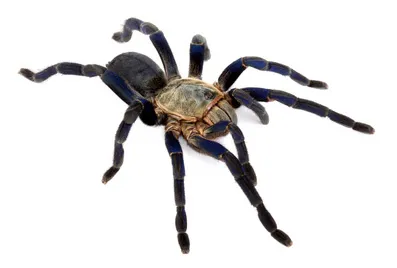
Cobalt Blue Tarantulas are insectivores, meaning their diet should consist primarily of insects. Crickets, cockroaches, mealworms, and other commercially available insects are excellent food choices. The size of the insects should be appropriate for the spider’s size; a general rule is to offer prey items no larger than the spider’s body. Always ensure that the insects are gut-loaded (fed nutritious food) before offering them to your tarantula, as this provides added nutrients. Avoid feeding wild-caught insects, as they may carry parasites or pesticides. A varied diet is best, as it provides a wider range of essential nutrients for optimal health and growth. Consider offering a variety of prey to meet your tarantula’s nutritional needs.
Feeding Frequency
The frequency of feeding depends on the spider’s age and size. Spiderlings should be fed more often, usually every other day or daily, as they are growing rapidly. Juvenile tarantulas can be fed 2-3 times per week. Adult Cobalt Blue Tarantulas generally need to be fed once a week, although some keepers feed them less frequently. Always observe your tarantula’s feeding behavior. If it refuses food, it may be in premolt (preparing to molt) or have other health issues. Remove uneaten prey items within 24 hours to prevent stress and potential harm to the tarantula. Adjust the feeding schedule as needed based on your spider’s appetite and overall condition.
Watering and Hydration
Providing access to fresh water is essential for the health of your Cobalt Blue Tarantula. Adequate hydration is critical for molting, maintaining bodily functions, and overall well-being. Without a consistent source of water, the spider can become dehydrated, which can lead to health complications. Offering water appropriately ensures your tarantula thrives in its captive environment. This fundamental aspect of care should not be overlooked to maintain the spider’s optimal health.
Providing Fresh Water

Fresh, clean water should be available at all times. There are a few ways to provide water. A shallow water dish is the most common method. Ensure the water dish is shallow enough to prevent drowning, especially for smaller tarantulas. Use a non-tipping dish made of ceramic or plastic. Alternatively, you can provide water by misting the enclosure regularly. This method also helps to maintain humidity levels. Change the water in the dish at least once or twice a week, or more frequently if it becomes soiled. Use dechlorinated water to prevent the harmful effects of chlorine and chloramine.
Misting and Humidity Maintenance
Misting the enclosure is another important aspect of providing water and maintaining humidity. Use a spray bottle filled with dechlorinated water to lightly mist the enclosure. The frequency of misting depends on the environmental conditions and the humidity levels. As a general guideline, mist 2-3 times per week. Mist the sides of the enclosure and the substrate, but avoid spraying directly onto the tarantula. Observe the humidity levels using a hygrometer and adjust the misting schedule accordingly. Over-misting can lead to mold growth, while under-misting can result in dehydration. Find a balance that provides the necessary humidity without creating an unhealthy environment.
Handling and Safety
While the Cobalt Blue Tarantula’s stunning appearance often makes people eager to handle them, it’s crucial to exercise caution. Their potent venom and quick movements can pose risks. Prioritizing safety is paramount when interacting with your pet. By understanding the potential dangers and implementing safe practices, you can minimize risks and ensure a positive experience for both you and your tarantula. Proper handling methods are essential for preventing injury to yourself and the spider.
Safe Handling Practices
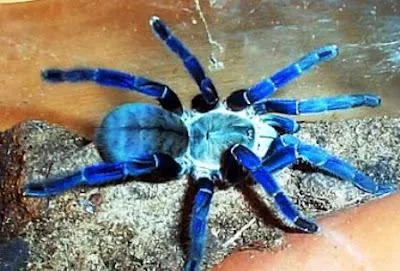
Handling Cobalt Blue Tarantulas is generally not recommended, especially for beginners. They are known to be defensive and can deliver a painful bite. If you must handle your tarantula, do so with extreme caution and avoid any sudden movements. Handle them over a soft surface, such as a bed or a carpet, to minimize the risk of injury if the spider falls. Always wash your hands thoroughly before and after handling. Never force a tarantula to come out of its enclosure, and never handle it if it appears stressed or agitated. Use a soft brush to gently guide the tarantula if necessary. Always be aware of the spider’s location and behavior.
Understanding Cobalt Blue Tarantula Behavior
Understanding your Cobalt Blue Tarantula’s behavior is crucial for its care and safety. These spiders are generally nocturnal, meaning they are most active at night. They can be defensive and may display certain behaviors to warn you, such as raising their front legs or flicking hairs from their abdomen. Recognize these warning signs and respect the spider’s space. Observe your tarantula’s feeding habits, molting cycles, and overall activity level to detect any signs of illness or stress. Learn to differentiate between normal behaviors and those that may indicate a problem. Paying attention to these details can help you provide optimal care and ensure your tarantula’s well-being.
Common Health Issues and Care
Like all animals, Cobalt Blue Tarantulas can experience health problems. Identifying and addressing these issues promptly is crucial for their well-being. Being aware of common ailments and knowing how to recognize them can make a significant difference in your ability to provide the best possible care for your pet. Regular observation, combined with a good understanding of common health concerns, can help you take immediate action to prevent serious problems and ensure a long, healthy life for your tarantula.
Recognizing and Addressing Molting Problems

Molting is a natural process where tarantulas shed their exoskeletons to grow. It is a vulnerable time for these spiders, and complications can arise. A tarantula preparing to molt will typically stop eating, become less active, and may lie on its back. During molting, maintain the proper humidity and do not disturb the spider. If the tarantula struggles to molt, seek advice from a veterinarian experienced with invertebrates. After molting, the spider’s fangs and body will be soft for a few days; avoid feeding it until the exoskeleton hardens. Providing the correct environment and minimizing disturbance can aid in a successful molt.
Identifying and Treating Parasites
Cobalt Blue Tarantulas can be susceptible to parasites, such as mites. These tiny pests can infest the spider’s body, causing irritation and potentially spreading diseases. Regularly inspect your tarantula for signs of mites, such as small, moving dots on the body or legs. If you suspect a mite infestation, isolate the affected tarantula and consult with a veterinarian. Treatment may involve removing the substrate and cleaning the enclosure. In some cases, topical treatments may be required. Prevention is crucial, so maintain a clean habitat, gut-load insects, and quarantine new tarantulas before introducing them to your collection. Regular monitoring helps to catch potential problems early.
Conclusion
Caring for a Cobalt Blue Tarantula can be a rewarding experience, offering a unique glimpse into the world of arachnids. By following the tips outlined in this guide, you can provide your pet with a safe, healthy, and stimulating environment. Remember that responsible pet ownership involves continuous learning and adaptation. Stay informed, observe your tarantula closely, and consult with experienced keepers or a veterinarian if you have any concerns. With proper care, your Cobalt Blue Tarantula can thrive, bringing you years of fascination and enjoyment.