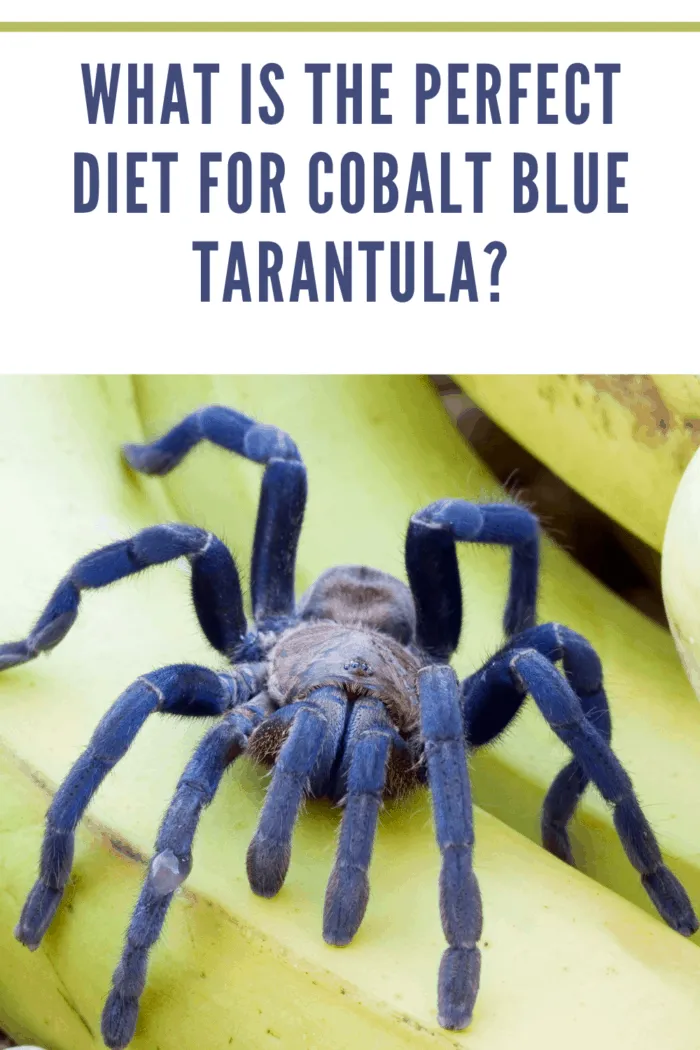
Understanding Cobalt Blue Tarantula Dietary Needs
The cobalt blue tarantula (Cyaneopubescens) is a striking, vibrant species, and its diet is crucial to its health, growth, and overall well-being. Understanding their dietary requirements is essential for any keeper. These arachnids, native to the tropical forests of Myanmar and Laos, have specific needs that must be met to ensure they thrive in captivity. Unlike many other pets, tarantulas have relatively simple dietary needs, but getting these needs right is vital for their longevity and vibrant coloration. This guide will delve into every facet of the cobalt blue tarantula’s diet, providing insights into their natural feeding habits, captivity requirements, and common pitfalls to avoid. Proper diet, in conjunction with appropriate housing and environmental conditions, forms the cornerstone of successful tarantula keeping. The following sections will provide you with the necessary knowledge.
Natural Diet of Cobalt Blue Tarantulas
In the wild, cobalt blue tarantulas are opportunistic predators, their diets varying depending on the availability of prey in their habitat. Understanding what they eat naturally provides a crucial foundation for replicating their diet in captivity. This knowledge helps ensure the tarantula receives the necessary nutrients for optimal health and development. Their feeding habits are closely tied to their environment, with the types of prey available dictating their choices. They are ambush predators, relying on their potent venom and quick reflexes to capture food. Their diet is generally based on what’s easiest to catch.
Prey Items in the Wild

The natural diet primarily consists of insects and small invertebrates. Common prey items include crickets, grasshoppers, beetles, and occasionally, other spiders or small invertebrates they can overpower. The specific types of insects consumed will vary depending on the local ecosystem and seasonal availability. These tarantulas will also consume whatever else they can catch, but the core of their diet is insects. Young tarantulas will start by eating smaller insects, while adults will hunt larger prey. The success of their hunt relies on their stealth, venom, and quick reflexes.
Dietary Needs in Captivity
Replicating the natural diet in captivity involves providing a range of insects that are readily available and nutritious. The goal is to offer a balanced diet that meets the tarantula’s nutritional needs and allows it to thrive. It is important to research and understand the specific requirements of cobalt blue tarantulas to ensure their health. Providing live prey is crucial, as it stimulates their natural hunting instincts and offers enrichment. Variety in the diet can also help ensure the tarantula receives all the necessary nutrients. Always make sure the prey is appropriately sized and free from pesticides or diseases.
Essential Nutrients for Cobalt Blue Tarantulas
A balanced diet includes adequate protein, fats, and essential vitamins and minerals. Protein is the primary building block for growth, while fats provide energy. Vitamins and minerals support various bodily functions and overall health. It is crucial to ensure the prey is itself properly nourished. This is often achieved through a process known as ‘gut-loading’, where the feeder insects are fed a nutritious diet before being offered to the tarantula. This practice helps to maximize the nutritional value of the prey. Supplementation is generally unnecessary if the tarantula is fed a varied, gut-loaded diet.
Protein Requirements

Protein is vital for growth, particularly for young tarantulas that are still molting and developing. Adult tarantulas also need protein to maintain their bodies. The prey items offered, such as crickets, roaches, and mealworms, should provide sufficient protein. Ensure the insects are healthy and not overly processed, as this could diminish their nutritional value. The amount of protein needed can vary depending on the tarantula’s age and molting schedule. Always observe the tarantula’s feeding habits to ensure it is receiving enough protein to support its overall health and development. Overfeeding protein is less of a concern than underfeeding, but excess can lead to waste.
Hydration and Water Sources
Hydration is as crucial as diet. Tarantulas need a constant supply of fresh water to survive. Dehydration can be fatal, so providing a suitable water source is a must. They primarily absorb water through their food, but a water source ensures constant access to hydration. The water source should be clean and accessible to the tarantula without posing a risk of drowning. Water quality directly impacts their health. Ensure the water is fresh, clean, and free from contaminants. Regular maintenance is necessary to keep the water source sanitary and functional.
Water Bowl Recommendations
A shallow water bowl is ideal. It should be stable and not easily tipped over. The bowl should be large enough for the tarantula to access easily but small enough to prevent accidental drowning. Ceramic or plastic bowls are suitable choices, as they are easy to clean. The water should be changed regularly, ideally every few days, to prevent bacterial growth. The size of the water bowl should be adjusted depending on the size of the tarantula; a smaller bowl for spiderlings and a larger one for adults is often best. Ensure the bowl is placed in a secure location within the enclosure.
Humidity and its Impact on Hydration
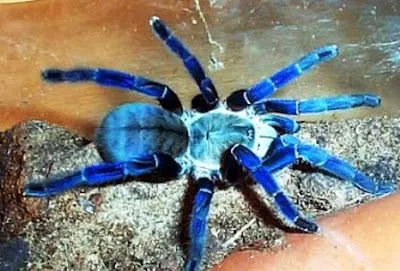
Cobalt blue tarantulas require a moderate to high humidity level to thrive. Maintaining proper humidity helps the tarantula to hydrate efficiently, especially during molting. The correct humidity also supports their overall health and well-being. The humidity level can be maintained by misting the enclosure with water, providing a water bowl, and using appropriate substrate. Ensure the enclosure has adequate ventilation to prevent mold growth. Incorrect humidity levels can lead to dehydration or respiratory problems. Monitoring humidity levels regularly with a hygrometer is important.
Feeding Schedule and Frequency
The feeding schedule and frequency should be tailored to the tarantula’s age and size. Young tarantulas, or spiderlings, require more frequent feeding as they are growing rapidly. Adult tarantulas need less frequent feeding because their growth rate slows down. It’s crucial to observe the tarantula’s feeding habits to adjust the schedule accordingly. A tarantula that consistently refuses food may be nearing a molt. Conversely, a tarantula that eats voraciously may be hungry, but overfeeding should be avoided. Always feed appropriately sized prey, and remove any uneaten prey within 24 hours.
Feeding Young Tarantulas
Spiderlings, or young tarantulas, should be fed more frequently than adults, typically 2-3 times per week. The prey should be appropriately sized, such as small crickets or flightless fruit flies. Ensure the prey is smaller than the tarantula’s abdomen to avoid stress. Provide a variety of food items to ensure they receive a broad range of nutrients. Monitor the spiderling’s growth and adjust the feeding frequency accordingly. Spiderlings are more vulnerable, so they need a consistent food source for healthy development. Provide access to fresh water at all times to help them remain hydrated.
Feeding Adult Tarantulas

Adult cobalt blue tarantulas typically need to be fed once every 1-2 weeks. The prey should be larger, such as adult crickets or roaches. Adjust the feeding frequency based on the tarantula’s appetite and condition. Overfeeding adults can lead to obesity. It’s essential to avoid overfeeding, and regularly check the tarantula’s abdomen to make sure it’s not too plump. Monitoring their feeding patterns is important. They will often refuse food when they’re about to molt. Ensure there is always access to fresh water, and regularly remove uneaten food from the enclosure.
Adjusting Feed Based on Molting Cycle
Tarantulas often stop eating before they molt. It’s normal for them to refuse food for several weeks before this process. When the tarantula starts to refuse food, stop feeding. It’s important not to force feed them during this time, as it can be stressful and harmful. Post-molt, they are extremely vulnerable, and should not be fed for a few days. After their exoskeleton hardens, they will have a significantly increased appetite. Gradually reintroduce food after a week, starting with smaller portions to avoid overwhelming them. Be patient and monitor the tarantula’s behavior during the molting process.
Prey Size and its Importance
Prey size is crucial for the health and well-being of a cobalt blue tarantula. Feeding appropriately sized prey prevents stress, ensures proper nutrition, and reduces the risk of injury. The size of the prey should be appropriate for the tarantula’s size, considering the size of their abdomen, not only the body. Too large of prey could cause injury or stress. Too small prey will not provide sufficient nutrition. The goal is to provide a meal the tarantula can handle easily without any risks. The size of the prey greatly impacts the tarantula’s hunting behavior.
Choosing Appropriate Prey Size

As a general guideline, the prey should be no larger than the tarantula’s body. For spiderlings, use smaller insects such as pinhead crickets or fruit flies. For juveniles and adults, feed appropriately sized crickets or roaches. The prey should be active, but not overly aggressive, to minimize the risk of injury to the tarantula. The size of the prey is critical, and over time, you will become better at judging this. If the tarantula hesitates to attack or seems fearful of the prey, the prey is likely too large. Remove the prey and try again in a few days with a smaller offering.
Consequences of Overfeeding
Overfeeding can lead to health issues like obesity and impaired mobility. An obese tarantula may have difficulty molting or moving around the enclosure. This can cause considerable stress to the tarantula. Adjust the feeding schedule to avoid these issues, and monitor the tarantula’s abdomen for signs of overfeeding. If the abdomen is excessively large, reduce the amount of food offered and/or decrease the feeding frequency. Excess food can also lead to waste buildup in the enclosure, increasing the risk of disease. Make sure to remove any uneaten food within 24 hours to reduce this risk.
Prey Preparation and Handling
Proper prey preparation and handling are essential for ensuring the safety and health of your cobalt blue tarantula. Before feeding, the prey needs to be properly handled to prevent any harm to the tarantula. This includes making sure the prey is healthy, appropriately sized, and free from any contaminants. Preparing prey correctly can greatly improve the chances of a successful and safe feeding session. It is also important to consider the ethical implications of providing live food. Always prioritize the welfare of both the predator and the prey.
Preparing Live Prey

Before feeding the tarantula, gut-load the insects for at least 24 hours before offering them. This will help ensure the tarantula receives the maximum nutritional value from the prey. Provide the feeder insects with nutritious food and water, such as commercial cricket feed or fresh vegetables. Ensure the prey is healthy and active. Avoid feeding any prey that appears sick or injured. Always choose reputable suppliers or raise your own prey to minimize the risk of introducing parasites or diseases. This process enriches the nutritional content of the prey.
Removing Uneaten Prey
Uneaten prey should be removed from the enclosure within 24 hours. Leaving uneaten prey in the enclosure can stress the tarantula, especially if the prey tries to hide. The prey may also pose a threat to the tarantula during molting. Rotting insects can also lead to mold growth and unhealthy conditions within the enclosure. Remove the uneaten prey with a pair of tongs or tweezers. Regularly inspect the enclosure to make sure no dead insects are present. A clean enclosure is critical for the tarantula’s overall well-being.
Prey Storage and Hygiene
Proper storage of feeder insects is crucial for their health and nutritional value. Keep crickets and roaches in a well-ventilated container with food and water. This will help ensure they remain healthy and nutritious until they are offered to your tarantula. Clean the feeder insect enclosure regularly to prevent the buildup of waste and maintain hygiene. Provide the feeder insects with fresh food and water to prevent contamination. Always purchase insects from a reputable source to minimize the risk of contamination or disease. A well-maintained feeder insect colony ensures the health of your tarantula. By keeping the feeder insects healthy, you provide better nutrition to your pet.
Common Dietary Mistakes to Avoid
Several common mistakes can negatively impact a cobalt blue tarantula’s health. Being aware of these mistakes will help keepers avoid them and ensure their tarantula thrives. Overfeeding, feeding inappropriate prey, and neglecting hydration are some of the more common errors. Educating yourself on these common pitfalls can lead to a happy and healthy pet tarantula. Avoiding these mistakes will help keepers maintain a healthy and thriving cobalt blue tarantula. The more you learn, the better prepared you are.
Feeding Inappropriate Prey
Avoid feeding prey that is too large, or prey that is known to be toxic or harmful to tarantulas. For example, avoid feeding wild-caught insects that may have been exposed to pesticides or parasites. The choice of prey affects the health and development of your tarantula. Providing a varied diet of healthy, gut-loaded prey is critical. Always ensure the prey is free from parasites or diseases. Ensure all prey is appropriately sized to avoid stressing the tarantula, which could lead to injury or trauma. Always research before offering any type of new prey to your tarantula to ensure its safety.
Overfeeding and its Consequences
Overfeeding is a common mistake among tarantula keepers. Excessive feeding can lead to obesity, making it difficult for the tarantula to move, and increasing the risk of injury or premature death. Overfeeding can also negatively affect the molting process. Always monitor your tarantula’s abdomen to ensure it’s not too plump. Adjust the feeding schedule according to the tarantula’s needs, and avoid overfeeding by sticking to the recommended feeding guidelines for its size and age. It’s always better to slightly underfeed rather than to overfeed your cobalt blue tarantula, especially adults.
Importance of a Balanced Diet
A balanced diet is the cornerstone of a healthy cobalt blue tarantula. It ensures the tarantula receives all the essential nutrients it needs to thrive. This includes a good balance of protein, fats, vitamins, and minerals. Providing a varied diet of gut-loaded prey helps achieve this balance. The specific nutritional needs can vary depending on the tarantula’s life stage. Ensuring that the tarantula has access to a balanced diet contributes to its overall health and longevity. A well-balanced diet also boosts the vibrant coloration that makes cobalt blues such attractive pets. The goal is to provide a comprehensive diet. It’s important to continue to research how best to provide a balanced diet.
Supplements
Supplements are generally not necessary if you are feeding a varied, gut-loaded diet. However, in some cases, supplements might be beneficial. The use of supplements should be based on the specific needs of the tarantula and the advice of an expert. It’s better to ensure the insects are well-fed. Always follow the instructions carefully when using any type of supplement. Overuse of supplements can be harmful. Always consult with a veterinarian or experienced tarantula keeper before adding supplements to your tarantula’s diet. Consider the pros and cons before using supplements.
Vitamins and Minerals
Vitamins and minerals are essential for the health of any animal, including cobalt blue tarantulas. They contribute to various bodily functions, including growth, development, and immune system support. If the feeder insects are properly gut-loaded, they can provide these essentials. If you choose to provide vitamin and mineral supplements, use them with caution. Over-supplementation can lead to health issues, so consulting an expert is essential. The best source of vitamins and minerals is from a balanced diet. Pay attention to your tarantula’s behavior and consult with an expert.
In conclusion, providing a proper diet is one of the most important aspects of cobalt blue tarantula care. By understanding their dietary needs, providing appropriate prey, and avoiding common mistakes, you can ensure your tarantula remains healthy and thrives. Always continue learning and adapt your care practices based on the latest research and the specific needs of your individual tarantula. Remember, the health and well-being of your cobalt blue tarantula are directly tied to the quality of its diet. By paying close attention to these details, you’ll contribute to a long, vibrant life for your beautiful pet.