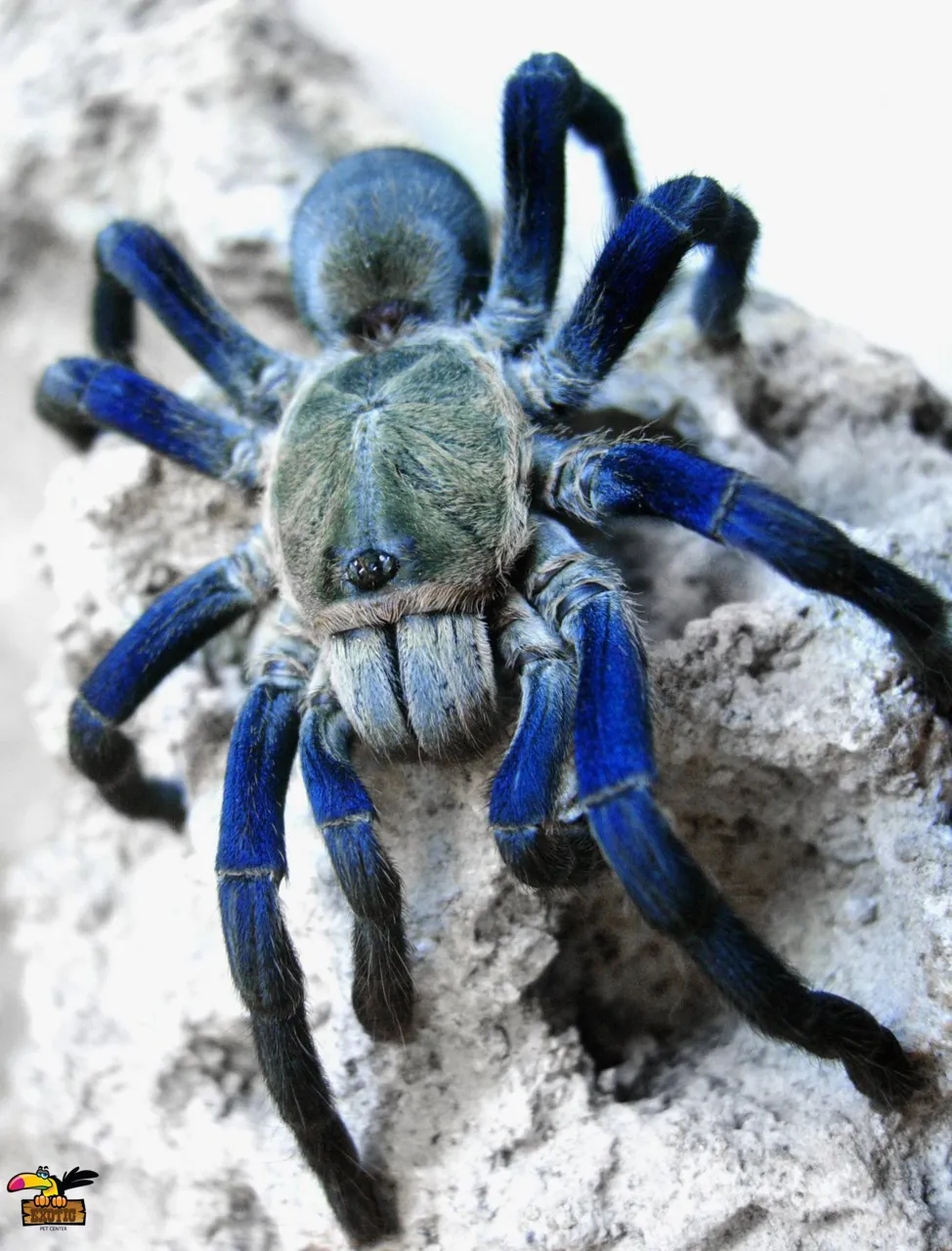
Where to Buy Cobalt Blue Tarantula Females
Acquiring a Cobalt Blue Tarantula, particularly a female, is an exciting endeavor for any arachnid enthusiast. However, it’s crucial to locate a trustworthy source that prioritizes the health and well-being of the tarantulas. Several avenues exist for acquiring these vibrant creatures, each with its own set of considerations. This guide will navigate you through the best places to purchase a Cobalt Blue Tarantula female, ensuring you make an informed decision and bring home a healthy, thriving pet. Understanding the different sources, their pros and cons, and how to assess their credibility is key to a successful purchase. Finding the right tarantula involves more than just finding one for sale; it involves finding the right supplier.
Online Tarantula Sellers
Online marketplaces have become a popular option, offering a wide selection and convenience. However, it’s essential to exercise caution. Look for sellers with established reputations, detailed descriptions of the tarantula’s health and origin, and clear photos. Check for reviews and testimonials from other buyers to gauge the seller’s reliability. Also, inquire about the seller’s shipping practices; reputable sellers use insulated packaging and overnight shipping to minimize stress on the tarantula. Be wary of sellers offering extremely low prices, as this could indicate poor care or unhealthy specimens. Always ask about their guarantee regarding the tarantula’s health upon arrival and their return policy if something is wrong. Shipping costs and potential risks need to be factored into your decision.
Reputable Breeders for Cobalt Blues

Directly purchasing from reputable breeders is often the best choice. Breeders specialize in tarantulas and can provide valuable insights into the tarantula’s lineage, age, and health. They usually have an in-depth understanding of the species and can offer care advice. Look for breeders with a strong track record, positive reviews, and a focus on ethical breeding practices. Ask about their breeding program, the tarantula’s origin, and any health guarantees they offer. Breeders often have more knowledge about the specific needs of Cobalt Blue Tarantulas, which helps in ensuring the animal’s well-being. Visiting a breeder’s facility, if possible, is a great way to assess their care standards. This way, you can check the conditions and see the tarantulas yourself, and you have a better idea of what to expect when you bring your new pet home.
Local Reptile and Pet Shops
Local pet stores that specialize in reptiles and exotic animals can be a good option. They offer the advantage of being able to see the tarantula in person before purchase. However, ensure the shop has knowledgeable staff who can provide accurate care information. Observe the tarantulas’ living conditions; enclosures should be clean, properly heated, and have appropriate substrate. Ask about the tarantula’s feeding schedule, age, and any health records. Check the tarantula for any signs of illness, such as lethargy, loss of appetite, or mites. Pet stores may have limited knowledge about tarantulas compared to breeders; it’s essential to do your research beforehand to make an informed decision and to make sure the tarantula you choose is healthy and has the right environment.
Finding the Right Cobalt Blue Tarantula Female
Choosing the right Cobalt Blue Tarantula female involves considering several factors to ensure a healthy and enjoyable pet-keeping experience. A well-chosen tarantula can thrive for many years, providing you with a fascinating companion. Understanding what to look for when purchasing and knowing how to assess their condition will help you choose a tarantula that’s right for you. This section will delve into the key aspects to consider, helping you select the perfect Cobalt Blue Tarantula female to add to your collection. This will ensure that you provide a suitable home for the tarantula, leading to its long-term health and well-being.
Factors to Consider When Purchasing
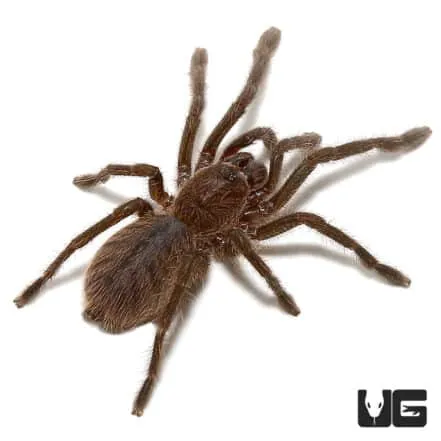
Before making a purchase, consider several essential factors. Research the tarantula’s needs, including their natural habitat, diet, and specific care requirements. Ensure you can provide the appropriate environment, including the right enclosure size, temperature, humidity, and substrate. Consider your lifestyle and time commitment; tarantulas are low-maintenance pets but still require consistent care. Determine your experience level; while Cobalt Blues are generally not aggressive, beginners should start with a more docile species. Make sure you have the necessary resources, including the enclosure, food, and supplies, ready before bringing the tarantula home. This planning ensures a smoother transition for the tarantula and a better experience for you.
Size and Age
The size and age of the tarantula are vital considerations. Juvenile Cobalt Blues are smaller and more vulnerable, requiring a more controlled environment. Sub-adults and adults are more established and robust. Female tarantulas can live for over a decade, so buying a younger female means more time with your pet. However, older females may have already matured and experienced molting challenges. Examine the tarantula’s size relative to its enclosure, ensuring it has enough space to move and molt comfortably. Ask the seller for the tarantula’s age and molting history, which provides insights into its health and growth. A healthy, well-fed tarantula will grow steadily, so observe its overall appearance and body condition.
Health and Appearance
Assess the tarantula’s health and appearance carefully. Look for a tarantula with a plump abdomen, indicating it is well-fed and hydrated. The legs should be intact, with no missing or damaged limbs. Check for any signs of parasites, such as mites, which can be visible on the abdomen or around the book lungs. The tarantula should be alert and responsive to stimuli, not lethargic or unresponsive. Examine the carapace and fangs for any abnormalities. Observe the tarantula’s behavior; it should be active and not appear distressed. A healthy tarantula will have a vibrant color, reflecting good overall health. A dull appearance could indicate a health issue.
Temperament Assessment
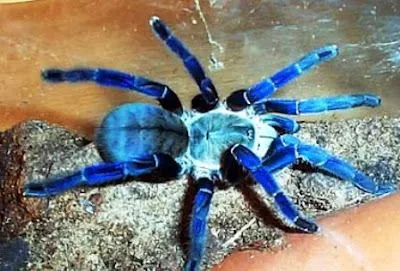
While Cobalt Blues are generally not known for being highly aggressive, their temperament can vary. Observe the tarantula’s behavior. A calm tarantula that retreats into its burrow when disturbed is generally a better choice, especially for beginners. Avoid tarantulas that are overly defensive or display threat postures frequently. Consider the tarantula’s history. Breeders often provide insights into the tarantula’s temperament and can help you choose a suitable pet based on your experience level. Avoid handling a tarantula immediately after purchase, allowing it time to acclimate to its new environment. If you plan to handle the tarantula, observe it closely. Understanding the temperament will make handling easier and safer.
Pricing and Cost of Ownership
Understanding the costs associated with owning a Cobalt Blue Tarantula is crucial for responsible pet ownership. These vibrant tarantulas are relatively low-maintenance pets but still have associated expenses. Proper planning will ensure you can meet their needs without financial strain. It’s essential to consider both the initial costs and the ongoing expenses. This section will break down the financial aspects of owning a Cobalt Blue Tarantula, allowing you to make an informed decision and prepare for all associated costs.
Average Prices for Cobalt Blue Tarantulas
The price of a Cobalt Blue Tarantula female varies depending on several factors, including size, age, and the source of purchase. Generally, juveniles are more affordable than adult females. The price can also vary depending on the breeder’s reputation and the tarantula’s lineage. Prices typically range from $50 to $200 or more. Research different sellers to compare prices, but remember that price should not be the only deciding factor. Prioritize the health and the tarantula’s source. Be wary of prices that seem unusually low, as this could indicate poor care practices or an unhealthy specimen. A realistic budget will help you make an informed decision.
Ongoing Costs Feeding, Housing, and Veterinary Care

In addition to the initial purchase, ongoing costs are essential to consider. Feeding is a regular expense. Cobalt Blues eat insects, such as crickets and roaches. The cost of food varies depending on the quantity and source. Housing requires periodic costs for substrate replacement, enclosure upgrades, and decorations. Although tarantulas do not require regular veterinary care, it’s essential to have funds available for potential health issues. Consider the cost of any necessary supplies, such as supplements, humidity gauges, and heating elements. Planning for these recurring expenses ensures that you can provide the best possible care for your pet without financial stress. Budgeting for these costs will help you maintain a healthy and thriving tarantula.
Setting Up the Ideal Habitat
Creating the right habitat is crucial for the health and well-being of your Cobalt Blue Tarantula. A well-designed enclosure replicates their natural environment, minimizing stress and promoting their longevity. The environment should include proper temperature, humidity, and substrate. This section will guide you through setting up an ideal habitat to keep your Cobalt Blue happy and thriving. Proper setup of their habitat involves more than just an enclosure; it’s about creating the perfect environment for them to thrive. Proper setup is critical for the well-being of your new pet.
Enclosure Size and Type
The enclosure’s size and type are critical. A 10-gallon tank or a similar-sized enclosure is suitable for a juvenile. Adult females require a larger enclosure, at least 18x18x12 inches. The enclosure should be escape-proof, with a secure lid and well-ventilated. Glass or acrylic enclosures are standard choices. Ensure the enclosure has adequate ventilation to prevent mold growth and maintain proper humidity levels. The enclosure must provide adequate space for the tarantula to move around, burrow, and molt comfortably. The size and material will contribute to the tarantula’s well-being and the ease of maintenance.
Substrate and Decor

Choose a substrate that retains humidity and allows the tarantula to burrow. A mixture of peat moss, vermiculite, and coconut fiber is recommended. The substrate should be deep enough for the tarantula to create a burrow. Add decorations, such as cork bark, branches, or artificial plants, to provide hiding places and enrichment. Avoid sharp objects that could injure the tarantula. The substrate and décor will help the tarantula feel secure and comfortable in its new home. A well-decorated enclosure will also enhance the visual appeal, adding to your enjoyment of your pet.
Temperature and Humidity
Maintain a consistent temperature of 75-85°F (24-29°C). Use a heat mat or a ceramic heat emitter to provide supplemental heat. Place the heat source on the side or back of the enclosure to avoid overheating the substrate. Monitor the temperature with a digital thermometer. Maintain a humidity level of 65-75%. Use a hygrometer to measure the humidity. Mist the enclosure with water every few days to maintain humidity. Provide a shallow water dish for the tarantula to drink from. Regular monitoring of temperature and humidity is essential to maintaining your tarantula’s health and well-being. Proper temperature and humidity can prevent dehydration.
Caring for Your Cobalt Blue Tarantula
Proper care is essential for a Cobalt Blue Tarantula to thrive. They are relatively low-maintenance but require specific attention to their needs. This section will provide detailed information on feeding, handling, and common health issues. By following these guidelines, you can ensure your tarantula lives a long, healthy, and stress-free life. Knowing how to care for these creatures ensures they are always happy and healthy. Proper care will go a long way in making the pet-keeping experience enjoyable.
Feeding and Watering

Feed your Cobalt Blue Tarantula a diet of live insects. Crickets, roaches, and mealworms are suitable options. The size of the insect should be appropriate for the tarantula’s size. Feed juveniles twice a week and adults once a week. Remove any uneaten food after 24 hours to prevent mold and mites. Provide a shallow water dish with fresh, clean water. Keep the water dish filled at all times. Monitor the tarantula’s abdomen to ensure it is plump and well-fed. A healthy diet ensures the tarantula is well-nourished and has enough energy to grow and molt.
Handling and Interaction
Cobalt Blue Tarantulas are generally not recommended for frequent handling. They can be fast and skittish, potentially leading to falls and injury. If you choose to handle your tarantula, do so carefully and close to the ground. Avoid sudden movements and be aware of the tarantula’s body language. Wash your hands before and after handling to prevent contamination. Provide enrichment through the habitat. Observe the tarantula’s behavior from outside the enclosure. Handling should be minimized to reduce stress and ensure the tarantula’s safety.
Health and Common Issues
Monitor your tarantula for any signs of illness or distress. Common issues include dehydration, molting problems, and parasites. Dehydration can be caused by low humidity. Ensure proper humidity levels and provide access to fresh water. Molting issues occur when the tarantula struggles to shed its exoskeleton. Ensure proper humidity and provide a safe, undisturbed environment. Parasites, such as mites, can infest tarantulas. If you suspect a health issue, consult a veterinarian or experienced tarantula keeper. Prompt attention to health problems can prevent serious issues.