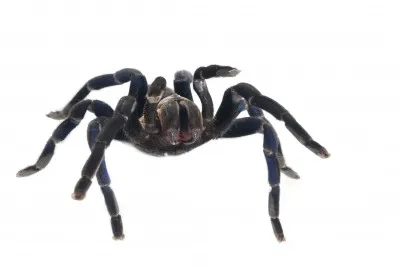
The Cobalt Blue Tarantula (Cyriopagopus lividus) is a sought-after species for reptile enthusiasts due to its stunning coloration and captivating behavior. If you’re considering a Cobalt Blue Tarantula for sale, understanding its unique characteristics is essential. This guide dives into the top five facts about this mesmerizing creature, ensuring you’re well-prepared to provide the best care and appreciate its beauty. From its vibrant blue hues to its specific habitat needs, discover what makes the Cobalt Blue Tarantula a remarkable addition to any collection. Buying a Cobalt Blue Tarantula is a big commitment. This article will guide you to make an informed decision.
Top 5 Facts About Cobalt Blue Tarantula for Sale
The Cobalt Blue Tarantula is a captivating creature, and here are five key facts to know. Firstly, their striking coloration is the most recognizable trait, with vibrant blue legs and a dark carapace. Secondly, they are native to the tropical forests of Myanmar and Thailand, which influences their environmental needs. Thirdly, they are known for their relatively defensive behavior, so handling them requires caution. Fourthly, they are voracious eaters, feeding on insects in the wild and in captivity. Finally, their lifespan can range from 10 to 12 years for females, making them a long-term pet commitment.
Appearance of the Cobalt Blue Tarantula
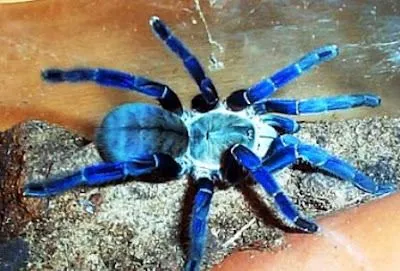
The appearance of the Cobalt Blue Tarantula is truly remarkable, making it one of the most visually appealing tarantulas. The most prominent feature is its vibrant coloration; its legs display a striking metallic blue hue, contrasting beautifully with its dark carapace and abdomen. This coloration intensifies as the tarantula matures, with younger specimens often exhibiting a slightly less intense color. The size of the tarantula can vary, but typically, they reach a leg span of up to 5-6 inches. Their overall appearance is robust and powerful, reflecting their predatory nature and the conditions they thrive in.
Habitat and Natural Behavior
Understanding the Cobalt Blue Tarantula’s natural habitat is crucial for replicating its needs in captivity. Native to the tropical rainforests of Myanmar and Thailand, these tarantulas thrive in warm, humid environments. In the wild, they are fossorial, meaning they burrow underground or find shelter in burrows. They are nocturnal hunters, spending most of the day hidden and emerging at night to hunt. Their behavior in the wild is influenced by the availability of prey and the weather conditions. Knowing this helps you to create a suitable enclosure and provide the right conditions.
Cobalt Blue Tarantula for Sale Behavior
The behavior of the Cobalt Blue Tarantula is a key aspect to consider if you’re thinking about a Cobalt Blue Tarantula for sale. They are known to be relatively defensive and may display defensive behaviors, such as raising their front legs, if they feel threatened. Although they are generally not aggressive, they can bite if provoked, and their venom, while not lethal to humans, can cause localized pain and discomfort. They are also quite fast, so handling them should always be done with care. Their behavior can vary depending on the individual tarantula and its environment.
Cobalt Blue Tarantula for Sale Care Tips
Proper care is essential for the well-being of a Cobalt Blue Tarantula. The enclosure should be a secure terrarium with appropriate ventilation. A substrate of around 6-8 inches of a mixture of coconut fiber, peat moss, and vermiculite is ideal to allow burrowing. Maintain a temperature between 75-85°F (24-29°C) and a humidity level of 70-80%. Provide a water dish with fresh water at all times. Feeding should be done 2-3 times a week with appropriately sized insects, such as crickets or roaches. Always handle the tarantula with caution and avoid unnecessary handling to minimize stress.
Diet and Feeding

The Cobalt Blue Tarantula is a carnivore, and its diet in captivity primarily consists of insects. Crickets, roaches, mealworms, and other similar insects are suitable food sources. The frequency of feeding depends on the age and size of the tarantula, with juveniles needing to be fed more often than adults. It’s crucial to ensure the insects are appropriately sized; the prey should be no larger than the tarantula’s abdomen. It is also important to remove any uneaten prey after 24 hours to prevent stress on the tarantula. Always make sure fresh water is available in a shallow dish.
Enclosure Requirements
Setting up the right enclosure is vital to the health and happiness of your Cobalt Blue Tarantula. A glass or plastic terrarium is ideal, with dimensions that accommodate the tarantula’s size and burrowing behavior. The enclosure should be at least three times the tarantula’s leg span in width and length, and the height should allow for substrate depth. The substrate should be a mixture that allows for burrowing, such as a blend of coconut fiber, peat moss, and vermiculite. Include a water dish and, optionally, some hiding places like cork bark. Ensure proper ventilation and maintain the correct temperature and humidity levels for their health.
Cobalt Blue Tarantula for Sale Health and Lifespan
Understanding the health and lifespan of your Cobalt Blue Tarantula is key to being a responsible pet owner. Generally, females can live for 10-12 years, while males have shorter lifespans, typically 3-5 years. Signs of a healthy tarantula include active behavior, a good appetite, and vibrant coloration. Health issues can include mites, fungal infections, or molting problems. Regular observation, proper care, and maintaining the correct environmental conditions can significantly contribute to a long and healthy life for your tarantula. If you observe any abnormalities, it is important to consult an expert.
How to Identify a Healthy Tarantula

Identifying a healthy Cobalt Blue Tarantula involves observing several key indicators. A healthy tarantula should have a robust appearance, with a full abdomen that signifies good feeding. The legs should be firm, and the tarantula should move with agility and purpose. The coloration should be vibrant and consistent. When molting, the tarantula may refuse food and hide; this is normal. Keep an eye out for any signs of mites, which can be seen as tiny, moving specks on the tarantula’s body. It is important to seek expert advice if you notice anything unusual, such as loss of appetite or lethargy.
Cobalt Blue Tarantula for Sale Where to Buy
When considering a Cobalt Blue Tarantula for sale, it is crucial to find a reputable source. Look for pet stores specializing in exotic animals or reputable breeders who can provide healthy specimens. Research the seller’s reputation by reading reviews and checking online forums for feedback from other buyers. Make sure the seller is knowledgeable about tarantula care and can answer your questions thoroughly. Inquire about the tarantula’s origin, health, and any guarantees they offer. Verify that the tarantula is of legal age and is accompanied by any necessary documentation. The health and well-being of your new pet depend on choosing the right source.
In conclusion, the Cobalt Blue Tarantula is a fascinating and beautiful pet, but it requires specific care. By understanding its environment, feeding habits, and behavior, you can provide a suitable habitat and enjoy the company of this amazing creature. If you are considering a Cobalt Blue Tarantula for sale, remember to research and acquire your pet from a reputable source. Enjoy the experience!