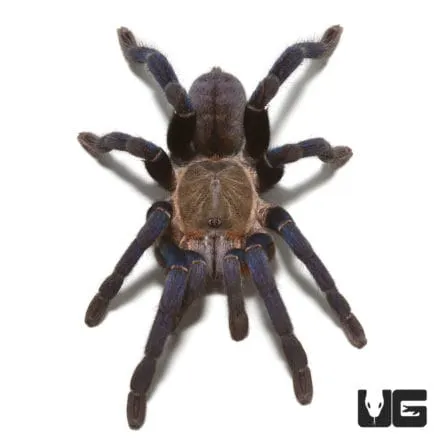
Cobalt Blue Tarantula: Understanding Leg Span
The cobalt blue tarantula (Cyriopagopus lividus) is a stunning species known for its vibrant blue coloration and captivating presence. One of the key characteristics that enthusiasts and keepers often focus on is the tarantula’s leg span. Understanding the leg span of a cobalt blue tarantula is crucial for proper care, enclosure setup, and overall appreciation of this fascinating arachnid. The leg span, which is the distance from the tip of one leg (including the chelicerae) on one side of the tarantula to the tip of the opposite leg, provides important insights into its size and development stage.
Factors Influencing Cobalt Blue Tarantula Leg Span
Several factors contribute to the leg span of a cobalt blue tarantula. These include the tarantula’s age, sex, and the environmental conditions it experiences. Understanding these influences is vital for accurately assessing a tarantula’s size and health. Proper care and attention to these factors can ensure that the tarantula thrives and reaches its full potential leg span. Recognizing these variables provides a foundation for responsible tarantula keeping and promotes the well-being of these amazing creatures.
Age and Growth

Like all tarantulas, cobalt blues grow through a process called molting, where they shed their exoskeleton. With each molt, they increase in size, and their leg span expands. Juvenile tarantulas molt more frequently than adults. During the earlier stages of their lives, they can molt every few months. As they mature, the frequency of molting decreases, and the leg span growth slows. The molting process is a crucial indicator of their development and health, with the leg span steadily increasing as the tarantula progresses through its life cycle. A healthy diet and environment are crucial for supporting this process, ensuring proper growth and a robust leg span.
Sex of the Tarantula
The sex of a cobalt blue tarantula can also influence its leg span. Generally, female cobalt blues tend to be larger than males, with a potentially greater leg span. Mature females typically reach a larger size and exhibit a broader leg span than their male counterparts. Males often mature faster but generally have a shorter lifespan and do not reach the same size as females. The differences in leg span between males and females can be subtle, particularly in younger specimens, but become more pronounced as they mature. This difference is an important consideration for housing, as larger females may require larger enclosures.
Nutrition and Diet
A balanced diet is fundamental to the growth and leg span development of a cobalt blue tarantula. A diet rich in essential nutrients, particularly protein, is necessary for healthy molting and size increase. The tarantula’s leg span is directly related to its ability to molt successfully and gain size. Overfeeding can lead to rapid growth, potentially causing issues, while underfeeding can stunt growth. It is vital to provide appropriate-sized prey items based on the tarantula’s size and age. Ensure fresh water is accessible at all times to support molting and overall health. Regular monitoring of feeding habits can help ensure optimal growth and a robust leg span.
Measuring the Leg Span of a Cobalt Blue Tarantula

Accurately measuring a cobalt blue tarantula’s leg span can provide valuable insights into its growth and health. Knowing how to measure this characteristic is an essential skill for all keepers. Measurement methods are crucial for tracking the tarantula’s development and for ensuring it is thriving. Measuring leg span requires patience and care. It is important to minimize stress on the tarantula. Use appropriate tools and techniques to get accurate measurements and maintain the well-being of your pet. The proper methods for measuring are outlined below.
Tools and Techniques
The most common method to measure leg span is using a ruler or a soft measuring tape. The key is to measure from the tip of the longest leg on one side of the tarantula to the tip of the longest leg on the opposite side, across the body. It is usually best to measure when the tarantula is calm, often after a molt. Ensure the tarantula is positioned on a flat surface. Gently extend the legs to ensure you get an accurate measurement. If the tarantula is uncooperative, wait until it is in a more relaxed state. Always prioritize the well-being of the tarantula. Avoid any actions that might cause stress or injury. Record the measurement accurately and keep it for future reference.
Accurate Measurement Tips
When measuring, gently encourage the tarantula to extend its legs fully. This makes it easier to get an accurate leg span measurement. Take multiple measurements to ensure consistency. If possible, have another person assist to help hold the tarantula steady. Measure in a well-lit environment. This aids in clear visibility of the tarantula’s leg span. Be patient and avoid rushing the process. This will help minimize stress on the tarantula. Record the measurement with the date. This allows you to track growth over time. Regularly measure to observe the growth and health of your cobalt blue tarantula.
Average Cobalt Blue Tarantula Leg Span

The leg span of a cobalt blue tarantula can vary based on its age, sex, and overall health. Adult females typically have a leg span ranging from 5 to 6 inches (12.7 to 15.2 cm). Adult males tend to be slightly smaller, with leg spans between 4 to 5 inches (10.2 to 12.7 cm). It’s important to remember these measurements are averages. Individual tarantulas may fall outside these ranges. Monitor the tarantula’s growth over time. This helps to assess its health and development. Any significant deviations from the average range might indicate an issue with its health or environment. Always consult a veterinarian or experienced keeper if you have concerns.
Male vs Female Leg Span Differences
As mentioned previously, the female cobalt blue tarantulas generally have a larger leg span than males. The difference in leg span becomes more pronounced as they mature. Females have longer lifespans and a greater overall size. Males mature more quickly and reach their adult size sooner. Therefore, their leg span often is smaller. When sexing a cobalt blue tarantula, the size of the leg span is a useful indicator. However, it is not the only factor. Other physical characteristics, like the presence of pedipalps in males, also play a role. Observe the tarantula closely. This enables an understanding of its sex and stage of development, and proper care.
Impact of Leg Span on Habitat and Care
A cobalt blue tarantula’s leg span directly impacts the requirements for its habitat and care. As the tarantula grows, its enclosure needs to be sized appropriately. The size of the enclosure is not just important for aesthetics. It is vital for the tarantula’s comfort, safety, and ability to thrive. A too-small enclosure can restrict movement and cause stress, while a too-large enclosure may make it difficult for the tarantula to find food. Other aspects of care are also affected. These include feeding strategies and substrate depth. These factors must evolve as the tarantula grows. The leg span is a key indicator of these needs.
Enclosure Size Considerations

The enclosure size should be proportionate to the tarantula’s leg span. For juvenile tarantulas, a smaller enclosure is suitable. It creates a sense of security and makes it easier to locate prey. As the cobalt blue tarantula grows, the enclosure size must increase. Adult females, with their larger leg spans, require larger enclosures. A good rule of thumb is to provide an enclosure that is at least twice the tarantula’s leg span in width. The height should be sufficient to accommodate burrowing and climbing behaviors. The appropriate enclosure size is crucial for the tarantula’s physical and psychological well-being. It is essential to ensure the tarantula can move around and feel comfortable in its habitat.
Feeding and Prey Selection
The tarantula’s leg span affects the type and size of prey it needs. Smaller tarantulas require smaller prey, such as small crickets or fruit flies. As the cobalt blue tarantula grows, it needs larger prey, such as medium to large crickets or roaches. Choose prey items that are no larger than the tarantula’s body size. This enables them to handle and consume the prey. The leg span helps you to gauge appropriate prey size. Ensure the prey is nutritious and properly gut-loaded. This provides essential nutrients for the tarantula. Adjust the frequency of feeding based on the tarantula’s growth stage and appetite. Proper prey selection supports the health and growth of the tarantula.
5 Key Facts Recap
To summarize, here are five key facts about the leg span of a cobalt blue tarantula.
Leg span is a key indicator of size and health Age, sex, and diet influence the leg span Accurate measurement requires patience and the right tools Adult females have a larger leg span than males Leg span dictates enclosure size and prey selection.
Understanding these facts allows for excellent tarantula care. The cobalt blue tarantula is a remarkable pet. Knowledge of the leg span is integral to ensure its welfare.