Top 5 Things About Cobalt Blue Tarantula Slings
Cobalt Blue Tarantula slings (Cyriopagopus lividus) are captivating creatures that have gained popularity among tarantula enthusiasts. Their vibrant blue coloration, especially noticeable in the legs, makes them a stunning addition to any collection. However, owning a Cobalt Blue Tarantula sling is a significant responsibility. This guide explores the top 5 things you need to know before you consider buying one, covering everything from their unique appearance and habitat needs to how to find one for sale and ensure its wellbeing. Understanding these aspects is crucial for providing a happy and healthy environment for your new pet. The care requirements, specific to their needs, are more demanding than some other species, so preparation is key. Proper research and setup will greatly increase your success rate with this exotic species.
Appearance and Characteristics of Cobalt Blue Tarantula Slings
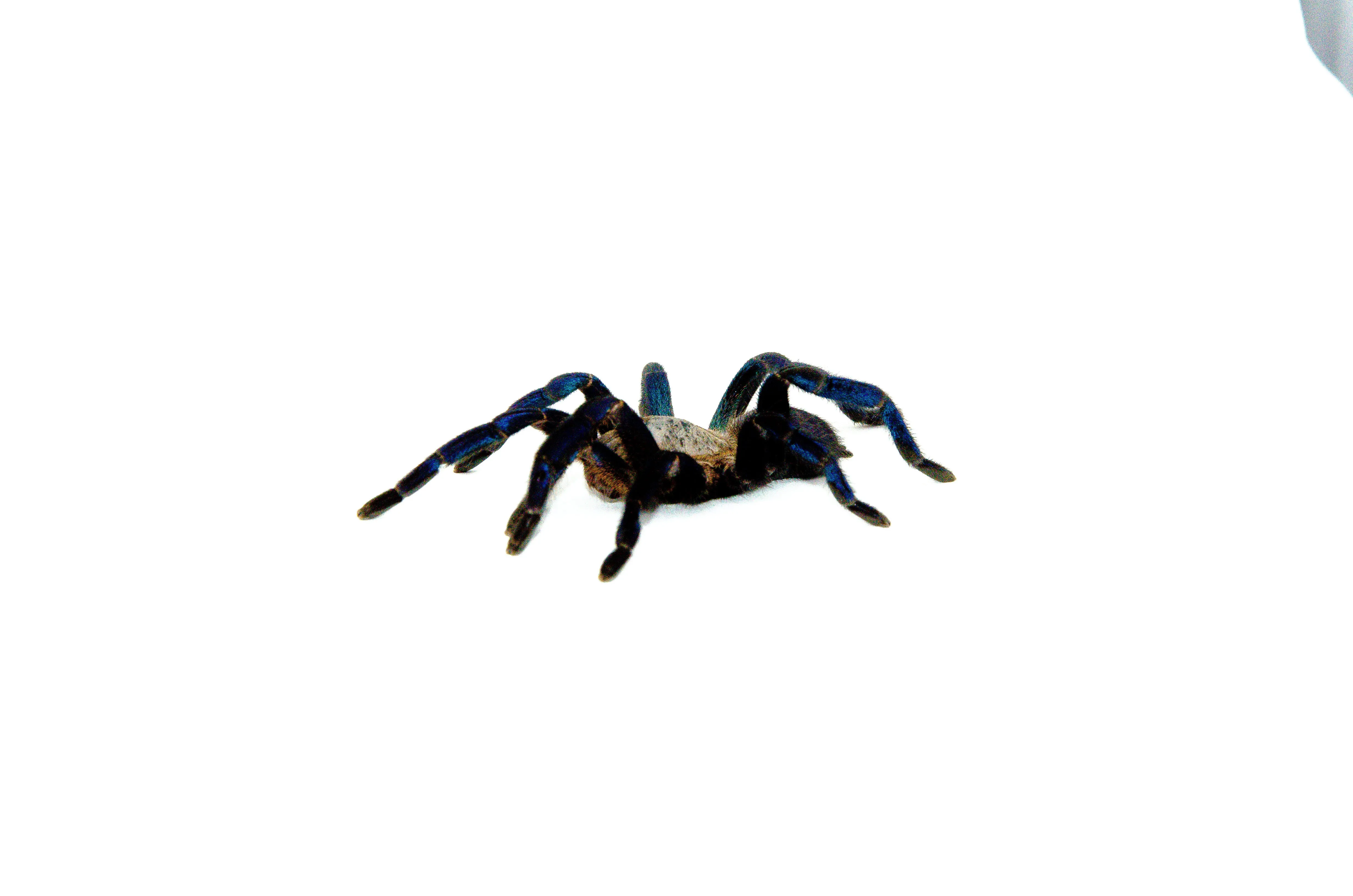
The most striking feature of the Cobalt Blue Tarantula is, of course, its vivid coloration. Slings, which are juvenile tarantulas, may not display their full blue color immediately, but the potential is there. As they grow, the metallic blue becomes more pronounced, especially on their legs and carapace. Beyond their color, these tarantulas have a relatively slender build compared to other species. This species, native to the tropical forests of Myanmar and Thailand, is known for its defensive behavior. It is a burrowing species, meaning that in the wild and captivity, they construct burrows. They are also fast growers, which adds to their appeal for many hobbyists. Understanding their natural behaviors provides important insights into their care requirements.
What Makes Cobalt Blue Tarantulas Unique

Beyond the eye-catching blue color, Cobalt Blue Tarantulas possess several unique traits that set them apart from other tarantula species. They are known for being fast and can deliver a defensive bite if they feel threatened, so cautious handling is necessary. Their temperament can vary from individual to individual, with some being more docile than others, but caution is always recommended. Unlike some other tarantulas that might spend more time out in the open, Cobalt Blues often prefer to retreat into their burrows. This behavior is natural, and creating a habitat that allows them to express this preference is essential. They are also relatively fast growers, reaching a substantial size in a relatively short period, which is a fascinating aspect of their life cycle for those who are observing them.
Ideal Habitat and Enclosure Setup for Cobalt Blue Tarantula Slings
Setting up the perfect enclosure for a Cobalt Blue Tarantula sling is crucial for its health and well-being. Because they are burrowers, the enclosure should have enough substrate for them to dig and create a burrow. A good rule of thumb is to provide at least twice the spider’s leg span in width and length, and the height should be sufficient to prevent escapes. Ventilation is essential to prevent the buildup of mold and maintain air quality. It’s also crucial to consider the environmental conditions of their natural habitat. A well-planned setup mimics their natural environment and provides the proper space for this species to thrive. You can use a clear enclosure to observe the spider easily.
Substrate and Environmental Conditions
The substrate, or bedding, is a critical element of the enclosure. A mix of substrate materials works best. Coco fiber is an excellent base because it retains moisture and allows burrowing. Peat moss and vermiculite can be mixed in to enhance the substrate’s ability to hold moisture. The substrate should be deep enough to allow the tarantula to burrow comfortably, ideally 4-6 inches deep for slings. The enclosure should be kept at a temperature between 75-85°F (24-29°C). Humidity should be maintained at 65-75%. This can be achieved by lightly misting the enclosure, ensuring it has ventilation to prevent mold. Avoid direct sunlight, as this can overheat the enclosure. A well-maintained habitat will minimize stress and allow your Cobalt Blue Tarantula to flourish.
Temperature and Humidity Requirements

Temperature and humidity are critical for Cobalt Blue Tarantula slings, because they come from tropical environments. The ideal temperature range is 75-85°F (24-29°C), which can be maintained using a heat mat or a small ceramic heat emitter. Position the heating device on the side of the enclosure to create a temperature gradient. Humidity should be kept at 65-75%. Use a hygrometer to monitor the humidity levels and mist the enclosure with dechlorinated water as needed to maintain these levels. Proper humidity promotes successful molting and overall health. Insufficient humidity can lead to molting problems. In addition to temperature and humidity, proper ventilation is essential to prevent the growth of mold and fungus. Regular monitoring of the enclosure’s conditions will help ensure your sling thrives.
Feeding and Diet of Cobalt Blue Tarantula Slings
Cobalt Blue Tarantula slings are voracious eaters, but their diet needs to be tailored to their size and growth stage. Providing the correct food and maintaining a regular feeding schedule is crucial. It is important to understand the specific nutritional requirements of these young tarantulas to ensure they develop healthily. The frequency and amount of feeding should be adjusted based on the sling’s size and molting schedule. Overfeeding can be as harmful as underfeeding, so it’s essential to observe your sling and adjust accordingly. A well-fed tarantula is more likely to grow properly, showing off that sought-after Cobalt Blue hue. Always remove uneaten food after 24 hours to prevent mold and maintain enclosure hygiene. Be mindful of the tarantula’s growth.
Choosing the Right Food
The diet of a Cobalt Blue Tarantula sling consists mainly of live insects. Pinhead crickets and small mealworms are ideal because they are easy to handle and the sling can eat them quickly. Fruit flies can be appropriate for very small slings. The insects should be gut-loaded (fed nutritious food) before being offered to the tarantula to ensure the spider gets the necessary nutrients. Avoid feeding insects that are too large, as this can stress the sling and potentially cause injury. It is always advisable to research the nutritional value of different insect species and vary the diet. Supplementing with commercial tarantula vitamins can also be considered, but this is typically not necessary if the sling is receiving a balanced diet. Variety in the diet can contribute to a healthier and more vibrant tarantula.
Feeding Frequency and Amounts

The feeding frequency for Cobalt Blue Tarantula slings depends on their size and growth rate. Typically, slings should be fed 2-3 times a week. The number of insects offered at each feeding should be adjusted based on how much the sling consumes. Offer one or two appropriately sized insects per feeding and observe how quickly the tarantula eats them. If the tarantula consistently refuses food, it may be about to molt, and you should reduce feeding. Adjust the feeding schedule as the tarantula grows. Avoid overfeeding, as this can lead to health issues. Always remove uneaten food within 24 hours to maintain a clean and healthy environment. A well-managed feeding routine contributes to the overall health and development of your Cobalt Blue Tarantula.
Handling and Safety Precautions for Cobalt Blue Tarantula Slings
Handling a Cobalt Blue Tarantula sling should be approached with extreme caution. These tarantulas are known for their defensive behavior and can bite if they feel threatened. Their venom is not usually life-threatening to humans, but the bite can be painful and cause localized symptoms. Prioritizing the tarantula’s safety and your own is paramount. In general, it’s best to avoid handling slings unless absolutely necessary, like when rehousing or cleaning their enclosure. If handling is unavoidable, it’s essential to understand the potential risks and take appropriate precautions. Even though slings are small, they can move quickly, and even a brief escape can result in difficulty finding the tarantula. Always supervise any handling.
Potential Risks of Handling
The primary risk associated with handling a Cobalt Blue Tarantula sling is the potential for being bitten. The bite itself can be painful, with symptoms ranging from localized pain and swelling to muscle cramps. Even though the venom is not typically considered medically significant, some individuals may have allergic reactions. The tarantula may also flick urticating hairs, which can cause skin irritation. Other risks include the possibility of the sling escaping, falling, or being accidentally injured. Therefore, it’s essential to be prepared for these potential hazards by minimizing handling and creating a safe environment. Avoid provoking the tarantula, as stress can increase the likelihood of defensive behavior. Proper planning is key to avoiding the risks associated with handling these tarantulas.
Safe Handling Techniques
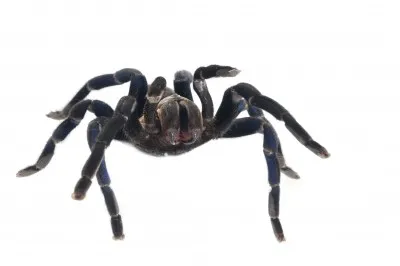
If handling is unavoidable, there are several techniques to minimize risks. Always handle the tarantula near a soft surface, like a bed or a table covered with a towel, to prevent injury if it falls. Use a clear container or a wide, soft brush to gently encourage the tarantula to move. Never grab or force the tarantula; instead, try to coax it. Always wash your hands thoroughly before and after handling. Avoid handling the tarantula if you are nervous, stressed, or have recently used hand creams, as these can agitate the tarantula. Remain calm and move slowly and deliberately. If the tarantula shows signs of stress, such as raising its front legs or flicking hairs, immediately cease handling. Always be mindful of the tarantula’s behavior and respect its boundaries.
Where to Buy Cobalt Blue Tarantula Slings
Finding Cobalt Blue Tarantula slings for sale can be exciting. It’s crucial to locate a reputable source to ensure the tarantula is healthy and ethically sourced. Online retailers specializing in exotic pets and local reptile expos are common places to find these slings. However, doing your research is vital. Look for breeders with good reviews and a reputation for quality. Ensure that they provide information about the tarantula’s origin, age, and feeding habits. Be wary of suppliers who offer tarantulas at suspiciously low prices, as this may indicate poor care practices. Also, consider the shipping conditions, making sure that the seller uses proper packaging to protect the sling during transit. Careful consideration and a bit of research can help you find a trustworthy vendor. Ensure the health of the sling before purchasing.
Finding Reputable Breeders and Suppliers
Identifying reputable breeders and suppliers is a key step in purchasing a healthy Cobalt Blue Tarantula sling. Start by looking for online forums and communities dedicated to tarantulas. Members often share their experiences with different breeders, providing valuable insights into their reliability and care practices. Check for breeders with a good reputation and positive reviews. Reputable breeders will often have detailed websites or social media profiles showcasing their operations, providing information about their breeding practices, and offering guarantees of the health of their animals. Avoid sellers who seem unwilling to answer your questions or provide detailed information. Don’t hesitate to ask for photos or videos of the sling and its enclosure. Choosing a reputable source will increase your chances of acquiring a healthy and thriving Cobalt Blue Tarantula sling.
What to Expect When Purchasing a Cobalt Blue Tarantula Sling

When you purchase a Cobalt Blue Tarantula sling, you should be prepared for the responsibility that comes with owning an exotic pet. Expect to receive a small tarantula, typically around 0.5-1 inch in size. The sling may not show its full blue coloration immediately. The breeder should provide you with information on its age, feeding habits, and molting history. Be prepared to set up the appropriate enclosure before the sling arrives. The seller should provide some care instructions and support, but remember that the long-term care responsibility is yours. You may need to acclimate the sling to its new environment gradually and monitor it closely for the first few days. Be patient and observant; a Cobalt Blue Tarantula sling requires dedication and informed care. Having the right knowledge and setup from the start will maximize your chance of success.