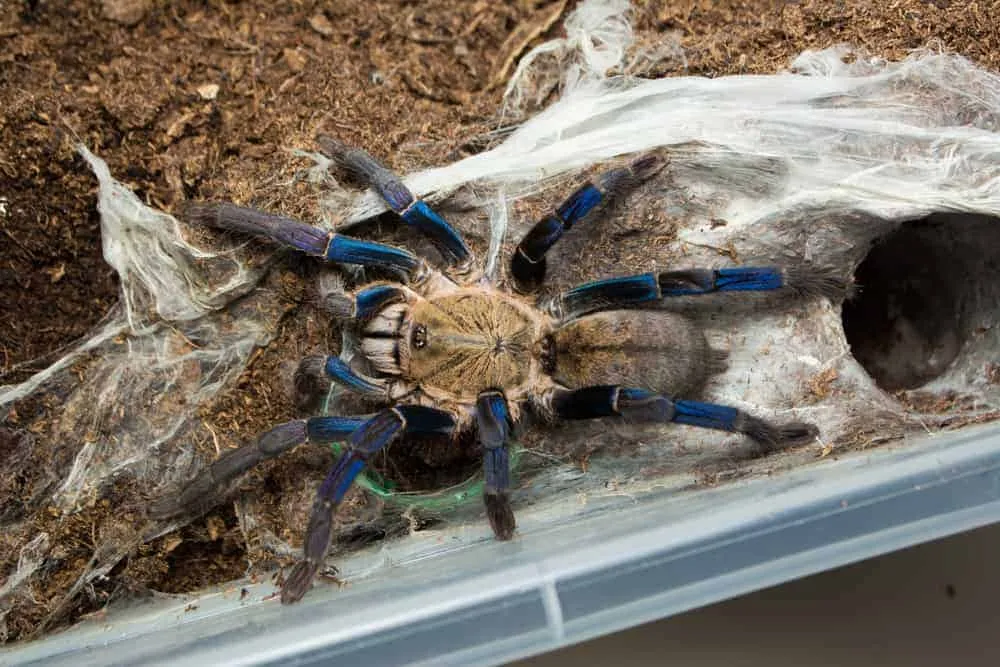
The Cobalt Blue Tarantula’s Diet What You Need to Know
The Cobalt Blue Tarantula (Cyaneopubescens) is a striking species, admired for its vibrant blue coloration. Their care, particularly their diet, is crucial for their health and longevity. Understanding what these fascinating creatures eat is essential for any tarantula enthusiast. This guide provides the top 5 facts about the Cobalt Blue Tarantula’s diet, ensuring your pet thrives. Feeding your Cobalt Blue tarantula is a straightforward process, but attention to detail is important. This article will help you to understand the best food for your Cobalt Blue Tarantula and to create a healthy meal plan for your pet, ensuring its well-being and vibrant life.
Fact 1 Crickets Are a Staple
Crickets are often the cornerstone of a Cobalt Blue Tarantula’s diet. They are readily available, easy to obtain, and a good source of protein. Crickets offer a balanced nutritional profile that supports the tarantula’s growth and overall health. It is essential to provide appropriately sized crickets that are smaller than the tarantula’s body to prevent any risk of the tarantula getting injured. Regularly feeding your Cobalt Blue with crickets ensures they receive the necessary nutrients to thrive in their habitat. This keeps them active and helps them stay healthy. Before feeding, consider gut-loading the crickets with nutritious food to increase their nutritional value.
The nutritional benefits of crickets

Crickets are rich in protein, which is vital for tarantulas to grow and maintain muscle mass. They also contain chitin, a fiber that aids in digestion. Vitamins and minerals found in crickets, such as calcium, are crucial for the exoskeleton’s health. Regular intake of these nutrients contributes to the tarantula’s overall health and vigor. The nutritional composition of crickets makes them a good choice for feeding tarantulas. Moreover, crickets are a convenient and readily available food source, making them a popular choice for tarantula keepers.
How often to feed crickets
The frequency of feeding depends on the tarantula’s age and size. Young tarantulas, or spiderlings, should be fed more often, typically every other day. As they grow, you can reduce the frequency to once or twice a week for adults. Always remove any uneaten crickets within 24 hours to avoid stressing the tarantula and prevent potential harm. Monitor your tarantula’s abdomen; a plump abdomen indicates adequate feeding, while a shrunken one may indicate underfeeding. Adjust your feeding schedule based on your tarantula’s needs and behavior.
Fact 2 Cockroaches as a Great Alternative
Cockroaches provide an excellent alternative or addition to crickets in your Cobalt Blue Tarantula’s diet. They offer a slightly different nutritional profile, enriching the variety in the tarantula’s meals. Dubia roaches, in particular, are a popular choice because they are relatively easy to breed and handle. Cockroaches, like crickets, must be appropriately sized for the tarantula to safely consume them. They are a good source of protein, making them an excellent choice to feed your tarantula.
Cockroaches nutritional value
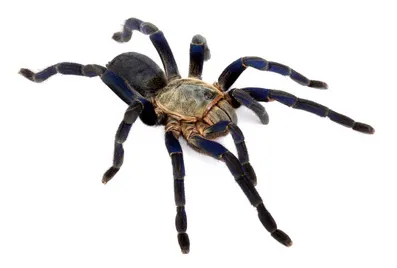
Cockroaches are packed with essential nutrients that support your tarantula’s growth and health. They often contain higher protein levels compared to crickets and a different amino acid profile, which provides a well-rounded diet. The chitin content in cockroaches also helps promote healthy digestion in tarantulas. When choosing cockroaches, consider the species; some, such as Dubia roaches, are easier to breed and handle, making them a convenient choice for tarantula keepers.
Cockroaches as a dietary option
Offering cockroaches in your tarantula’s diet offers a dietary balance. You can rotate between cockroaches and crickets to ensure your tarantula receives a variety of nutrients. This rotation also helps prevent the tarantula from becoming bored with its food. Always ensure the cockroaches are gut-loaded with nutritious food before feeding them to your tarantula. This gut-loading process increases the nutritional content of the roaches, benefiting your Cobalt Blue Tarantula. The availability of cockroaches makes them a great alternative to crickets.
Fact 3 Mealworms and Their Role
Mealworms can be a part of your Cobalt Blue Tarantula’s diet, but they should be used sparingly. Mealworms have a higher fat content compared to crickets and cockroaches, so they are best offered as an occasional treat rather than a staple. Overfeeding mealworms can lead to obesity and health issues. They are easier to obtain than other insects, making them an option. Ensure you remove any uneaten mealworms to maintain a clean terrarium environment.
Nutritional composition of mealworms

Mealworms are a decent source of protein, but they are also high in fat. While this can provide energy, excessive fat intake can be detrimental to the tarantula’s health. They contain some essential nutrients, but their overall nutritional profile isn’t as balanced as crickets or cockroaches. Consider mealworms as a supplementary food rather than a primary diet component. They are a great option for tarantula keepers, but should be used sparingly.
Mealworms as a treat
Use mealworms as an occasional treat to add variety to the Cobalt Blue Tarantula’s diet. They can be offered once every few weeks, or even less frequently, depending on the individual tarantula. Observe your tarantula’s condition; if it appears overweight, reduce the frequency of mealworms. Mealworms are often a favorite snack of tarantulas. They help keep your tarantula engaged. Mealworms can be a great treat, but should be given in moderation.
Fact 4 Variety in the Diet
Offering a variety of insects is crucial for ensuring your Cobalt Blue Tarantula receives a balanced diet. Relying on a single food source can lead to nutritional deficiencies. By providing different insects, you ensure your tarantula gets a range of nutrients and maintains better health. Regularly change the insects in your pet’s diet to ensure it gets the nutrients it needs. Providing a diverse diet keeps your tarantula engaged and prevents boredom.
Importance of a balanced diet
A balanced diet provides all the essential nutrients your tarantula needs to thrive. Different insects have varying nutritional profiles; thus, a mix ensures all bases are covered. A balanced diet helps support growth, molting, and overall health. It also boosts the immune system, making your tarantula more resistant to diseases. This ensures that your pet remains healthy and happy. The variety of insects help keep the tarantula from getting bored.
Other insects that can be included
Besides crickets, cockroaches, and mealworms, you can occasionally offer other insects, such as superworms and waxworms, in moderation. These can be a treat but have higher fat content, so use them sparingly. Always ensure that the insects you feed are pesticide-free and come from a reputable source. Diversity in the diet keeps the tarantula from getting bored. This variety helps the tarantula get the nutrients it needs.
Fact 5 Water and Dietary Considerations
Providing fresh water is just as important as a balanced diet. Cobalt Blue Tarantulas need a constant supply of water to stay hydrated and to aid in their digestion. Water also plays a crucial role in the molting process. Make sure you have a shallow water dish in the terrarium, filled with clean water at all times. Regularly check and refill the dish to ensure the water is fresh. In addition to water, considering dietary considerations is crucial.
Importance of hydration

Proper hydration is essential for Cobalt Blue Tarantulas. Dehydration can lead to health problems and difficulties with molting. A constant supply of fresh water supports the tarantula’s overall well-being. The water dish should be shallow enough to prevent drowning but accessible for drinking. Make sure to regularly replace the water to prevent bacterial growth and keep the terrarium environment healthy. Adequate hydration helps the tarantula maintain its health.
Dietary considerations
Consider the size and age of your tarantula when planning its diet. Young tarantulas need smaller, more frequent meals, while adults require fewer feedings. Always remove uneaten food to avoid stressing the tarantula and to maintain a clean terrarium. Ensure the insects are from a reliable source and free from pesticides. Observe your tarantula’s condition to adjust the feeding schedule as needed. By paying attention to these details, you can ensure your tarantula remains healthy and lives a long, vibrant life.
Conclusion Ensuring a Healthy Cobalt Blue
Understanding the diet of your Cobalt Blue Tarantula is fundamental to its care. By providing a varied diet that includes crickets, cockroaches, and occasional treats like mealworms, alongside a constant supply of fresh water, you can ensure your tarantula thrives. Regularly monitor your tarantula’s eating habits and adjust the feeding schedule as needed. Following these guidelines helps maintain a vibrant and healthy Cobalt Blue Tarantula. This will ensure that you can enjoy your Cobalt Blue Tarantula for many years to come. This care will help your pet stay healthy and happy.