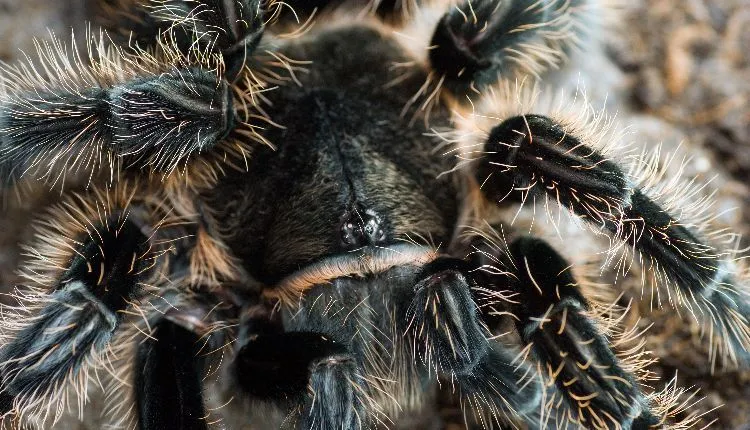
Setting up a proper cage is crucial for the health and well-being of your curly hair tarantula (Tliltocatl albopilosus). This guide provides a comprehensive, step-by-step approach to creating the perfect habitat, ensuring your tarantula thrives. From choosing the right enclosure to maintaining optimal conditions, we’ll cover everything you need to know to provide your eight-legged friend with a comfortable and safe home. Following these guidelines will not only improve your tarantula’s lifespan but also make it a more enjoyable pet to observe and care for. Let’s dive into creating an ideal environment for your curly hair tarantula.
Choosing the Right Curly Hair Tarantula Cage
The first step in setting up a successful curly hair tarantula cage is selecting an appropriate enclosure. The size, ventilation, and material of the cage significantly impact the tarantula’s environment. Choosing the right cage ensures that your tarantula has enough space to move around, the proper ventilation to breathe, and a secure environment to live in. A well-chosen cage not only provides comfort but also contributes to the ease of maintenance and overall health of your pet. Make an informed decision to create an environment where your tarantula can flourish.
Size Matters Determining Cage Dimensions
The size of the cage should be proportionate to the size of your tarantula. For a juvenile curly hair tarantula, a 5-gallon tank or a container of similar dimensions is typically adequate. As the tarantula grows, you’ll need to upgrade to a larger enclosure. A good rule of thumb is to provide a cage that is at least three times the tarantula’s leg span in width and length, and at least twice its leg span in height. This gives your tarantula enough space to move around, burrow, and feel secure. Remember, too much space can sometimes make a young tarantula feel exposed, while too little can hinder its natural behaviors.
Ventilation Importance for Your Tarantula

Proper ventilation is essential to prevent the buildup of harmful bacteria and maintain the correct humidity levels inside the cage. Tarantulas need fresh air to breathe, and good ventilation helps to avoid mold and mildew growth, which can be detrimental to their health. Ensure the cage has ventilation holes or a screen top. Avoid cages with poor airflow. Ensure ventilation is sufficient but doesn’t dry out the cage too quickly. A balance is needed to maintain the ideal humidity and air quality within the enclosure. This balance contributes to the tarantula’s well-being and longevity.
Types of Cages Glass vs. Acrylic
Both glass and acrylic cages have their pros and cons. Glass cages are generally more durable, easier to clean, and retain heat well. However, they can be heavier and more prone to cracking if dropped. Acrylic cages are lightweight, provide excellent visibility, and are less likely to break. They are also better insulators. Acrylic is more prone to scratching. The choice between glass and acrylic often comes down to personal preference and budget. Consider the long-term maintenance, durability, and aesthetics when making your decision. Both materials can offer a suitable environment when properly set up and maintained.
Essential Substrate for a Curly Hair Tarantula
The substrate is the foundation of your tarantula’s habitat, providing a comfortable surface for walking, burrowing, and maintaining humidity. The right substrate not only enhances the aesthetic appeal of the cage but also plays a crucial role in the tarantula’s health. Selecting appropriate substrate materials is key to ensuring your pet’s safety and well-being. Choosing the right substrate helps maintain the proper humidity levels, which is essential for the tarantula’s molting process and overall health. The substrate also allows the tarantula to exhibit natural behaviors, such as burrowing and hiding.
Optimal Substrate Mix for Burrowing

A good substrate mix for curly hair tarantulas typically includes a combination of materials that allow for burrowing while retaining some moisture. A popular and effective mix includes a blend of peat moss, coconut fiber (coir), and a small amount of vermiculite or sphagnum moss. These components create a substrate that holds moisture without becoming waterlogged, allowing your tarantula to dig burrows and feel secure. Avoid substrates that are too dusty or can cause respiratory problems. The ideal mix is one that mimics the natural environment of the curly hair tarantula, promoting its comfort and health.
Maintaining Humidity Levels
Curly hair tarantulas thrive in a moderate humidity environment. Aim for a humidity level between 60-70%. You can achieve this by regularly misting the substrate with dechlorinated water, especially around the corners of the enclosure. Proper ventilation is essential to prevent excessive humidity and mold growth. Use a hygrometer to monitor humidity levels accurately. If the humidity is too low, increase misting frequency and cover a portion of the screen top. If the humidity is too high, improve ventilation by adjusting the cage lid or increasing airflow in the room. Correct humidity levels are crucial for successful molting and overall health.
Substrate Depth and its Significance
The depth of the substrate should be sufficient to allow your tarantula to burrow comfortably. A depth of 4-6 inches is usually adequate for a juvenile or adult curly hair tarantula. The depth of the substrate gives the tarantula the ability to create a secure burrow where it can hide, molt, and feel safe. This depth also helps to maintain humidity levels by retaining moisture. Regularly check the substrate to ensure it remains clean and not overly compacted. Replace the substrate entirely every few months to prevent the buildup of waste and potential health issues. Ensure the substrate is safe and free of any sharp objects that could harm your tarantula.
Decorating Your Curly Hair Tarantula Cage

Adding decorations to your curly hair tarantula’s cage isn’t just about aesthetics; it provides enrichment and simulates the tarantula’s natural habitat. These decorations offer your tarantula places to hide, explore, and feel secure. The right decorations not only enhance the aesthetic appeal of the enclosure but also significantly contribute to the overall well-being of the tarantula, creating a more stimulating and natural environment. Provide elements that mimic the tarantula’s natural environment, providing a sense of security. Safe and appropriate decorations create a more enriching and enjoyable living space.
Providing Hides and Shelters
Hides and shelters are essential for your curly hair tarantula. These structures provide a safe space where the tarantula can retreat when it feels stressed, during molting, or simply to rest. Use items such as cork bark, half-logs, or commercially available tarantula hides. Ensure the hide is appropriately sized; it should allow the tarantula to fit comfortably without being too large or too small. Position the hide in a way that allows the tarantula to easily access and feel secure within it. The presence of a hide reduces stress and promotes natural behaviors, contributing to a healthier and happier tarantula.
Adding Live Plants vs. Artificial
Both live and artificial plants can be used to decorate your tarantula’s cage. Live plants can help to maintain humidity and provide a more naturalistic environment. However, they require proper lighting, soil, and care. Choose non-toxic, hardy plants such as snake plants or pothos, which can thrive in a low-light environment. Artificial plants are low-maintenance and can also enhance the aesthetics of the cage. Opt for high-quality, reptile-safe plants that are easy to clean. Regardless of the type of plant, ensure that it is securely placed within the enclosure and does not pose a hazard to your tarantula. Carefully consider your maintenance capacity and the specific needs of your tarantula when selecting plants.
Importance of Water Dish and Placement

A shallow water dish is a necessity in your curly hair tarantula’s cage. It provides a source of fresh water, which is crucial for hydration. The dish should be shallow enough to prevent the tarantula from drowning, and it should be placed in an accessible location within the enclosure. Use a dish that is stable and easy to clean. Regularly refill the water dish with fresh, dechlorinated water. The placement of the water dish should be easily accessible to the tarantula without obstructing its movement or burrowing behavior. The water dish must always be available for the tarantula to drink and stay hydrated.
Temperature and Heating for a Curly Hair Tarantula Cage
Maintaining the correct temperature range is vital for the health and well-being of your curly hair tarantula. These tarantulas are ectothermic, meaning they rely on external heat sources to regulate their body temperature. Providing an environment that meets their specific thermal needs is essential for optimal growth, molting, and overall health. A properly heated enclosure ensures your tarantula can metabolize its food effectively and maintain its activity levels. The proper temperature range promotes healthy development and contributes to your tarantula’s well-being, mimicking their natural environment.
Ideal Temperature Range
The ideal temperature range for a curly hair tarantula is between 75-85°F (24-29°C). The ambient room temperature may be sufficient in some climates, but in many cases, supplemental heating is required. Avoid placing the cage in direct sunlight, as this can cause overheating. Consistent temperature is key, so monitor the environment and adjust the heating accordingly. Ensure there is a slight temperature gradient within the cage, allowing the tarantula to regulate its body temperature by moving to warmer or cooler areas. Careful temperature control within the recommended range is key for ensuring your tarantula’s health and activity.
Heating Methods Under-Tank vs. Ceramic Heat Emitters

There are several ways to heat your tarantula’s cage. Under-tank heaters (UTHs) can be placed under the enclosure, providing a gentle, consistent heat source. Be careful to avoid overheating. Ceramic heat emitters (CHEs) are another option; they provide heat without light and can be placed above the enclosure. Both methods should be used with a thermostat to regulate the temperature and prevent overheating. Avoid using heat rocks, as these can cause burns. Choose the heating method that best suits your setup and needs, always prioritizing safety and consistent temperature regulation. A thermostat is a critical safety feature.
Monitoring Temperature
Regular monitoring of the temperature is critical to ensure your tarantula’s comfort and safety. Use a reliable thermometer to measure the temperature within the cage. Place the thermometer in a location that accurately reflects the ambient temperature. Keep a close eye on the temperature, especially during colder months. If the temperature falls below the recommended range, adjust the heating method. If the temperature rises above the recommended range, provide more ventilation or adjust the heat source. Consistent monitoring ensures the proper thermal environment for your tarantula, which is vital for its health and well-being.
Feeding and Maintenance in Your Curly Hair Tarantula Cage
Providing the right food and maintaining the cleanliness of the cage are essential components of caring for a curly hair tarantula. A proper diet supplies the necessary nutrients, while regular cleaning and maintenance help prevent health issues and maintain a suitable living environment. These practices contribute to your tarantula’s longevity and overall health. Consistent feeding, coupled with routine cage maintenance, creates an environment where your tarantula can thrive.
Feeding Frequency and Prey Size

The feeding frequency and prey size should be adjusted based on the tarantula’s age and size. Juvenile tarantulas should be fed more frequently, usually 2-3 times per week, while adults can be fed once a week or every other week. The size of the prey should be proportionate to the tarantula’s size; the prey should be no larger than the tarantula’s body. Crickets, mealworms, and roaches are popular choices. Remove uneaten prey within 24 hours to prevent stress and potential harm to the tarantula. Always provide fresh, clean water. Overfeeding can lead to health issues. Feeding your tarantula correctly is essential for its development.
Cleaning and Maintenance Schedule
Regular cleaning is crucial for maintaining a healthy environment. Spot-clean the cage weekly by removing any uneaten food and waste. Replace the water in the water dish regularly. Depending on the substrate, a full substrate change should be performed every few months. During substrate changes, thoroughly clean and disinfect the enclosure. Avoid using harsh chemicals or cleaners that could harm your tarantula. Consistent cleaning and maintenance are crucial for preventing health problems and ensuring your tarantula’s well-being. Keeping the cage clean enhances the overall health of the tarantula.
Dealing with Molting and Post-Molting Care
Molting is a natural process in which tarantulas shed their exoskeleton to grow. During molting, your tarantula may appear lethargic and refuse food. Provide a humid environment to assist with the molting process. Avoid disturbing your tarantula during this time. After molting, the tarantula will be vulnerable, with soft new exoskeletons. Do not feed your tarantula for a few days after molting to allow its fangs to harden. Once the fangs are hardened, offer prey. Watch for any issues like stuck molts, requiring immediate attention. Recognizing and properly handling molting is essential for maintaining a healthy pet.
Common Problems and Solutions

While curly hair tarantulas are relatively easy to care for, various problems can arise. Knowing how to identify and address these issues is critical for maintaining the health and well-being of your tarantula. From infestations to escape prevention, being prepared to respond to common issues ensures the tarantula thrives. Early detection and proactive measures can minimize risks. Regular monitoring and attentive care significantly reduce the possibility of problems. Always be prepared to address the various health and safety concerns that can arise during tarantula ownership.
Mite Infestations Prevention and Treatment
Mite infestations can be a common problem. These tiny parasites feed on the tarantula and can cause irritation and stress. Prevention is key; ensure the substrate and any decorations are clean and sourced from a reputable supplier. Regularly inspect your tarantula and its enclosure for signs of mites. If an infestation is detected, remove the tarantula from the enclosure and thoroughly clean and disinfect it. Replace the substrate, and consider quarantining the tarantula while you monitor its health. Insecticides should be used with extreme caution; consult an expert before using any chemical treatment. Maintaining a clean and well-maintained environment minimizes the chance of infestations.
Molds and Fungi
Mold and fungal growth can occur in enclosures with too much humidity or poor ventilation. These can lead to respiratory problems and other health issues. Prevent mold and fungi by maintaining the correct humidity levels and ensuring good ventilation. Regularly inspect the substrate and decorations for signs of mold. If mold is detected, remove the affected areas and improve ventilation. In severe cases, you may need to replace the substrate entirely and disinfect the enclosure. Reducing humidity and improving airflow is crucial for the health and safety of your tarantula. A well-ventilated and managed enclosure prevents harmful growth.
Preventing Escape
Tarantulas are skilled escape artists, so securing the enclosure is essential. Ensure the lid fits tightly and is properly secured. Avoid leaving any gaps or openings. Regularly inspect the enclosure to ensure it is escape-proof. Consider using a locking mechanism, especially if you have children or other pets. Place the enclosure in a secure location where it cannot be easily knocked over. If your tarantula does escape, remain calm and search thoroughly. Close off rooms and search carefully, as they can hide in small spaces. Preventing escape ensures the safety of both the tarantula and your household.
Setting up a proper cage for your curly hair tarantula involves careful consideration of various factors. By following the guidelines outlined in this how-to guide, you can create an ideal environment. Remember, consistent monitoring and attentive care contribute to the long-term well-being of your tarantula. Creating a safe and comfortable habitat is key to enjoying a long and fulfilling relationship with your fascinating pet. Provide a suitable habitat and a healthy diet; you are providing the basis for a happy, long-lived pet. With the correct setup and care, your curly hair tarantula will thrive, bringing you years of enjoyment.