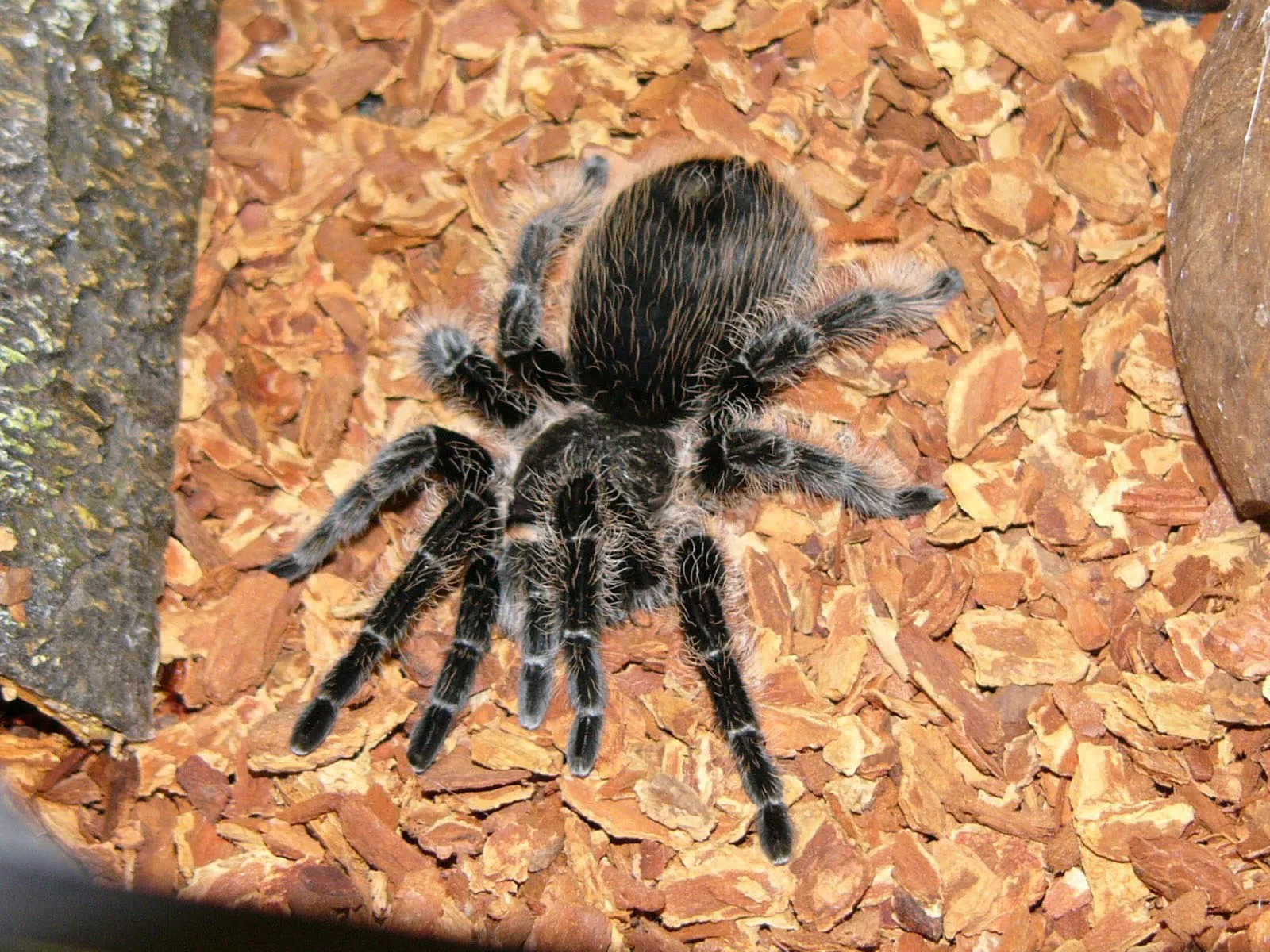
What is a Curly Hair Tarantula?
The Curly Hair Tarantula (Tliltocatl albopilosus), a popular choice among tarantula enthusiasts, hails from the tropical rainforests of Costa Rica. Known for their docile temperament and distinctive appearance, these spiders are relatively easy to care for, making them an excellent option for beginner tarantula keepers. They are named for their unique, curly hairs that give them a fuzzy appearance. These hairs, which are actually urticating hairs, serve as a defense mechanism against predators. This comprehensive guide provides everything you need to know about caring for these fascinating creatures, ensuring a healthy and happy life for your pet. From setting up their habitat to understanding their dietary needs, we will cover all the essential aspects of Curly Hair Tarantula care.
Appearance and Characteristics
The Curly Hair Tarantula is easily recognizable by its striking appearance. Adults typically range from 5 to 6 inches in leg span, and their bodies are covered in a dense coat of dark brown hairs. The namesake “curly” hairs are a lighter, golden-brown color, giving them a unique, fluffy look, especially after molting. These spiders have a generally calm demeanor, which adds to their appeal as pets. Their relatively slow movements also make them less intimidating compared to some other tarantula species. Their longevity is another attractive feature, with females capable of living for up to 15 years or more, while males typically live for 3-5 years.
Habitat and Natural Environment
Understanding the natural environment of the Curly Hair Tarantula is essential for providing proper care. In their native habitat of Costa Rica, they live in burrows and crevices within the rainforest floor. The climate in these regions is typically warm and humid, with temperatures ranging from 75 to 85 degrees Fahrenheit. These tarantulas are terrestrial, meaning they spend most of their time on the ground. They are opportunistic hunters, feeding on insects and other small invertebrates. Replicating these conditions in captivity is key to ensuring your tarantula’s well-being. Mimicking their natural environment promotes natural behaviors and reduces stress, leading to a healthier and happier pet.
Creating the Perfect Habitat
Setting up a suitable habitat is the most important step in caring for your Curly Hair Tarantula. The enclosure should be appropriately sized to accommodate the tarantula’s size, allowing it to move around comfortably. A 10-gallon tank is usually sufficient for juveniles, while adults will need a larger enclosure, such as a 20-gallon long tank. The enclosure should be well-ventilated but also able to retain humidity. Make sure the enclosure is escape-proof, as tarantulas are skilled climbers. The right substrate, temperature, and humidity levels are all crucial components of a successful habitat.
Choosing the Right Enclosure
When selecting an enclosure, prioritize safety, ventilation, and accessibility. Glass or acrylic tanks are the most common choices. Ensure the lid is secure and has adequate ventilation holes to prevent the buildup of excess moisture and ammonia. A front-opening enclosure can make feeding and maintenance easier. Avoid enclosures with rough or easily climbable surfaces if you are not using a lid, as this could increase the risk of escape. The enclosure should be placed in a location that is away from direct sunlight and drafts. This helps maintain stable temperature and humidity levels, essential for the tarantula’s health. Choose a spot where you can easily observe and interact with your pet.
Substrate and Furnishings

The substrate, or bedding, plays a crucial role in maintaining humidity and providing a natural environment. A good substrate for Curly Hair Tarantulas includes a mix of coconut fiber, peat moss, and a small amount of vermiculite. These materials help retain moisture while allowing for proper drainage. The substrate should be deep enough (3-5 inches) to allow the tarantula to burrow if it chooses. Adding a hide, such as a piece of cork bark or a hollow log, provides a secure retreat for the tarantula, reducing stress. Other furnishings could include artificial plants and branches for added visual appeal and enrichment. Always make sure all the furnishings are clean and non-toxic, as the tarantula may come into contact with them.
Temperature and Humidity
Maintaining the correct temperature and humidity levels is critical for the Curly Hair Tarantula’s health. The ideal temperature range is between 75 and 85 degrees Fahrenheit. You can use a heat mat or a low-wattage heat lamp to maintain this temperature. It is important to place the heat source on the side of the enclosure, never directly under the tank, to prevent overheating. Humidity levels should be kept between 65% and 75%. You can monitor humidity using a hygrometer. To increase humidity, mist the enclosure lightly with water every few days, or provide a shallow water dish that the tarantula can drink from and which contributes to the humidity. Ensure proper ventilation to prevent mold growth.
Feeding Your Curly Hair Tarantula
Feeding your Curly Hair Tarantula is a straightforward process. These tarantulas are voracious eaters, and their diet primarily consists of insects. The key to a healthy diet is variety and ensuring the prey is appropriately sized. Overfeeding can lead to obesity, so it’s crucial to monitor how much your tarantula eats and adjust the feeding schedule as needed. Providing the right food and frequency will keep your tarantula thriving. Always remove any uneaten prey after 24 hours to prevent stress for the tarantula and to maintain a clean habitat.
What to Feed Your Tarantula

The best foods for Curly Hair Tarantulas include a variety of insects. Crickets are a staple, along with mealworms, roaches (such as Dubia roaches), and even occasional waxworms or superworms as treats. It is important to vary the diet to provide a range of nutrients. Gut-load the insects before feeding them to your tarantula. Gut-loading involves feeding the insects nutritious foods, such as fruits, vegetables, and commercial insect food, which enriches their nutritional value. Always ensure that the insects you feed your tarantula are free from pesticides and are from a reliable source. Avoid feeding wild-caught insects, as they may carry parasites or diseases.
Feeding Frequency and Portion Size
The feeding frequency for Curly Hair Tarantulas depends on their age and size. Spiderlings (young tarantulas) should be fed 2-3 times per week. Sub-adults can be fed once or twice a week, while adults typically require feeding once a week or every other week. The portion size should be adjusted based on the tarantula’s size and appetite. As a general rule, offer prey items that are no larger than the tarantula’s body. Overfeeding can lead to health problems, so it is better to slightly underfeed than to overfeed. Always observe your tarantula’s behavior and body condition to adjust the feeding schedule accordingly. A tarantula that is too plump may be overfed.
Watering and Hydration
Providing fresh water is essential for your Curly Hair Tarantula’s health. A shallow water dish should always be available. The dish should be small enough to prevent the tarantula from falling in and drowning, but large enough for it to easily drink from. Replace the water every few days to keep it fresh and prevent the growth of bacteria. You can also mist the enclosure lightly with water every few days, especially if the humidity drops below the recommended level. Make sure the misting doesn’t saturate the substrate, which could lead to mold. Water is vital for the tarantula’s molting process, as it helps them shed their exoskeleton properly.
Handling and Interaction

Curly Hair Tarantulas are generally known for their docile nature, but handling should still be approached with caution. Overhandling can stress the tarantula and increase the risk of bites or the release of urticating hairs. Handling should be limited and only undertaken when necessary, such as for enclosure maintenance or health checks. Observe the tarantula’s behavior before attempting to handle it. A stressed tarantula may exhibit defensive postures, such as raising its front legs or flicking urticating hairs. If the tarantula appears stressed, it is best to avoid handling. Safe handling requires knowledge of the tarantula’s body language and defensive mechanisms.
Handling Safety
When handling a Curly Hair Tarantula, always handle it close to the ground to prevent falls, which could seriously injure the spider. Wash your hands thoroughly before and after handling to remove any scents that could potentially irritate the tarantula. Be gentle and avoid sudden movements, which might startle the tarantula. If the tarantula starts to flick hairs or show signs of stress, gently place it back in its enclosure and allow it to calm down. Never force a tarantula to be handled. Regular and careful handling can help build trust, but it is not a requirement for a happy and healthy tarantula. Always prioritize the tarantula’s well-being.
Recognizing and Handling a Defensive Tarantula
It’s essential to recognize signs of stress in your Curly Hair Tarantula. These spiders have several defensive behaviors. One common defense is the flicking of urticating hairs from their abdomen. These hairs can cause skin irritation and, if inhaled, can cause respiratory issues. Another sign of stress is the tarantula raising its front legs in a threat posture. If your tarantula exhibits these behaviors, it’s best to leave it alone. A bite from a Curly Hair Tarantula is generally not medically significant, but it can be painful. If bitten, clean the wound thoroughly with soap and water. Avoid touching your eyes or face after handling a tarantula. If you experience a reaction, seek medical advice.
Common Health Issues and Preventative Care

Curly Hair Tarantulas are generally hardy creatures, but they can be susceptible to certain health issues. Proper preventative care is essential. Keeping the enclosure clean is crucial to preventing the growth of mold and bacteria, which can be harmful to your tarantula. Regularly remove any uneaten food and clean the enclosure as needed. Make sure to maintain the proper temperature and humidity levels to prevent health problems. Regularly inspect your tarantula for any signs of illness or injury. If you notice any unusual behavior, such as loss of appetite, lethargy, or physical abnormalities, consult a veterinarian specializing in exotic pets. Early detection and intervention can prevent minor issues from becoming serious.
Shedding and Molting
Molting is a natural process in which tarantulas shed their exoskeleton to grow. Young tarantulas molt more frequently than adults. Before molting, the tarantula may stop eating and become less active. It might also flip onto its back. Do not disturb the tarantula during the molting process. Once the molt is complete, the tarantula will be very vulnerable, so avoid handling it. The new exoskeleton will harden over the next few days, and the tarantula will resume its normal activities. Ensure proper humidity levels, as this facilitates the molting process. The discarded exoskeleton is a valuable indicator of the tarantula’s health; examine it for any signs of mites or other parasites.
Parasites and Diseases
Curly Hair Tarantulas are susceptible to certain parasites and diseases. Mites are one of the most common parasites. They are tiny, often reddish-brown, and can be found on the tarantula’s body or in the enclosure. Prevent mite infestations by keeping the enclosure clean and by quarantining new tarantulas. If mites are present, you can treat the enclosure and the tarantula with a mite-specific treatment. Fungal infections can occur in enclosures with high humidity and poor ventilation. Ensure the enclosure is well-ventilated to prevent fungal growth. If you suspect a fungal infection, consult a veterinarian for treatment. Prompt treatment is essential to prevent the spread of parasites or diseases and to maintain the health of your tarantula.
Breeding Curly Hair Tarantulas
Breeding Curly Hair Tarantulas can be a rewarding experience, but it requires knowledge and careful preparation. The first step is to ensure that you have a mature male and female tarantula. Male tarantulas typically have a shorter lifespan than females and have specialized structures on their pedipalps (small appendages near their mouths) used for mating. The female will typically be larger, and breeding typically occurs a few weeks or months after the male has matured. Breeding tarantulas involves creating a suitable environment for the mating process. Successful breeding requires patience and attention to detail, but the outcome, the birth of new spiderlings, is a unique experience.
Setting Up a Breeding Environment
To set up a breeding environment, the male and female tarantulas must be housed together. Before introducing them, make sure the female is well-fed, as she may view the male as prey. The enclosure should be large enough to accommodate both tarantulas comfortably. Introduce the male to the female’s enclosure. The male will typically approach the female and initiate courtship behaviors, such as drumming on the substrate. Carefully monitor the pair during the mating process. The male will need to be removed after mating to prevent the female from attacking or eating him. Provide hiding places and plenty of space in the enclosure to minimize the risk of aggression.
Mating Process and Egg Sacs
If the mating is successful, the female will produce an egg sac. The egg sac is a silken pouch that contains the eggs. The female will typically guard the egg sac, and it is important not to disturb her. The incubation period for the eggs can vary, but it’s usually several weeks to a few months. Once the spiderlings hatch, they will stay with the mother for a short period. The spiderlings must be separated and housed individually as they grow to prevent cannibalism. Raising spiderlings requires meticulous care, including providing appropriate food and maintaining proper environmental conditions. Breeding tarantulas demands both expertise and patience to ensure the success of the process.
Conclusion
Caring for a Curly Hair Tarantula can be a rewarding experience, and these spiders make excellent pets for those willing to provide the right care. By understanding their specific needs and creating a suitable environment, you can ensure your tarantula lives a long, healthy, and fulfilling life. From providing the right habitat, proper diet, and safe handling practices, you can enjoy the unique experience of owning these fascinating creatures. Remember to always research and stay informed, and your Curly Hair Tarantula will thrive. With proper care and attention, your Curly Hair Tarantula will provide you with years of enjoyment.