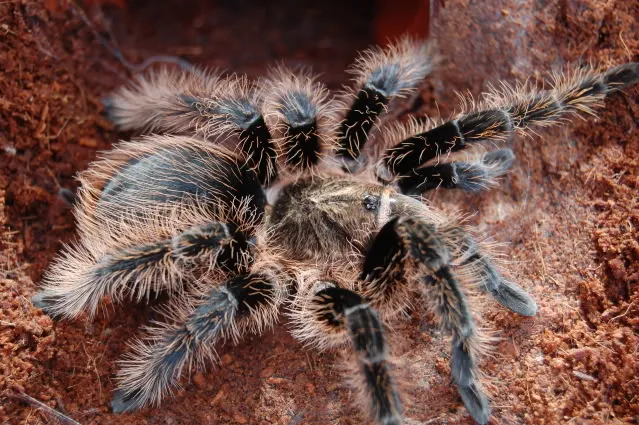
What is a Curly Hair Tarantula (Chaco Golden Knee)?
The Curly Hair Tarantula (Tliltocatl albopilosus), also known as the Chaco Golden Knee, is a terrestrial tarantula species prized for its distinctive appearance and relatively gentle nature. Native to the rainforests of Central America, specifically countries such as Costa Rica, these spiders are a popular choice for beginner and experienced arachnid enthusiasts alike. Their most notable feature is the abundant, curly, dark brown hairs that cover their body, giving them their name. The ‘Chaco Golden Knee’ variation sometimes shows subtle golden hues on the joints of their legs. Understanding these basic facts is crucial if you’re considering adding a Curly Hair Tarantula to your home. This information sets the groundwork for proper care and appreciating this remarkable creature. Their ease of care makes them a suitable pet for those new to the hobby.
Where do Curly Hair Tarantulas come from?
Curly Hair Tarantulas naturally inhabit the warm, humid environments of Central America. They are primarily found in regions such as Costa Rica, Honduras, and Nicaragua. Within these areas, they often construct their burrows within leaf litter and the topsoil layers of the forest floor. This native habitat provides crucial context for understanding the tarantula’s requirements in captivity. For instance, their enclosure should mimic the warmth and high humidity of their natural environment to ensure their health and promote natural behaviors. Recreating these conditions is essential for ensuring the well-being of your Curly Hair Tarantula. Providing the correct environment allows these creatures to thrive in a captive setting.
Appearance and Characteristics

The Curly Hair Tarantula’s appearance is one of its most defining features. The most eye-catching trait is its covering of curly, dark brown hairs all over its body. These hairs are not just for aesthetics, however. These are urticating hairs, which the tarantula can flick off as a defense mechanism if it feels threatened. The base color can range from a rich dark brown to a more bronzy hue, often with subtle golden or reddish highlights on the legs. They are medium-sized tarantulas, with females typically growing larger than males. Their size, coloration, and the unique texture of their hair make them easily recognizable and a favorite among tarantula enthusiasts. Recognizing these traits is key to identifying and appreciating this beautiful species.
Size and Lifespan of Curly Hair Tarantulas
Curly Hair Tarantulas have a moderate size. Females can reach up to 6 inches in leg span, whereas males are usually a bit smaller. The lifespan varies significantly between the sexes. Female Curly Hair Tarantulas can live for an impressive 10 to 15 years or even longer when provided with optimal care. This makes them a long-term commitment for anyone considering owning one. Males, however, have a much shorter lifespan, often living only 3 to 5 years. This difference in lifespan is a critical consideration, as it impacts the level of care and the overall experience of keeping a Curly Hair Tarantula. Understanding their size and lifespan is crucial for owners, ensuring they are well-prepared for the responsibility.
Temperament and Behavior of the Tarantula
The Curly Hair Tarantula is generally known for its calm and docile temperament, making it a popular choice, especially for beginners. While not typically aggressive, they may display defensive behaviors if they feel threatened. This can involve raising their front legs, flicking their urticating hairs, or, in rare cases, biting. They are primarily nocturnal, which means they are most active during the night. They often spend their days hidden in their burrows or under shelter. Burrowing is a natural instinct, so providing them with suitable substrate is essential to allow them to express their natural behaviors. Knowing and respecting their temperament is key to handling these tarantulas safely. Observing their behavior helps owners understand their needs.
Diet and Feeding Habits
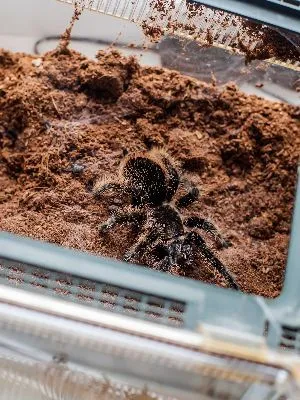
As carnivores, Curly Hair Tarantulas thrive on a diet of insects. In their natural habitat, they hunt various insects, including crickets, beetles, and even small invertebrates. In captivity, a diet of commercially available crickets, mealworms, and roaches is a practical and easily accessible option. The frequency of feeding depends on the tarantula’s age, with younger ones requiring more frequent meals. A general guideline is to feed them once or twice a week, offering insects that are about the size of their abdomen. Their feeding habits are directly related to their metabolic rate and growth stage. Avoiding overfeeding is crucial, as it can lead to health issues. Always removing uneaten food after a day helps prevent the growth of mold and mites in the enclosure.
What do Curly Hair Tarantulas eat?
Curly Hair Tarantulas, being carnivores, consume insects in their natural environment. Their diet typically consists of crickets, roaches, mealworms, and sometimes other small spiders or invertebrates. They are ambush predators, waiting patiently for their prey to come within striking distance. In a captive setting, the diet usually comprises commercially available insects like crickets and roaches, with occasional supplementation of other suitable insects. Providing a varied diet can provide a wider range of essential nutrients. It’s also important to ensure that the insects offered are gut-loaded to enhance their nutritional value. Adjusting the diet to the tarantula’s size and growth phase is important to ensure adequate nutrition.
The Molting Process Explained
Molting is a fundamental and essential process for Curly Hair Tarantulas and all other tarantula species. As they grow, they shed their old exoskeleton, which is the hard, outer shell. This involves the tarantula developing a new, larger exoskeleton underneath the old one. Before molting, the tarantula may become lethargic, stop eating, and sometimes even flip onto its back. It’s a vulnerable period, so it’s crucial not to disturb them. Once the old exoskeleton splits, the tarantula slowly emerges, leaving behind its old skin. The new exoskeleton is soft after molting, making the tarantula very susceptible to harm, so handling should be avoided during this time. The whole process can take several hours or even days. Maintaining proper humidity is essential to help the tarantula molt successfully.
How Often Do They Molt?

The frequency of molting depends on the Curly Hair Tarantula’s age and growth rate. Younger tarantulas, which are still growing rapidly, molt more frequently, sometimes every few months. As they reach adulthood, the molting frequency decreases. Adult tarantulas may only molt once a year or even less. Environmental conditions, such as temperature and humidity, can also influence their molting cycle. Observing the tarantula’s behavior and physical appearance can help you anticipate when it’s about to molt. Reduced appetite and increased hiding are common signs. It is vital not to disturb them during this vulnerable process to ensure its success and overall well-being.
Common Health Issues
While generally hardy, Curly Hair Tarantulas can still experience health problems. One of the most frequent issues is difficulties during the molting process, often stemming from inadequate humidity levels. Other potential problems include parasitic mites or fungal infections, which can be linked to poor hygiene in their enclosure. Nutritional deficiencies and overfeeding can also lead to health complications. Careful monitoring of the tarantula’s behavior and physical condition is vital for identifying any potential health concerns early on. Seeking advice from a veterinarian experienced with invertebrates is essential if you notice any signs of illness or distress. The overall health of your Curly Hair Tarantula is highly dependent on the environment and care provided.
What are common health problems of the Curly Hair Tarantulas?
Some health problems that Curly Hair Tarantulas might encounter include problems during molting, like failed molts or incomplete shedding, often caused by incorrect humidity levels. Parasites such as mites are another concern, which can be related to a dirty enclosure. Fungal infections can occur, which are worsened by high humidity and insufficient ventilation. Injuries can also happen from falls or contact with hard objects inside their enclosures. Nutritional deficits, arising from a diet that lacks variety or essential nutrients, are common. Overfeeding can lead to obesity and molting difficulties, and insufficient water or humidity might cause dehydration. Being observant of your tarantula’s behavior, and keeping the enclosure spotless and well-managed, will help to prevent such health issues.
Do Curly Hair Tarantulas make good pets?

Curly Hair Tarantulas can be excellent pets for the right person. They are comparatively low-maintenance, demanding less direct interaction than many other pets. Their docile nature and appealing appearance add to their charm. However, they are not for everyone. Potential owners should possess a thorough understanding of their needs, including habitat requirements, a proper diet, and safe handling practices. Prospective owners should also be comfortable with insects and understand that these are not cuddly pets. The commitment involved is essential, given their long lifespan. Ultimately, for those fascinated by these creatures and appreciative of their unique characteristics, Curly Hair Tarantulas can prove to be rewarding pets.