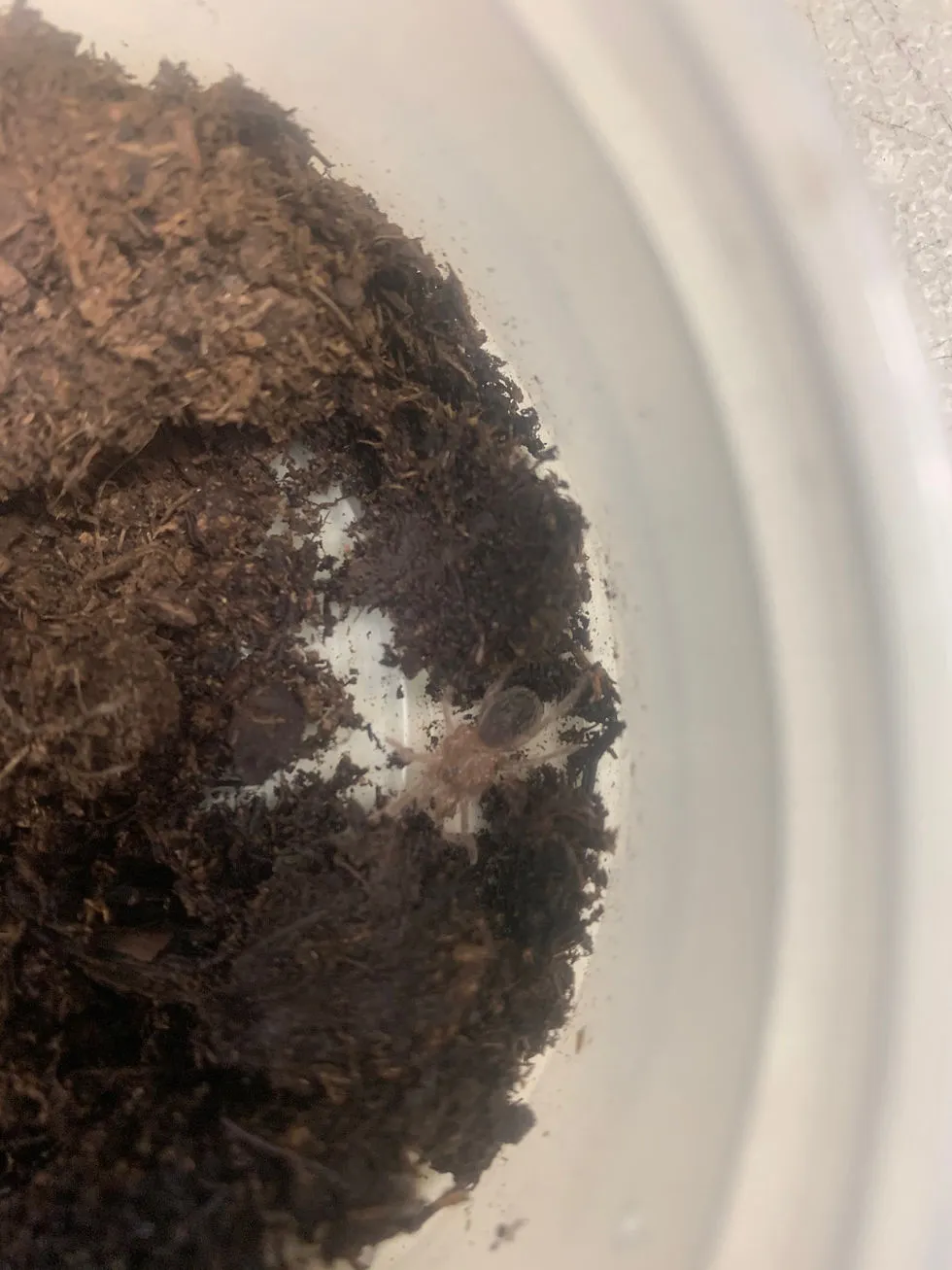
Understanding Curly Hair Tarantula Spiderlings
The curly hair tarantula spiderling, Tliltocatl albopilosus, is a captivating and relatively docile species, making it a popular choice for beginner tarantula keepers. These spiderlings, in their juvenile stages, are especially endearing due to their fuzzy appearance and manageable size. However, owning a curly hair tarantula spiderling requires commitment, research, and proper care to ensure its well-being and longevity. Understanding their needs is the first step towards providing a happy and healthy life for your new eight-legged friend. These spiderlings are known for their calm temperament, but it’s still essential to respect their space and learn to interpret their behavior to avoid any stress for both the spiderling and the keeper. Regular observation, understanding of their molting cycles, and awareness of their specific needs will contribute to a rewarding experience.
Origin and Habitat
Native to the tropical regions of Central America, specifically Costa Rica, the curly hair tarantula thrives in a warm, humid environment. In the wild, they typically inhabit terrestrial burrows, seeking shelter in the leaf litter and undergrowth of the forest floor. Replicating their natural habitat is critical to the spiderling’s health and happiness, as it helps regulate their behavior and overall well-being. Understanding their origin is also essential for recognizing potential problems, so providing the right conditions makes them thrive, ensuring they remain content in their captive environment. Proper knowledge of their origin, environmental conditions, and behaviors will guide you in establishing suitable living conditions, which also greatly improve the likelihood of your spiderling’s long-term survival.
Native Environment
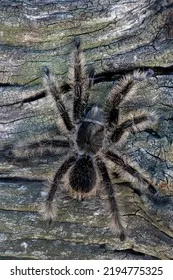
In their native Costa Rican habitat, curly hair tarantulas construct burrows or utilize existing ones to shelter from predators and the elements. They are primarily nocturnal, emerging at night to hunt for insects and small invertebrates. The forest floor provides a natural source of moisture and humidity, critical for their survival. They coexist in this ecosystem with other arachnids, insects, and various small animals, and their survival depends upon their ability to hunt for prey and avoid becoming prey themselves. The forest floor serves as a natural source of substrate where they can construct burrows, hide, or molt. This provides a sense of security, making them feel comfortable and safe, allowing them to thrive in their natural environment.
Ideal Climate Conditions
Curly hair tarantula spiderlings require specific climate conditions to thrive. The ideal temperature range is between 75-85°F (24-29°C), which can be maintained with a heat mat or a low-wattage heat lamp. Humidity should be kept between 65-75%, which can be achieved by misting the enclosure lightly a few times a week or by providing a shallow water dish. Proper ventilation is also crucial to prevent mold and mildew growth, ensuring the air remains fresh. Monitoring both temperature and humidity with a reliable hygrometer is highly recommended, as this is the best way to guarantee that conditions are appropriate. Maintaining optimal climate conditions contributes significantly to their health, molting frequency, and overall happiness in captivity.
Setting Up the Perfect Enclosure
Creating the right enclosure is crucial for the well-being of your curly hair tarantula spiderling. The enclosure should provide a safe, secure, and comfortable environment, mimicking their natural habitat as closely as possible. The size, substrate, and furnishings will all contribute to your spiderling’s health and happiness. Proper enclosure design also facilitates observation, making it easier to monitor their health, behavior, and molting progress. By thoughtfully considering each aspect of the enclosure, you can create an environment where your curly hair tarantula spiderling can thrive and display its natural behaviors.
Enclosure Size and Type

For spiderlings, a smaller enclosure is often preferred, as it helps them feel secure and makes it easier to find their food. A clear plastic container or a small glass terrarium with a secure lid is suitable. As the spiderling grows, the enclosure size should be increased accordingly. A general guideline is to provide an enclosure that is at least three times the spiderling’s leg span in width and length. Ensure that the enclosure has good ventilation, usually achieved through drilled holes or mesh tops, and that it is escape-proof, preventing the spiderling from crawling out. A properly sized enclosure also helps maintain temperature and humidity levels efficiently.
Substrate Selection
The substrate is the foundation of your spiderling’s enclosure and plays a crucial role in maintaining humidity and providing a natural environment. A good substrate should be able to retain moisture without becoming waterlogged. Suitable options include a mix of peat moss, coconut fiber, and vermiculite. These substrates not only retain moisture but also allow the spiderling to burrow, providing a sense of security. Avoid substrates that contain chemicals or fertilizers, as they can be harmful to the spiderling. The depth of the substrate should be sufficient to allow the spiderling to burrow if it desires, typically around 2-4 inches deep. Regularly check the substrate for mold and replace it as needed to maintain hygiene and prevent any potential health issues.
Essential Decor and Hiding Spots
Providing hiding spots and decor enhances the spiderling’s sense of security and allows it to exhibit natural behaviors. Cork bark, half logs, or artificial plants are excellent choices. These items give the spiderling places to retreat and feel safe, reducing stress. You can also add a shallow water dish for hydration. Ensure that any decor items are securely placed to prevent them from falling and potentially harming the spiderling during molting. The decor should mimic the spiderling’s natural environment as closely as possible, giving it enrichment and making the enclosure more aesthetically pleasing. The setup of the decor should offer visual barriers and opportunities for the spiderling to explore its surroundings, further contributing to its psychological well-being.
Temperature and Humidity Control

Maintaining the correct temperature and humidity is vital for the health and well-being of your curly hair tarantula spiderling. Use a thermometer and hygrometer to monitor the conditions inside the enclosure. A heat mat placed on the side of the enclosure can help maintain the desired temperature. Misting the enclosure with dechlorinated water a few times a week helps to maintain humidity levels. Proper ventilation is also essential; however, it should not dry out the enclosure too quickly. Regularly checking the temperature and humidity ensures that your spiderling’s environment remains optimal, which promotes healthy molting cycles, proper feeding, and overall well-being. This also means that you’ll need to adjust your methods depending on the season and the climate of where you live, to keep conditions stable.
Feeding Your Spiderling
Proper feeding is crucial for the growth and development of your curly hair tarantula spiderling. Spiderlings have different dietary needs compared to adult tarantulas, and providing the right food is essential for their overall health. This means selecting appropriate food choices, determining the correct feeding frequency, and ensuring proper hydration. Careful and consistent feeding contributes not only to their health but also helps maintain their growth and vitality, thus contributing to their longevity. Feeding should be a balance between nutritional value and the spiderling’s natural prey preference. These small steps are critical to ensuring that the spiderling lives a healthy and long life.
Appropriate Food Choices
Spiderlings require a diet consisting of small, live insects. Flightless fruit flies, pinhead crickets, and small mealworms are excellent choices. The size of the insects should be proportionate to the spiderling; ideally, the prey should be no larger than the spiderling’s abdomen. Variety in the diet is good; however, ensure that all insects are gut-loaded with nutritious food before being offered to the spiderling. This means feeding the insects nutritious food before giving them to the spiderling. This practice ensures that the spiderling receives all the necessary vitamins and minerals. Avoid feeding your spiderling insects collected from outdoors, as these could be contaminated with pesticides or parasites. Also, be sure to remove uneaten food after 24 hours to prevent mold growth.
Feeding Frequency

The feeding frequency for spiderlings is generally more frequent than for adults. Spiderlings should be fed every other day or every three days, depending on their appetite and growth rate. Regularly observe your spiderling to gauge its appetite and adjust the feeding schedule accordingly. If it consistently refuses food, it may be preparing to molt, and you should reduce feeding. Overfeeding can lead to health problems, while underfeeding can stunt growth. Always provide fresh water in a shallow dish, even if they primarily get their hydration from feeding. Regular monitoring, along with adjusting the feeding schedule, will help in ensuring a steady, healthy growth.
Watering and Hydration
Providing fresh water is essential for your spiderling’s health, even though they get hydration from the food. A shallow water dish should always be available, and the water should be replaced regularly to keep it fresh. Avoid using tap water, as it may contain chlorine or other chemicals that can be harmful. Dechlorinated water or bottled spring water is best. Another method is to mist the enclosure lightly once or twice a week to increase humidity. Always ensure that the water dish is shallow enough to prevent the spiderling from drowning. Hydration is essential to assist in the molting process and maintaining healthy bodily functions, so regular attention should be placed on ensuring your spiderling has access to it.
Molting Process Explained
Molting is a natural process for tarantulas, including spiderlings, where they shed their exoskeleton to grow. Understanding the molting process is crucial for providing appropriate care during this vulnerable time. Knowing the signs of an impending molt and how to support your spiderling during this process will help ensure a successful molt and a healthy spiderling. Molting frequency varies depending on the age and growth rate of the spiderling, but it’s an essential part of their life cycle, during which they shed their old skin to allow for growth. Providing a stable and stress-free environment during the molt is essential to the health of your spiderling.
Signs of an Impending Molt

Several signs indicate that your spiderling is preparing to molt. These include a loss of appetite, a change in behavior (becoming more reclusive), and a darkening or dulling of the abdomen. The spiderling may also start to build a web mat or seal itself off in its burrow. The abdomen may appear swollen or shiny, and the spiderling may lie on its back. It is important to avoid disturbing the spiderling during this time, as they are vulnerable and under stress. Providing a secure and undisturbed environment is essential to help the spiderling molt successfully. Being aware of these signs will help the owner understand when to be careful and avoid unnecessarily disturbing the spiderling.
Post-Molt Care
After the molt, the spiderling’s exoskeleton will be soft and vulnerable. Do not feed the spiderling for at least a week, allowing its new exoskeleton to harden. It is also important to avoid handling the spiderling during this period, as it can be easily injured. During this time, the spiderling may consume its old exoskeleton, which provides essential nutrients. Ensure that fresh water is available and that the enclosure is clean. Once the exoskeleton has hardened, you can gradually reintroduce food. Molting is a stressful process, so providing a safe and quiet environment helps the spiderling recover and ensures its continued health. Watch out for any unusual behavior or signs of illness.
Handling and Interaction
While curly hair tarantulas are known for their docile nature, handling spiderlings should be approached with caution. Their small size makes them fragile, and a fall from any height could be fatal. It is best to avoid handling spiderlings unless absolutely necessary, such as when rehousing them. If you must handle your spiderling, proceed slowly and gently, always being mindful of its well-being. Responsible ownership involves prioritizing the spiderling’s safety and creating an environment where it feels safe and comfortable. This is the most important aspect of their care.
Safe Handling Practices

If handling is unavoidable, here are a few steps to ensure safety. Handle the spiderling close to the ground or a soft surface. Always be gentle and avoid sudden movements. Use a soft brush or cup to gently guide the spiderling if you need to move it. Never grab or squeeze the spiderling, as this can cause injury. Always wash your hands thoroughly before and after handling to remove any potential contaminants. Regular interaction should be replaced with observation, to understand your tarantula’s behavior and appreciate it in its natural environment. This practice fosters a respectful and safe environment for both you and your pet. If you are in any doubt, avoid handling the spiderling altogether.
Identifying and Addressing Potential Health Issues
Even with the best care, spiderlings can sometimes experience health problems. Recognizing the signs of illness early on is vital for timely intervention and treatment. Regular observation is your best defense against potential health issues, allowing you to respond quickly. Understanding common health problems and how to prevent them will help to ensure the long-term health and happiness of your curly hair tarantula spiderling. Early detection and proactive care can help manage and prevent many of these common problems, thus keeping the spiderling healthy and thriving.
Common Health Problems
Common health problems in curly hair tarantula spiderlings include dehydration, fungal infections, and parasitic infestations. Dehydration can be caused by insufficient water or low humidity. Fungal infections can arise from poor ventilation or contaminated substrate. Parasites can be introduced through contaminated food or substrate. If you notice any of these symptoms, such as lethargy, loss of appetite, or unusual behavior, consult a veterinarian specializing in exotic animals. Early intervention and professional care are important for the spiderling’s health. Maintaining a clean and proper environment minimizes these risks.
Preventative Measures
Prevention is key to keeping your curly hair tarantula spiderling healthy. Maintain optimal environmental conditions, including temperature and humidity. Provide fresh, clean water and a balanced diet. Regularly clean the enclosure and replace the substrate to prevent the buildup of bacteria and fungi. Inspect the spiderling regularly for any signs of illness or parasites. Quarantine any new tarantulas before introducing them to your collection. Always use a reputable supplier for food and supplies. Preventing health problems and being proactive about the spiderling’s health will increase the likelihood of the spiderling’s longevity and well-being.
Conclusion
Caring for a curly hair tarantula spiderling is a rewarding experience. Providing the correct enclosure setup, understanding their dietary requirements, and implementing proper handling practices are all integral parts of their care. The joy of watching these creatures develop and thrive is a testament to the effort invested in their well-being. By following the guidelines outlined in this care guide, you can create a nurturing environment where your curly hair tarantula spiderling can flourish, ensuring its long and healthy life. A well-cared-for spiderling is a happy spiderling, and the knowledge gained will contribute to a fulfilling experience for any pet owner. Enjoy the journey of watching your spiderling grow and thrive, and take pride in knowing you’re providing the best possible care.