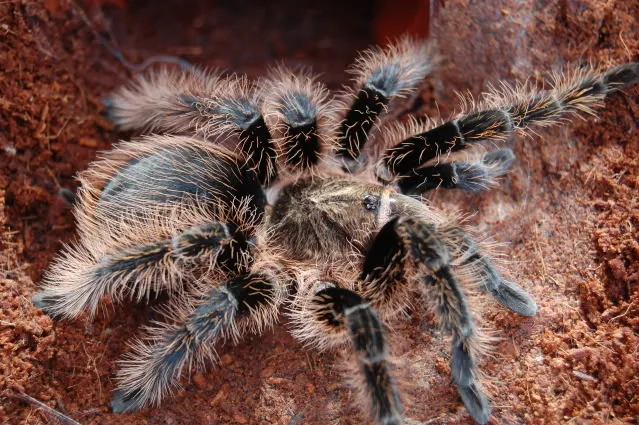
Choosing the Right Curly Hair Tarantula Tank Size
Selecting the correct tank size for your curly hair tarantula is crucial for its well-being and overall health. A well-sized enclosure provides ample space for movement, hunting, and burrowing, which are essential behaviors for these fascinating creatures. A tank that is too small can lead to stress, stunted growth, and difficulties with molting. Conversely, a tank that is excessively large might make it challenging for a juvenile tarantula to find food, as it might feel overwhelmed by the space. Determining the appropriate tank size involves considering several factors, including the spider’s size, its growth stage, and its natural behaviors. Careful consideration of these elements ensures a healthy and thriving environment for your pet tarantula.
Tank Size Recommendations for a Growing Tarantula
As your curly hair tarantula grows, so should its living space. Initially, a juvenile curly hair tarantula can thrive in a smaller enclosure, such as a 5-gallon tank, which allows it to feel secure and easily locate food. However, as it matures, you will need to provide a larger habitat to accommodate its increasing size. A fully grown curly hair tarantula typically requires a 10-gallon or even a 20-gallon long tank. This provides enough floor space for it to move around, create burrows, and exhibit its natural behaviors. Regular monitoring of your tarantula’s size and activity is essential to determine when it’s time for an upgrade. You will often notice that your tarantula appears cramped or struggles to move around easily in its current enclosure.
Why Tank Size Matters

Tank size plays a significant role in the overall health and well-being of your curly hair tarantula. An appropriately sized enclosure provides several benefits. Firstly, it allows the tarantula to move freely, which is essential for its physical health and to prevent muscle atrophy. Secondly, it provides enough space for the tarantula to engage in its natural behaviors, such as burrowing and hunting, which reduces stress and boredom. Thirdly, an appropriately sized tank facilitates better temperature and humidity control, creating an optimal environment for the tarantula to thrive. A tank that is too small can lead to stress, molting difficulties, and even a shorter lifespan for your pet. Therefore, paying close attention to tank size is not just a matter of convenience it is a vital aspect of responsible tarantula care.
Understanding the Needs of Your Curly Hair Tarantula
Before choosing a tank, it is essential to understand the specific needs of your curly hair tarantula. These tarantulas are terrestrial spiders, meaning they spend most of their time on the ground. They are also burrowers, so they require a substrate deep enough to allow them to create burrows and feel secure. Moreover, curly hair tarantulas are relatively docile and do not require excessive space for movement, unlike some more active species. However, they still benefit from ample floor space to move around, hunt, and establish their territory. Understanding these specific behaviors and preferences is crucial for selecting a tank that meets all their needs, ensuring a comfortable and enriching environment. This understanding includes knowing the tarantula’s molting cycle, its feeding habits, and its preferred humidity and temperature ranges.
Substrate Considerations for Tank Size
The substrate, the material used to line the bottom of the tank, is directly related to the tank size. It not only provides a surface for the tarantula to walk on, but also offers a place to burrow and hide, fulfilling a natural instinct. A suitable substrate for a curly hair tarantula includes a mix of peat moss, coconut fiber, and a bit of vermiculite. The depth of the substrate should be at least 4-6 inches, allowing the tarantula to create a comfortable burrow. The depth of the substrate must align with the overall tank size; a small tank cannot support a deep substrate layer. Also, the substrate assists in maintaining the correct humidity levels within the enclosure. Choosing the right substrate and providing a sufficient depth contributes to the overall comfort and well-being of the tarantula. Always ensure that the substrate is non-toxic and free from any harmful chemicals or additives.
Impact of Substrate Depth on Tank Size

The depth of the substrate is a critical factor to consider when determining the appropriate tank size. A deeper substrate layer provides more space for burrowing, which is a natural behavior for curly hair tarantulas. The substrate depth directly influences the available living space within the tank. For instance, a 10-gallon tank with a very deep substrate layer might offer less usable space compared to a 10-gallon tank with a shallower layer. The substrate depth will also impact the tarantula’s ability to molt successfully. When molting, tarantulas often dig a burrow or create a safe space. A deep substrate offers the necessary support and security during this vulnerable period. Therefore, you must find a balance that provides a suitable burrowing depth without sacrificing too much surface area for movement.
Importance of Ventilation and Tank Size
Proper ventilation is critical to the health of your curly hair tarantula, and it is directly linked to the tank size. Adequate airflow helps regulate humidity, preventing the buildup of harmful mold and bacteria. A well-ventilated enclosure reduces the risk of respiratory infections and other health problems. Larger tanks generally offer better ventilation due to the increased surface area for air exchange. The design of the tank should incorporate ventilation features, such as mesh tops or strategically placed vent holes. You should not overcrowd the tank with unnecessary decorations, as they can obstruct airflow. Regular monitoring of the humidity levels and ventilation is necessary. In addition, ensure that the ventilation system is effective to maintain the optimal environment for your tarantula to thrive. Poor ventilation can cause health issues, underscoring the importance of choosing the correct tank size.
Avoiding Issues from Improper Tank Size
Using the wrong tank size can lead to a range of problems for your curly hair tarantula. These issues can impact its health, behavior, and overall quality of life. A tank that is too small can cause stress, leading to a weakened immune system and increased susceptibility to diseases. Also, it can hinder the tarantula’s ability to move, which may lead to muscle atrophy and other physical complications. Recognizing and avoiding these potential problems is essential for responsible tarantula care. Understanding how tank size impacts the tarantula’s environment and behavior is crucial for providing the best possible care. Always prioritize the needs of the tarantula, considering its growth stage and specific requirements.
Overcrowding and Stress in Tarantulas

Overcrowding in a tank, often a result of an undersized enclosure, is a significant stressor for curly hair tarantulas. Limited space increases competition for resources, such as food and shelter, leading to aggression and anxiety. Stress can weaken the tarantula’s immune system, making it more vulnerable to infections and diseases. Additionally, constant stress can alter its natural behaviors, such as burrowing and hunting. An overcrowded environment limits its ability to engage in these essential activities. This can lead to a decline in its overall health and well-being. Providing sufficient space is crucial for reducing stress and ensuring your tarantula lives a happy and healthy life. Observe your tarantula closely for signs of stress, such as excessive hiding, restlessness, or aggression. If you notice these behaviors, it is time to re-evaluate the enclosure and consider a larger tank.
Difficulty with Feeding
An improperly sized tank can also affect feeding habits. In a tank that is too large, a juvenile tarantula might struggle to find its food, as it might feel lost or overwhelmed in the expanse. This can lead to malnutrition and growth problems. Conversely, a tank that is too small can cause the tarantula to lose its appetite due to stress and lack of movement. The tarantula may not feel comfortable hunting or eating in a cramped environment. It is crucial to provide the tarantula with a space that balances security and opportunity to hunt. The ability to find food easily is essential for healthy development, especially during molting. Moreover, a well-sized tank can also help maintain humidity levels, which is another factor that impacts feeding habits and general well-being. Carefully monitor the tarantula’s feeding behavior. Also, you should adjust the tank size if you notice it is consistently refusing food.
Maintaining the Right Humidity Levels
Maintaining the correct humidity levels is another critical aspect of caring for a curly hair tarantula, and tank size plays a significant role in achieving this. These tarantulas thrive in a relatively humid environment, which aids in molting and overall health. An appropriately sized tank facilitates the maintenance of the ideal humidity range. A tank that is too large might be more challenging to humidify, as the moisture can dissipate too quickly. In contrast, a tank that is too small could lead to excessive humidity, causing mold and bacterial growth. Regular monitoring of humidity levels is essential. You may need to adjust the ventilation or the amount of substrate to achieve the appropriate humidity. Using a hygrometer is recommended. You should also mist the tank with water. Therefore, selecting the right size tank and maintaining appropriate humidity is crucial for the health and well-being of your curly hair tarantula.
Selecting the Right Tank

When selecting a tank for your curly hair tarantula, several factors must be considered. Size is the most important factor. However, you also need to consider the material, ventilation, and ease of access. The tank’s material should be durable, safe, and easy to clean. Glass and acrylic are popular options, each with its advantages and disadvantages. The lid should be secure to prevent escape, and it should also allow for proper ventilation. Furthermore, it should have an easy-to-open design for feeding and maintenance. By considering these factors, you can choose a tank that meets your tarantula’s needs and is also convenient for you to maintain. Ensure that the tank is placed in a stable location away from direct sunlight and drafts. This will help regulate the temperature and humidity levels within the enclosure.
Glass vs. Acrylic Tanks
Both glass and acrylic tanks are suitable options for housing curly hair tarantulas, but they have different characteristics. Glass tanks are a classic choice, offering excellent visibility and durability. They are scratch-resistant and easy to clean. However, they tend to be heavier than acrylic tanks, and they can be more prone to cracking if dropped. Acrylic tanks are lighter, making them easier to move and handle. They also offer better insulation, which can help maintain stable temperatures. Acrylic tanks are less likely to shatter than glass tanks, but they are more susceptible to scratches. When choosing between the two, consider your preferences, your budget, and the overall safety of your home. Ensure that the tank has a secure lid and proper ventilation, regardless of the material. Consider which tank will be easier to maintain and provide the best environment for your tarantula.
Tank Size to Avoid
Certain tank sizes should be avoided when housing a curly hair tarantula. Tanks that are significantly too small will cause stress, as described earlier. Similarly, tanks that are excessively large can also pose challenges, particularly for younger tarantulas that may struggle to find food or feel secure. Avoid tanks that lack proper ventilation, as these can lead to humidity issues and the growth of mold and bacteria. Tanks with inadequate lids or closures are also a safety hazard, as the tarantula may escape. Moreover, tanks made from toxic materials or with sharp edges are not suitable. You should thoroughly research tank options and choose enclosures that are specifically designed for tarantulas. Always prioritize safety, practicality, and the tarantula’s comfort and well-being.
Upgrading Your Tarantula’s Enclosure

As your curly hair tarantula grows, it will eventually require an upgrade to a larger enclosure. Recognizing when to upgrade is essential for its well-being. You should monitor your tarantula’s size and activity levels. Once it outgrows its current space or molting becomes difficult, it’s time for an upgrade. Choose a new tank that is appropriately sized, as previously discussed. When moving your tarantula to a new enclosure, make sure you transfer the substrate and any decorations, so it feels familiar. Ensure the new tank has proper ventilation and meets all its environmental needs. Carefully transferring the tarantula to its new home is a delicate process. Therefore, prepare everything in advance to minimize stress. Regular upgrades of the enclosure will guarantee it is in a comfortable and healthy environment.
In conclusion, choosing the correct tank size is a critical aspect of caring for a curly hair tarantula. It significantly impacts the tarantula’s health, behavior, and overall quality of life. By considering the spider’s size, activity levels, and growth stage, you can select an appropriate enclosure that meets its needs. A well-sized tank provides enough space for movement, burrowing, and hunting, minimizing stress and promoting a healthy environment. The substrate, ventilation, and humidity levels all have a relationship with the tank size. Therefore, understanding the importance of tank size and making informed decisions ensures a happy, healthy, and thriving curly hair tarantula.