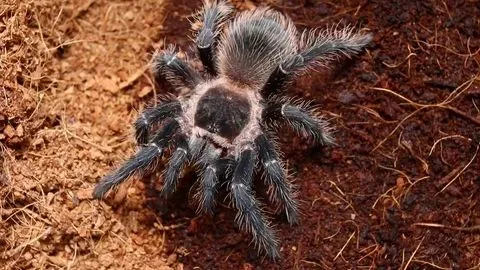
What Makes Old World Tarantulas Dangerous?
Old World tarantulas, hailing from regions like Asia, Africa, and Australia, are often perceived as more dangerous than their New World counterparts. This isn’t solely based on the potency of their venom but also on their temperament and defensive behaviors. Several factors contribute to their reputation, making them a subject of fascination and caution for arachnid enthusiasts and researchers alike. The combination of potent venom, aggressive nature, and specific environmental adaptations sets them apart in the world of spiders, and it’s important to understand the nuances that make them potentially hazardous.
Potent Venom
One of the primary factors contributing to the danger of Old World tarantulas is the potency of their venom. While the venom of most tarantulas is not lethal to humans, it can cause significant pain and discomfort. Old World tarantulas, in particular, are known for having more complex venom compositions compared to New World species. This can lead to more severe reactions in some individuals. Though fatalities are exceedingly rare, the effects of their venom can be quite unpleasant and may require medical attention, especially for individuals with allergies or sensitivities.
Venom Composition

The venom of Old World tarantulas contains a complex mix of enzymes, peptides, and other compounds. These components are designed to immobilize prey, and in humans, they can cause a variety of effects. Some venoms might contain neurotoxins that affect the nervous system, causing muscle cramps, spasms, and intense pain. Other compounds might trigger inflammatory responses, leading to localized swelling, redness, and itching. The exact composition of the venom varies between species, contributing to the varying severity of symptoms and reactions.
Symptoms of a Bite
Symptoms of an Old World tarantula bite can range from mild to severe. Common symptoms include immediate, sharp pain at the bite site, followed by localized swelling, redness, and itching. Other symptoms may include muscle cramps, sweating, nausea, and elevated heart rate. In rare cases, more severe reactions like difficulty breathing or anaphylactic shock may occur, especially in individuals with allergies. Prompt medical attention is recommended if severe symptoms develop or if the individual experiences systemic reactions. It’s essential to monitor the bite victim closely for any adverse reactions.
Aggressive Behavior
Another critical aspect of the danger posed by Old World tarantulas is their aggressive nature. Unlike many New World tarantulas, which often prefer to flee or flick urticating hairs as a defense mechanism, Old World species are more likely to stand their ground and attack if they feel threatened. This defensive behavior makes them more likely to bite, especially if they are startled, cornered, or perceive a threat. Their quickness and willingness to bite increase the chances of human interaction resulting in a bite, highlighting the importance of careful handling and observation.
Defensive Postures and Strikes

Old World tarantulas display distinct defensive postures before striking. They often rear up on their hind legs, exposing their fangs, and may hiss or make other warning noises. This posture serves as a warning, signaling the spider’s readiness to defend itself. Strikes can be incredibly fast and precise, making it difficult to avoid a bite. Their large fangs are capable of delivering a deep bite, injecting venom effectively. Understanding these behaviors is crucial for anyone handling or encountering these spiders, as recognizing these warning signs can help prevent bites.
Habitat and Environment
The habitats of Old World tarantulas also contribute to their perceived danger. Many species live in environments where human encounters are more frequent. This proximity increases the likelihood of interactions. Furthermore, their natural habitats might lack the readily available resources or shelters that could be found in captivity. This can make them more prone to aggression and defensive behaviors, as they may feel constantly threatened. Their ability to thrive in diverse ecosystems also means a wider geographical distribution, increasing the number of potential human interactions.
Geographical Origins
Old World tarantulas originate from regions such as Asia, Africa, and Australia. These areas often have dense vegetation and varied climates, providing ideal environments for tarantulas to thrive. The diverse range of species found in these regions means that the potential for encountering a dangerous tarantula is relatively high. The specific environmental conditions in these regions also influence the spiders’ behavior and venom composition. Studying their geographical origins helps in understanding and predicting their behavior and potential risks.
Common Species and Their Threat Level

Several Old World tarantula species are particularly known for their potent venom and aggressive temperament. These species are often considered more dangerous than their New World counterparts. Here are a few examples of the most dangerous Old World tarantulas.
The Asian Earth Tiger Tarantula
The Asian Earth Tiger tarantula (Chilobrachys dyscolus) is known for its striking appearance and relatively aggressive nature. They are fast-moving and prone to biting if they feel threatened. Their venom can cause intense pain and muscle cramps. This species is often kept by experienced hobbyists who understand the risks associated with their care. Handling this tarantula requires caution and knowledge of its behaviors to avoid bites. It is essential to provide proper housing and avoid any unnecessary interactions that could provoke the spider.
The Indian Violet Tarantula
The Indian Violet tarantula (Chilobrachys India) is another species found in the old world known for its beautiful coloration and potent venom. The venom of the Indian Violet Tarantula, while not lethal, can cause significant pain, cramping, and localized swelling. They are generally considered to be more defensive than some of the New World species, and they will not hesitate to bite if disturbed. Proper handling and understanding of their behavior is key to safely interacting with this species, which is often kept by experienced enthusiasts.
The Singapore Blue Tarantula

The Singapore Blue tarantula (Cyriopagopus minax) is known for its vibrant blue coloration and relatively defensive behavior. These spiders can be quick to bite if they are startled or feel threatened. Their venom is considered potent, capable of producing significant pain, muscle cramps, and localized swelling. Because of their defensive behavior, this species should be handled only by experienced keepers. Proper enclosures and handling techniques are required to mitigate the risk of bites and ensure the spider’s well-being.
Handling and Safety Precautions
When dealing with Old World tarantulas, it is essential to prioritize safety and adopt careful handling practices. These practices should be followed to minimize the risk of bites and ensure the well-being of both the handler and the spider.
Avoiding Bites
To avoid bites, it is crucial to understand the tarantula’s behavior and recognize its warning signs. Avoid sudden movements, loud noises, and any actions that might startle the spider. Always use appropriate tools like long tongs when moving or handling the tarantula. Never try to handle an Old World tarantula directly unless you have extensive experience and training. Make sure the enclosure is secure to prevent escapes. Always wash your hands before and after handling the enclosure or any equipment related to the tarantula.
First Aid and Treatment

In the event of a bite, stay calm and move away from the spider to prevent further bites. Clean the bite area with soap and water. Apply a cold compress to reduce pain and swelling. Monitor the bite victim for any severe symptoms like difficulty breathing, and seek medical attention if necessary. Antihistamines or pain relievers can be administered to manage symptoms, but always consult a healthcare professional for appropriate treatment. Keep the bite area clean to prevent infection, and follow any specific instructions given by a medical professional. Proper care and immediate attention can mitigate the effects of the bite.
Conclusion
Old World tarantulas, with their potent venom and aggressive behavior, demand respect and caution. While the risk of a bite is present, understanding their behavior, habitats, and the necessary safety precautions can significantly minimize the potential for harm. Through responsible handling and education, we can appreciate the beauty and unique characteristics of these fascinating creatures while mitigating any potential risks. Always prioritize safety and treat these spiders with the respect they deserve. Their place in the ecosystem should be observed with due care and consideration.