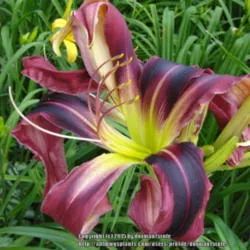
Understanding the Purple Tarantula Daylily
The Purple Tarantula Daylily, a captivating member of the Hemerocallis family, has become a favorite among gardeners for its striking beauty and ease of care. These herbaceous perennials are celebrated for their vibrant, spider-like blooms that appear in shades of purple, often with a contrasting throat. Daylilies are known for their resilience, thriving in a variety of conditions and returning year after year, making them a low-maintenance yet high-impact addition to any garden. The ‘Tarantula’ designation typically refers to daylilies with unusual petal shapes, adding an extra layer of interest to their already stunning appearance. This article will guide you through the world of Purple Tarantula Daylilies, from understanding their unique characteristics to finding the best varieties for sale and how to care for them.
What Makes the Purple Tarantula Daylily Special
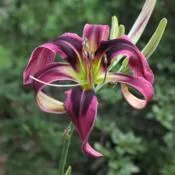
The Purple Tarantula Daylily stands out due to several key features that enhance its appeal. The distinctive color, often a deep, rich purple, immediately captures attention. Unlike some daylilies with more subtle hues, the Purple Tarantula offers a bold statement in the garden. The unique form, with petals that often curl, twist, or have ruffled edges, adds visual interest and a touch of whimsy. Furthermore, daylilies are known for their durability, tolerating a wide range of conditions and requiring minimal fuss to flourish. Their ability to thrive in diverse climates and soil types makes them a versatile choice for both novice and experienced gardeners. They are also relatively pest-resistant, reducing the need for chemical treatments and making them an environmentally friendly option. The combination of these factors makes the Purple Tarantula Daylily a special and highly desirable plant.
Unique Color and Form
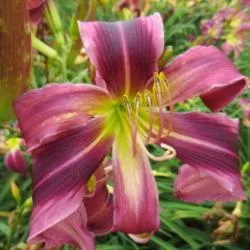
The color of the Purple Tarantula Daylily is a key element of its charm. The various shades of purple, ranging from lavender to deep violet, create a stunning display in any garden setting. The intensity and tone can vary depending on factors such as sunlight exposure and soil composition, adding a dynamic quality to the blooms. The form of the flower is equally captivating. The petals often exhibit an unusual shape, with edges that may be ruffled, crimped, or spider-like, hence the ‘Tarantula’ name. This distinct form provides texture and visual interest, making each flower a unique work of art. The combination of the captivating color and extraordinary form makes this daylily a true standout. The petals often have a contrasting throat color, which further enhances their beauty.
Hardiness and Growing Conditions
Purple Tarantula Daylilies are celebrated for their hardiness. They thrive in USDA hardiness zones 3 through 9, making them adaptable to a wide range of climates. They prefer full sun to partial shade, with at least six hours of sunlight being ideal for optimal flowering. While they are tolerant of various soil types, well-draining soil is crucial to prevent root rot. These daylilies are drought-tolerant once established, making them a low-maintenance choice for busy gardeners. They are relatively pest-resistant, reducing the need for chemical treatments. Regular deadheading of spent flowers will encourage new blooms and keep the plants looking tidy. With proper care, the Purple Tarantula Daylily will provide years of beauty and enjoyment, becoming a reliable and stunning feature in your garden.
Top 7 Purple Tarantula Daylily Varieties for Sale
Choosing the right variety of Purple Tarantula Daylily can significantly enhance the beauty of your garden. Here are seven popular varieties that are often available for sale, each with unique characteristics to consider. This list will help you make an informed decision, matching your preferences and garden conditions to the perfect daylily for you.
Variety 1 Description
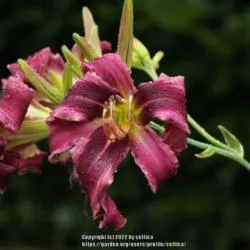
Variety 1 often features a deep, velvety purple hue with ruffled edges, adding a touch of elegance. The blooms are typically large and striking, with a contrasting throat color. It is known for its robust growth and excellent performance in various climates. This variety is a great choice for adding depth and drama to garden beds and borders. Consider planting this daylily in a location that receives full sun for the most vibrant color and abundant blooms. Its unique petal structure adds visual interest, making it a focal point in any garden setting.
Variety 2 Description
Variety 2 offers a lighter lavender-purple shade with a delicate appearance. This variety is known for its profuse blooming and the ability to create a lush, full display. It often features a contrasting throat and gently ruffled petals. It is well-suited for creating a softer, more romantic atmosphere in the garden. This variety’s graceful form and color make it an excellent choice for cottage gardens and mixed perennial beds. It prefers a location with good sunlight to showcase its full beauty and achieve its full flowering potential. Regular deadheading encourages a longer blooming season and keeps the plant looking tidy and healthy.
Variety 3 Description
Variety 3 stands out with its unique petal shape and a vibrant purple color. The blooms often have a spider-like appearance, adding an element of intrigue. This variety is highly sought after for its unusual form and the striking contrast with its foliage. It is a great choice for adding texture and visual interest to garden beds. Plant this variety in a location where it receives plenty of sunlight and has well-draining soil for best results. Its unique characteristics make it a conversation starter and a focal point in the garden. Consider pairing it with plants that have contrasting foliage for added visual impact.
Variety 4 Description
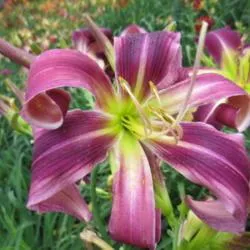
Variety 4 boasts a rich, dark purple hue with a near-black throat, creating a dramatic effect. The petals are often broad and slightly ruffled, offering a luxurious feel. This variety is perfect for adding depth and mystery to garden designs. It thrives in full sun and well-draining soil. Its striking color and form make it a standout choice for formal gardens and borders. Ensure this variety receives adequate sunlight to maintain its deep color and promote abundant flowering. This daylily’s dramatic appearance makes it a great addition to any garden, adding a touch of elegance.
Variety 5 Description
Variety 5 exhibits a vibrant purple color with a prominent yellow or green throat, creating a striking contrast. The petals are often elegantly shaped and slightly recurved. This variety provides a cheerful and lively appearance. It is well-suited for both formal and informal garden settings. It is a prolific bloomer and thrives in full sun. Its contrasting colors create an eye-catching display. This daylily is sure to brighten any garden space. Consider planting it in a location where its beauty can be fully appreciated. It is a reliable performer and adds a dynamic touch to any garden design.
Variety 6 Description
Variety 6 offers a softer, more pastel purple shade, often with a hint of lavender. The petals are often delicately ruffled, creating a gentle and romantic effect. It is ideal for adding a touch of elegance to any garden. This variety performs well in various soil conditions and prefers full sun. This daylily is perfect for cottage gardens, adding a soft, beautiful touch. Its understated elegance makes it a favorite among gardeners looking for a touch of sophistication in their garden beds. With its delicate appearance, it adds a touch of grace to any garden space.
Variety 7 Description

Variety 7 presents a unique combination of purple shades, often with a blend of deep and lighter hues. The petals may exhibit unusual patterns, adding visual interest. This daylily often features a bold, dramatic appearance, making it an excellent choice for focal points. It performs best in full sun and well-draining soil. It is a striking addition to any garden. The variety’s unique combination of colors and patterns makes it stand out from other daylilies. Plant it where it can be seen and enjoyed. It is an excellent choice to elevate any garden design.
Where to Buy Purple Tarantula Daylilies
Finding the perfect Purple Tarantula Daylily is easier than ever, with many options available to suit your needs. From online nurseries offering a wide selection to local garden centers that provide expert advice, there are several places to explore. Knowing where to look can ensure you find healthy plants and the best varieties.
Online Nurseries
Online nurseries provide a convenient way to browse a vast array of Purple Tarantula Daylily varieties. Many online retailers offer detailed descriptions, images, and customer reviews to help you make an informed decision. Ordering online allows you to compare prices and availability from the comfort of your home, and many nurseries ship directly to your doorstep. Before purchasing, check the nursery’s reputation, shipping policies, and plant guarantees. Consider nurseries that specialize in daylilies or perennials for the best selection and expertise. Online nurseries often have a wider variety of hard-to-find cultivars, providing numerous options.
Local Garden Centers
Local garden centers offer the advantage of seeing the plants in person before purchasing. You can assess their health, size, and overall condition, which can be a valuable advantage. Staff at garden centers can provide expert advice tailored to your local climate and garden conditions, helping you choose varieties best suited for your area. Supporting local businesses also ensures that you are getting plants that are acclimated to your environment, which can improve their survival rate. Often, local garden centers also have sales and promotions throughout the season. Take advantage of the opportunity to speak with experienced gardeners and gain insights into successful daylily cultivation.
Tips for Choosing Healthy Daylilies
Selecting healthy Purple Tarantula Daylilies is crucial for their long-term success in your garden. Before purchasing, carefully inspect the plants for signs of disease or pests. Look for vibrant, healthy foliage without any discoloration or spots. The roots should be firm and not overly bound in the pot if buying potted plants. Ensure that the plants are not root-bound, which means the roots are tightly packed and circling the pot. Choosing plants with a good root system will help them establish quickly in your garden. Avoid plants with any signs of disease, such as yellowing leaves, or pests. A healthy plant will have strong, upright stems, ready to produce beautiful blooms. Prioritizing the selection of healthy plants will lead to better results and an overall more enjoyable gardening experience.
Caring for Your Purple Tarantula Daylilies
Proper care is key to ensuring your Purple Tarantula Daylilies thrive and produce stunning blooms year after year. Understanding their specific needs will help you create an environment where they can flourish. From sunlight and watering to soil and pest control, proper care guarantees a beautiful and healthy garden. Following these guidelines will ensure your daylilies flourish, providing beauty and enjoyment for years to come.
Sunlight and Watering Requirements

Purple Tarantula Daylilies thrive with ample sunlight, ideally receiving at least six hours of direct sunlight daily. The amount of sunlight they receive directly impacts their flowering potential. They are moderately drought-tolerant once established. However, consistent watering during the growing season is important, especially during dry spells. Water deeply but infrequently, allowing the soil to dry slightly between waterings. Avoid overwatering, which can lead to root rot. Watering early in the morning is best, allowing the foliage to dry before nightfall, reducing the risk of fungal diseases. Consistent watering ensures the plants will thrive and bloom profusely.
Soil and Fertilizing Needs
Well-draining soil is essential for the health of Purple Tarantula Daylilies. Amend heavy clay soils with compost or other organic matter to improve drainage and aeration. Daylilies are not heavy feeders. However, applying a balanced, slow-release fertilizer in early spring can promote healthy growth and abundant blooms. Avoid over-fertilizing, which can lead to excessive foliage growth at the expense of flowers. Regular mulching with organic matter, such as shredded bark or compost, helps retain soil moisture, suppress weeds, and provide essential nutrients. Consistent mulching improves soil health and the overall performance of your daylilies.
Common Pests and Diseases
Purple Tarantula Daylilies are relatively pest-resistant. However, they can be susceptible to certain pests and diseases. Common pests include aphids, spider mites, and slugs. Regular inspection and prompt action are crucial to prevent infestations. Aphids and spider mites can be controlled with insecticidal soap or neem oil. Slugs can be managed with traps or barriers. Daylilies can also be susceptible to fungal diseases, such as rust. Proper air circulation and avoiding overhead watering can help prevent fungal infections. Remove any affected foliage and treat with a fungicide if needed. Regular monitoring ensures early detection and intervention.
Conclusion
The Purple Tarantula Daylily offers a unique blend of beauty, resilience, and ease of care, making it a valuable addition to any garden. With their striking colors, unusual petal forms, and adaptability to various conditions, these daylilies provide a captivating display that will bring joy and beauty for years to come. By understanding their characteristics, selecting healthy plants, and providing proper care, gardeners can enjoy the stunning beauty of these exceptional perennials. Whether you are a seasoned gardener or just starting out, the Purple Tarantula Daylily is a rewarding choice. Embrace the opportunity to add this stunning plant to your garden and enjoy its unique charm.