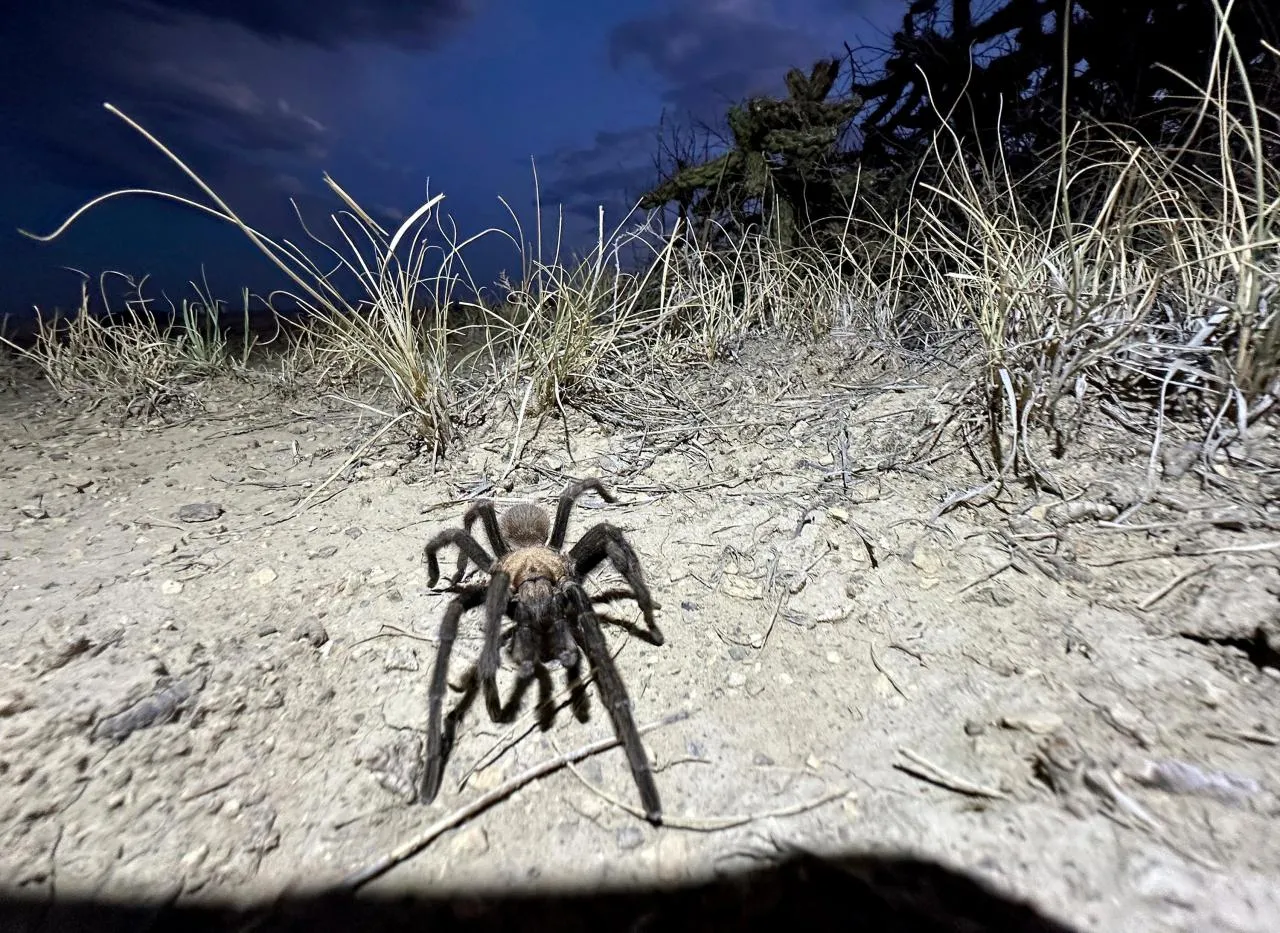
What are Tarantulas?
Tarantulas are large, hairy spiders belonging to the Theraphosidae family. These impressive arachnids are known for their size, with some species having leg spans that can reach over 10 inches. They are often feared but are generally not considered aggressive to humans. Tarantulas are found in various habitats around the world, including North and South America, Africa, and Asia. They are primarily nocturnal hunters, preying on insects, small mammals, and sometimes even birds. Their imposing appearance and intriguing behaviors make them a fascinating subject of study and observation, though it’s essential to remember they are wild animals and should be observed with respect and caution. Despite their intimidating size, tarantulas play an important role in their ecosystems, helping to control populations of other creatures.
Overview of Tarantulas
Tarantulas are arthropods, possessing exoskeletons and eight legs, much like other spiders. They have two main body sections: the cephalothorax (fused head and thorax) and the abdomen. They use fangs to inject venom to immobilize their prey, though the venom is typically not life-threatening to humans. Tarantulas have sensory hairs called setae, which help them detect vibrations and movement. These spiders are diverse, with hundreds of species exhibiting variations in size, color, and habitat preferences. They are generally solitary creatures, only coming together to mate. Tarantulas have a long lifespan, and some species can live for decades, making them a long-term commitment for those who keep them as pets.
Tarantula Habitats

Tarantulas inhabit a wide variety of environments, from tropical rainforests to arid deserts. Their habitats are influenced by factors like temperature, humidity, and the availability of prey. Some species are terrestrial, living in burrows they dig themselves, while others are arboreal, residing in trees. Denver tarantulas typically live in burrows or under rocks and logs, especially in areas with loose soil that is easy to excavate. Their ability to adapt to different environments is a key factor in their survival and distribution. Understanding their habitat needs is crucial for conservation efforts and responsible pet ownership. The presence of tarantulas in an area is often an indicator of a healthy and balanced ecosystem.
Fact 1 The Size of Denver Tarantulas
Denver tarantulas, like other tarantula species, vary in size depending on their species and age. These spiders are relatively large, and the size of a Denver tarantula can be quite impressive. They can have a leg span ranging from a few inches to over six inches. The body itself can be several inches long, covered in dense hairs. The females are typically larger than males of the same species. Their size allows them to hunt a variety of prey, from large insects to small rodents. Observing their size in person is a memorable experience, and their presence highlights the biodiversity found in the Denver area. The size of these spiders often surprises people who are not familiar with them.
Fact 2 Lifespan of Denver Tarantulas
One of the most remarkable facts about Denver tarantulas is their lifespan. Females can live for an exceptionally long time, often exceeding 20 years in the wild and even longer in captivity. Males, however, typically have a shorter lifespan, often only living for a few years after reaching maturity. This difference is due to the energy demands of mating and other factors. The long lifespan of the females contributes to the stability of the tarantula population. Understanding the lifespan helps in appreciating the complex life cycle of these creatures and the importance of providing a suitable environment for their survival. The long-term perspective of a tarantula’s life cycle is truly fascinating.
Fact 3 Denver Tarantulas Behavior

Denver tarantulas exhibit fascinating behaviors that help them survive in their environment. They are primarily nocturnal hunters, meaning they are most active at night. During the day, they often retreat into burrows or hide under rocks to avoid the heat and potential predators. When hunting, they use their sensory hairs to detect vibrations in the ground, which indicate the presence of prey. Their diet primarily consists of insects and sometimes small vertebrates. They are solitary creatures and are only seen together during mating season. During mating, the males must approach the females carefully to avoid being eaten. Their behavior highlights their adaptation to the local environment and their role in the ecosystem. Observing tarantula behavior can be a truly rewarding experience for any wildlife enthusiast.
Fact 4 Where to Find Denver Tarantulas
Finding Denver tarantulas requires some knowledge of their preferred habitats and the time of year when they are most active. These spiders are typically found in grasslands, open woodlands, and shrublands. They often create burrows in the ground, under rocks, or logs. The best time to spot them is during the mating season, which is usually in the late summer or early fall when the males are actively searching for mates. Local parks, foothills, and open spaces are good places to start your search. However, always observe from a distance to respect their space. Never attempt to handle a tarantula unless you are experienced and know how to do so safely. When exploring for tarantulas, it is crucial to prioritize their safety as well as yours.
Fact 5 Protecting Denver Tarantulas
Protecting Denver tarantulas is essential for preserving local biodiversity. Conservation efforts involve protecting their habitats from destruction, reducing pesticide use, and educating the public about these creatures. Avoid disturbing their burrows or attempting to capture them. Support responsible land management practices that prioritize wildlife conservation. Reporting sightings to local wildlife organizations can help track their populations and identify areas where they are most vulnerable. Educating others about tarantulas can reduce unfounded fears and promote respect for these amazing animals. These steps contribute to the long-term survival of Denver tarantulas and maintain the ecological balance of the region. Protecting their habitat is crucial for their long-term survival.