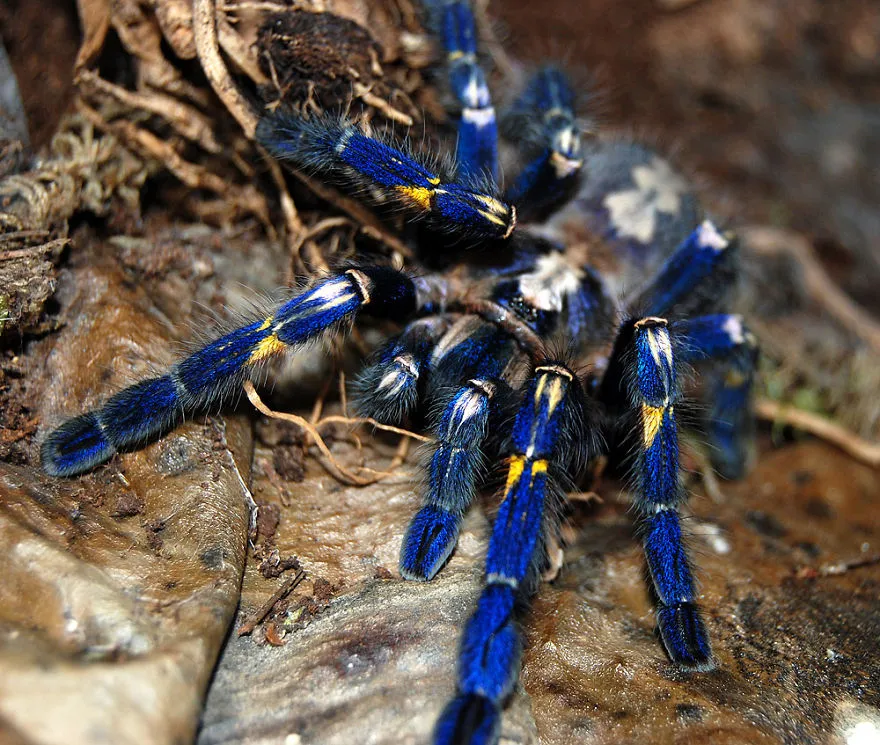
Cobalt Blue Tarantula Eating Habits
The cobalt blue tarantula (Cyaneopubescens) is a captivating species known for its striking blue coloration and fascinating eating habits. Understanding their dietary needs is crucial for anyone considering these arachnids as pets or for simply appreciating their place in the natural world. Their eating habits are as intriguing as their appearance, involving a combination of hunting strategies and physiological adaptations. This article delves into the top 5 facts about the cobalt blue tarantula’s eating habits, providing insights into their wild and captive diets, feeding processes, and health considerations, ensuring you have a comprehensive understanding of these amazing creatures.
What Cobalt Blue Tarantulas Eat in the Wild
In their natural habitat, cobalt blue tarantulas are opportunistic predators. Their diet primarily consists of insects and other invertebrates that they can overpower. These spiders are ambush predators, meaning they lie in wait for their prey, using their camouflage and speed to their advantage. The availability of food in their environment significantly influences their diet, with seasonal changes and environmental conditions dictating what prey is most abundant.
Common Prey for Cobalt Blue Tarantulas

Cobalt blue tarantulas typically feed on a variety of insects found in their environment. Crickets, roaches, and grasshoppers are common choices due to their availability and ease of capture. Additionally, they may consume other invertebrates such as beetles, moths, and occasionally even small vertebrates if the opportunity arises. The specific prey items depend on the local ecosystem and the size of the tarantula; larger individuals may take down larger prey.
Factors Influencing Wild Diet
Several factors influence the diet of cobalt blue tarantulas in the wild. Environmental conditions, such as temperature and humidity, affect the availability of prey. Seasonal changes also play a role, as different insects become more or less abundant throughout the year. Furthermore, the tarantula’s size and developmental stage influence its dietary needs; juvenile tarantulas require smaller prey items, while adults can consume larger meals.
Diet of Cobalt Blue Tarantulas in Captivity
Caring for a cobalt blue tarantula in captivity requires providing a suitable diet that meets its nutritional needs. The captive diet should mimic, as closely as possible, the types of prey the tarantula would consume in the wild. This ensures the spider receives the necessary nutrients for growth, molting, and overall health. Proper feeding is essential to maintain the tarantula’s well-being and longevity.
Best Foods for Your Pet Cobalt Blue

The primary diet for captive cobalt blue tarantulas should consist of insects such as crickets, roaches, and mealworms. These insects are readily available, easy to feed, and provide essential nutrients. It’s important to gut-load the feeder insects with nutritious food, such as vegetables and commercial insect food, before offering them to the tarantula. This practice ensures the tarantula receives a well-balanced diet. Occasionally, you can offer treats like waxworms, but these should be given sparingly due to their high-fat content.
Feeding Frequency and Portion Size
Feeding frequency depends on the tarantula’s age and size. Spiderlings and juveniles require more frequent feeding, typically every other day or every few days. Adult tarantulas can be fed less often, usually once or twice a week. Portion sizes should be adjusted based on the tarantula’s size and appetite. It’s important to remove uneaten prey within 24 hours to prevent stress and potential harm to the tarantula. Observing the spider’s abdomen for fullness can help determine the appropriate portion size. Overfeeding can lead to health problems, so moderation is key.
The Eating Process of a Cobalt Blue Tarantula
The way cobalt blue tarantulas eat is a fascinating display of their predatory adaptations. They use a combination of sensory perception, hunting techniques, and specialized mouthparts to capture, subdue, and consume their prey. Understanding this process provides insights into their survival strategies and evolutionary history. It highlights their remarkable ability to thrive in diverse environments.
How Cobalt Blues Catch Their Prey
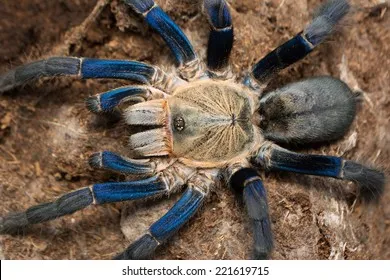
Cobalt blue tarantulas are ambush predators. They often lie in wait, hidden in their burrow or a sheltered spot, until prey comes within striking distance. They detect prey through vibrations in the ground or air, using sensory hairs on their legs. Once prey is close enough, the tarantula rapidly pounces, using its powerful fangs (chelicerae) to inject venom. The venom paralyzes and begins to digest the prey, making it easier for the tarantula to consume.
The Tarantula’s Eating Mechanism
Tarantulas do not chew their food. Instead, they inject digestive enzymes into their prey, liquefying the insides. They then use their chelicerae and pedipalps (small leg-like appendages near the mouth) to crush and manipulate the prey, sucking up the liquefied contents. The exoskeleton of the prey is usually discarded, leaving behind a small ball of indigestible material. This process allows the tarantula to efficiently extract nutrients from its meal.
Health Considerations Related to Feeding
Proper feeding practices are crucial for the health and well-being of cobalt blue tarantulas. Both overfeeding and underfeeding can lead to health problems, so it’s essential to monitor their eating habits and adjust their diet accordingly. Providing a balanced diet and maintaining a clean environment are also key factors in ensuring a long and healthy life for your pet tarantula.
Signs of Overfeeding or Underfeeding
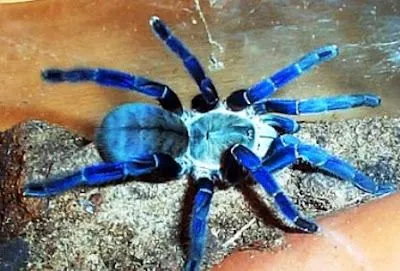
Overfeeding can lead to obesity and reduced activity in tarantulas. Signs of overfeeding include a swollen abdomen and refusal to eat. Underfeeding, on the other hand, can result in slow growth, lethargy, and a thin abdomen. It’s important to regularly observe your tarantula and adjust the feeding schedule based on its behavior and physical condition. Molting frequency can also provide insights, with more frequent molting indicating adequate feeding, especially in younger tarantulas.
Potential Health Issues from Improper Diet
An improper diet can lead to several health issues. Overfeeding can stress the tarantula’s digestive system, potentially causing regurgitation or other digestive problems. Underfeeding can weaken the tarantula, making it more susceptible to diseases. Additionally, a diet lacking essential nutrients can result in molting issues, leg deformities, and other health complications. Providing a balanced and appropriate diet is, therefore, crucial to prevent these issues and ensure a healthy life for your cobalt blue tarantula.
Interesting Facts About Cobalt Blue Tarantulas
Beyond their eating habits, cobalt blue tarantulas have several other intriguing aspects. These spiders exhibit unique behaviors, possess remarkable adaptations, and play a vital role in their ecosystems. These facts add to their allure and make them fascinating creatures to observe and appreciate. Understanding these facts will enhance one’s appreciation for the species.
Longevity and Diet Relationship

The diet of a cobalt blue tarantula significantly influences its lifespan. A well-balanced diet ensures the tarantula receives all the necessary nutrients for healthy growth and development. Proper feeding habits contribute to a longer and healthier life. Conversely, poor diet can shorten their lifespan and make them more susceptible to diseases. Females typically live longer than males. Proper care will extend a tarantula’s life.
The Importance of Hydration During Feeding
Providing access to fresh water is as important as feeding. Tarantulas need to stay hydrated to properly digest their meals and maintain overall health. A shallow water dish should always be available in their enclosure. Dehydration can lead to molting problems and other health issues. Water should be changed regularly to prevent contamination. They get some hydration from their prey, but a consistent water source is critical for survival.