What is the average lifespan of a female rose hair tarantula
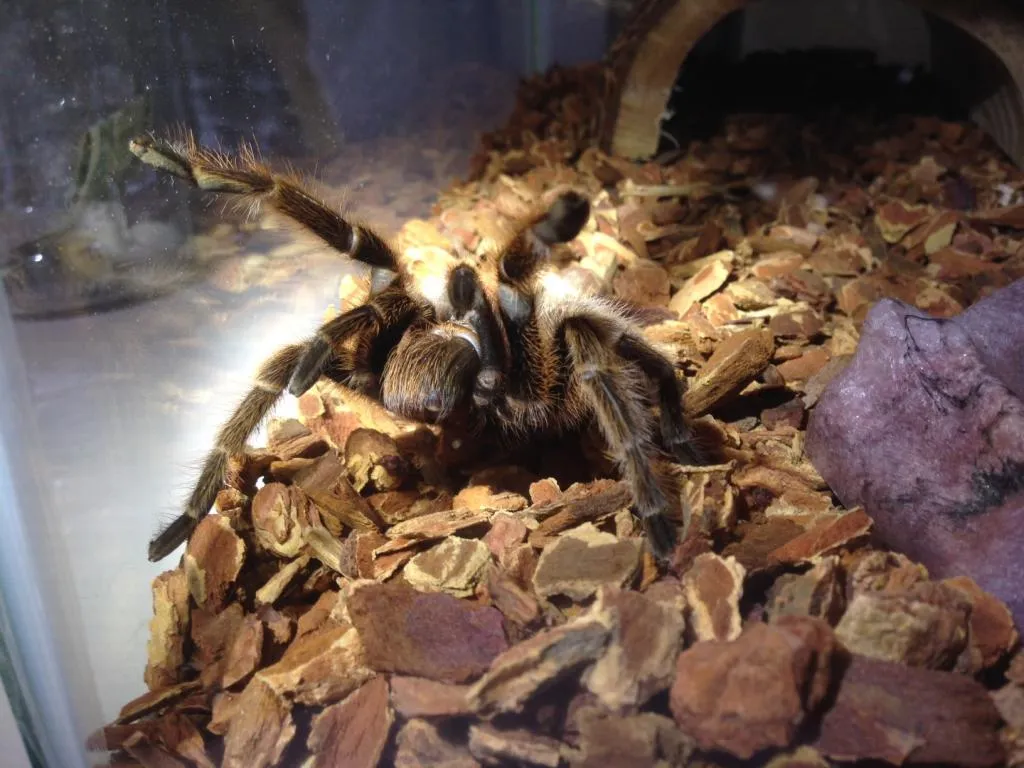
The female rose hair tarantula, a beloved pet among arachnid enthusiasts, is known for its relatively long lifespan, making it a rewarding companion for many years. Understanding the average lifespan of these fascinating creatures is crucial for prospective owners and current keepers alike. Generally, a healthy female rose hair tarantula can live for an impressive 20 to 30 years, if provided with optimal care and living conditions. This is a significant time commitment, far exceeding the lifespan of many other popular pets. The extended lifespan of a female rose hair tarantula is a testament to its robust nature and the importance of proper husbandry. However, it’s important to note that several factors can influence this lifespan, and not all tarantulas will reach the upper end of this range. Providing the right care from day one can significantly increase the chances of your tarantula thriving for many years.
Factors affecting female rose hair tarantula lifespan
Several factors play a vital role in determining the longevity of a female rose hair tarantula. Understanding and addressing these elements can make a significant difference in your pet’s health and lifespan. These include genetics, diet, habitat, and overall care. By paying close attention to these factors, you can create an environment where your tarantula has the best chance of living a long and healthy life. It is essential to be proactive and informed to ensure your tarantula receives the care it needs throughout its life. Neglecting any of these aspects can compromise their well-being and potentially shorten their lifespan. Furthermore, by striving to meet all these requirements, you will gain more enjoyment in owning such an amazing creature.
Genetics and Breeding
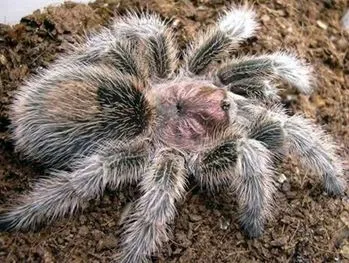
The genetic makeup of a rose hair tarantula can have a significant impact on its lifespan. Tarantulas bred from healthy, long-lived lines are more likely to inherit those traits, potentially living longer than those from less robust lineages. When acquiring a rose hair tarantula, it’s wise to inquire about the breeder’s practices and the health of the tarantula’s lineage. Responsible breeders prioritize the health and well-being of their tarantulas, which often results in hardier offspring. Breeding practices also play a vital role. Overbreeding or breeding tarantulas with genetic predispositions to certain health issues can negatively affect the lifespan of their offspring. Always select a tarantula from a reputable breeder who prioritizes ethical breeding practices.
Importance of a healthy diet
A well-balanced diet is paramount to the health and longevity of a female rose hair tarantula. Tarantulas are carnivores, and their diet primarily consists of insects. Feeding your tarantula a variety of appropriately sized insects provides essential nutrients, vitamins, and minerals crucial for growth, molting, and overall health. A diet lacking in essential nutrients can lead to health problems, hindering their ability to reach their full lifespan potential. The insects you feed your tarantula should also be gut-loaded, which means they are fed nutritious food before being offered to your tarantula. This ensures that the tarantula receives a balanced intake of nutrients.
Provide a balanced diet
A varied diet is key to ensuring your rose hair tarantula receives all the necessary nutrients. Crickets, mealworms, and roaches are common food items, but it’s beneficial to offer a mix. Supplement the diet with occasional treats like small amounts of pre-killed pinky mice (for adult tarantulas only) to provide additional protein and enrichment. Always ensure that the insects you feed your tarantula are free from pesticides and contaminants, as these can be harmful. Monitor your tarantula’s feeding habits, and adjust the frequency and quantity of meals according to its size and age. Overfeeding can be as detrimental as underfeeding. Providing fresh water at all times is also crucial for hydration and overall health.
Proper habitat and enclosure

The habitat of a female rose hair tarantula is more than just a place to live; it’s a vital part of its well-being and longevity. A proper enclosure provides the necessary environment for your tarantula to thrive. The size of the enclosure, the substrate used, temperature, and humidity levels all play significant roles in your pet’s health. A poorly designed habitat can lead to stress, which can weaken the immune system and potentially shorten its lifespan. Creating a comfortable, safe, and enriching environment is crucial for the health and well-being of your rose hair tarantula. Proper housing can also help prevent injuries and facilitate natural behaviors like burrowing.
Temperature and humidity
Maintaining the correct temperature and humidity levels is essential for the health of your rose hair tarantula. Rose hair tarantulas thrive in temperatures between 75-85°F (24-29°C). You can use a heat mat or a low-wattage heat lamp to maintain the correct temperature. The humidity level should be kept between 60-70%. Use a hygrometer to measure humidity accurately. You can increase humidity by lightly misting the enclosure with water every few days. Poor temperature or humidity conditions can lead to dehydration, molting problems, and other health issues. Regularly monitor the environmental conditions to ensure they are suitable for your tarantula’s needs.
Substrate and space
The substrate, or bedding, in the enclosure should be chosen carefully. A substrate that holds moisture well, like coconut fiber or a mix of peat moss and vermiculite, is ideal. Ensure the substrate is deep enough for your tarantula to burrow, as this is a natural behavior. The enclosure size should be appropriate for the tarantula’s size, providing ample space to move around. An enclosure that is too small can cause stress, while an enclosure that is too large can make it difficult for the tarantula to find its food. Provide the tarantula with a hide, such as a piece of cork bark or a half-log, to provide a sense of security and privacy.
How to care for your rose hair tarantula

Caring for a rose hair tarantula goes beyond just providing food and water. It involves regular observation, careful handling, and a commitment to providing a comfortable and stimulating environment. Proper care is essential not only to ensure the tarantula lives a long and healthy life but also to enrich its life and allow you to appreciate its unique behaviors. Regular handling is not typically recommended, as it can stress the tarantula. Providing the right care also involves recognizing the specific needs of your tarantula and making adjustments as needed. When it comes to their care, take the time to educate yourself and be proactive.
Regular checkups and observation
Regularly observe your tarantula for signs of illness or distress. Look for changes in behavior, such as a loss of appetite or lethargy. Also, keep an eye out for any physical abnormalities, such as injuries or unusual growths. Monitor the condition of the enclosure, including humidity, temperature, and cleanliness. Check for mold or excessive moisture. It’s a good idea to establish a routine for cleaning and maintaining the enclosure, removing uneaten food and waste. Early detection of problems can often prevent more serious health issues. Familiarize yourself with the normal behavior of your tarantula so you can easily spot any changes.
Recognizing signs of illness
It is important to be able to recognize the signs of illness in a rose hair tarantula. Some common signs of illness include a lack of appetite, lethargy, tremors, or difficulty moving. A tarantula that is consistently refusing food or behaving abnormally should be examined. Other signs may include a swollen abdomen, a change in posture, or any unusual discharge. While tarantulas are generally hardy creatures, they can still be susceptible to health problems. Prompt action can often make a significant difference in the outcome. If you notice any signs of illness, it’s best to consult with a veterinarian experienced in treating exotic animals. Unfortunately, there aren’t many vets who specialize in invertebrates. Early intervention is key to a favorable prognosis.
Providing a suitable environment

Creating a suitable environment is crucial for the health and well-being of your rose hair tarantula. This includes providing appropriate temperature and humidity levels, a suitable substrate, and a secure enclosure. The enclosure should be large enough for the tarantula to move around and have plenty of room to burrow. Provide the tarantula with a hide for security, and avoid any unnecessary disturbances. Keep the enclosure clean and free from contaminants. Consider adding some enrichment, such as plants or other decorations, to stimulate the tarantula. Make sure the habitat is kept away from direct sunlight. A well-maintained environment promotes the overall health and longevity of the tarantula.
Common misconceptions about tarantula lifespan
There are many misconceptions surrounding the lifespan of tarantulas. Some people believe that all tarantulas have short lifespans, while others overestimate their longevity. The truth is that the lifespan of a tarantula varies greatly depending on the species and sex. Understanding these misconceptions can help set realistic expectations and allow for better care. It’s essential to rely on accurate information and avoid spreading misinformation. It also means dispelling myths and providing the accurate knowledge to those looking to provide the best care. The most common misconception is that all tarantulas have the same lifespan, which is not true.
Male vs Female lifespan
One of the most significant differences in tarantula lifespan is between males and females. In most tarantula species, males typically live significantly shorter lives than females. Female rose hair tarantulas can live for 20-30 years, while males often live only 5-10 years. This disparity is primarily due to the reproductive process. After mating, male tarantulas often die soon after, while females continue to live and reproduce. The difference in lifespan is crucial to consider when choosing a pet tarantula. If you’re looking for a long-term companion, a female rose hair tarantula is the better choice. Knowing this can help set expectations and inform your care decisions.
Do bigger tarantulas live longer

It is often assumed that larger tarantulas live longer. While it’s true that some larger species have longer lifespans, size is not always the primary factor determining longevity. Several other factors, like genetics, care, and environment, also play crucial roles. However, a general trend exists: larger species tend to have longer lifespans than smaller ones, but exceptions exist. The rose hair tarantula is a medium-sized species with a relatively long lifespan. The size of the tarantula can be a good indicator of its approximate age, but it is not a guarantee of how long it will live. Always consider other factors such as care and overall health.
Conclusion
The female rose hair tarantula is a captivating creature with a remarkable lifespan. Understanding the factors that influence its longevity, from genetics and diet to habitat and care, can help owners provide the best possible environment. By following best practices, you can increase the chance of your rose hair tarantula living a long and fulfilling life. Regular checkups, a balanced diet, and a suitable environment are the cornerstones of responsible tarantula care. It’s important to debunk misconceptions and rely on accurate information to ensure your pet thrives. By taking the time to educate yourself and provide proper care, you will be rewarded with many years of companionship. Owning a rose hair tarantula can be an amazing experience.