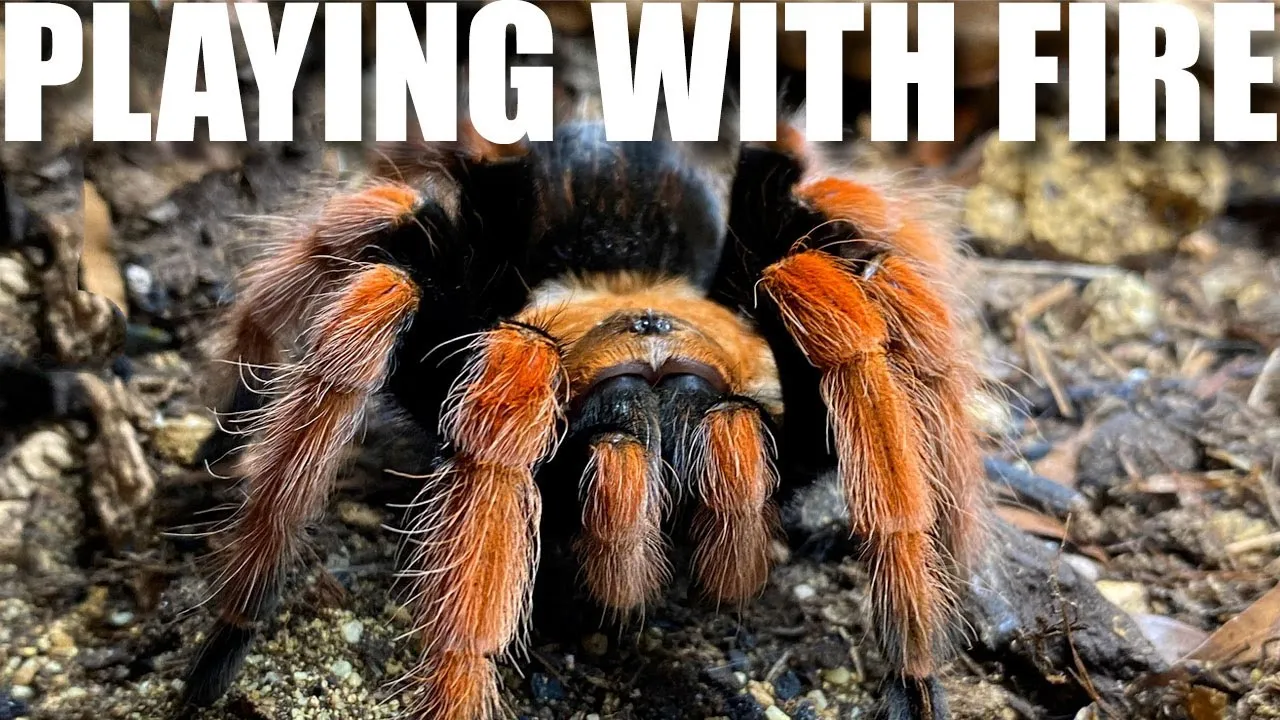
Fire Leg Tarantula Sling Care Guide
The Fire Leg Tarantula sling, scientifically known as Cyriocosmus elegans, is a captivating species gaining popularity among arachnid enthusiasts. Their striking appearance and relatively manageable care requirements make them an appealing choice for both novice and experienced keepers. This comprehensive care guide will provide you with all the essential information needed to ensure your Fire Leg Tarantula sling thrives. From setting up their enclosure to understanding their specific needs, we’ll cover everything you need to know to provide the best possible care for these fascinating creatures. Proper care is crucial for their well-being and longevity, allowing you to witness their unique behaviors and stunning coloration as they mature.
Understanding the Fire Leg Tarantula Sling
What is a Fire Leg Tarantula Sling?

A Fire Leg Tarantula sling refers to the juvenile stage of the Cyriocosmus elegans. Slings are essentially baby tarantulas, characterized by their smaller size, more delicate appearance, and specific care needs compared to adults. They possess vibrant coloration, and while their patterns may change as they grow, the fiery red markings on their legs, which give them their name, are already visible even at this early stage. The sling stage is a critical period for development, and proper care during this time is crucial for their overall health and eventual successful maturation. Understanding this stage is essential for providing the appropriate environment and nutrition.
Why Choose a Fire Leg Tarantula Sling?
Choosing a Fire Leg Tarantula sling can be a rewarding experience for several reasons. Their manageable size makes them suitable for keepers with limited space. Moreover, they exhibit interesting behaviors, which can be fascinating to observe. Fire Leg Tarantula slings are typically less defensive than some larger species, though caution should always be exercised. Their striking coloration provides visual appeal, and the relatively straightforward care requirements make them a good option for those new to tarantula keeping. Additionally, witnessing the growth and development of a sling into a mature tarantula is a unique and satisfying experience.
Setting Up the Perfect Enclosure
Creating an appropriate enclosure is paramount to your Fire Leg Tarantula sling’s well-being. A well-designed habitat provides security, regulates humidity and temperature, and allows your sling to thrive. It’s essential to consider size, substrate, and the overall environment when setting up their new home. A thoughtfully prepared enclosure mimics their natural habitat, reducing stress and promoting healthy growth. This section will guide you through the key aspects of setting up a suitable enclosure for your Fire Leg Tarantula sling, ensuring a comfortable and safe environment.
Choosing the Right Enclosure Size

For a Fire Leg Tarantula sling, the enclosure size should be proportionate to its size. A small, clear plastic container or a deli cup with ventilation holes is often sufficient for the early stages of their life. The enclosure should be approximately 3-5 times the leg span of the tarantula. As the sling grows, you will need to upgrade the enclosure size. A larger enclosure than needed can make it harder for the sling to find food and also increases the risk of the tarantula getting lost in the enclosure. Always ensure the enclosure has a secure lid to prevent escape. Providing appropriate space is essential to prevent stress and promote healthy growth.
Substrate Selection for Your Sling
The substrate is the foundation of your Fire Leg Tarantula sling’s enclosure, providing a surface for burrowing, maintaining humidity, and acting as a naturalistic element. A mix of substrate is recommended to best replicate their natural habitat. Excellent choices include a mixture of peat moss, vermiculite, and a small amount of coco fiber. These substrates hold humidity well, which is crucial for slings. Avoid substrates with sharp edges or potentially harmful chemicals. The substrate should be deep enough for burrowing, generally about 2-3 inches. Regular monitoring and spot cleaning of the substrate is also essential to maintain hygiene and prevent mold growth. Proper substrate selection is vital for the health and comfort of your Fire Leg Tarantula sling.
Creating a Secure Environment
Creating a secure environment involves providing hiding places and ensuring a stable habitat. A small piece of cork bark or a pre-made hide is essential. Slings are vulnerable and appreciate having a place where they can retreat and feel safe. Ensure the enclosure lid fits tightly to prevent escapes. Furthermore, minimize disturbances by placing the enclosure in a quiet, low-traffic area away from direct sunlight. Regularly inspect the enclosure for any signs of escape routes or potential hazards. A secure environment minimizes stress, promotes healthy behavior, and allows your Fire Leg Tarantula sling to thrive. Proper ventilation is also crucial to prevent the buildup of stale air and maintain a healthy environment.
Maintaining Optimal Humidity and Temperature

Maintaining the correct humidity and temperature levels is vital for the health of your Fire Leg Tarantula sling. These environmental factors directly impact molting, feeding, and overall well-being. Consistent monitoring and adjustments are necessary to create the ideal conditions for your sling. An environment that is too dry or too cold can lead to health issues. Conversely, excessive humidity can promote mold and bacterial growth. This section will outline the best practices for maintaining the optimal humidity and temperature levels, ensuring that your Fire Leg Tarantula sling thrives.
Monitoring Humidity Levels
Humidity levels are critical for the well-being of your Fire Leg Tarantula sling, especially during molting. The ideal humidity range is typically between 70% and 80%. To monitor humidity, use a hygrometer, which can be easily placed inside the enclosure. Regularly check the hygrometer to ensure that humidity levels are within the correct range. To increase humidity, mist the enclosure with dechlorinated water, but avoid over-saturating the substrate. Good ventilation is equally important to prevent the formation of mold. Inadequate humidity can lead to molting problems, while excessive humidity can encourage fungal growth. Careful monitoring is key to maintaining a healthy environment.
Achieving the Right Temperature
Fire Leg Tarantula slings thrive in a temperature range of 75-80°F (24-27°C). Use a reliable thermometer to monitor the temperature inside the enclosure. Keep the enclosure away from direct sunlight and drafts, as these can cause temperature fluctuations. If your home is cooler than the desired temperature range, you may need to use a heat source, such as a small heat mat placed on the side of the enclosure. However, make sure the heat source doesn’t directly touch the enclosure or is used incorrectly. Always monitor the temperature carefully to avoid overheating. Providing the right temperature supports their metabolism, digestion, and overall health. Temperature control is as important as humidity in providing a healthy environment.
Feeding Your Fire Leg Tarantula Sling

Feeding is an essential aspect of caring for your Fire Leg Tarantula sling, as it fuels their growth and development. Slings have specific dietary needs and a feeding schedule that differs from adult tarantulas. Proper feeding practices, including food selection and frequency, are essential to ensure the health and well-being of your sling. Understanding their dietary requirements is crucial for providing the necessary nutrition and supporting their growth during this vulnerable stage. This section provides comprehensive guidance on how to feed your Fire Leg Tarantula sling.
Choosing the Right Food
Fire Leg Tarantula slings require small, live prey items that match their size. Good choices include flightless fruit flies and small pinhead crickets. The prey should be no larger than the tarantula’s body, to prevent the sling from being overwhelmed. Ensure the prey is gut-loaded with nutritious food before offering it to your sling. You can achieve this by feeding the crickets or fruit flies with a nutritious diet for at least 24 hours before you feed them to your tarantula. This ensures that your tarantula gets maximum nutritional value. Avoid feeding them wild-caught insects, as they may carry parasites or pesticides. A varied diet is recommended, providing essential nutrients for healthy growth. Availability of food is vital to ensure they eat consistently.
Feeding Frequency and Schedule
Feeding frequency depends on the sling’s size and growth rate. Generally, Fire Leg Tarantula slings should be fed 2-3 times a week. Observe their abdomen to determine whether they need to be fed. A well-fed tarantula will have a plump abdomen. If the abdomen appears shrunken, it’s time to feed them. Remove any uneaten prey within 24 hours to prevent stress to the tarantula. Adjust the feeding frequency based on your sling’s appetite and growth rate. Overfeeding can lead to faster growth, but it might also increase the risk of molting problems. Consistent feeding at the right frequency is crucial for supporting healthy development and promoting a long and healthy life for your Fire Leg Tarantula sling.
Watering and Hydration

Water is essential for all living creatures, and your Fire Leg Tarantula sling is no exception. Proper hydration supports their bodily functions, and contributes to their overall health. Since slings are vulnerable, ensuring that they have access to fresh water is a critical aspect of their care. This section will guide you on providing the necessary hydration, which is key to their well-being.
Providing Fresh Water
Fire Leg Tarantula slings need a constant source of fresh water. The most effective method to offer water is using a shallow water dish, like a bottle cap. Place the water dish in a safe area within the enclosure. Another way to provide water is to mist the enclosure with dechlorinated water. Make sure to mist one side of the enclosure and don’t over mist the substrate. Replace the water in the dish every day or two to prevent bacterial growth and contamination. The water should always be clean and fresh. Dechlorinated water is essential for the tarantula’s health. Always make sure the water dish is shallow to prevent the sling from drowning.
Recognizing Dehydration Signs
Dehydration can be detrimental to your Fire Leg Tarantula sling. Recognizing the signs of dehydration early can save your sling’s life. Common signs include a shrunken abdomen, lethargy, and a lack of appetite. If you observe these signs, immediately provide more water, either via a water dish or misting. Make sure the enclosure has adequate humidity levels. Dehydration is a serious concern and can lead to molting problems or death. By carefully monitoring the hydration status, you can quickly intervene. Regular monitoring helps in early intervention. Always ensure that fresh, clean water is available, and watch for any signs of dehydration.
Handling Your Fire Leg Tarantula Sling

Handling a Fire Leg Tarantula sling is generally not recommended due to their small size and delicate nature. Stressing a sling can lead to a number of issues. However, if handling is necessary, it’s crucial to do so cautiously. The potential risk of injury to both the tarantula and the handler is higher with slings than with adults. This section will help you understand when handling may or may not be necessary and how to do so safely if required.
Is Handling Necessary?
Generally, handling a Fire Leg Tarantula sling is not necessary. Slings are often stressed by handling, and it can increase the risk of injury or escape. The primary goal of tarantula keeping is to observe and appreciate their natural behaviors in their environment. Avoid handling unless absolutely necessary, such as when rehousing or inspecting the enclosure. Handling, if necessary, should be kept to a minimum. Prioritize creating a comfortable and secure environment for the sling. Regular observation of your sling allows you to monitor their health and behavior without unnecessary interaction.
Safe Handling Practices
If handling is unavoidable, it should be done with extreme care and caution. Wash your hands before handling to avoid transferring any oils or chemicals. When handling, encourage the sling to walk onto your hand. Always handle the sling over a soft surface, such as a table with a towel or blanket, to cushion any potential falls. Be aware of the tarantula’s movements and any signs of stress, such as rapid movement or defensive postures. If the sling appears stressed, gently return it to its enclosure. Always be calm and gentle and avoid sudden movements. Ensure that you handle the sling in a safe, controlled environment. Handling should be a last resort.
Molting and Growth

Molting is a natural and essential process for all tarantulas, including the Fire Leg Tarantula sling. During molting, the tarantula sheds its exoskeleton to grow larger. The sling stage is marked by frequent molts, as the tarantula grows rapidly. It is important to understand the molting process and how to support your sling during this vulnerable time. Molting is a critical period for the tarantula’s development. This section will give you the knowledge you need to know about molting and growth in your Fire Leg Tarantula sling.
Recognizing Pre-Molting Signs
Recognizing pre-molting signs is crucial for ensuring that your Fire Leg Tarantula sling is safe and undisturbed. Common signs of pre-molting include decreased appetite, sluggishness, and a darkening of the abdomen. The sling may also spend more time in its hide, and its abdomen may appear swollen. Create an environment that is as calm and stress-free as possible. Provide increased humidity. Avoid disturbing your sling. Do not feed your sling. Make sure there is fresh water available. Being able to recognize these signs allows you to take the right steps to support your sling through the molting process.
Caring During and After Molting
During the molting process, avoid disturbing your Fire Leg Tarantula sling. Do not feed the sling. The sling will be very vulnerable during this time. Ensure that the enclosure has adequate humidity. After molting, the tarantula’s new exoskeleton will be soft and delicate. Wait at least a week before feeding your sling. Avoid handling your sling, as it may be more prone to injury. Provide a clean enclosure. Watch out for any signs of complications after the molt. After your sling molts, you can gradually resume your normal feeding schedule. Providing a safe and stress-free environment during and after molting is critical for the sling’s health and well-being.
Common Health Issues and Prevention
Like all living creatures, Fire Leg Tarantula slings can be susceptible to certain health issues. Prevention is always the best approach, and there are several steps you can take to minimize the risk of your sling developing problems. By understanding common health issues and taking preventative measures, you can ensure that your sling thrives. This section will outline some of the most common health concerns and how to prevent them, contributing to a long and healthy life for your Fire Leg Tarantula sling.
Preventing Mold and Fungal Growth
Mold and fungal growth can be detrimental to the health of your Fire Leg Tarantula sling. These problems often arise from excessive humidity and poor ventilation. To prevent this, ensure that humidity levels remain within the appropriate range, and provide adequate ventilation. Regularly spot clean the enclosure, removing any uneaten food or waste. Use a substrate that does not retain too much moisture, and replace the substrate periodically. Watch for any signs of mold, and take action quickly to eliminate it if spotted. Proper ventilation is essential. Preventing mold and fungal growth is key to providing a healthy environment for your sling.
Recognizing and Addressing Parasites
Parasites can sometimes affect Fire Leg Tarantula slings, and it is important to be aware of how to identify and address them. Common parasites include mites, which can often be seen as tiny dots moving on the tarantula or in the enclosure. To prevent parasites, quarantine all new tarantulas before introducing them to your collection. Ensure all prey items are parasite-free. If you suspect a parasite infestation, seek advice from an experienced arachnid keeper. There are treatments available, but they must be handled carefully and administered according to expert guidance. Early detection is crucial for successful treatment. Regular observation and prompt action are essential to safeguard the health of your Fire Leg Tarantula sling.
Conclusion
Caring for a Fire Leg Tarantula sling can be a deeply rewarding experience. By understanding their unique needs and providing the appropriate environment, you can ensure that your sling thrives and grows into a beautiful adult tarantula. This care guide has provided you with all of the information needed to confidently care for your Fire Leg Tarantula sling. Always remember that consistency, observation, and attention to detail are key to the long-term well-being of your fascinating pet. Enjoy the journey of observing the growth and development of your Fire Leg Tarantula sling. With proper care, you can enjoy many years of their unique beauty and behavior.