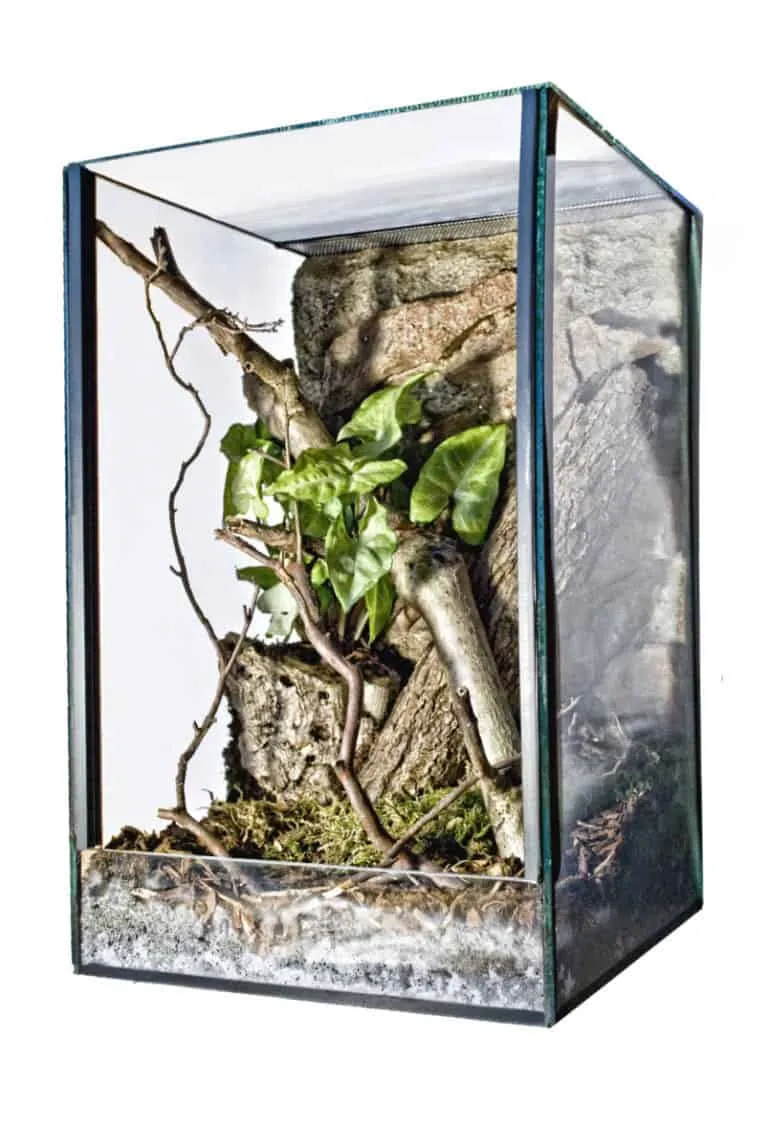
Fireleg Tarantula Enclosure Setup
Setting up the perfect enclosure for your Fireleg Tarantula (Grammostola pulchra) is crucial for its health, well-being, and longevity. This comprehensive guide will walk you through every step, ensuring you create a thriving habitat for your captivating arachnid. From selecting the right size enclosure to providing optimal heating and humidity, we’ll cover everything you need to know. A properly set up enclosure not only meets the tarantula’s basic needs but also allows you to observe its fascinating behaviors and appreciate its unique beauty. Following these guidelines will make the process straightforward and enjoyable, leading to a healthy and happy pet.
Choosing the Right Enclosure Size
The size of your Fireleg Tarantula’s enclosure is a fundamental aspect of its setup. It directly impacts the tarantula’s ability to thrive, molt successfully, and feel secure in its environment. An enclosure that is too small can restrict movement and prevent the tarantula from behaving naturally, leading to stress. Conversely, an enclosure that is excessively large can make it difficult for the tarantula to find food and feel safe, potentially causing it to hide constantly. The goal is to strike a balance, providing ample space without overwhelming your pet. Always consider the adult size of the tarantula when selecting an enclosure, even when acquiring a juvenile.
Factors to Consider when Selecting Enclosure Size

Several factors influence the ideal enclosure size. The tarantula’s leg span is a primary consideration, as the enclosure should be at least three times the tarantula’s leg span in width and length. Ventilation is also key; the enclosure should have adequate airflow to prevent the buildup of excessive humidity, which can lead to mold and other problems. Substrate depth, which affects burrowing behavior, is another crucial factor. For terrestrial species like the Fireleg Tarantula, a depth of at least 4-6 inches is recommended. Ensure the enclosure is secure, with a tight-fitting lid to prevent escape. Finally, consider the available space in your home and the ease of cleaning and maintenance when choosing an enclosure.
Benefits of a Properly Sized Enclosure
A well-sized enclosure offers numerous benefits. It allows the tarantula to move freely, promoting exercise and overall health. It provides sufficient space for the tarantula to establish its preferred microclimate, essential for successful molting and well-being. A properly sized enclosure also facilitates the tarantula’s natural behaviors, such as burrowing, web-spinning, and hunting. It reduces stress by providing a sense of security, which is crucial for the tarantula’s psychological health. Furthermore, an appropriately sized enclosure makes it easier to maintain the correct temperature and humidity levels, promoting a healthy living environment and a long life for your Fireleg Tarantula.
Substrate Selection for Your Fireleg Tarantula
The substrate, or bedding, is a critical component of your Fireleg Tarantula’s enclosure, providing essential functions beyond simply covering the bottom. The right substrate supports burrowing behavior, helps maintain humidity, and provides a comfortable and natural environment for your tarantula. It’s also crucial for the tarantula’s overall health and well-being. A good substrate will absorb waste, aid in molting, and offer the tarantula a place to retreat and feel secure. Choosing the right substrate means considering factors like moisture retention, ease of cleaning, and suitability for burrowing, ensuring the enclosure mirrors the tarantula’s natural habitat as closely as possible.
Best Substrate Options

Several substrate options are suitable for Fireleg Tarantulas. A popular choice is a mix of organic topsoil, peat moss, and vermiculite or sphagnum moss. This combination provides excellent moisture retention and allows for burrowing. Coco fiber, also known as coconut coir, is another excellent option that holds moisture well and is readily available. It’s also a sustainable choice. You can also use a combination of these options. Avoid substrates like cedar or pine shavings, as they can be toxic to tarantulas. Ensure the substrate is free from pesticides and other chemicals. The substrate should be deep enough to allow the tarantula to burrow and feel secure.
Why Substrate is Important
The substrate plays several vital roles in the enclosure’s environment. It provides the necessary humidity, preventing the tarantula from drying out, a crucial element for successful molting. It acts as a cushion, protecting the tarantula if it falls. The substrate also provides the tarantula with a surface to grip, climb, and establish its territory. Additionally, it helps in waste management, absorbing the tarantula’s waste and making the enclosure easier to clean. In short, the substrate creates a comfortable and healthy habitat, essential for the physical and psychological well-being of your Fireleg Tarantula.
Providing Proper Heating and Humidity
Maintaining the correct temperature and humidity is vital for the health and well-being of your Fireleg Tarantula. These environmental factors significantly impact its metabolism, appetite, and ability to molt successfully. The tarantula’s natural habitat dictates its specific needs. Therefore, mimicking these conditions in the enclosure is essential. Inadequate heating or humidity can lead to various health issues, including dehydration, difficulty molting, and overall stress. Regularly monitoring and adjusting these parameters is crucial for providing an optimal living environment for your pet.
Ideal Temperature and Humidity Levels

Fireleg Tarantulas thrive in specific temperature and humidity ranges. The ideal temperature for their enclosure is typically between 75-85°F (24-29°C). During the day, you can allow it to reach the higher end of this range and allow it to be slightly cooler at night. Humidity levels should be maintained between 65-75%. These conditions can be easily monitored using a digital thermometer and hygrometer, which should be placed within the enclosure to ensure accurate readings. Adjusting the heat source and ventilation can help to maintain these levels. Regular misting of the enclosure may be needed to maintain humidity, but avoid over-misting, which can lead to mold growth.
Heating Methods for Fireleg Tarantulas
Several methods can be used to provide heat to your Fireleg Tarantula’s enclosure. A heat mat placed on the side of the enclosure is a popular option, providing gentle, consistent heat. It is essential to use a thermostat to regulate the heat mat, preventing overheating. Ceramic heat emitters (CHE) are another option, emitting heat without light, which is ideal for maintaining nighttime temperatures. Avoid using heat lamps, as they can dry out the enclosure and disrupt the tarantula’s natural day/night cycle. When using any heating element, monitor the temperature carefully, and ensure it’s placed safely to prevent burns or other accidents.
Maintaining Humidity Levels
Maintaining the appropriate humidity level is critical for your Fireleg Tarantula. To increase humidity, lightly mist the enclosure with dechlorinated water, particularly the substrate. However, avoid oversaturating the substrate, as this can encourage mold growth. Proper ventilation is equally important, so the enclosure needs air circulation to prevent moisture buildup. Use a hygrometer to monitor humidity levels accurately. If the humidity is too low, you can increase the frequency of misting or add a water dish. If it’s too high, improve ventilation and reduce misting. The goal is to create a balanced environment that mimics the tarantula’s natural habitat.
Essential Decorations and Hiding Places

Decorations and hiding places are not just aesthetic additions; they are vital for your Fireleg Tarantula’s well-being. They provide a sense of security, reduce stress, and allow your tarantula to exhibit natural behaviors. A well-decorated enclosure mimics the tarantula’s natural environment, creating a stimulating and enriching habitat. When choosing decorations, consider the tarantula’s needs and preferences, ensuring that everything is safe and non-toxic. The right decorations can transform a simple enclosure into a fascinating and engaging living space for your pet.
Decorations that Enhance the Tarantula’s Environment
Several types of decorations can enhance your Fireleg Tarantula’s enclosure. Cork bark is a popular choice, providing excellent hiding spots and climbing surfaces. Artificial plants can add visual appeal and help maintain humidity. Driftwood can also be incorporated to create a natural look. Avoid sharp or rough decorations that could injure your tarantula. The goal is to create a diverse environment that allows your tarantula to explore, hide, and feel secure. Be mindful of the space available and avoid overcrowding the enclosure, which can make the tarantula feel exposed and stressed.
Importance of Hiding Places and Why
Hiding places are crucial for reducing stress and providing a sense of security for your Fireleg Tarantula. Tarantulas are naturally secretive creatures, and they need a safe place to retreat. A hiding place allows the tarantula to feel less vulnerable and helps it regulate its behavior. During molting, hiding places are especially important, as they provide the tarantula with a secure location to shed its exoskeleton. Providing at least one hide is essential. Consider using a pre-made hide, a piece of cork bark, or even a sturdy, upturned pot. The hide should be large enough for the tarantula to comfortably fit inside but not so large that it feels exposed.
Providing Water and Feeding

Proper nutrition and hydration are essential for maintaining a healthy Fireleg Tarantula. A balanced diet and access to fresh water support its growth, molting, and overall health. Understanding your tarantula’s dietary requirements and feeding habits will ensure you provide the best possible care. It is critical to offer suitable food sources and maintain proper hygiene to prevent illness and ensure a long and fulfilling life for your pet. Regular feeding and water changes are crucial elements of tarantula care.
Water Sources and How to Manage
Providing a constant supply of fresh water is critical for your Fireleg Tarantula’s health. Use a shallow water dish, and always ensure it’s clean and accessible. The water dish should be small enough to prevent the tarantula from drowning. Change the water in the dish regularly, ideally every day or every other day, to keep it clean and prevent the growth of bacteria. The dish should be placed in a stable location within the enclosure to avoid spills. A small sponge or cotton ball in the water dish can also help provide the tarantula with something to grip while drinking and prevent accidental drowning. It is important to use dechlorinated water.
Feeding Guidelines and Prey Selection
Fireleg Tarantulas are insectivores, and their diet should primarily consist of insects. Crickets, roaches, and mealworms are popular choices. The size of the prey should be appropriate for the tarantula; the insect should be no larger than the tarantula’s body. Feed juveniles every 2-3 days, and adults can be fed once or twice a week. Remove any uneaten prey after 24 hours to prevent the tarantula from becoming stressed. It is also advisable to gut-load the insects before feeding them to your tarantula by feeding them nutritious food, such as fruits and vegetables, providing your pet with essential nutrients. Be mindful of the tarantula’s molting cycle, as it may stop eating before molting.
Enclosure Maintenance and Cleaning

Regular cleaning and maintenance are crucial for maintaining a healthy environment for your Fireleg Tarantula. These practices prevent the buildup of waste, mold, and bacteria, contributing to the overall well-being of your pet. A consistent cleaning schedule and proper sanitation practices will minimize the risk of disease and ensure a long and healthy life for your tarantula. It is essential to establish a routine and stick to it for the best results. A clean enclosure not only promotes the tarantula’s health but also provides a more pleasant environment for you to enjoy.
Regular Cleaning Schedule
Establish a regular cleaning schedule to maintain a clean and healthy enclosure. Spot-clean the enclosure weekly, removing any uneaten food, dead insects, and visible waste. A full substrate change is typically required every 6-12 months, depending on the substrate used and the amount of waste produced. During a substrate change, carefully remove the tarantula (if possible), dispose of the old substrate, and thoroughly clean the enclosure with a mild soap and water solution. Rinse thoroughly, and allow the enclosure to dry completely before replacing the substrate and returning the tarantula. Regularly wipe down the enclosure walls and decorations to remove any buildup.
How to Spot and Resolve Issues
Regularly inspect the enclosure for any signs of problems. Look for mold, excess moisture, or any unusual odors. If you notice mold, immediately remove the affected substrate and adjust the ventilation. Monitor the tarantula’s behavior; any changes in feeding habits, activity levels, or posture may indicate a health issue. If you notice anything unusual, consult with a veterinarian specializing in exotic animals or a reputable tarantula breeder. Addressing any issues promptly can prevent minor problems from escalating into serious health concerns. By being vigilant and proactive, you can maintain a healthy and thriving environment for your Fireleg Tarantula.
Monitoring the Fireleg Tarantula’s Behavior

Monitoring your Fireleg Tarantula’s behavior is an important part of providing proper care. Observing its habits can help you identify any potential health issues or environmental problems early on. Healthy tarantulas typically have a good appetite, are active (but not overly so), and exhibit natural behaviors like burrowing or web-spinning. Changes in behavior can indicate underlying health problems. For example, loss of appetite, lethargy, or unusual posture may signify illness or stress. Regularly examine the tarantula for signs of parasites, injuries, or abnormalities. Keeping a record of your tarantula’s behavior, feeding habits, and molting cycles can help you detect any deviations from the norm and ensure timely intervention if needed. By staying attentive to your tarantula’s actions, you can ensure its overall well-being.