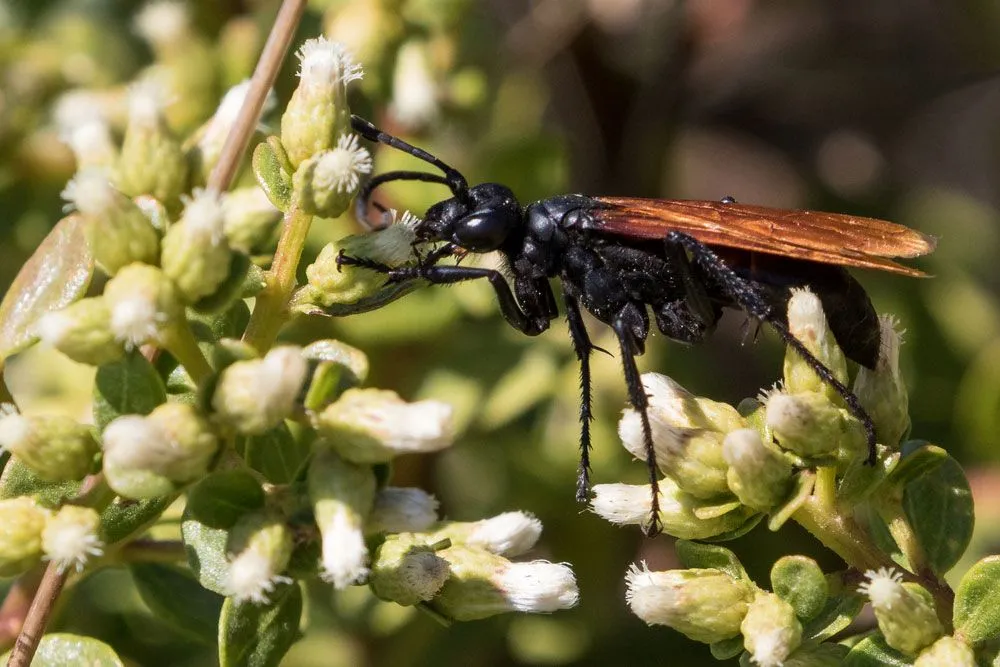
The Florida landscape is home to a fascinating and formidable insect the tarantula hawk. These giant wasps, renowned for their painful sting and unique hunting habits, are a significant part of the state’s ecosystem. While their size and potent sting often instill fear, understanding these creatures is key to coexisting with them safely. This guide aims to provide comprehensive insights into the tarantula hawk, exploring its physical characteristics, habitat, sting severity, and essential safety measures for residents and visitors of Florida.
What is a Tarantula Hawk?
The tarantula hawk (Pepsis grossa) is a species of large, robust wasp belonging to the family Pompilidae. These wasps are solitary hunters, known for their practice of paralyzing tarantulas and using them as hosts for their larvae. They are found in various regions across the globe, and in Florida, they thrive due to the warm climate and abundance of tarantulas, their primary prey. Their life cycle is intricate, and their behavior is a testament to the fascinating complexities of the insect world. The tarantula hawk’s existence plays an important role in the ecosystem, controlling tarantula populations.
Appearance of the Tarantula Hawk
Tarantula hawks are easily recognizable due to their large size and striking appearance. The adult wasps can measure up to 2 inches (5 cm) in length, making them one of the largest wasps species. They are typically characterized by a brilliant blue-black body and wings that are a rusty orange or brown color. The combination of these colors creates a visually striking insect. Males and females look similar, but females are generally larger and possess a stinger, which they use to paralyze their prey. Their robust build and long legs further distinguish them in the insect world, making them easily identifiable in their Florida habitat.
Where Can You Find Tarantula Hawks in Florida?

In Florida, tarantula hawks are frequently found in areas where tarantulas are abundant, such as open, sunny habitats. This includes scrublands, dry forests, and even suburban environments with ample vegetation and sandy soils. They prefer areas with flowers, as they feed on nectar, and where tarantulas can be found. Peak activity for tarantula hawks occurs during the warmer months. Their nests can be found in the ground, often near tarantula burrows, where they provision their larvae. Knowing their preferred habitats can help you avoid encounters and understand their behavior within the Florida ecosystem.
Understanding the Tarantula Hawk Sting
The tarantula hawk’s sting is infamous for its intense pain. It is delivered by the female wasp, which uses its stinger primarily to paralyze tarantulas. However, if threatened, it will also sting humans. The sting itself injects a potent venom, resulting in a severe, immediate pain that can last for several minutes. This venom is designed to immobilize prey, but in humans, it causes an overwhelming sensation. Understanding the nature of the sting is vital for assessing its severity and knowing what to do if you are stung.
The Schmidt Pain Index
The Schmidt Sting Pain Index, developed by entomologist Justin O. Schmidt, rates the relative pain caused by different insect stings. Tarantula hawk stings are consistently ranked at the top of this index, second only to the bullet ant. This ranking underscores the intensity of the pain experienced from a tarantula hawk sting, placing it in a class of its own. Schmidt described the pain as “blinding, fierce, and shocking”. This index is useful for understanding and comparing the impact of insect stings and appreciating the severity of the tarantula hawk’s sting.
How Painful is a Tarantula Hawk Sting?

As per the Schmidt Pain Index, the tarantula hawk sting is exceptionally painful. Those who have experienced it often describe the pain as excruciating, intense, and debilitating. The pain is typically described as a wave of searing agony that spreads rapidly, accompanied by a sense of being completely overwhelmed. The impact can be so severe that it may cause temporary paralysis or intense distress. The level of pain can vary slightly based on individual sensitivity, but the consensus remains that it is one of the most painful insect stings possible.
Severity of the Sting
The severity of a tarantula hawk sting extends beyond the initial pain. While the sting itself isn’t typically life-threatening, it can have significant effects. The primary concern is the intense pain, which can last for up to five minutes and leave a lingering soreness. Secondary effects can include localized swelling, redness, and throbbing at the sting site. Although rare, allergic reactions may occur, which could cause more severe symptoms. Prompt and appropriate response to a sting is essential to mitigate the discomfort and reduce the risk of complications.
Sting Symptoms
The symptoms of a tarantula hawk sting are primarily centered on intense, immediate pain. This pain is often accompanied by a burning sensation, along with redness and swelling at the sting site. Some individuals may experience muscle spasms or a feeling of being disoriented due to the shock of the sting. The pain intensity is so high that it can cause temporary paralysis, making it difficult to move or function normally. Systemic symptoms, although rare, can include nausea, headache, and in some cases, allergic reactions, requiring immediate medical attention.
What to Do If You Get Stung by a Tarantula Hawk

If you are stung by a tarantula hawk, immediate action is necessary. First, remove yourself from the area to avoid further stings. The immediate goal is to reduce pain and prevent complications. There is no specific antidote, but certain steps can alleviate the symptoms. The primary actions involve remaining calm, seeking a safe location, and taking initial steps to manage the symptoms while closely monitoring for any adverse reactions. Quick action can significantly impact your comfort and recovery.
First Aid Steps
First aid for a tarantula hawk sting includes several key steps. Start by gently washing the sting site with soap and water to reduce the risk of infection. Applying ice packs to the area can help reduce pain and swelling. If possible, elevate the affected limb to minimize swelling. Over-the-counter pain relievers like ibuprofen or acetaminophen can help manage the pain. Monitor for any signs of allergic reaction, such as difficulty breathing, swelling of the face or throat, or dizziness, and seek immediate medical assistance if necessary. Stay calm and take action to control the symptoms.
Seeking Medical Attention
While a tarantula hawk sting is not typically life-threatening, certain situations warrant medical attention. If you experience symptoms of a severe allergic reaction such as difficulty breathing, swelling of the face, lips, or throat, or dizziness, seek immediate medical help. Also, if the pain is unbearable or the swelling and redness are excessive, consult a healthcare provider. Medical professionals can offer treatments to manage pain and other symptoms, which can include prescription medications and antihistamines. It’s always better to err on the side of caution when dealing with insect stings.
Preventing Tarantula Hawk Stings

Preventing tarantula hawk stings is largely about awareness and caution. The best way to avoid a sting is to know where they are most likely to be found and to avoid disturbing them. They are generally not aggressive and will only sting if they feel threatened. Protective measures, such as wearing long sleeves, pants, and closed-toe shoes when working or hiking in areas where they are likely to be present, can provide an added layer of safety. Regularly inspect areas around your home and yard, and avoid activities that might provoke the wasps, such as swatting at them.
Avoiding Tarantula Hawks
Avoiding tarantula hawks involves understanding their behavior and habitat preferences. Avoid areas with dense vegetation or sandy soils where they are likely to be hunting or nesting. If you see a tarantula hawk, observe it from a safe distance. Do not make sudden movements that could be interpreted as a threat. If you are working outdoors, especially in areas known to have tarantula hawks, wear protective clothing, and avoid wearing bright colors that might attract them. Be aware of their presence and avoid any actions that could provoke them.
Protecting Your Home
Protecting your home from tarantula hawks involves proactive measures. Seal any cracks or openings in your home’s foundation, walls, and around windows and doors to prevent them from entering. Remove potential nesting sites, such as piles of wood or debris, near your home. Keep outdoor lights to a minimum at night, as these can attract insects that tarantula hawks may prey on. Regular pest control can help to manage any other insects that may attract them. By taking these steps, you can reduce the likelihood of encountering tarantula hawks around your home.
Conclusion About Florida Tarantula Hawk Stings

Tarantula hawks are a fascinating but formidable part of Florida’s natural environment. While their sting is infamously painful, understanding their behavior, recognizing their habitat, and taking preventive measures can significantly reduce the risk of being stung. By educating ourselves on these wasps and their behaviors, we can coexist safely. Always be aware of your surroundings, especially in areas where these creatures are prevalent, and respond promptly to any stings to mitigate the pain and prevent complications. Appreciate the important role these insects play in the ecosystem while respecting their potential for harm.