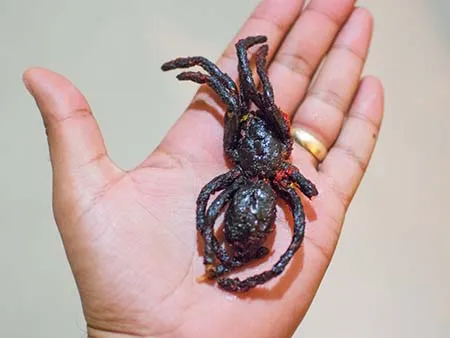
What is a Fried Tarantula?
Fried tarantulas, also known as crispy spiders, are a delicacy in several parts of the world, most notably in Cambodia. These aren’t your average garden-variety spiders; they are large, hairy spiders, often the size of a human hand. The practice of eating tarantulas is a fascinating intersection of culture, survival, and culinary adventure. The spiders are typically deep-fried in oil, often with garlic and other seasonings, resulting in a crispy exterior and a more tender interior. This unusual dish has garnered attention from adventurous eaters and curious food enthusiasts, making it a topic of intrigue for those looking to broaden their palates and explore unique food experiences. Preparing and consuming fried tarantulas offers a glimpse into the diverse ways different cultures interact with their environment and utilize available resources.
The Appearance and Preparation
Before the frying process, the tarantulas undergo specific preparation to enhance their edibility and taste. Freshly caught or sourced tarantulas are first cleaned, removing any unwanted parts. This may involve plucking hairs, which can be irritating, and removing the fangs to prevent any potential hazard. The spiders are then marinated with a mix of seasonings. This marinade can vary based on regional preferences, but common ingredients include salt, sugar, garlic, and chili peppers. The tarantulas are fried in hot oil until the exterior becomes crispy and golden brown. The cooking process can take several minutes, depending on the size of the spider and the desired level of crispiness. The legs are often the first to be cooked to a crisp, while the body retains a softer texture. The result is a visually striking dish, appealing to the adventurous eater.
Origin and Cultural Significance of Eating Spiders

The practice of eating fried tarantulas has deep roots, particularly in Cambodia, where it gained popularity due to food scarcity during the Khmer Rouge regime. During this time, the spiders provided a vital source of protein for survival. Today, while no longer a necessity, fried tarantulas continue to be a beloved street food and a cultural emblem. The spiders are often sourced from local farms or harvested from the wild, reflecting a sustainable practice of utilizing local resources. Eating fried tarantulas represents a connection to the past and a celebration of resilience and resourcefulness. The dish has evolved from a survival food to a culinary experience, attracting tourists and adventurous eaters who are eager to immerse themselves in local traditions. The cultural significance extends beyond food; it represents a community’s adaptability and a celebration of its heritage.
The Taste Profile of a Fried Tarantula
Describing the taste of a fried tarantula can be challenging, as it is a unique sensory experience that is hard to compare to familiar foods. The flavors and textures can vary depending on how it’s cooked and the spider’s specific species. However, there are some common flavor notes and textural elements that can give you a sense of what to expect. The taste is often described as a blend of various flavors and textures, from the crispy exterior to the softer, meaty interior. Many people find the experience surprisingly satisfying. It is a complex interplay of sensations that make fried tarantulas a fascinating and memorable culinary adventure.
Texture and Mouthfeel
The texture of a fried tarantula is a significant part of the experience. The exterior is often crispy and crunchy, similar to fried chicken skin, while the inside can range from a soft, almost creamy texture to a firmer, meatier consistency. The legs are typically the crispiest part, often eaten first, while the body offers a range of textures. Some parts, such as the abdomen, can be more delicate. The combination of the crispy exterior with the softer interior provides a contrast that adds to the enjoyment. Chewing the fried tarantula can vary, some parts will be crisp and break easily, while others require more effort, creating an engaging mouthfeel that keeps the eater involved.
Flavor Notes

The flavor profile of a fried tarantula is surprisingly complex. Many describe it as a combination of flavors, often including a slightly nutty taste reminiscent of almonds, accompanied by earthy notes. The seasoning used in the preparation adds its own layers of flavor, such as the savory hints from garlic or the subtle spice from chilies. Some people report a taste similar to crab or other shellfish, while others note a gamey or even a slightly bitter element. The flavor can vary based on the spider’s diet, the type of oil used for frying, and the spices added. This variability keeps the experience interesting, as each spider can offer a slightly different taste profile. The overall impression is of a complex flavor profile that is unlike any other food.
How Fried Tarantulas are Cooked
Ingredients and Seasoning
The core ingredient, of course, is the tarantula itself. Beyond that, the seasoning is simple, reflecting the availability of ingredients in the regions where it is commonly consumed. Typical ingredients include garlic, salt, sugar, and chili peppers. Some cooks might add a touch of MSG for enhanced flavor. The selection of spices adds layers of aroma and flavor that complement the spiders. The quality of the oil used for frying also makes a difference. The choice of oil affects the texture and taste of the final dish. The preparation aims to highlight the spiders’ unique characteristics while ensuring that the meal is both delicious and safe to eat.
Cooking Methods

The most common cooking method is deep-frying. The spiders are submerged in hot oil, typically vegetable oil or peanut oil, until the exterior turns golden brown and crispy. Some cooks may parboil the tarantulas first to ensure even cooking and a tender interior. The cooking time varies based on the spider’s size and the desired crispiness level, but it usually takes a few minutes. The goal is to achieve a crispy exterior while ensuring the inside is cooked. Skilled cooks monitor the oil temperature carefully to prevent burning. The spiders are removed from the oil, drained, and often served immediately. The simplicity of the cooking method highlights the natural flavors of the tarantulas and the seasonings used.
Where to Try Fried Tarantula
Popular Eateries and Regions
Fried tarantulas are most famously found in Cambodia, where they are a street food staple. Specifically, the town of Skuon is renowned for its fried spider markets. You can find them at local markets and restaurants, often served with a dipping sauce. While less common elsewhere, adventurous eaters might find them at select restaurants specializing in exotic cuisine. If you are looking for fried tarantulas, exploring local markets and seeking recommendations from locals is a good approach. These establishments often provide the most authentic experience, allowing you to savor the dish in its cultural context. The experience of eating fried tarantulas is enhanced when you are immersed in the local culture and traditions.
Tips for First-Timers

For first-timers, starting with the legs is often recommended, as they are usually the crispiest part. Expect a mix of textures and flavors. Be open-minded and willing to try. Do not be afraid to ask questions about the preparation or origin. Pairing the tarantula with a beverage like a cold beer can enhance the experience. Consider visiting a local market, as this will immerse you in the environment and culinary culture. By being open to the experience and embracing the local culture, you can enjoy a truly unique culinary adventure. Be prepared to try something new and unexpected, and relish the moment as you expand your palate.
What to Expect
The anticipation of eating a fried tarantula can be as exciting as the experience itself. Visually, the spider is a striking dish, presenting a crunchy exterior with visible legs and body parts. The initial bite offers a satisfying crunch, followed by a more tender inside. The flavor can vary, with the potential for nutty, earthy, or even slightly gamey notes. The experience is a blend of textures, from crispy legs to softer body parts. It is a cultural experience, representing a unique interaction with food. The overall experience leaves a lasting impression, as it challenges preconceived notions about food and encourages an adventurous spirit. Prepared to be surprised and to savor the adventure.
Pairing Suggestions
Beverage Pairings

The ideal beverage to accompany fried tarantulas should complement their unique flavor profile. A cold, crisp beer, such as a lager or pilsner, is a popular choice. Its refreshing qualities cut through the richness of the fried spider, cleansing the palate between bites. Alternatively, a light-bodied white wine or a dry rosé can provide a similar effect, with their acidity helping to balance the dish. For those who prefer non-alcoholic options, a refreshing iced tea or a lightly sweetened lemonade can also be a good choice. The goal is to choose a drink that enhances the experience. The right beverage can elevate the flavors and textures of the fried tarantula, creating a harmonious culinary experience. The choice of beverage is ultimately a matter of personal preference, but a drink that is refreshing and palate-cleansing is generally the best choice.
Nutritional Value and Health Considerations
Benefits and Risks
Fried tarantulas, like other insects, can be a good source of protein, iron, and other nutrients. They are relatively low in carbohydrates. Eating them can be a novel way to consume essential nutrients. However, it’s important to be aware of potential health risks. The spiders are usually fried in oil, increasing the fat content. Allergies are a consideration, as people with shellfish allergies may experience similar reactions. Sourcing the spiders from reputable sources ensures they are safely prepared. It’s essential to balance the potential benefits of eating fried tarantulas with awareness of the risks. The nutritional content varies based on the spider’s diet and the cooking method. Consumers should be mindful of portion sizes and cooking methods. Choosing well-sourced and properly prepared tarantulas can contribute to a safer and more nutritious experience.
Cultural Attitudes and Perceptions
The consumption of fried tarantulas is a fascinating case study in cultural differences and food perceptions. In Cambodia, it is a delicacy, enjoyed for its taste and cultural significance. However, in many Western cultures, it is often viewed with shock or disgust. These differing attitudes highlight the impact of cultural norms and upbringing on our approach to food. The perception of insects as food, known as entomophagy, is becoming increasingly accepted. As people become more aware of sustainable and alternative protein sources, eating insects like tarantulas is gaining interest. The shift is also driven by a growing curiosity and a desire to experience global cuisines. Embracing entomophagy is a reflection of evolving cultural perspectives and an appreciation for diverse food practices. It encourages open-mindedness and a willingness to explore unfamiliar culinary experiences.
The Future of Entomophagy
The practice of eating insects, including fried tarantulas, is predicted to expand in the coming years. This rise is driven by factors such as the need for sustainable protein sources, the growing popularity of exotic cuisine, and increasing awareness of environmental issues. Insects require fewer resources to raise compared to traditional livestock, and they generate less greenhouse gas emissions. Entomophagy may provide an environmentally friendly and nutritious alternative to current protein sources. Innovations in insect farming and food processing are making edible insects more accessible. The future of eating fried tarantulas and similar foods depends on several factors, including consumer acceptance, production efficiency, and the continued development of innovative culinary applications. The trend towards embracing unconventional foods underscores the importance of sustainability and cultural exploration.