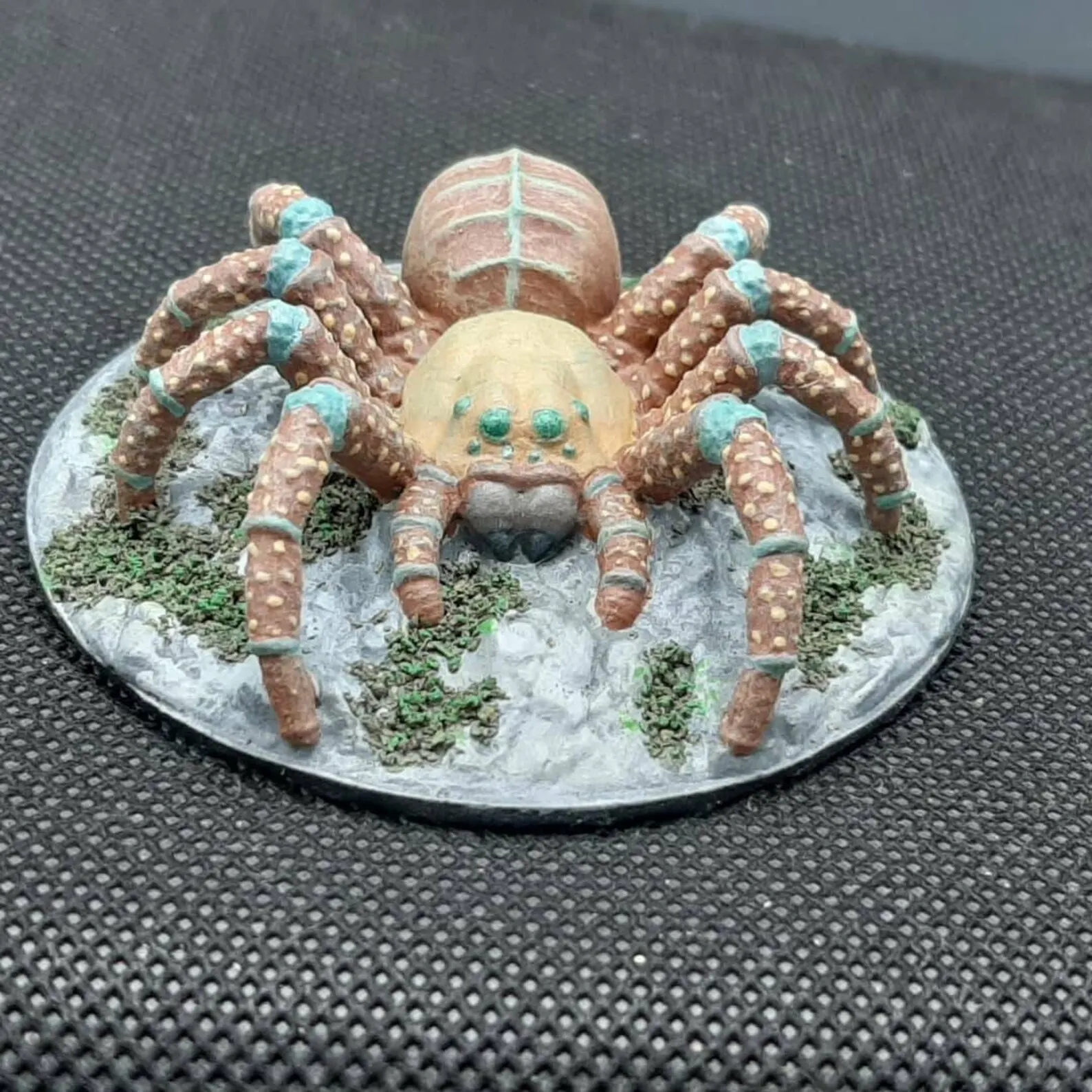
The giant tarantula is a formidable foe in Dungeons and Dragons 5th Edition, capable of turning even the most seasoned adventurers into prey. This guide provides everything you need to understand, strategize against, and ultimately dominate encounters with this eight-legged menace. Mastering the tactics presented here will give you the edge, whether you are a player or a Dungeon Master, in any situation involving a giant tarantula. Prepare to delve into the depths of its abilities, environment, and how to exploit its weaknesses to ensure victory.
Understanding the Giant Tarantula 5e
Before you can hope to defeat a giant tarantula, you must first understand its capabilities. Knowing its strengths and weaknesses is critical. This section breaks down the essential aspects of the giant tarantula’s design, allowing you to anticipate its moves and plan your response effectively. Knowledge is your first weapon against this creature, giving you the ability to analyze and react accordingly. Remember that a well-prepared adventurer is a survivor, and with understanding comes preparedness.
Basic Stats and Abilities
Armor Class, Hit Points, and Speed

The giant tarantula in 5e boasts a moderate Armor Class (AC), reflecting its natural exoskeleton, meaning it will take a few hits to bring it down. Its Hit Points (HP) are significant, indicating its resilience and ability to endure a fight. Its speed, while not extraordinarily high, allows it to navigate the battlefield efficiently, closing the distance to its prey. Understanding its HP is crucial for gauging the duration of the encounter. Consider these factors carefully during combat planning; knowing the AC tells you what numbers you’ll need to hit, and the speed can determine how it gets to you.
Attack Methods Bite and Web
The giant tarantula relies on two primary attack methods bite and web. Its bite deals a moderate amount of piercing damage and may, depending on the creature, inflict poison. The webbing is a significant battlefield control ability, capable of restraining creatures and restricting their movement. The web ability can quickly change the tide of battle, turning a fair fight into a deadly trap. Knowing how these attacks function will affect your decision-making in battle. Being able to see what the giant tarantula is capable of is critical for survival.
The Giant Tarantula’s Environment
Habitat and Behavior

Giant tarantulas typically inhabit dark, secluded environments such as caves, forests, and ruins. Their behavior is primarily predatory, ambushing prey from concealed locations. Understanding their habitat is essential for predicting encounters and utilizing the environment to your advantage. Knowing where they are likely to lurk can help you avoid being surprised. A tarantula’s hunting strategies involve stealth and the element of surprise; they will often blend in with their surroundings. These creatures are opportunistic hunters, waiting for the perfect moment to strike, making awareness of their habitat your best defense.
Common Locations and Encounters
Encounters with giant tarantulas are common in dungeons, underground tunnels, and overgrown forests. The terrain often provides the tarantula with cover and opportunities for ambushes. Anticipating these locations and preparing accordingly can be a game-changer. Be cautious when moving through dark, enclosed spaces and look for webs or other signs of their presence. Be aware of the common types of terrain, such as rocky areas and areas with loose earth, as these can further enhance the threat. A good Dungeon Master will use this to their advantage, and adventurers should too.
Strategic Combat Planning
Effective combat planning is crucial for survival. Anticipating the tarantula’s moves and preparing a strategy to counter them is the first step. Utilizing the right skills at the right time and coordinating your team can greatly increase your chances of success. Developing a comprehensive combat plan that accounts for the strengths and weaknesses of both your party and the giant tarantula is a vital part of dominating the encounter. A well-prepared group, with thoughtful planning, can face any challenge.
Initiative and Positioning

Winning the initiative roll can be a significant advantage. If you go first, you can control the flow of battle, potentially preventing the tarantula from acting before you can set up your defenses. Positioning is equally important; keep distance when needed, and have a good field of view to spot incoming threats. Utilize terrain to your advantage, using cover to protect yourself from the tarantula’s attacks. Strategic positioning prevents you from being an easy target.
Leveraging the Web Ability
The web ability is the giant tarantula’s primary battlefield control tool. It can restrain creatures, making them vulnerable to further attacks. Having ways to deal with webs is a must. Consider the use of spells such as fire bolt to burn away the webs. Additionally, characters with high Strength scores can attempt to break free of the webs. Keep a close eye on party members that may be affected by webbing, and prepare a rescue strategy. Know how to deal with this ability, and the tide of battle will shift in your favor.
Teamwork and Tactical Advantages
Teamwork is crucial. Coordinate attacks, support each other, and designate roles to maximize your effectiveness. One character can focus on dealing damage, another can focus on healing and support, and another can control the battlefield. Utilizing tactical advantages, such as flanking, can provide bonuses to your attack rolls. A coordinated team is a deadly team; make sure you and your group understand how to work together. In the face of such a creature, it is always better to work with others.
Countering the Giant Tarantula

Effective counter-strategies involve knowing the giant tarantula’s weaknesses and employing tactics to exploit them. This section focuses on identifying weaknesses, choosing appropriate attack strategies, and utilizing spells and abilities to neutralize the threat. Proper preparation and understanding of available resources make it easier to emerge victorious. Learning the creature’s weaknesses and knowing how to use this to your advantage is essential to victory.
Identifying Weaknesses
Giant tarantulas are susceptible to certain damage types. Fire and cold damage are often effective due to their exoskeleton. In addition, their relatively low Wisdom score makes them vulnerable to spells and abilities that target mental fortitude. Researching the specific monster statistics in the Monster Manual can provide additional insights into potential vulnerabilities. Always consider how to use your special skills and abilities to gain an edge. Knowledge of its weaknesses is a powerful weapon in itself.
Effective Attack Strategies
Prioritize targeting the giant tarantula’s AC with your attacks. Utilize ranged attacks to stay out of its reach and limit its ability to attack. If the tarantula is webbed, focus fire on the restrained creatures to eliminate the immediate threat. Combining attack strategies, such as dealing high damage and imposing conditions, can quickly turn the tide. Plan your attacks to be as efficient as possible, removing all the threats as quickly as possible.
Utilizing Spells and Abilities

Select spells and abilities that target the giant tarantula’s vulnerabilities. Spells such as fire bolt and ice knife can deal significant damage, while spells like hold monster can temporarily neutralize its attacks. Abilities that can remove the webbed condition are also invaluable. Choose spells and abilities that work well with your team and your environment, taking advantage of all the tactical benefits. The more tools you have in your toolbox, the better your chances are.
Post-Combat Analysis and Rewards
Once the battle is over, it is important to analyze the encounter to improve your strategies for the future. Collect loot and experience points to help you grow stronger. This final section covers the rewards of the encounter and how to use the experience to better yourself and your party.
Loot and Experience
Giant tarantulas may drop valuable loot, such as chitinous armor or rare venom. Record your experience gained from the battle, as experience points are essential for character progression. Make sure you understand the rules for looting and distributing rewards so that your party is fair and has a clear understanding of the rules. These rewards will help you progress in your game.
Integrating the Giant Tarantula into Your Campaign

The giant tarantula can be a compelling element in any D&D campaign. As Dungeon Master, you can use it to create tension, challenge your players, and enrich the narrative. Use the information provided in this guide to customize encounters, design compelling environments, and craft thrilling storylines. Integrating the giant tarantula effectively can provide memorable and exciting gameplay experiences for your players.
By following these guidelines, you’ll be well-equipped to face the giant tarantula in 5e and dominate any encounter. Remember, knowledge, preparation, and teamwork are your greatest weapons. Happy adventuring!