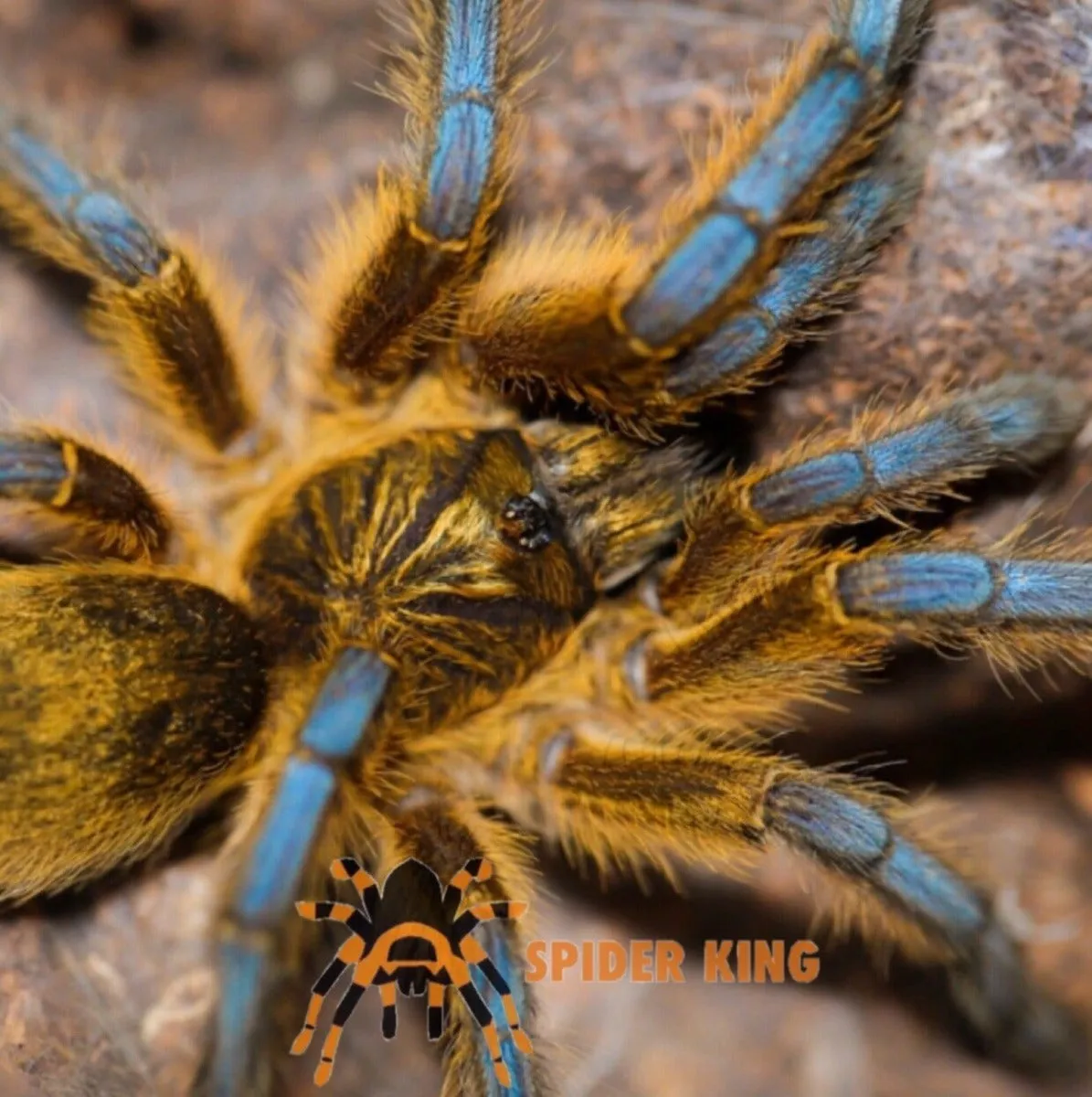
What is a Golden Blue Leg Baboon Tarantula
The Golden Blue Leg Baboon Tarantula ( Heteroscodra maculata) is a captivating and somewhat challenging species, making it a popular choice for experienced tarantula keepers. Hailing from the African continent, this spider is known for its striking appearance and active nature. While the name might conjure images of a colorful display, the ‘golden’ and ‘blue’ primarily refer to the subtle hues that can be seen under specific lighting conditions. Its vibrant personality and unique needs make it an intriguing pet, but also demand a thorough understanding of its requirements before you consider bringing one home. Buying this species involves research and preparation, ensuring you are ready to provide the appropriate care to this beautiful creature and making sure that any Golden Blue Leg Baboon Tarantula for sale comes from a reputable breeder.
Appearance and Characteristics
The Golden Blue Leg Baboon Tarantula has a distinct appearance that sets it apart. They typically have a dark carapace, with the legs exhibiting a mix of colors. The overall appearance is somewhat muted, but with the right lighting, the blue hues on the legs and the subtle golden tones on the body become visible. They are a medium to large sized tarantula, with females reaching up to 5-6 inches in leg span. Males are usually smaller and tend to have a shorter lifespan than their female counterparts. Their bodies are covered in urticating hairs, which they can flick off their abdomen as a defense mechanism, so it is crucial to avoid direct contact whenever possible.
Habitat and Natural Behavior

In their natural habitat, Golden Blue Leg Baboon Tarantulas are primarily found in the rainforests of Africa, where they create their burrows and webs in trees, under rocks, or in the soil. They are known to be opportunistic hunters, ambushing their prey. They are fast and aggressive tarantulas, so their behavior in captivity can be challenging for beginners. These tarantulas are primarily nocturnal creatures, becoming most active during the evening and night. Understanding their natural environment is crucial to replicating their natural conditions and providing them with the best possible care in captivity, mimicking their habitat, will contribute to their overall well-being.
Why Choose a Golden Blue Leg Baboon Tarantula
Benefits of Owning This Tarantula
Owning a Golden Blue Leg Baboon Tarantula can be incredibly rewarding for experienced keepers. Their fascinating behavior, the opportunity to study a unique species, and their relatively manageable size make them a great choice for those with prior tarantula experience. Also, their impressive appearance, with the subtle colors, creates a visually appealing display in your home. The Golden Blue Leg Baboon Tarantula is also a great option for those who are fascinated by the natural world. Keeping this tarantula offers a captivating glimpse into the world of arachnids, allowing you to witness their intricate behaviors and life cycle. The ability to provide this type of care is a rewarding aspect of owning this type of tarantula.
Things to Consider Before Buying

Before purchasing a Golden Blue Leg Baboon Tarantula, it is vital to consider the challenges and the responsibilities involved. They are not recommended for beginners because of their speed, defensive behavior, and venom. The need for a secure enclosure and the potential for a bite should be a major concern. Also, you should consider the potential for allergies. Handling is generally discouraged, as the spider is likely to bite if it feels threatened. You’ll need to consider the commitment of providing proper care for a long time. These tarantulas can live for a long time, so be ready to provide care for many years.
Where to Buy a Golden Blue Leg Baboon Tarantula
Reputable Breeders and Sellers
When considering a Golden Blue Leg Baboon Tarantula for sale, the source is of utmost importance. Purchasing from a reputable breeder or seller is essential to ensure you are getting a healthy specimen. Reputable breeders prioritize the health and well-being of their tarantulas, and they often have a deep understanding of the species. Look for breeders who can provide information about the spider’s origin, age, and feeding habits. Checking online reviews and recommendations can also help you to identify trustworthy sellers. Furthermore, choose sellers who are knowledgeable about the specific needs of this tarantula.
Online vs. Local Pet Stores

The choice between buying online or from a local pet store depends on personal preference and the availability of Golden Blue Leg Baboon Tarantulas. Online sellers often offer a wider selection and competitive pricing, but you will not be able to assess the tarantula in person before purchasing. Be sure to thoroughly research the seller’s reputation and shipping practices. Local pet stores can provide the opportunity to view the spider and ask questions, which allows you to assess its health and behavior. However, local stores may have a limited selection or higher prices. Weighing these factors will help you make an informed decision.
How to Care for Your Golden Blue Leg Baboon Tarantula
Enclosure Setup
Setting up the right enclosure is crucial for the health and well-being of your Golden Blue Leg Baboon Tarantula. A secure, escape-proof enclosure is a must due to their speed and tendency to flee when threatened. A glass or acrylic terrarium with a secure lid is recommended. The size of the enclosure should be appropriate for the tarantula’s size. A general rule of thumb is that the enclosure should be at least three times the tarantula’s leg span in width. Ventilation is important, so the enclosure should have good airflow to prevent the buildup of humidity and mold.
Substrate and Decoration

The substrate is the bedding that covers the bottom of the enclosure. A good substrate should retain moisture, provide a place for the tarantula to burrow, and be safe. A mix of peat moss, coconut fiber, and vermiculite works well. Provide about 4-6 inches of substrate to allow the tarantula to burrow. Include a hide, such as a piece of cork bark or a hollow log, to provide a secure retreat where it can feel safe. Also include some other decorations, such as artificial plants or branches, which can help to replicate the tarantula’s natural environment and provide additional hiding spots.
Temperature and Humidity
Maintaining the correct temperature and humidity levels is essential for the health of your tarantula. The ideal temperature range for the Golden Blue Leg Baboon Tarantula is between 75-85°F (24-29°C). You can use a heat mat or a ceramic heat emitter to maintain the desired temperature. Make sure to place the heat source on one side of the enclosure, creating a temperature gradient. Humidity levels should be around 60-70%. You can monitor the humidity with a hygrometer. To maintain humidity, lightly mist the enclosure with water every few days. Ensure good ventilation to prevent mold or bacterial growth.
Feeding and Nutrition
Providing a proper diet is key to keeping your tarantula healthy. Golden Blue Leg Baboon Tarantulas are carnivores, and they require a diet primarily consisting of insects. The size of the prey should be appropriate for the tarantula’s size, so avoid giving prey that is too large. Dust the insects with a vitamin and mineral supplement, especially for young tarantulas, to ensure they receive the necessary nutrients for proper growth and health. Fresh, clean water should always be available in a shallow dish. Remove uneaten food items to prevent the growth of mold and mites, especially after feeding.
What to Feed Your Tarantula

Suitable food items for Golden Blue Leg Baboon Tarantulas include crickets, roaches, mealworms, and other insects that are readily available at pet stores. It is crucial to vary the diet to provide a balanced supply of nutrients. Prior to feeding, gut-load the insects with nutritious foods. Avoid feeding wild-caught insects, as they may contain parasites or pesticides. When selecting prey, ensure it is free from any insecticides or chemicals. When it comes to providing Golden Blue Leg Baboon Tarantula for sale, it is important to emphasize the responsibility of providing a healthy and balanced diet.
Feeding Frequency
The feeding frequency should depend on the tarantula’s age and size. Spiderlings and juveniles need to be fed more often, usually every 2-3 days. Adult tarantulas can be fed once or twice a week. Observe your tarantula’s feeding habits and adjust the frequency accordingly. A tarantula that is not eating may be getting ready to molt, or the temperature might be too cold. When the tarantula is in premolt stage, it will likely refuse food. Always remove uneaten food after 24 hours to maintain a clean and healthy enclosure.
Handling and Safety
Handling a Golden Blue Leg Baboon Tarantula is generally not recommended, especially for novice keepers. These tarantulas are known for their speed and defensive behavior, and they can bite if they feel threatened. Their bites are painful, although not usually medically significant. However, the urticating hairs can cause significant skin irritation and itching. If handling is necessary, do so with extreme caution and only when the tarantula is calm. Avoid sudden movements and make sure the tarantula cannot escape. Always wash your hands after handling the tarantula or cleaning the enclosure. It is highly recommended to observe these beautiful creatures from a distance.
Health and Common Issues

Identifying and Treating Common Ailments
Tarantulas can be affected by several health problems. Common issues include parasites, mites, and fungal infections. Mites can be identified by small, moving specks on the tarantula or in the enclosure. They are usually caused by poor hygiene. Fungal infections can occur in enclosures that are too humid or poorly ventilated. Look out for unusual behavior, such as lethargy, loss of appetite, or changes in appearance. Consult with a veterinarian who specializes in exotic animals for advice on treatment and medication. Also, observe your tarantula regularly to catch any signs of illness early on.
Preventive Care
Preventing health issues is more important than curing them. Regular cleaning of the enclosure is essential for maintaining a healthy environment. Replace the substrate every few months or when it becomes soiled. Make sure to remove any uneaten food and waste to prevent mold and bacteria growth. Maintain the correct temperature and humidity levels. Also, always provide a balanced diet and fresh water. Quarantine new tarantulas for a few weeks to prevent the spread of any potential diseases. Observe the tarantula frequently and take note of any changes.
Conclusion
Owning a Golden Blue Leg Baboon Tarantula can be a rewarding experience for those who are prepared to meet its unique needs. This guide provides the essential information to help you successfully care for these amazing creatures. From finding a reputable Golden Blue Leg Baboon Tarantula for sale, to setting up its enclosure, feeding it properly, and providing the right temperature and humidity, you can enjoy the experience of keeping this beautiful species. By following these guidelines, you can ensure your tarantula lives a long and healthy life. Remember to always do thorough research and seek advice from experienced keepers or a veterinarian specializing in exotic animals if you have any concerns. Enjoy the unique world of the Golden Blue Leg Baboon Tarantula.