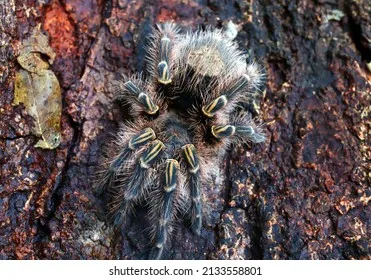
Understanding the Golden Knee Tarantula (GKT)
The Golden Knee Tarantula, scientifically known as Grammostola pulchra, is a popular pet tarantula prized for its docile temperament and striking appearance. This guide provides comprehensive care instructions to ensure your GKT thrives. Understanding their needs is the first step in providing a happy and healthy environment for your eight-legged friend. They are relatively easy to care for compared to some other tarantula species, making them a great choice for both beginners and experienced keepers. Proper care involves creating a suitable habitat, providing appropriate nutrition, and understanding their unique behaviors. With the right approach, you can enjoy the fascinating world of Golden Knee Tarantulas.
GKT Origin and Natural Habitat
Golden Knee Tarantulas are native to the grasslands and scrub forests of Brazil. In their natural habitat, they burrow in the ground or find refuge under rocks and logs. The environment they come from influences their needs in captivity, and replicating this environment as closely as possible is key to their well-being. They prefer a warm and humid environment with plenty of hiding places to feel secure. Understanding their origin helps us to tailor the care we provide to meet their fundamental needs and promote natural behaviors. These tarantulas have adapted to a specific climate and terrain, and their captive environment should mimic these conditions as closely as possible.
GKT Physical Characteristics

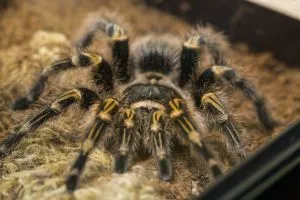
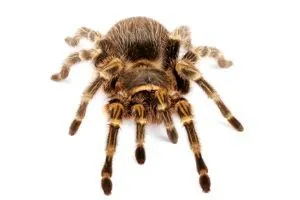
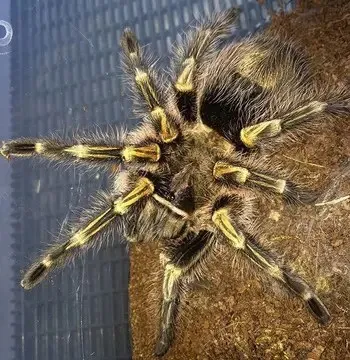
Golden Knee Tarantulas get their name from the golden-yellow bands on their knee joints, which contrast beautifully with their black body. They are a relatively large tarantula species, with females reaching up to 7-8 inches in leg span, and males are typically slightly smaller. Their bodies are covered in hairs called setae, which play a role in their sensory perception. They are known for their calm demeanor, but like all tarantulas, they possess fangs and can bite if provoked. The vibrant coloration of the golden knees and the overall robust appearance make them a visually appealing species. Careful observation of their physical characteristics will help you to assess their health and identify any potential issues early on.
Setting Up the Perfect GKT Enclosure
Creating the perfect enclosure for your Golden Knee Tarantula is essential for its health and well-being. The enclosure should provide ample space, a suitable substrate, and a comfortable environment. The goal is to replicate their natural habitat as closely as possible, providing hiding places, proper temperature and humidity, and security. A well-designed enclosure will not only keep your tarantula happy but will also make it easier for you to observe and care for it. Consider all aspects, from size and ventilation to the type of substrate used. A well-planned enclosure contributes to a stress-free environment where your GKT can thrive and display its natural behaviors.
Enclosure Size and Type
The size of the enclosure depends on the size of your Golden Knee Tarantula. A juvenile GKT can be housed in a small container, such as a critter keeper. As they grow, they will need more space. A good rule of thumb is to provide an enclosure that is at least three times the tarantula’s leg span in length and width. A 10-gallon tank or a similar-sized enclosure is usually sufficient for an adult. Make sure the enclosure has a secure lid to prevent escapes. The type of enclosure is also important; glass or clear plastic enclosures are best for easy observation. Ensure the enclosure offers good ventilation to prevent mold and bacterial growth.
Substrate Selection for Your GKT
The substrate serves as the floor of your tarantula’s enclosure and plays a crucial role in maintaining humidity and providing a comfortable environment. A good substrate for a Golden Knee Tarantula should be able to retain moisture and allow for burrowing. A mixture of organic topsoil, peat moss, and a little bit of vermiculite or coconut fiber works well. The depth of the substrate should be at least 4-6 inches to allow the tarantula to burrow if it chooses. Avoid using substrates like sand or gravel, which can be difficult to maintain at the correct humidity level and can also pose risks to your tarantula. Regularly check the substrate for cleanliness and replace it as needed.
Essential Enclosure Decor
Decorations add enrichment to your Golden Knee Tarantula’s enclosure, providing hiding places and enhancing its comfort. A piece of cork bark, a hollow log, or an artificial hide is essential to allow your tarantula to feel safe and secure. Provide a shallow water dish for drinking, ensuring that it is not too deep to prevent drowning. Live or artificial plants can also add to the aesthetic and help maintain humidity. Avoid using sharp objects or anything that can potentially harm your tarantula. The decorations should be arranged in a way that provides both security and opportunities for the tarantula to explore its habitat. Make sure any decor is non-toxic and safe for your GKT.
Maintaining Optimal Temperature and Humidity
Golden Knee Tarantulas thrive in a temperature range of 75-85°F (24-29°C). You can use a heat mat placed on the side of the enclosure to maintain the right temperature. Never place the heat mat directly under the enclosure, as this can cause the substrate to dry out too quickly. The humidity level should be kept between 65-75%. You can achieve this by misting the enclosure with water every few days, monitoring the humidity levels with a hygrometer. Good ventilation is essential to prevent mold growth, but avoid creating drafts. Regularly check the temperature and humidity to ensure your GKT’s comfort.
Feeding Your Golden Knee Tarantula
Proper nutrition is vital for the health and growth of your Golden Knee Tarantula. They are opportunistic predators and will readily consume a variety of insects. The right diet will provide them with the nutrients they need to thrive. The frequency and type of food depend on the tarantula’s age and size. Feeding your tarantula requires careful consideration of the food items, the frequency of feeding, and techniques to ensure they are eating properly. A well-fed GKT is a healthy GKT, so get it right.
Choosing the Right Food
The staple diet for Golden Knee Tarantulas consists of insects such as crickets, cockroaches, mealworms, and superworms. The size of the food item should be appropriate for the size of your tarantula. Generally, the prey should be no larger than the tarantula’s body. Variety is key, so offering different types of insects can help ensure a balanced diet. It is important to gut-load the insects before feeding them to your tarantula. Gut-loading involves feeding the insects nutritious foods, like vegetables and commercial insect food, before offering them to your tarantula. This enriches the nutritional value of the prey.
Feeding Frequency and Techniques
Juvenile Golden Knee Tarantulas should be fed more frequently than adults. Feed juveniles 2-3 times a week, while adults can be fed once every 1-2 weeks. The frequency also depends on the tarantula’s appetite and whether it is in a pre-molt state. Place the prey in the enclosure and observe if the tarantula is interested. Remove any uneaten prey within 24 hours to prevent stressing the tarantula and to avoid any potential harm. It is essential to monitor the tarantula’s feeding habits, and adjust the feeding frequency according to its needs and preferences. Always ensure fresh water is available.
Watering and Hydration
Providing fresh water is crucial for your Golden Knee Tarantula’s survival. Use a shallow water dish that is easily accessible. The dish should be small enough to prevent the tarantula from drowning. Always keep the water dish clean and regularly change the water. In addition to the water dish, you can mist the enclosure lightly every few days to help maintain humidity. Make sure that the enclosure is well-ventilated to prevent mold or bacterial growth. Hydration is key to a GKT’s health, and adequate water is essential for their molting process and overall well-being. Observe your GKT to make sure it is drinking properly.
GKT Molting Process
Molting is a natural process where tarantulas shed their exoskeletons to grow. This process is essential for their growth and overall health. Understanding the molting process and providing a safe environment during this time is crucial. The frequency of molting depends on the tarantula’s age. Juveniles molt more often than adults. During molting, the tarantula is vulnerable, so providing a stress-free environment is essential for its survival. The molting process is a fascinating aspect of tarantula care and understanding it will help you keep your GKT healthy.
Recognizing the Signs of Molt
Before molting, your Golden Knee Tarantula will typically stop eating and become less active. The abdomen may appear darker, and the tarantula might start constructing a web mat. The tarantula may also lie on its back. These are all indications that the tarantula is preparing to molt. Provide a stress-free environment and avoid disturbing the tarantula during this vulnerable period. Keep the enclosure at the correct temperature and humidity levels to facilitate the process. Observe your tarantula without interference, and be patient while it goes through this natural process. A good diet and environment help with molting.
Providing a Safe Molting Environment

During the molting process, avoid disturbing your Golden Knee Tarantula. Refrain from feeding it. Keep the enclosure at the appropriate temperature and humidity levels. Make sure that the enclosure is free from any potential hazards. Provide a safe, undisturbed space, such as a hide or burrow, where it can safely molt. The tarantula will typically lie on its back or side to molt. Avoid handling your tarantula during this time, as it is very vulnerable. After the molt, the tarantula’s exoskeleton will be soft, so do not feed it for a week or two until the exoskeleton hardens. Ensure the tarantula has access to fresh water.
Handling and Safety Precautions
While Golden Knee Tarantulas are known for their docile nature, it is important to handle them with care and take necessary safety precautions. Always remember that tarantulas are fragile creatures, and it is essential to avoid any action that can potentially harm them. Understanding their behavior and potential hazards is crucial for both the tarantula’s safety and your own. While bites from these tarantulas are not considered medically significant, they can still be painful. Handling should be kept to a minimum and only undertaken when absolutely necessary. Always wash your hands before and after handling, and be mindful of your actions.
Safe Handling Practices
If you choose to handle your Golden Knee Tarantula, always do so gently and with respect. Wash your hands thoroughly before and after handling. Approach the tarantula slowly and let it walk onto your hand. Avoid sudden movements. Handle the tarantula over a soft surface, such as a bed or a carpet, in case it falls. Never squeeze or drop your tarantula. Be aware of the tarantula’s body language; if it appears stressed or defensive, it is best to leave it alone. Children should always be supervised when handling tarantulas. Do not handle your tarantula if you are unsure or uncomfortable.
Avoiding Potential Hazards

Several hazards should be avoided to ensure your safety and the safety of your Golden Knee Tarantula. Avoid placing your tarantula near windows or areas with extreme temperatures. Keep the enclosure out of reach of children and other pets. Never allow your tarantula to roam freely in your home. Be cautious of the tarantula’s fangs. Bites from Golden Knee Tarantulas are usually not dangerous, but they can be painful. Always handle them with care, and understand their limitations. If you are bitten, wash the area with soap and water, and monitor for any signs of allergic reactions or infections. Always prioritize the safety of the tarantula.
Common Health Issues and Preventative Care
Like any pet, Golden Knee Tarantulas can experience health issues. Prevention is key. Proper care, a suitable enclosure, and a balanced diet are fundamental to maintaining your tarantula’s health. Understanding potential health problems and knowing how to address them promptly is crucial for a long and healthy life for your pet. Regular observation of your tarantula and its enclosure will help you detect any potential issues. Early detection and intervention will greatly improve the chance of a successful outcome. Seek advice from experienced tarantula keepers or veterinarians if you notice anything unusual.
Identifying and Treating Diseases
Several diseases can affect Golden Knee Tarantulas. Some common issues include parasites, fungal infections, and mites. Look for signs of illness, such as lethargy, loss of appetite, or unusual behavior. If you suspect your tarantula is ill, quarantine it and consult a veterinarian or an experienced tarantula keeper. Maintaining a clean enclosure is crucial in preventing health issues. Ensure that the substrate is clean and dry, and that any uneaten food is removed. There are several treatments available, but the specific approach depends on the disease. Early diagnosis is essential for a positive outcome, so seek expert help quickly.
Maintaining a Clean Enclosure
Regular cleaning is essential for maintaining a healthy enclosure. Remove any uneaten food promptly. Replace the substrate as needed, typically every 6-12 months, or sooner if it becomes soiled. Clean the enclosure with warm water and mild soap when you change the substrate. Do not use harsh chemicals. Ensure the enclosure is completely dry before returning the tarantula. A clean enclosure prevents the buildup of bacteria and fungi. Regularly check the enclosure for any signs of mold or other issues. Cleanliness helps to create a healthy environment for your Golden Knee Tarantula. Regularly clean water dishes and replace water.
GKT Lifespan and Behavior
Understanding the lifespan and behavior of Golden Knee Tarantulas is important for providing the best possible care. These tarantulas can live for many years, and knowing their typical behavior will help you recognize any changes that may indicate a health issue. They are not highly interactive pets, but observing their behavior can be a fascinating experience. The lifespan of a Golden Knee Tarantula depends on several factors, including its gender. Knowing what to expect will allow you to create an environment that supports their natural behaviors and provides a fulfilling life.
Understanding GKT Temperament
Golden Knee Tarantulas are known for their docile nature. They are generally not aggressive and rarely bite unless provoked. They are often content to stay in their hide, but they will sometimes explore their enclosure. Their activity levels can vary; some are more active than others. The temperament of a Golden Knee Tarantula can be affected by their environment. Provide a stress-free environment with plenty of hiding places. Observe the tarantula’s behavior to understand its individual personality. Some tarantulas may be bolder than others, and some may be more reclusive. Always be gentle and respectful.
GKT Lifespan Expectations
The lifespan of a Golden Knee Tarantula depends on its gender. Females can live for 15-20 years or even longer with proper care. Males typically have a shorter lifespan, often living for 3-5 years. The lifespan can also be affected by factors such as genetics, diet, and environment. Proper care is crucial for extending the lifespan of your Golden Knee Tarantula. Providing a healthy environment, proper nutrition, and a stress-free habitat will help to ensure that your tarantula lives a long and healthy life. Understanding the lifespan allows you to plan and provide for your pet over many years.