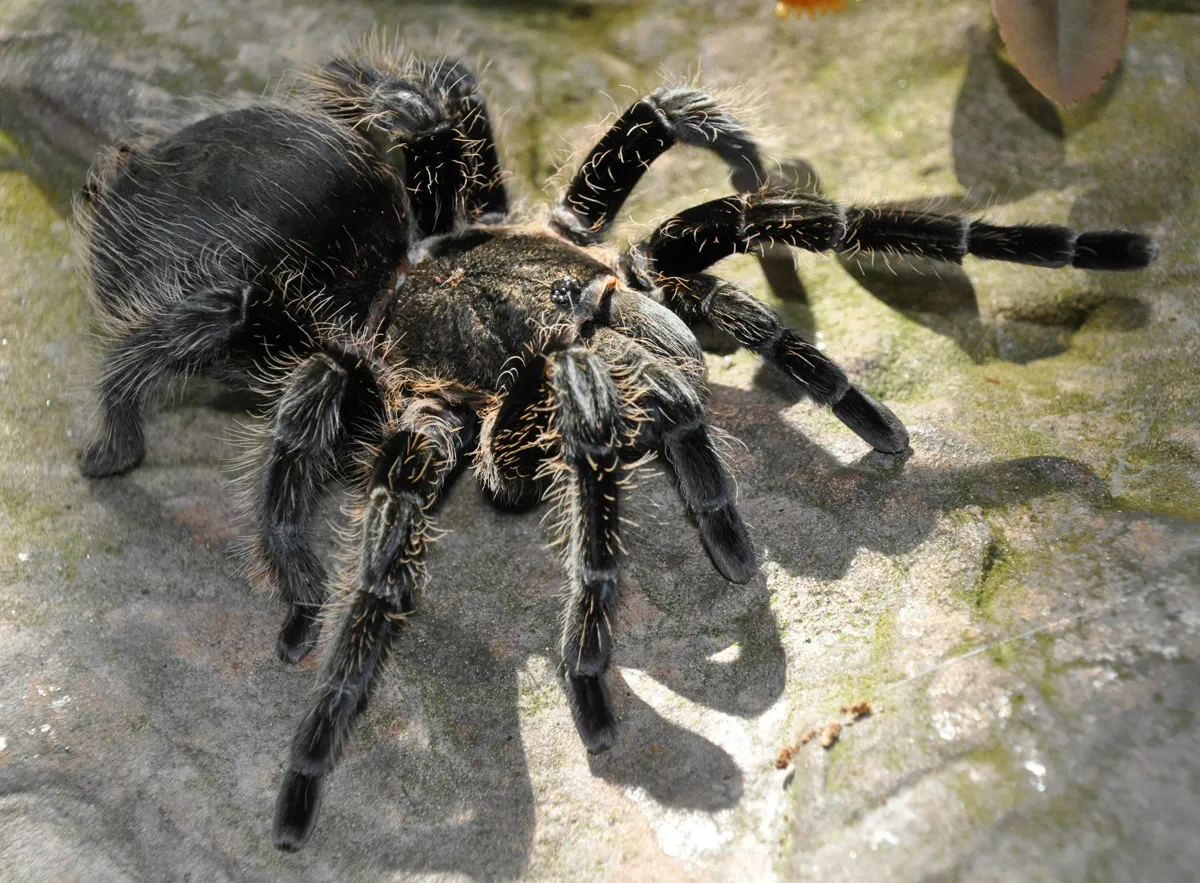
What is a Goliath Birdeater Bite Mark?
The Goliath birdeater tarantula (Theraphosa blondi) is the largest spider in the world, and its bite, while not usually fatal to humans, can be a painful and unpleasant experience. The bite mark itself is the physical evidence of the tarantula’s fangs penetrating the skin. Understanding what to expect after a bite from this massive arachnid is crucial for anyone who owns one as a pet, works with them, or encounters them in the wild. These bites are not a common occurrence, but it is important to know what to do if you are bitten. The size and power of the Goliath birdeater mean its bite can deliver a significant amount of venom, causing localized pain and potentially other symptoms.
Appearance of a Goliath Birdeater Bite Mark
The bite mark from a Goliath birdeater typically appears as two small puncture wounds, reflecting the placement of the spider’s fangs. The size of these punctures can vary based on the size of the tarantula and the depth of the bite. The surrounding area will likely exhibit signs of inflammation, including redness, swelling, and warmth to the touch. In some cases, there may be slight bleeding immediately after the bite. Depending on the individual and the amount of venom injected, the bite mark’s appearance can range from a mild irritation to a more pronounced reaction. The location of the bite, such as a finger, arm, or leg, will also influence the visual presentation of the bite mark and the symptoms experienced.
Symptoms of a Goliath Birdeater Bite Mark

The symptoms of a Goliath birdeater bite mark can vary widely, but common reactions include immediate, sharp pain at the bite site. This pain may be followed by localized swelling and redness. Other potential symptoms include itching, muscle cramps, and, in some cases, nausea. While the venom is not considered highly toxic to humans, the physical trauma of the bite and the venom’s effects can cause discomfort. The severity of the symptoms can depend on the amount of venom injected, the individual’s sensitivity, and the location of the bite. Serious complications are rare, but any unusual or severe reactions should be addressed by a medical professional.
Severity of a Goliath Birdeater Bite
Goliath birdeater bites are generally not life-threatening to humans. The primary concern is the localized pain and potential for secondary infections. The venom does not contain potent toxins, unlike some other spider species. However, the sheer size of the tarantula and the force of its bite can result in significant tissue damage. The severity also depends on the amount of venom injected, which can vary. In most cases, the bite causes discomfort that subsides within a few days. Any person experiencing a bite should monitor the wound for signs of infection or systemic symptoms, such as difficulty breathing or widespread swelling. Severe reactions are rare but necessitate immediate medical attention.
Potential Allergic Reactions
While rare, allergic reactions to a Goliath birdeater bite are possible. These reactions can range from mild skin irritation to more serious symptoms, such as difficulty breathing, swelling of the face or throat, and hives. If a person experiences any signs of an allergic reaction, it is essential to seek immediate medical attention. Anaphylaxis, a severe allergic reaction, can be life-threatening. Common signs of an allergic reaction include widespread itching, swelling, difficulty breathing, and dizziness. Individuals with known allergies to insect venom or other allergens should be extra cautious when handling or being around tarantulas. Rapid medical intervention is crucial for managing severe allergic responses.
First Aid for a Goliath Birdeater Bite Mark

First aid for a Goliath birdeater bite involves several steps. First, gently clean the bite area with soap and water. Apply a cold compress to reduce pain and swelling. It’s important to keep the bite site clean and dry to prevent infection. Over-the-counter pain relievers, such as ibuprofen or acetaminophen, can help manage pain. Antihistamines may also be helpful if itching is present. Monitor the bite site for any signs of infection, such as increased redness, swelling, or pus. Seek medical attention if symptoms worsen or if you experience signs of an allergic reaction. Prompt first aid can help mitigate the effects of the bite and promote healing.
When to Seek Medical Attention
Medical attention is recommended if you experience severe symptoms or if the bite site shows signs of infection. Difficulty breathing, swelling of the face or throat, and dizziness are signs of a severe allergic reaction, requiring immediate medical care. Any unusual or worsening symptoms, such as increasing pain, redness, or swelling, should also be evaluated by a healthcare professional. If the bite is on a sensitive area, such as the face or neck, medical attention is advisable. A doctor can assess the bite, provide appropriate treatment, and rule out any complications. Do not hesitate to seek medical advice if you have concerns about a Goliath birdeater bite.
Prevention of Goliath Birdeater Bites
Preventing Goliath birdeater bites involves several key safety precautions. Always handle tarantulas with extreme caution and avoid unnecessary handling. Wear appropriate protective gear, such as gloves, when working with these spiders. Maintain a safe distance and avoid sudden movements that could startle the tarantula. Ensure that the tarantula’s enclosure is secure and well-maintained to prevent escapes. Educate yourself about the tarantula’s behavior and potential hazards. If you are a tarantula owner, be sure to follow all the recommended safety measures. Proper care and handling can significantly reduce the risk of bites, protecting both the handler and the animal.
Myths and Facts about Goliath Birdeater Bite Marks

There are several myths surrounding Goliath birdeater bites. A common myth is that the bite is always fatal. However, this is untrue; the bite is rarely deadly to humans, but is can be painful. Another myth is that the venom is highly potent. In reality, the primary concern is localized pain and potential secondary infection. The fact is that the bite from a Goliath birdeater is a significant event due to the spider’s size and strength. Proper first aid, including cleaning the bite and applying a cold compress, is usually sufficient. Seeking medical attention is crucial if severe symptoms, such as an allergic reaction, develop or if there are signs of infection. Understanding the facts can help dispel common misconceptions.