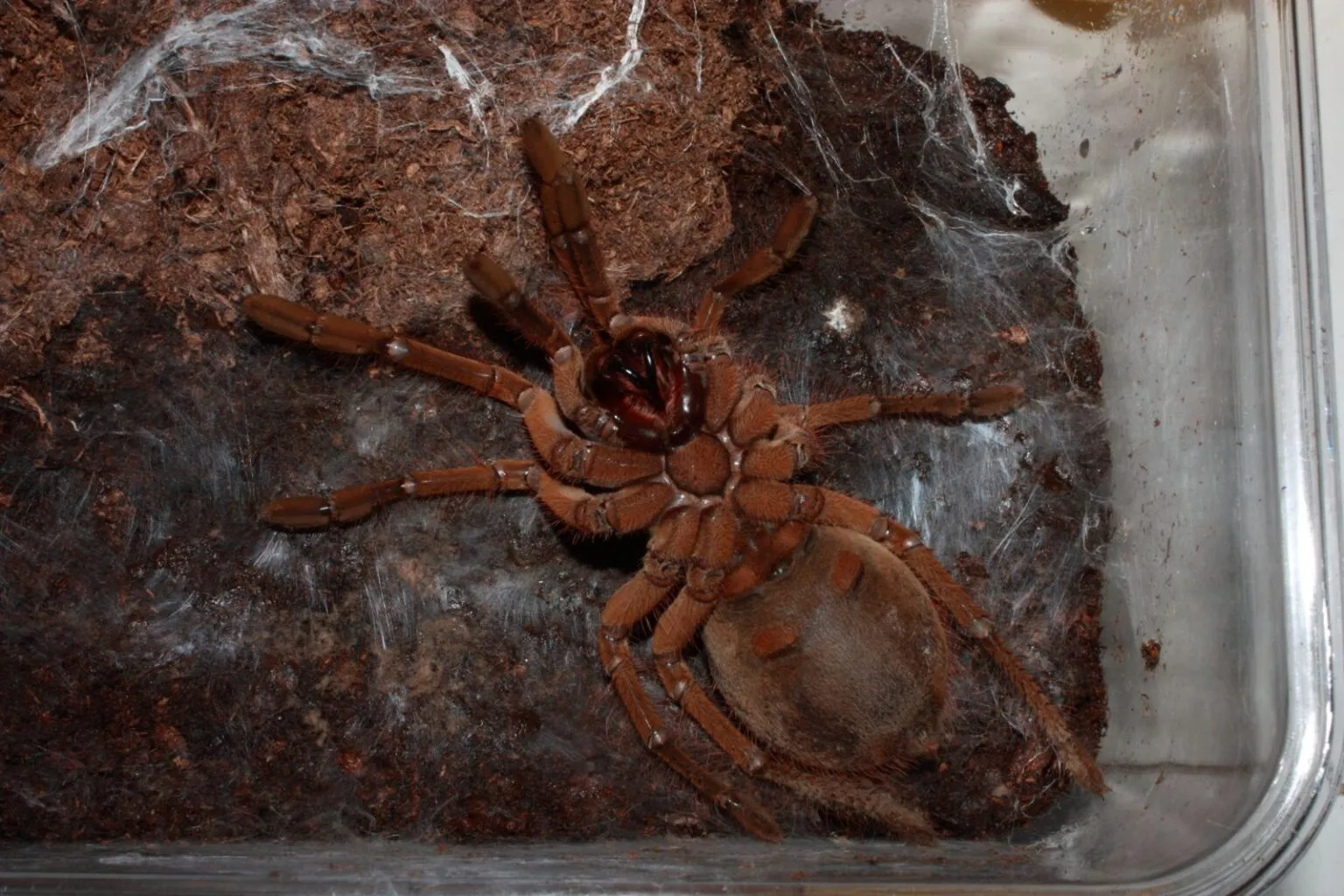
Goliath Birdeater Tarantula Facts
The Goliath Birdeater tarantula (Theraphosa blondi), often referred to as Stirmi, is one of the largest tarantula species in the world, captivating both enthusiasts and the generally curious. Found in the rainforests of South America, particularly in areas of Guyana, Suriname, French Guiana, and parts of Venezuela and Brazil, this impressive arachnid is a fascinating subject of study and, for some, a unique pet. Its sheer size, coupled with its intriguing behavior and ecological role, makes the Goliath Birdeater a standout among the vast and diverse world of spiders. This article delves into seven essential facts about the Goliath Birdeater, offering insights into its biology, behavior, and place in the natural world.
Size and Appearance of Goliath Birdeater
The Goliath Birdeater earns its name honestly. With a leg span that can reach up to 12 inches (30 cm) or more, and a body length that can exceed 4 inches (10 cm), this tarantula is truly a giant among spiders. Its size is not the only striking feature; its physical appearance is equally impressive. These tarantulas are typically brown, with a reddish hue often present on their legs and carapace. Their bodies are covered in dense hairs, which give them a fuzzy appearance and also serve as a defensive mechanism. The chelicerae, or fangs, are substantial and capable of delivering a bite, although their venom is generally not considered lethal to humans. The sheer mass and imposing stature of the Goliath Birdeater make it an unforgettable sight.
Habitat and Distribution of Goliath Birdeater

These tarantulas are native to the rainforests and swampy areas of northern South America. They thrive in humid environments, often found near burrows they create in the ground. The ideal habitat for a Goliath Birdeater includes a high level of humidity and a substrate that allows them to burrow. They are not typically found in open areas, preferring the cover of vegetation and the protection of their burrows. The geographical distribution of the Goliath Birdeater is limited to specific regions, making its conservation and protection crucial. The destruction of rainforests and habitat loss are significant threats to their survival.
Goliath Birdeater Diet
Despite its name, the Goliath Birdeater rarely consumes birds in the wild. Their diet primarily consists of insects, worms, and other invertebrates. However, they are opportunistic hunters and will also prey on small vertebrates, such as lizards, small snakes, and occasionally, small rodents. In captivity, their diet can be supplemented with appropriately sized insects, such as crickets or roaches. The Goliath Birdeater uses its fangs to inject venom, which immobilizes and begins to digest its prey. This process allows the tarantula to suck out the liquefied insides, leaving behind the exoskeleton. Feeding frequency depends on the tarantula’s age and size, with younger tarantulas needing to eat more often.
Goliath Birdeater Behavior
Goliath Birdeaters are primarily nocturnal creatures, meaning they are most active at night. They spend a significant amount of time in their burrows, venturing out to hunt or forage. They are not known for being particularly aggressive but will defend themselves if threatened. One interesting behavior is their use of urticating hairs, which they flick off their abdomen as a defense mechanism. These hairs cause irritation if they come into contact with the skin or eyes of a potential predator. They also have a tendency to make a hissing sound when threatened, which is produced by rubbing their legs together. This sound serves as a warning signal.
Defense Mechanisms of Goliath Birdeater

The Goliath Birdeater employs several defense mechanisms to protect itself from predators. The most notable is the urticating hairs, which can cause intense itching and irritation. They also have large fangs that can deliver a bite, although the venom is not considered highly toxic to humans. Another defense mechanism is their ability to raise their front legs and display their fangs, appearing larger and more threatening. The hissing sound they produce also serves as a warning. Finally, they have strong chelicerae (mouthparts) that they use to bite and inject venom into their prey, immobilizing it. These defense mechanisms help ensure the Goliath Birdeater’s survival in its natural environment.
Lifespan and Growth of Goliath Birdeater
Goliath Birdeaters have a relatively long lifespan, particularly the females. Females can live for up to 15-25 years, while males typically have a shorter lifespan, often only surviving for a few years after reaching maturity. Growth occurs through a process called molting, where they shed their exoskeleton to allow for growth. Molting is a vulnerable time for the tarantula, as it is temporarily defenseless. The frequency of molting decreases as they mature. Their growth rate depends on factors like diet, temperature, and humidity. Regular molting is a sign of a healthy and growing Goliath Birdeater. The size of a Goliath Birdeater increases with each molt until it reaches its adult size.
Keeping Goliath Birdeater as a Pet
Keeping a Goliath Birdeater as a pet can be a rewarding experience for those prepared to meet its specific needs. A secure enclosure is essential, providing adequate space and a deep substrate for burrowing. Maintaining the correct temperature and humidity levels is critical for their health. They require a diet of appropriately sized insects, and their water should be consistently available. Handling should be kept to a minimum, as they can be easily stressed, and bites, though not lethal, can be painful. Prospective owners should research and understand the care requirements thoroughly before acquiring a Goliath Birdeater. It’s a commitment that requires knowledge and respect for this fascinating creature. Also, ensure you can legally own the species in your location, as some areas have restrictions on exotic pets.