10 Shocking Facts About Goliath Birdeater Venom
The Goliath Birdeater, Theraphosa blondi, is the world’s largest spider, a creature of both fascination and fear. While its imposing size is well-known, the intricacies of its venom often remain shrouded in mystery. This article delves into 10 shocking facts about the Goliath Birdeater’s venom, shedding light on its composition, effects, and the ongoing research surrounding this fascinating substance. Prepare to be amazed and perhaps a little bit wary as we explore the world of this giant arachnid’s potent defense mechanism. From the bite force to the potential medical applications, there is much to uncover about this creature’s venom.
Size and Appearance of the Goliath Birdeater
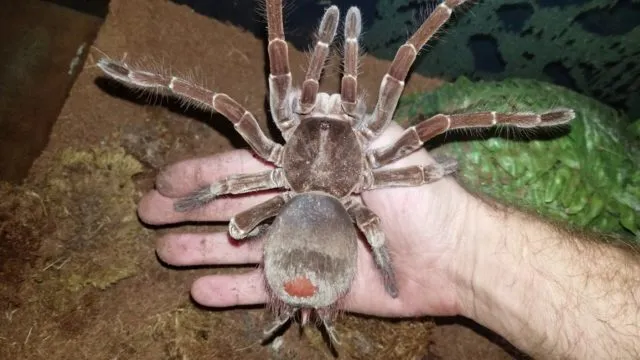
Before diving into the venom, let’s establish a visual of the Goliath Birdeater. This spider can have a leg span of up to 12 inches (30 cm) and weigh over 6 ounces (170 g). Their bodies are covered in hairs, which are often reddish-brown or tan. The sheer size alone is enough to make anyone pause, but it’s important to remember that size doesn’t necessarily equate to lethality. Understanding the spider’s characteristics is important to understand the context of the venom. Their appearance, from their thick legs to the chelicerae (fangs), are all part of their hunting and defense strategies, and the venom is a vital component of this.
The Goliath Birdeater’s Habitat and Distribution

Goliath Birdeaters are native to the rainforests of northern South America, including countries like Brazil, Venezuela, Suriname, and Guyana. They prefer humid environments and typically burrow in the ground or find shelter under rocks and logs. Their habitat is a crucial factor in understanding their venom. The specific composition of their venom might be influenced by the prey available and the environmental conditions of their native habitat. This geographical context is important for understanding the potential impact of their venom on humans and other animals.
Fact 1 Venom Composition Unveiled
Goliath Birdeater venom is a complex mixture of various proteins, enzymes, and peptides. Unlike some highly venomous spiders, its venom isn’t particularly potent. The primary components often include enzymes that break down tissues, as well as compounds that affect the nervous system. The exact composition can vary slightly depending on the spider’s age, diet, and even the specific location within its habitat. Scientists are continually studying these components to understand their effects and potential applications. The venom, when injected, begins its work immediately at the bite site, causing a variety of local and systemic effects.
Fact 2 The Goliath Birdeater’s Bite Force
While the venom itself isn’t highly toxic, the Goliath Birdeater’s bite force is considerable. These spiders possess large fangs (chelicerae) that can be up to an inch long. When they bite, they can deliver a significant amount of pressure, which contributes to the pain and localized effects. This mechanical aspect of the bite is often more concerning than the venom itself. The sheer size of the fangs and the force with which they are deployed is enough to cause considerable pain and possibly physical trauma, even without a particularly potent venom.
Fact 3 How Venom is Delivered

The venom is delivered through the Goliath Birdeater’s fangs. These fangs are hollow and act like hypodermic needles, injecting venom directly into the victim. When threatened or hunting, the spider will rear up and strike, using its fangs to pierce the skin. The quantity of venom injected can vary. The spider’s size and the depth of the bite contribute to the amount of venom delivered. This is the primary method of envenomation. The bite can be a defensive measure, as the spider may retreat after biting. It’s important to keep calm if bitten and seek medical advice immediately.
Fact 4 Symptoms of a Goliath Birdeater Bite
The symptoms of a Goliath Birdeater bite are typically localized and unpleasant. Common symptoms include intense pain, swelling, redness, and itching at the bite site. Other effects include muscle cramps, nausea, and possibly sweating. While these symptoms can be severe, they are rarely life-threatening. The effects generally subside within a few hours or days. The pain is usually the most immediate and prominent symptom, which is often followed by localized inflammation and, possibly, a feeling of numbness or tingling. Any symptoms that worsen or persist should be taken seriously and medical attention sought immediately.
Fact 5 Is Goliath Birdeater Venom Deadly?
The good news is that Goliath Birdeater venom is generally not considered deadly to humans. While the bite can be painful and cause unpleasant symptoms, fatalities are extremely rare. Most people recover fully with appropriate treatment and care. However, there is always a risk of allergic reactions, which can be more serious. The impact of the venom can depend on a number of factors, including the size of the spider, the amount of venom injected, and the individual’s sensitivity. Even though the venom is not usually deadly, it is still important to take the bite seriously and to seek appropriate medical attention.
Fact 6 Medical Treatment and First Aid

If bitten by a Goliath Birdeater, immediate first aid is essential. Wash the bite area with soap and water. Apply a cold compress to reduce swelling and pain. Seek medical attention to ensure you receive appropriate care. There is no specific antivenom for Goliath Birdeater venom. Medical professionals will treat the symptoms. Pain relievers, antihistamines, and muscle relaxants might be prescribed. Observation for any signs of severe allergic reactions is essential. Prompt medical intervention can help manage the symptoms and ensure a full recovery. Be sure to remain calm and avoid panic as this can exacerbate any symptoms.
Fact 7 Allergic Reactions and Risks
One of the most significant risks associated with a Goliath Birdeater bite is the possibility of an allergic reaction. Some people may be more sensitive to the venom’s components and experience more severe symptoms. These can include difficulty breathing, swelling of the throat, dizziness, and even anaphylaxis, a life-threatening allergic reaction. Individuals with known allergies to insect stings or spider bites should be particularly cautious and seek immediate medical attention if bitten. Anyone who experiences severe allergic reactions should be treated as a medical emergency.
Fact 8 Venom Research and Studies
Scientists are actively researching Goliath Birdeater venom. These studies aim to understand its composition and potential medical applications. The venom’s various components might hold the key to developing new drugs or therapies. Research includes identifying specific proteins or peptides that could have therapeutic effects. Some studies are exploring the use of venom components in pain management, anti-inflammatory treatments, or even cancer research. This ongoing research highlights the potential for this venom, despite its negative associations, to contribute to medical advancements.
Fact 9 The Venom’s Potential Benefits

Research into Goliath Birdeater venom has revealed potential benefits. Some of its components may have medicinal properties. These properties include the potential for pain relief, anti-inflammatory effects, and even the development of novel drugs. Scientists are particularly interested in exploring the potential of certain peptides and proteins found in the venom. They are investigating how these components might be used to treat various medical conditions. This underscores the complexity and potential of even the most feared creatures, offering a new perspective on their place in the natural world and the scientific applications.
Fact 10 Debunking Common Myths
There are numerous myths and misconceptions surrounding the Goliath Birdeater and its venom. One common myth is that the venom is highly deadly, which isn’t true. Another is that they actively hunt birds. However, they are more likely to ambush insects, and will only eat a bird if they have the opportunity. Separating facts from fiction is essential for a true understanding of this impressive spider. Avoiding exaggerated information helps to promote a realistic view of the risks and benefits associated with these creatures. Learning about the actual traits and avoiding myths is key to appreciating these animals.
Conclusion
The Goliath Birdeater, with its imposing size and fearsome reputation, is a remarkable creature. Although its venom can cause discomfort, it’s generally not life-threatening to humans. Understanding the venom’s composition, effects, and the ongoing research surrounding it helps us appreciate both the dangers and the potential benefits of this fascinating arachnid. While respecting their power, it is important to approach these animals with informed awareness rather than fear, keeping an open mind toward the scientific possibilities offered by the Goliath Birdeater’s intriguing venom.