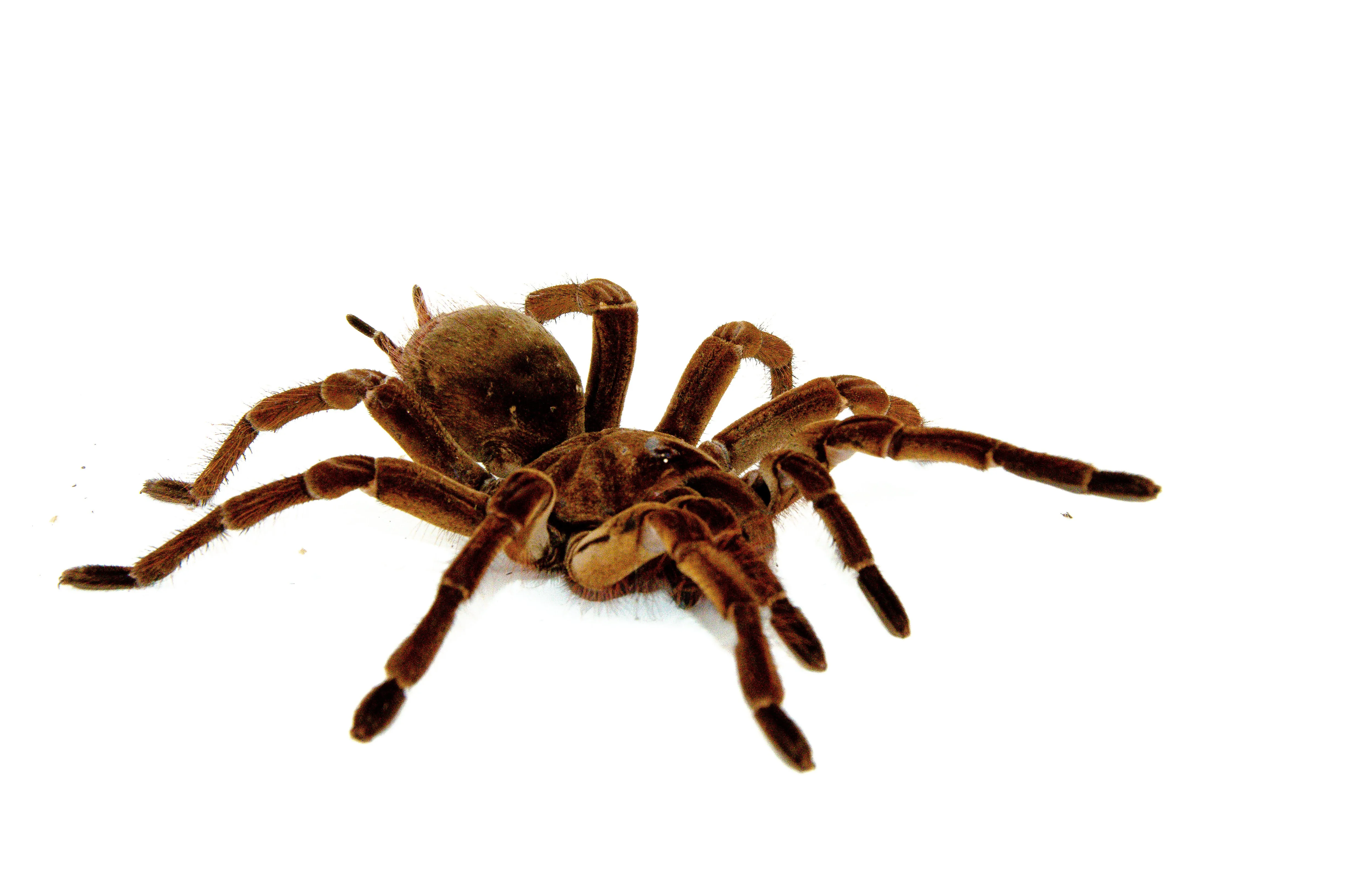
Understanding Goliath Tarantula Feeding
Feeding a Goliath Tarantula (Theraphosa blondi), the world’s largest spider by mass, is a fascinating aspect of its care. These impressive arachnids have specific dietary needs that must be met to ensure their health and longevity. Understanding their natural feeding habits, how often they need to eat, and the best practices for providing them with food is crucial for any Goliath Tarantula owner. This guide will delve into all aspects of goliath tarantula feeding, from the type of prey they consume in the wild to the practical steps involved in feeding them in captivity, and what to do if your Goliath Tarantula refuses to eat. Careful attention to these details will allow you to successfully keep and care for these magnificent creatures. Remember, proper feeding is not just about providing sustenance; it’s about replicating their natural environment as closely as possible, promoting their wellbeing, and witnessing the impressive feeding behavior of these giant spiders.
Natural Diet of the Goliath Tarantula
In their natural habitat, the rainforests of South America, Goliath Tarantulas are opportunistic predators. Their diet primarily consists of insects, but they are also known to consume small vertebrates. Understanding their natural diet is essential for replicating it in captivity. They are ambush predators, meaning they lie in wait, often hidden, and then quickly attack their prey. They use their large fangs (chelicerae) to inject venom, which paralyzes the prey, and digestive enzymes, which break down the prey’s tissues for easier consumption. This feeding strategy highlights their adaptability and the importance of a varied diet in captivity. Replicating the diversity of their wild diet, to the extent possible, can lead to healthier tarantulas and more natural behaviors.
Common Prey Items for Goliath Tarantulas

Goliath Tarantulas are not picky eaters. However, a varied diet is key to their health. Commonly, their diet includes large insects, such as crickets, cockroaches, and mealworms. Other options include appropriately sized vertebrates. When selecting prey, it’s important to consider the nutritional value and health of the prey itself. The nutritional content of the food will ultimately affect the tarantula. For example, insects gut-loaded with nutritious foods before being fed to the tarantula provide more vitamins and minerals to the tarantula. Avoid feeding prey that are significantly larger than the tarantula’s abdomen. Some keepers will occasionally feed pinky mice or small lizards as treats, but this should be done sparingly and with caution. Overfeeding can lead to health problems.
How Often to Feed Your Goliath Tarantula
Determining the feeding frequency for a Goliath Tarantula involves considering several factors, including its age, size, and overall health. Juvenile tarantulas, which are still growing, generally require more frequent feeding compared to adults. This is because they are constantly molting and growing, which requires a significant energy input. It’s critical to monitor the tarantula’s abdomen size. A well-fed tarantula will have a plump abdomen. Overfeeding, however, can lead to premature molting and other health complications. Remember to provide a water dish so that the spider stays hydrated. Always ensure that there is a consistent supply of fresh, clean water.
Factors Influencing Feeding Frequency
Several factors influence the frequency with which you should feed your Goliath Tarantula. Temperature plays a crucial role. Higher temperatures can increase metabolism, leading to a greater appetite and the need for more frequent feeding. Conversely, lower temperatures can slow metabolism and reduce feeding requirements. The molting cycle is another significant factor. Tarantulas typically stop eating a few weeks before they molt. During the molt, they are vulnerable, so it’s essential not to disturb them. Also, the overall health of the tarantula is important. A tarantula that appears sluggish or unwell may not eat, and this should be monitored closely. Adjust the feeding schedule based on these factors, observing your tarantula’s behavior for cues.
Age and Size Considerations

The age and size of your Goliath Tarantula are critical factors when determining how often to feed it. Spiderlings and juveniles, being in the growth phase, usually need feeding every 5-7 days. They have a higher metabolism and require more nutrients to grow and molt successfully. As they mature, the feeding frequency can decrease. Sub-adults and adults might be fed every 10-14 days or even less frequently. Adult Goliath Tarantulas can sometimes go several weeks or even months without food, especially if they are preparing to molt. Always monitor the abdomen size; if it appears very plump, reduce the feeding frequency. Adjusting the feeding schedule to the spider’s growth stage ensures optimal health and prevents both underfeeding and overfeeding.
Best Feeding Practices
Following best feeding practices is key to ensuring the health and well-being of your Goliath Tarantula. From choosing the right prey to ensuring a safe feeding environment, attention to detail is important. Proper handling, correct prey size, and a clean enclosure all contribute to a positive feeding experience for your tarantula. The focus should always be on mimicking their natural environment as closely as possible. This involves not just the food itself, but also the environment in which the food is presented. Understanding the natural behaviours of these animals provides better insight into how they should be cared for.
Choosing the Right Prey
Choosing the right prey is crucial for providing a balanced diet for your Goliath Tarantula. The prey should be nutritious, free from pesticides, and of an appropriate size. Crickets and cockroaches are common choices and are generally easy to obtain. Mealworms can also be used but should be supplemented with other foods, as they are not as nutritionally complete. It is crucial to gut-load the prey with nutritious foods, like vegetables and commercial insect food, 24-48 hours before offering them to your tarantula. This will increase the nutritional value of the prey. Avoid wild-caught insects, as they may carry parasites or have been exposed to harmful chemicals. If offering vertebrate prey, ensure it is from a reputable source and free from disease.
Size Matching Prey to Your Tarantula

Matching the size of the prey to your tarantula is crucial for successful feeding and to prevent injury to your spider. A good rule of thumb is to offer prey that is no larger than the size of your tarantula’s body. Overly large prey can injure the tarantula during a struggle, and uneaten prey can stress the tarantula or pose a risk of being attacked. For spiderlings, start with smaller prey, such as pinhead crickets or small mealworms. As the tarantula grows, gradually increase the size of the prey. Regularly assess the size of your tarantula and adjust the size of the food accordingly. This will not only protect the tarantula from injury but also ensure that it eats the prey.
Where to Source Prey
The source of your prey is an important consideration for the health and safety of your Goliath Tarantula. Reputable pet stores that specialize in reptiles and invertebrates are generally a good source. These stores often maintain colonies of feeder insects and can provide healthy, pesticide-free prey. Online suppliers also offer a convenient option, but be sure to research the supplier and read reviews to ensure they provide quality insects. Consider the risks of purchasing prey from different sources. Local pet stores are also a great resource. Always avoid collecting insects from the wild unless you are certain they are free of pesticides and parasites. The quality of the prey directly impacts the health of your Goliath Tarantula.
The Feeding Process Step-by-Step
Feeding your Goliath Tarantula involves a series of steps, from preparing the enclosure to introducing the prey and monitoring the outcome. Patience and observation are key to this process. Ensure that the environment is calm and undisturbed before feeding. Avoid sudden movements and loud noises. The ultimate goal is to replicate the natural conditions as much as possible. This can help prevent your tarantula from being stressed out. Preparing the enclosure properly, providing the food, and monitoring the spider will allow you to have a successful feeding. This procedure is straightforward, but it requires attention to detail.
Preparing the Enclosure
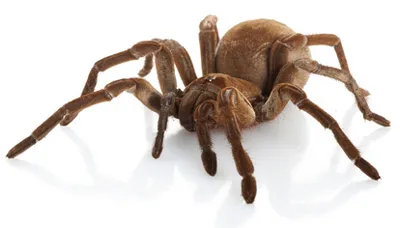
Before feeding, ensure your Goliath Tarantula’s enclosure is clean and safe. Remove any old food, shed skin, or waste. Provide a fresh water dish. Make sure there are adequate hiding places for the tarantula to feel secure. A hide can help reduce stress and encourage the tarantula to come out to feed. Inspect the enclosure for any potential hazards, like sharp objects or escape routes. Adjust the temperature and humidity levels to match the tarantula’s ideal environment. A well-prepared enclosure will make the feeding process smoother and provide a more comfortable environment for your tarantula.
Introducing Prey
When introducing prey to your Goliath Tarantula, handle the process with care. Gently place the prey item into the enclosure, preferably using tongs to avoid direct contact with the tarantula. Avoid dropping the prey directly on the tarantula, which can startle the spider. Observe the tarantula’s behavior; it might take some time for it to notice the prey. If the tarantula doesn’t show interest, leave the prey in the enclosure for a few hours, and remove it if it’s not eaten. Try again the next day. Avoid leaving prey in the enclosure for extended periods, especially if it is a vertebrate, as uneaten prey can cause stress or even injure your tarantula. Proper introduction ensures a successful feeding experience and minimizes any unnecessary stress.
Monitoring and Removal
After introducing the prey, monitor your Goliath Tarantula for signs of feeding. If the tarantula attacks and consumes the prey, you’ve successfully fed it. If the prey remains uneaten after 24 hours, remove it from the enclosure. Uneaten prey can stress the tarantula or, in the case of larger prey, even pose a risk. If your tarantula consistently refuses food, there may be underlying issues such as molting, environmental stress, or illness. Regularly inspect the tarantula for signs of health. Make sure that the enclosure is properly maintained. Also, make sure the water is clean and readily available. Proper monitoring ensures the health and wellbeing of the tarantula.
Common Feeding Challenges and Solutions

Even with the best care, you may encounter feeding challenges with your Goliath Tarantula. These challenges can range from a tarantula refusing to eat to concerns about overfeeding. Understanding these issues and knowing how to address them is important for ensuring the health of your spider. Many factors can influence their appetite, from the environment to the overall health of the spider. Addressing these challenges can be done with careful observation and by adjusting the care routine when necessary.
Tarantula Refusal to Eat
A Goliath Tarantula refusing to eat can be a common concern for owners, but there are many reasons why this happens. The most common reason is that the tarantula is preparing to molt. During the premolt stage, the spider will often stop eating, sometimes for several weeks or even months. Other potential causes include environmental stress, such as improper temperature or humidity, or a lack of a suitable hiding place. Inspect the enclosure to ensure it meets the spider’s needs. Offer a varied diet to encourage feeding and always provide fresh water. If a tarantula continues to refuse food, consult with an experienced keeper or veterinarian who specializes in arachnids. This is often a sign that something else is wrong.
Overfeeding Concerns
Overfeeding your Goliath Tarantula can lead to several health issues, including accelerated growth, which may lead to premature molting. An overfed tarantula may also become obese, putting a strain on its internal organs. To avoid overfeeding, follow recommended feeding schedules based on age and size. Avoid feeding your tarantula more than it can eat in a single sitting. The abdomen should be plump but not overly distended. If your tarantula has a swollen abdomen, reduce the feeding frequency and offer smaller meals. Always monitor the tarantula’s condition and adjust the feeding schedule accordingly.
Ensuring Proper Hydration

While not directly related to feeding, ensuring that your Goliath Tarantula has access to fresh water is crucial for its health. Tarantulas need water to stay hydrated and to aid in molting. Always provide a shallow water dish in the enclosure. Refill the water dish regularly and clean it to prevent the growth of bacteria or algae. Some keepers mist their enclosures, especially if the humidity is too low. However, misting alone is not a substitute for a water dish. Dehydration can cause serious health problems and can even be fatal. Ensuring proper hydration is one of the easiest and most effective ways to support the health of your tarantula.
In conclusion, successful Goliath Tarantula feeding is a combination of understanding their natural behaviors, providing the correct diet, and maintaining a suitable environment. By following the guidelines outlined in this guide, you can ensure that your Goliath Tarantula thrives. Remember to monitor your tarantula closely, adjust the feeding schedule as needed, and always prioritize its well-being. With proper care and attention to detail, you can enjoy the unique experience of keeping these magnificent arachnids for many years to come. This will also increase the chances that the tarantula will survive to adulthood.