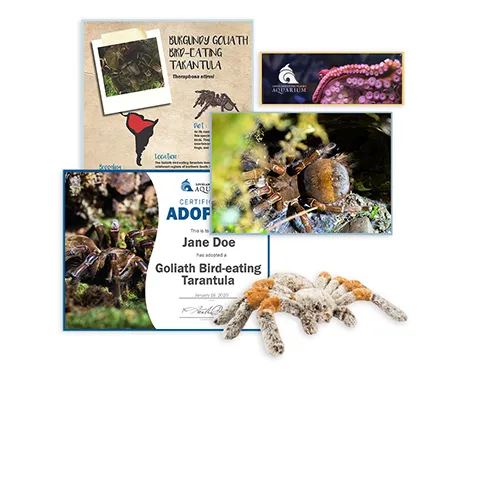
Goliath Tarantula Temperature Guide Top 5 Facts
The Goliath bird eating tarantula (Theraphosa blondi) is one of the largest spiders in the world, captivating enthusiasts with its impressive size and unique characteristics. Successfully keeping a Goliath tarantula as a pet involves understanding its specific environmental needs, with temperature being a crucial factor. Maintaining the correct temperature is not just about comfort; it directly impacts the tarantula’s health, molting cycles, appetite, and overall well-being. This guide provides the top five essential facts you need to know to ensure your Goliath tarantula thrives in its enclosure. Proper temperature management is paramount to a healthy and happy Goliath.
Ideal Temperature Range for Goliath Tarantulas
Goliath tarantulas, native to the rainforests of South America, thrive in a warm and humid environment. The ideal temperature range for these massive spiders typically falls between 75°F to 85°F (24°C to 29°C). It’s essential to maintain this temperature range consistently, as fluctuations can stress the tarantula and negatively affect its health. Achieving this range usually requires the use of supplemental heating, especially in cooler climates. Use a reliable thermometer to accurately monitor the enclosure’s temperature and make adjustments as needed. Consistent temperature is key to replicating their natural habitat and promoting a healthy life cycle.
Impact of Temperature on Goliath Tarantula Health

Temperature plays a vital role in the overall health and well-being of your Goliath tarantula. When the temperature is within the ideal range, the spider’s metabolism functions efficiently, supporting healthy growth and activity levels. Incorrect temperatures, whether too high or too low, can lead to a range of health issues. High temperatures can cause dehydration and stress, while low temperatures can slow the metabolism, making it sluggish and prone to illness. Ensuring the correct temperature is vital for maintaining a robust immune system and preventing potential health complications. Regular monitoring and adjustments are necessary to ensure your pet’s health.
How Temperature Affects Molting
Molting is a critical process in a tarantula’s life, during which it sheds its exoskeleton to grow. Temperature significantly influences the molting process. The ideal temperature range supports the tarantula’s ability to shed its old skin and grow a new one effectively. If the temperature is too low, the molting process can be prolonged, leading to difficulties and potential complications. Conversely, extreme heat can also interfere with molting, stressing the spider. Maintaining a stable and appropriate temperature is critical for a smooth and successful molt. Providing the right conditions ensures that your Goliath can grow and develop properly.
Temperature and Appetite Correlation
A tarantula’s appetite is often directly linked to the environmental temperature. When the temperature is within the preferred range, a Goliath tarantula typically exhibits a healthy appetite and readily consumes food. This is because their metabolism is functioning optimally, allowing them to digest food efficiently. If the temperature is too low, the spider’s metabolism slows down, which can lead to decreased appetite or complete refusal to eat. Extremely high temperatures can also negatively impact their appetite, causing them to be lethargic and uninterested in food. Monitoring your tarantula’s eating habits in conjunction with temperature levels provides crucial insights into their overall health and well-being, allowing for any necessary environmental adjustments.
Methods for Monitoring Goliath Tarantula Temperature

Accurate temperature monitoring is essential for the well-being of your Goliath tarantula. There are several effective methods you can employ to ensure the temperature within the enclosure remains within the desired range. It’s critical to continuously keep an eye on the conditions to ensure the health and safety of your pet. Regularly monitoring the enclosure allows you to identify any temperature deviations and make timely adjustments. This proactive approach will ensure the Goliath thrives in its environment. The appropriate tools and techniques are necessary for correct measurement and management of the temperature.
Using Thermometers Effectively
Using a reliable thermometer is the most straightforward method for monitoring the temperature. Place the thermometer inside the tarantula’s enclosure to get an accurate reading of the ambient temperature. Digital thermometers are often preferred for their ease of use and accuracy. Position the thermometer away from direct heat sources to avoid skewed readings, and ensure it is visible so you can check the temperature regularly. Place the thermometer at the level where the tarantula spends most of its time, usually on the substrate. This allows you to get the most accurate measurement of the temperatures the tarantula is experiencing and to maintain optimal conditions for your pet.
Choosing the Right Thermometer Type
When selecting a thermometer for your Goliath tarantula’s enclosure, consider factors such as accuracy, ease of use, and placement options. Digital thermometers with LCD displays are highly recommended for their clear and precise temperature readings. These thermometers often have the ability to record minimum and maximum temperatures, helping you to monitor temperature fluctuations over time. Avoid using mercury thermometers due to the risk of breakage and the potential for toxic exposure. Ensure the thermometer is durable and suitable for the humid environment of the tarantula’s enclosure. Choosing the right thermometer will help you keep the Goliath in perfect conditions.
Maintaining Consistent Temperature in the Enclosure

Maintaining a consistent temperature is crucial for the health and well-being of your Goliath tarantula. In most environments, it’s necessary to use a heat source to keep the enclosure within the optimal temperature range of 75°F to 85°F (24°C to 29°C). There are several methods to achieve this, each with its own advantages and considerations. Understanding how to create a stable and appropriately heated environment is essential for providing your Goliath with the perfect conditions. Correct heating methods are essential to control the temperature inside the habitat.
Heating Pads vs Heat Lamps
Heating pads are often a good choice for providing a consistent and even heat source. These pads are placed on the side or the back of the enclosure. They gently warm the enclosure without drying out the air, which is beneficial for maintaining proper humidity levels. Heat lamps can also be used, but they require careful monitoring to prevent overheating. When using a heat lamp, make sure to provide a temperature gradient, with cooler areas for the tarantula to retreat to if necessary. It is important to avoid direct contact between the heat source and the tarantula to prevent burns. Consider using a thermostat to regulate the heat source and maintain a stable temperature.
Ventilation and Temperature Regulation
Proper ventilation plays a crucial role in maintaining the ideal temperature and humidity within the enclosure. Good ventilation prevents the buildup of excessive moisture and the growth of mold, which can harm the tarantula’s health. Ensure that the enclosure has adequate ventilation, such as small holes or mesh openings, to facilitate airflow. Avoid placing the enclosure in direct sunlight or near a heat source, as this can cause the temperature to rise rapidly and potentially overheat the tarantula. Regularly check the enclosure for signs of condensation, which can indicate poor ventilation, and adjust the ventilation as needed. The balance between maintaining the correct temperature and ensuring adequate ventilation is essential.
Seasonal Adjustments to Goliath Tarantula Temperature

The environmental conditions outside your home can significantly affect the temperature within your Goliath tarantula’s enclosure. Therefore, it’s necessary to make seasonal adjustments to ensure the correct temperature is maintained year-round. These adjustments are important for maintaining the correct conditions in all seasons. This will keep the Goliath safe and ensure it thrives in any season. Knowing how to adapt to the changes will ensure your Goliath stays healthy.
Summer Temperature Management
During the summer, when temperatures are typically higher, you may need to take steps to prevent the enclosure from overheating. Place the enclosure away from direct sunlight and consider using air conditioning to cool the room if necessary. Monitor the temperature regularly and ensure that the enclosure does not exceed the upper limit of the ideal temperature range. Increase ventilation to allow for better air circulation and prevent the enclosure from becoming too hot. Provide a shallow water dish to ensure the tarantula has access to water for hydration.
Winter Temperature Management
During the winter months, when temperatures drop, it’s essential to provide supplemental heat to maintain the correct temperature range. Use a heating pad or heat lamp to warm the enclosure, ensuring that the heat source is properly regulated with a thermostat. Monitor the temperature closely and adjust the heat source as needed to maintain a consistent temperature. Insulate the enclosure to help retain heat, and consider placing it away from drafts or cold areas. It’s essential to have the correct approach and tools in place for the colder seasons.
Common Mistakes in Goliath Tarantula Temperature Control

Several common mistakes can compromise the ideal temperature range for your Goliath tarantula. Avoiding these pitfalls will help you maintain a healthy environment. Understanding these mistakes is important for the long-term health of your pet. Education can help you avoid common issues that can happen to Goliath tarantulas.
Overheating Risks and Prevention
Overheating is a significant risk, often caused by placing the enclosure in direct sunlight, using a heat source that is too powerful, or failing to monitor the temperature. Symptoms of overheating include lethargy, loss of appetite, and erratic behavior. To prevent overheating, always monitor the temperature with a reliable thermometer and avoid placing the enclosure in direct sunlight. Ensure the heat source is properly regulated with a thermostat and provides a temperature gradient within the enclosure. Provide adequate ventilation to help dissipate excess heat, and be vigilant for any signs of overheating. Knowing the risks of overheating will help the Goliath be in perfect condition.
Cold Temperatures and Their Effects
Exposure to cold temperatures can be equally detrimental to your Goliath tarantula. Low temperatures can slow the spider’s metabolism, reducing its activity level and appetite. Prolonged exposure to cold temperatures can weaken the tarantula’s immune system, making it more susceptible to illness. If the temperature in the enclosure drops below the recommended range, the spider can become lethargic, stop eating, and generally appear unwell. To prevent this, always ensure your Goliath tarantula’s enclosure is properly heated and insulated, particularly during winter months. Make sure to take care of your pet during the colder seasons.