Top 5 Mexican Red Rump Facts Revealed
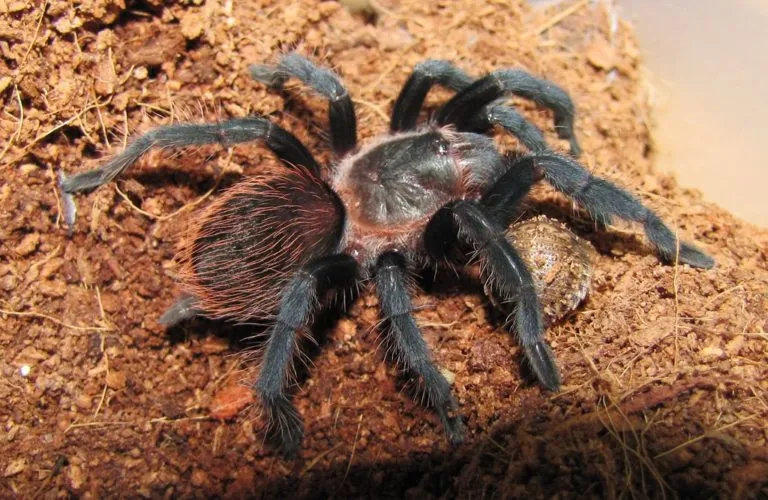
The Mexican Red Rump tarantula (Brachypelma hamorii), a captivating species, is a popular choice for both beginner and experienced arachnid enthusiasts. Understanding their growth rate is crucial for responsible pet ownership. This guide unveils the secrets behind their development, providing insights into their lifecycle, the factors influencing their growth, and essential care tips. These fascinating creatures have unique requirements, and by learning about them, you can ensure they thrive in your care. This article will break down the most important aspects of their growth, helping you become an informed and successful tarantula keeper. Get ready to delve into the world of these amazing creatures and discover what makes them so intriguing.
Understanding the Mexican Red Rump Growth
The growth of a Mexican Red Rump tarantula is a fascinating process, heavily influenced by a variety of environmental and internal factors. Unlike mammals, tarantulas grow by molting, a process where they shed their exoskeleton to reveal a larger, softer body underneath. This shedding process allows them to increase in size. The frequency of molting decreases as they mature, with spiderlings molting more frequently than adults. Each molt marks a significant milestone in their development. Proper care and understanding of the molting process are crucial for the health and well-being of your tarantula. Providing the right environment ensures they can successfully go through each stage of growth.
What Influences Mexican Red Rump Growth Rate

Several key factors influence the growth rate of a Mexican Red Rump tarantula. Understanding these aspects allows you to optimize their care and ensure they grow at a healthy pace. These factors interact in complex ways, and therefore, providing a balanced environment is key. From temperature and humidity to diet and enclosure size, each element plays a crucial role in their development. Paying attention to these details will allow you to create the perfect habitat for your tarantula, promoting healthy growth and well-being throughout its lifespan. Neglecting these influences can lead to stunted growth, health issues, and a shortened lifespan.
Factors Influencing Growth Rate
Temperature and Humidity
Temperature and humidity are critical for a Mexican Red Rump’s growth. Maintaining the correct temperature range (around 75-85°F or 24-29°C) is essential for their metabolism and molting. Excessive heat can speed up their metabolism, potentially leading to premature molting and growth issues. Humidity, typically between 60-70%, is also vital; it assists with the molting process, preventing the exoskeleton from drying out and making it easier for the tarantula to shed. Monitor these conditions regularly using a thermometer and hygrometer to make necessary adjustments. A well-regulated environment is crucial for healthy development. Proper temperature and humidity levels also help prevent dehydration and other health issues.
Feeding Frequency and Type

The diet of a Mexican Red Rump tarantula directly impacts its growth rate. Spiderlings need to be fed more frequently than adults, usually every 2-3 days, while adults may only need feeding once a week or less. The type of food also matters. Crickets, roaches, and mealworms are common choices. Ensure the prey is appropriately sized for your tarantula to avoid stress or injury. Overfeeding can lead to accelerated growth, potentially causing health problems, while underfeeding will stunt growth. Observe your tarantula’s abdomen; if it is plump, it’s well-fed. Variety in the diet helps ensure proper nutrition. Supplements, like calcium, aren’t typically necessary if a balanced diet is provided.
Size and Age of the Tarantula
The growth rate of a Mexican Red Rump is also determined by its age and current size. Spiderlings grow relatively quickly, molting frequently. As they mature, the molting frequency decreases, and growth slows down. Adults typically molt only once a year or even less frequently. The size of the tarantula at the time of molting also affects its growth; each molt allows for a substantial increase in size. Understanding the different growth phases helps you adjust your care accordingly. Monitor your tarantula’s size and molting frequency to ensure it is growing at a healthy pace, making any necessary adjustments to its environment or diet.
Molting Process and Growth
Molting is a fundamental process for tarantula growth, and understanding the molting cycle is essential. It’s how these arachnids increase in size and shed parasites or damaged body parts. The frequency of molting varies based on the tarantula’s age, with younger tarantulas molting much more often. Each molt is a vulnerable time for your tarantula. Providing the right environment is essential to ensure they can shed their exoskeleton successfully. Improper care during this period can be dangerous, leading to health complications or even death. The molting process reveals a larger, softer body beneath the old exoskeleton, significantly impacting growth.
Signs of an Upcoming Molt

Knowing the signs of an upcoming molt allows you to prepare and minimize stress for your tarantula. Pre-molt behavior includes a loss of appetite, lethargy, and the tarantula may become less active. Their abdomen may appear darker and larger, and they might start to build a web mat or seal themselves in their burrow. Additionally, you may notice a change in color, as their old exoskeleton starts to separate from the new one forming underneath. These signs indicate that the molting process is about to begin. Recognizing these indicators will enable you to provide a safe and stable environment during this critical time, safeguarding the tarantula’s health.
What to Do During Molting
During the molting process, it’s crucial to avoid disturbing your tarantula. Refrain from feeding them, as they will not eat during this time. Maintain the correct humidity levels, as this assists in the shedding process. Ensure there are no hazards in the enclosure that could harm the tarantula during the molt. It is essential not to touch or handle the tarantula during or immediately after the molt, as their new exoskeleton will be soft and vulnerable. Once the tarantula has molted, and its new exoskeleton has hardened (usually a few days), you can resume regular care practices. The careful handling of the tarantula during this delicate period is essential.
Comparison with Other Tarantula Species
The growth rate of the Mexican Red Rump is generally considered moderate compared to other tarantula species. Some species, such as the Psalmopoeus irminia, grow much faster, while others, like the Grammostola pulchra, are known for their slower growth rates. The growth rate can also depend on factors such as the tarantula’s genetics and the specific care it receives. Understanding the typical growth patterns for different tarantula species can help you better appreciate the development of your Mexican Red Rump. Always research and understand the specific needs of your tarantula, as growth rates vary widely across different species and their care requirements.
How Fast do Mexican Red Rumps Grow

The growth rate of a Mexican Red Rump varies depending on several factors, but a general timeline can be established. They typically reach a mature size within a few years, although the exact time frame depends on the factors discussed earlier. Understanding these different phases will give you a realistic expectation of how your tarantula is developing and help you recognize any potential issues. By monitoring their progress, you can ensure they are growing in a healthy and sustainable manner.
Growth Rate at Different Life Stages
The growth rate varies substantially across the different life stages of a Mexican Red Rump tarantula. Spiderlings, which are in their early stages, experience rapid growth, molting frequently to increase their size. Juvenile tarantulas continue to grow at a good pace, although the molting frequency decreases. As they reach adulthood, the growth rate slows significantly, and they may only molt once a year or even less often. Understanding these varying phases is crucial for understanding your tarantula’s needs and the resources it requires.
Spiderling Stage Growth
During the spiderling stage, the Mexican Red Rump grows rapidly. Spiderlings typically molt every few weeks, depending on their feeding schedule and temperature. They need small, appropriately sized prey items, such as flightless fruit flies or pinhead crickets. Ensure that the enclosure is set up correctly, with the right temperature and humidity levels, for optimal growth. Provide a secure environment to protect them during molting. Regular monitoring will help you observe their development and adjust the care as necessary. The spiderling stage is a critical period, and proper care during this phase establishes the foundation for future growth.
Juvenile Stage Growth

In the juvenile stage, the Mexican Red Rump’s growth continues, though at a slower pace. The molting frequency decreases, occurring every few months. They can now handle larger prey, such as small crickets or roaches. Maintain the correct temperature and humidity, and provide a suitably sized enclosure. Continue to observe the abdomen; it should be plump, indicating they are feeding well. During this stage, providing a variety of food is also essential, and ensure clean water is always available. Regularly monitoring the growth of the juvenile tarantula enables you to catch any issues early, ensuring healthy development and well-being.
Adult Stage Growth
As a Mexican Red Rump reaches adulthood, their growth rate significantly slows down. Molting becomes less frequent, often occurring once a year or even less. The tarantula continues to increase in size, but the changes are less noticeable. During this stage, the focus shifts to maintaining a healthy lifestyle. Provide appropriately sized food, maintain proper environmental conditions, and continue regular monitoring for any signs of illness or distress. The adult stage is about ensuring the tarantula remains healthy and lives a full lifespan. If the tarantula is a female, it will be capable of reproduction.
Tips for Optimal Mexican Red Rump Growth
Providing optimal care is essential for the healthy growth of a Mexican Red Rump tarantula. Several factors contribute to their development, and by paying attention to these details, you can ensure they thrive. These include the enclosure, diet, and monitoring your tarantula’s well-being. By implementing these tips, you can increase the chances of a successful and happy tarantula-keeping experience. With the right care, you will find great satisfaction in owning this beautiful tarantula.
Proper Enclosure Setup

A proper enclosure is crucial for the health and growth of a Mexican Red Rump. The enclosure should be appropriately sized, allowing for movement without being too large, which can make it difficult for the tarantula to find food. Provide a substrate suitable for burrowing, such as a mix of peat moss, vermiculite, and coco fiber. Ensure the enclosure has good ventilation and is escape-proof. Include a hide or shelter for the tarantula to feel secure. Maintain the correct temperature and humidity levels. A well-designed enclosure is essential for their comfort, health, and successful molting. Regularly clean and maintain the enclosure to prevent mold or harmful bacteria from forming.
Importance of a Balanced Diet
A balanced diet is fundamental to the healthy growth of a Mexican Red Rump tarantula. Offer a variety of prey items to ensure they receive all the necessary nutrients. Crickets, roaches, and mealworms are common choices, but mix it up. Feed spiderlings more frequently than adults, and adjust the prey size accordingly. Avoid overfeeding, as it can lead to health issues. Monitor the tarantula’s abdomen; if it appears plump, reduce the feeding frequency. Provide a clean water source at all times. Ensure the prey is healthy and free from pesticides, as these can harm the tarantula. A proper diet is a key factor in the tarantula’s growth and overall well-being.
Regular Monitoring
Regular monitoring is vital to ensure your Mexican Red Rump is growing and developing healthily. Observe your tarantula’s behavior, including its activity level, appetite, and any changes in its appearance. Check the temperature and humidity levels daily and make adjustments as needed. Watch for signs of an upcoming molt and provide a stable, undisturbed environment during this process. Regular observation helps catch any potential issues early, such as signs of illness, mites, or parasites. Proper monitoring ensures you can provide timely care, helping your tarantula to live a long and healthy life. Handle with care and always practice safety precautions.