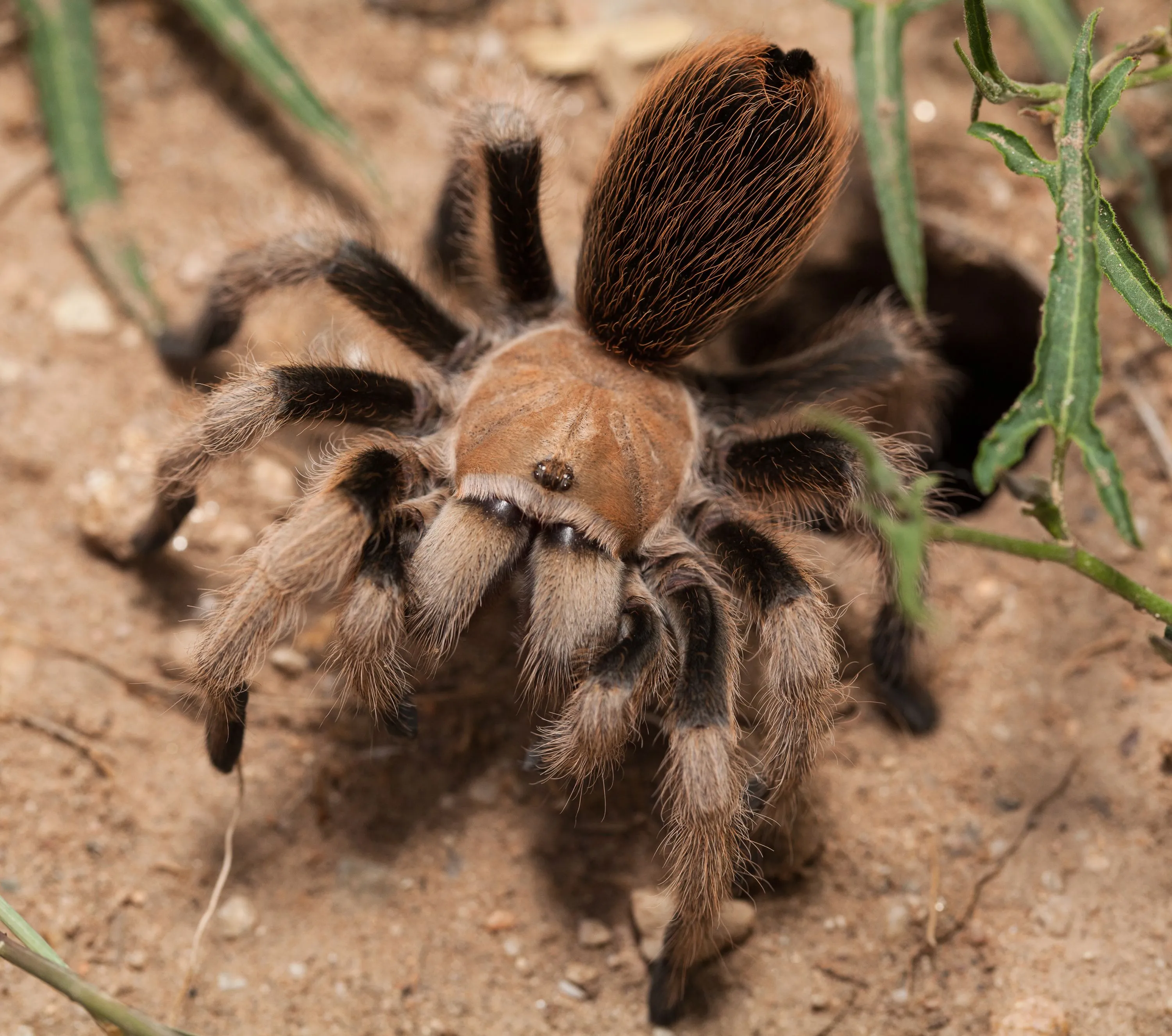
Handling a tarantula can be a rewarding experience, but it’s crucial to prioritize the safety and well-being of both the tarantula and the handler. Not all tarantula species are suitable for handling, and even those that are generally docile can exhibit defensive behaviors. This guide will explore the best tarantula species for handling, along with essential safety precautions and handling techniques, to ensure a positive and safe interaction.
Understanding Tarantula Behavior
Before attempting to handle any tarantula, it’s essential to understand their behavior. Tarantulas are generally solitary creatures and do not seek social interaction with humans. Their behavior is primarily driven by instinct, with survival being the ultimate goal. Understanding their defensive mechanisms and recognizing signs of stress is key to safe handling.
Defensive Mechanisms in Tarantulas
Tarantulas have several defensive mechanisms they use to protect themselves from perceived threats. These include biting, kicking urticating hairs (in some species), and fleeing. Biting is a last resort, but it can be painful. Urticating hairs, which are barbed hairs that can cause skin irritation, are another common defense mechanism. Fleeing is the most common response, and tarantulas can move surprisingly quickly.
Identifying Aggressive Behavior

Observing a tarantula’s behavior is essential to determine if it is stressed or aggressive. Signs of aggression include a defensive posture (raising their front legs and fangs), hissing, or striking at the air. If a tarantula exhibits these behaviors, it’s best to leave it alone and avoid handling. Other signs of stress include fleeing, refusing food, or excessive web-making.
Top 5 Safest Tarantula Species for Handling
While no tarantula is guaranteed to be completely docile, some species are known for their generally calm temperament and are considered more handleable than others. It is still very important to handle them with care. Here are five tarantula species that are often recommended for handling, keeping in mind that individual tarantulas may vary in their behavior.
The Chilean Rose Hair Tarantula
The Chilean Rose Hair (Grammostola rosea) is a popular choice for beginners due to its docile nature. They are generally slow-moving and less prone to defensive behaviors. These spiders are a beautiful species that make for a great beginner pet.
Handling the Chilean Rose Hair

When handling a Chilean Rose Hair, move slowly and gently. Always support the tarantula’s body to prevent falls. Be mindful of their urticating hairs, which they may kick off if they feel threatened.
The Pinktoe Tarantula
Pinktoe Tarantulas (Avicularia avicularia) are known for their arboreal lifestyle and relatively calm demeanor. They are beautiful spiders with pink toe pads that make them an attractive pet. They tend to be less defensive compared to some other species.
Handling the Pinktoe Tarantula
Pinktoes are generally more skittish than some other species, so handle them in a calm, quiet environment. Avoid sudden movements, and always be prepared for them to jump or run. Be prepared for some dropping, as this is a common defense mechanism.
The Mexican Red Knee Tarantula

Mexican Red Knees (Brachypelma hamorii) are another popular choice for their beautiful coloration and generally docile temperament. These tarantulas are relatively slow-moving and less likely to bite. The Mexican Red Knee is a great species, but it is crucial to note that they are now protected, and it is important to make sure you buy from a reputable breeder.
Handling the Mexican Red Knee
Handle the Mexican Red Knee carefully and support their body. Be aware of their urticating hairs, which they may kick off if they feel threatened. Do not handle them often, as too much handling can cause stress. They do much better when they have a home they feel secure in.
The Curly Hair Tarantula
Curly Hair Tarantulas (Tliltocatl albopilosus) are known for their gentle nature and distinctive, curly hairs. They are typically slow-moving and less likely to bite, making them a good choice for handling. The curly hair is a wonderful species to start with.
Handling the Curly Hair Tarantula

Handle the Curly Hair gently and support their body. Be aware of their urticating hairs, and avoid sudden movements. Do not handle them for too long, as it can be a stressful experience for them.
The Gooty Sapphire Ornamental Tarantula
Gooty Sapphire Ornamental (Poecilotheria metallica) tarantulas are stunning with their blue and yellow coloration, but handling should be done with extreme caution. While they are often recommended for handling, they can be unpredictable and fast. They should be handled by experienced keepers only.
Handling the Gooty Sapphire Ornamental
If handling is necessary, do so with extreme care. Always be prepared for a quick escape or a potential bite. Use long tools to guide the tarantula if needed.
Essential Safety Gear

Proper safety gear is essential when handling any tarantula, even the most docile species. This gear can protect you from bites and minimize the risk of injury.
The Importance of Gloves
Wear gloves to protect your hands from potential bites and to reduce the risk of irritation from urticating hairs. Latex or nitrile gloves are suitable options, ensuring a good grip and providing a barrier against direct contact. It is also important to note that even if a tarantula does not bite, it can still cause irritation to your skin through its urticating hairs. Gloves can prevent this.
Using Long Handled Tools
Use long handled tools, such as tongs or soft brushes, to gently guide the tarantula or to move it from one place to another. This minimizes the need to directly handle the tarantula and reduces the risk of being bitten. These tools are especially important when dealing with a quick species.
Creating a Safe Handling Environment

Preparing a safe environment for handling is crucial to minimize the risk of injury or escape. A well-prepared environment allows you to handle your tarantula with confidence.
Setting Up Your Handling Area
Choose a clear, uncluttered surface or enclosed space, such as a bathtub or a large container, for handling. This limits the chances of the tarantula escaping or getting lost. Make sure the area is free of hazards, such as small objects or sharp corners.
Preparing for Potential Drops or Escapes
Always be prepared for the tarantula to potentially drop or try to escape. Have a plan in place to quickly and safely catch the tarantula. Keep the handling area close to the ground to minimize the risk of injury if the tarantula falls. A clear space, such as a bathtub, is important for this very reason.
Tips for Successful Handling
Following these tips can help make handling tarantulas a safer and more enjoyable experience.
Building Trust With Your Tarantula
Building trust with your tarantula is a long-term process. Spend time observing your tarantula and learning its behavior. Avoid handling it when it appears stressed or agitated. A healthy, well-cared-for tarantula is more likely to be comfortable and less likely to exhibit defensive behaviors.
Recognizing Stress Signals
Pay close attention to your tarantula’s body language. If it displays any signs of stress, such as raising its front legs or flicking urticating hairs, stop handling immediately and allow it to retreat to its enclosure. Do not force the tarantula to interact if it is not willing to do so.
Step-by-Step Handling Guide
Here’s a step-by-step guide to handling a tarantula safely, assuming you have selected a handleable species.
Pre-Handling Assessment
Assess the tarantula’s behavior and environment. Make sure the tarantula is not in premolt, has recently eaten, or is otherwise stressed. Ensure the handling environment is safe and prepared. Make sure the tarantula is not in a dangerous situation. Never take a tarantula from its enclosure if it is in a dangerous situation.
Gentle Approach and Interaction
Approach the tarantula slowly and calmly. Gently encourage it to walk onto your hand or a soft surface. Do not grab or startle the tarantula. Support the tarantula’s body at all times, especially if it is a larger species. If it is not willing, use long tools to gently move the tarantula.
Post-Handling Procedure
After handling, gently return the tarantula to its enclosure. Wash your hands thoroughly. Observe the tarantula for any signs of stress and allow it to settle back into its normal routine. Do not handle the tarantula again until it has had ample time to recover.
Conclusion
Handling a tarantula should be approached with caution and respect. Choosing a handleable species, understanding their behavior, and following safety guidelines are essential for a positive experience. Always prioritize the tarantula’s well-being and avoid handling if the tarantula appears stressed or aggressive. By following these tips, you can enjoy the unique experience of interacting with these fascinating creatures while ensuring your safety and the safety of your tarantula.