What Makes a Happy Tarantula?
Keeping a tarantula happy involves understanding its needs and providing a suitable environment. Unlike dogs or cats, tarantulas don’t express joy in the same way. However, a happy tarantula is one that thrives in its habitat, displaying healthy behaviors like eating well, molting successfully, and generally appearing active and alert. This guide delves into the essential factors contributing to tarantula well-being, ensuring your eight-legged friend lives a long, fulfilling life. Understanding these needs is crucial for responsible tarantula ownership and ensures a rewarding experience for both you and your pet. A happy tarantula is a healthy tarantula, and a healthy tarantula is a joy to observe.
Understanding Tarantula Behavior
Observing your tarantula’s behavior is the first step in ensuring its happiness. Tarantulas are generally solitary creatures, and their behaviors are often subtle. A healthy tarantula will be active, exploring its enclosure, and exhibiting a healthy appetite. A tarantula that constantly hides, refuses food, or appears lethargic may be stressed or unwell. Learn to recognize the signs of a comfortable tarantula. This knowledge will enable you to identify and address potential issues promptly, preventing any decline in their well-being. This understanding can help you to provide the most appropriate care for your pet, contributing to a happy and healthy life.
Diet and Nutrition

Proper nutrition is essential for a happy tarantula. Tarantulas are carnivores, and their diet should consist primarily of insects. The type of insect and the feeding frequency will vary depending on the tarantula’s species and age. It’s also very important to offer a varied diet to ensure they get all the nutrients they require. Avoid feeding them insects from outside. These insects can carry parasites or pesticides that can harm your tarantula. Offer insects like crickets, mealworms, or roaches. Make sure to gut-load the insects before feeding them to your tarantula. Gut-loading means feeding the insects nutritious food so that they, in turn, provide more nutritional value to your tarantula.
Choosing the Right Food
The best food options for your tarantula will vary depending on its size and species. Crickets are a widely available and convenient option, but it’s crucial to ensure they are gut-loaded with nutritious food before feeding them to your tarantula. Mealworms are another option, but they are higher in fat, so they should be offered in moderation. Roaches, such as Dubia roaches, are often considered a good choice due to their high protein content and relatively easy maintenance. The size of the prey should also be appropriate for your tarantula. The prey should be no larger than the tarantula’s body. Variety is key, so offering a mix of different insects can provide a more balanced diet.
Feeding Frequency and Amount
The feeding frequency depends on the tarantula’s age and metabolism. Spiderlings need to be fed more frequently, usually two to three times a week. As they mature, the frequency can be reduced to once or twice a week. Adults can often be fed once a week or even less frequently, particularly after a molt. The amount of food should be adjusted based on the tarantula’s appetite. Avoid overfeeding, as this can lead to obesity and other health problems. Remove any uneaten prey within 24 hours to prevent the spread of mold and mites in the enclosure. Monitoring your tarantula’s abdomen size can help you gauge if they are getting enough food.
Habitat and Enclosure
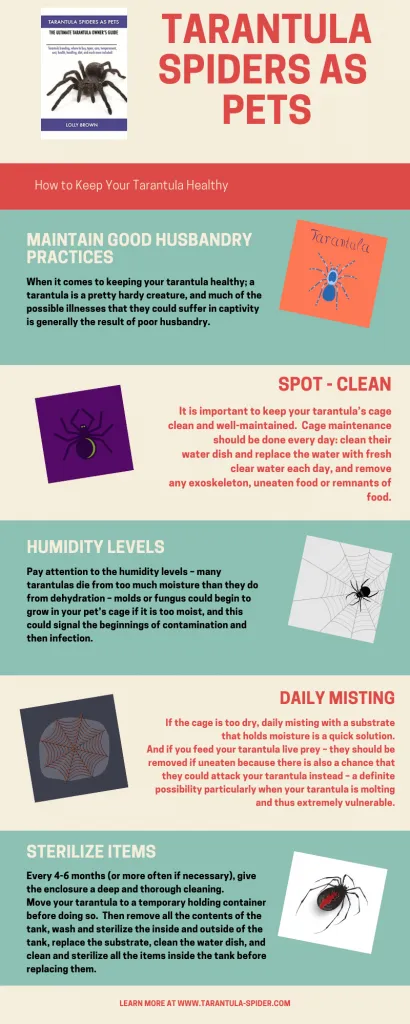
The enclosure is a tarantula’s home, and providing the right environment is crucial for its happiness. The size, substrate, temperature, and humidity all play a vital role in its well-being. A well-designed enclosure mimics the tarantula’s natural habitat, allowing it to feel secure and thrive. A poorly designed or maintained enclosure can lead to stress, health problems, and ultimately, an unhappy tarantula. Therefore, it’s one of the most critical factors in providing a happy and safe home for your tarantula.
Optimal Enclosure Size and Setup
The size of the enclosure should be appropriate for the tarantula’s size and species. A general rule is to provide an enclosure that is at least three times the tarantula’s leg span in width and length, and the height should allow for adequate vertical space if the species is arboreal. The enclosure should be escape-proof, with a secure lid and appropriate ventilation. Choose an enclosure made of clear plastic or glass for easy viewing. Avoid enclosures with sharp edges or small openings that could pose a hazard. The enclosure should also be easy to clean and maintain, which is essential for the tarantula’s health and your convenience.
Substrate and Decor
The substrate, or bedding, is an essential part of the tarantula’s enclosure. It provides a place for the tarantula to burrow, helps maintain humidity, and creates a more natural environment. The ideal substrate will depend on the species, but a mix of coco fiber, peat moss, and vermiculite is generally suitable. The substrate should be deep enough for burrowing species to create their burrows. Provide hiding places such as cork bark, artificial plants, or hollow logs to make the tarantula feel secure. The decor should be non-toxic and free of sharp edges. Regular cleaning and replacement of the substrate is vital for maintaining a healthy environment.
Temperature and Humidity

Temperature and humidity levels play a critical role in a tarantula’s well-being. Most tarantulas thrive in temperatures between 75-85°F (24-29°C). Use a heat lamp or under-tank heater to maintain the correct temperature, but be careful to avoid overheating. The humidity levels needed will vary depending on the species. Tropical species require higher humidity (70-80%), while desert species require lower humidity (50-60%). Use a hygrometer to monitor the humidity levels. Mist the enclosure regularly to maintain the appropriate humidity, but avoid over-misting, which can lead to mold and mites. Make sure to provide a water dish with fresh water at all times.
Creating the Ideal Environment
Creating the ideal environment involves a combination of factors. Ensure the enclosure is the right size and provides adequate space for movement and burrowing. The substrate should be appropriate for the species and kept clean and moist. Provide hides for security and a water dish with fresh water. Regular maintenance, including spot cleaning and substrate replacement, is necessary to maintain a healthy environment. By paying attention to these details, you can create a habitat that allows your tarantula to thrive and exhibit natural behaviors. A well-designed enclosure is a sign of a happy, healthy tarantula.
Handling and Interaction
While tarantulas aren’t the cuddly type, handling and interaction can be a part of tarantula care. However, it’s essential to approach this with caution and respect for the animal. Handling a tarantula should always be done with care and understanding of the potential risks. Not all tarantulas tolerate handling well, and some species are more prone to defensive behaviors like biting or flicking urticating hairs. Understanding your tarantula’s temperament and knowing when not to handle it is crucial for the safety of both you and your pet. Always prioritize the tarantula’s well-being. Understanding your tarantula’s temperament is very important before trying to handle it.
When to Handle Your Tarantula (and When Not To)

Before you consider handling your tarantula, assess its species and temperament. Some species are known for being more docile and less prone to biting, while others are defensive and best left alone. Never handle a tarantula if it’s molting, has recently molted, or is about to molt. These are vulnerable times. Avoid handling if the tarantula appears stressed, defensive, or is flicking its legs or rearing up. Feed your tarantula first before attempting to handle it. It should not be handled if it has just eaten. Handling can also cause undue stress to a tarantula, so limit handling to necessary situations. Regular handling is not a requirement for a happy tarantula; a safe and suitable environment is far more important.
Safe Handling Techniques
If you choose to handle your tarantula, do so with extreme caution. Approach it slowly and gently. Do not make sudden movements. Encourage the tarantula to walk onto your hand by gently nudging it from behind with a soft brush or your other hand. Always handle it over a soft surface, such as a bed or a carpet, in case it falls. Avoid squeezing or grabbing the tarantula. Keep your hands steady and provide support. Wash your hands thoroughly before and after handling. Be aware of the potential for a bite or the release of urticating hairs. If bitten or exposed to hairs, seek medical attention if necessary. Always prioritize your safety and your tarantula’s well-being.
Health and Wellbeing
Maintaining the health and well-being of your tarantula involves providing a suitable environment, proper nutrition, and regular monitoring. Regular observation can help you identify any potential health issues early on, allowing you to address them promptly. By being proactive in your tarantula’s care, you can ensure that it lives a long, healthy, and happy life. Understanding the signs of a healthy tarantula and knowing how to identify potential problems is essential for responsible tarantula ownership. Provide the best possible care to minimize the risk of health issues. A healthy tarantula will display its natural behaviors and be a source of enjoyment for many years.
Recognizing Signs of a Happy Tarantula

A happy tarantula generally appears healthy and active. It will move around its enclosure, explore its surroundings, and exhibit a good appetite. A healthy tarantula will have a plump abdomen, indicating that it is well-fed. It will molt successfully, shedding its exoskeleton without difficulty. The colors of the tarantula should be vibrant and true to its species. It will have a generally alert demeanor, being responsive to stimuli in its environment. These behaviors are all indicators of a thriving tarantula. Observe these signs to gauge the overall happiness and health of your pet. Remember that all tarantulas are different and will have different personalities.
Common Health Issues and Prevention
Several health issues can affect tarantulas. Parasites and mites can be prevented by ensuring clean substrate and food. Poor molting can result from low humidity or nutritional deficiencies. Abdominal injuries can occur if the tarantula falls. Prevent injuries by providing a suitable enclosure with a safe setup. Promote overall health by providing a balanced diet and maintaining the proper temperature and humidity. Regular observation and attention to these preventive measures are essential for keeping your tarantula healthy and happy. Consult a vet that specializes in exotic animals if you have any concerns about your tarantula’s health.