
Honduran Tarantula: Overview
The Honduran tarantula, scientifically known as Tliltocatl vagans, is a captivating arachnid that has captured the interest of many. Known for its striking appearance and relatively docile temperament, it’s a popular choice among tarantula enthusiasts. This spider hails from Central America, specifically Honduras, hence its common name. These spiders bring a touch of the exotic into our homes, offering a unique opportunity to observe the intricate world of arachnids. In this article, we’ll delve into five fascinating facts about the Honduran tarantula, exploring its appearance, habits, and conservation status.
Appearance and Characteristics
Size and Coloration

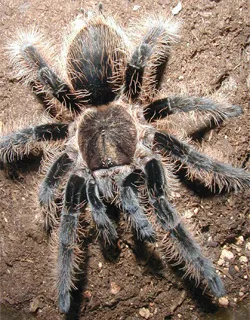
The Honduran tarantula presents a visually appealing package. These spiders are moderately sized, with females typically reaching a leg span of up to 5-6 inches, while males tend to be slightly smaller. The coloration of this tarantula is quite striking. They often exhibit a base color of dark brown or black, contrasted by reddish or orange hairs on their legs and abdomen. The combination of dark and vibrant hues makes them a beautiful addition to any collection. They are not only fascinating in their behavior but also visually appealing.
Distinguishing Features
Beyond size and color, several features help distinguish the Honduran tarantula. One notable characteristic is the presence of urticating hairs on their abdomen. These hairs are a defense mechanism, used to irritate potential predators. Additionally, like all tarantulas, they possess eight legs, two pedipalps (used for manipulating food and sensing), and chelicerae (fangs). The overall structure of the Honduran tarantula, from its hairy legs to its sturdy body, is a testament to its adaptation to its natural habitat. These features contribute to their survival in the wild, making them a fascinating subject of study.
Habitat and Natural Range
Where They Live

The Honduran tarantula is native to Central America. They are primarily found in Honduras, but their range can extend into neighboring countries. They typically inhabit tropical and subtropical regions, where the climate is warm and humid. These spiders have adapted to these environments, thriving in conditions that support their unique lifestyle. Their natural habitat plays a critical role in their survival, influencing their behavior and physical characteristics. Observing their natural environment provides valuable insights into their specific needs and preferences.
Preferred Environment
In the wild, Honduran tarantulas prefer to live in burrows or under rocks and logs. They seek shelter from the elements and potential predators. These spiders are terrestrial, spending most of their time on the ground. The environment is crucial for their well-being, providing them with both a safe haven and access to food. Captive environments should mimic these conditions, providing appropriate substrate, hiding places, and humidity to ensure the tarantula’s health and happiness. Understanding their preferred environment is essential for providing proper care.
Fascinating Fact 1 Feeding Habits
What They Eat

Honduran tarantulas are opportunistic predators. Their diet consists primarily of insects. In the wild, they will consume crickets, beetles, moths, and other invertebrates that they can overpower. They have excellent hunting skills, using their speed and venom to subdue their prey. In captivity, their diet is typically supplemented with commercially available insects such as crickets and mealworms. Providing a varied diet can help ensure that these tarantulas receive all the necessary nutrients. Observing their feeding behavior is a fascinating aspect of owning these spiders.
Hunting Strategies
These tarantulas are ambush predators, meaning they typically wait for their prey to come within striking distance. They have sensitive hairs on their legs that can detect vibrations, alerting them to the presence of potential meals. Once a prey item is close enough, the tarantula will quickly pounce, injecting venom through its fangs. The venom immobilizes the prey, allowing the spider to begin consuming it. Their hunting strategies are a key aspect of their survival in the wild, honed over generations through the process of natural selection. These hunting abilities showcase their remarkable adaptations.
Fascinating Fact 2 Lifespan
Male vs Female Lifespan

One of the most intriguing aspects of the Honduran tarantula is its lifespan, which varies greatly between the sexes. Females typically live much longer than males. Female Honduran tarantulas can live for 10 to 15 years or even longer, provided they receive proper care. Male tarantulas, on the other hand, have a considerably shorter lifespan, often only living for 2 to 3 years after reaching maturity. This difference is a common trait among tarantulas, where the primary role of the male is to reproduce.
Factors Affecting Lifespan
Several factors can impact the lifespan of a Honduran tarantula. Proper care is essential, including providing a suitable habitat, a balanced diet, and maintaining the correct temperature and humidity levels. Stress, poor nutrition, and exposure to toxins can shorten their lifespan. Genetics also play a role; some individuals may simply have a predisposition to live longer. In captivity, the goal is to create an environment that mimics their natural habitat as closely as possible, optimizing conditions to allow them to reach their full lifespan potential. The owner’s attention to the tarantula’s needs is crucial for its longevity.
Fascinating Fact 3 Defensive Mechanisms
Urticating Hairs

Honduran tarantulas, like many New World tarantula species, possess urticating hairs on their abdomen. These hairs are a primary defense mechanism against predators. When threatened, the tarantula will use its hind legs to flick these hairs into the air or onto the attacker. These hairs are barbed and cause intense irritation upon contact with the skin and eyes. Handling a tarantula should be done with caution to avoid exposure to these hairs. This defense mechanism effectively deters many potential predators.
Bites and Venom
While Honduran tarantulas possess venom, their bite is generally not considered life-threatening to humans. The venom is relatively mild, causing localized pain, redness, and swelling. However, a bite can be a painful experience, and anyone bitten should clean the wound and monitor for any signs of infection. The tarantula’s primary defense mechanism is the urticating hairs, not the venom. Avoiding bites is always the best course of action, achieved by respecting the spider’s space and handling them with care. They are more likely to flick hairs than bite.
Fascinating Fact 4 Behavior and Temperament
Typical Behavior
The Honduran tarantula is often described as being relatively docile. They are generally not aggressive, and they tend to prefer hiding and retreating when threatened. They are crepuscular, meaning they are most active during dawn and dusk. They spend much of their time in their burrows or under cover, waiting for prey. They will also move around during the night, exploring their surroundings. Their behavior can vary, but their generally calm nature makes them a popular choice for tarantula keepers.
Interactions with Humans
Honduran tarantulas are generally not prone to biting, although they will defend themselves if they feel threatened. Many keepers enjoy interacting with their tarantulas through observation. It is recommended to handle them with caution, minimizing direct physical contact. Handling can be stressful for the spider. Observing their behavior, feeding them, and maintaining their habitat are all part of the rewarding experience of owning a Honduran tarantula. Careful interaction and a respect for the spider’s needs are essential.
Fascinating Fact 5 Conservation Status
Threats to Populations
The Honduran tarantula faces certain threats in the wild. Habitat loss is a significant concern, as deforestation and urbanization reduce their natural range. The pet trade can also pose a threat if populations are unsustainably harvested from the wild. Climate change and environmental degradation can also affect their survival. These factors combine to potentially impact their populations. Conservation efforts are important to ensure the continued existence of this fascinating species. Awareness and action are critical to protecting these spiders.
Conservation Efforts
Several conservation efforts are focused on protecting the Honduran tarantula. Supporting sustainable practices in the pet trade, where tarantulas are bred in captivity instead of being wild-caught, is a key step. Preserving their natural habitats through protected areas and reforestation projects is another important strategy. Educating the public about tarantulas and their ecological roles can also promote conservation. Individuals can contribute by responsibly sourcing pet tarantulas and supporting organizations involved in conservation efforts. These actions contribute to protecting the Honduran tarantula and its habitat.