Horned Baboon Tarantula Overview
The Horned Baboon Tarantula (Ceratogyrus marshalli) is a captivating and increasingly popular pet spider, admired for its unique appearance and relatively manageable care requirements. This care sheet provides a comprehensive guide to understanding and successfully keeping these fascinating arachnids. Native to the dry regions of Southern Africa, this tarantula’s care requires careful attention to detail to ensure their well-being. Before acquiring a Horned Baboon Tarantula, it is crucial to research and understand their specific needs to provide a suitable and enriching environment. This includes everything from the proper enclosure setup to understanding their feeding habits and recognizing signs of stress or illness. With the right knowledge and dedication, you can enjoy the unique experience of keeping these remarkable creatures.
Appearance and Characteristics
The Horned Baboon Tarantula is known for its distinctive appearance, which includes a horn-like protuberance on its carapace (the top part of its body) and a stout, hairy body. They typically exhibit a tan to brown coloration, with some individuals displaying slightly darker or lighter hues. Adult females can reach a leg span of up to 5 inches, while males are generally smaller. Their robust build and the presence of the horn give them a unique look compared to other tarantula species. The horn is believed to serve as a sensory organ, possibly helping them detect vibrations or changes in their environment. They also possess urticating hairs, though they are less aggressive with these than other tarantulas. These spiders are terrestrial, spending most of their time on the ground or in burrows, which they may create or adapt within their enclosure.
Natural Habitat

Understanding the natural habitat of the Horned Baboon Tarantula is critical for replicating the right conditions in captivity. They are native to the dry, savanna regions of Southern Africa, including countries like Zimbabwe and Mozambique. In their natural environment, they inhabit burrows in the ground, often under rocks or logs, to escape the intense heat and protect themselves from predators. The climate in these areas is characterized by distinct wet and dry seasons, influencing the tarantula’s activity levels and molting cycles. These environments are often arid with temperatures that can vary significantly between day and night. Replicating these conditions, including temperature gradients and appropriate humidity levels, will contribute significantly to the overall well-being of the tarantula.
Setting Up Your Horned Baboon Tarantula Enclosure
A well-designed enclosure is essential for the health and happiness of your Horned Baboon Tarantula. The setup should replicate their natural habitat as closely as possible, providing both comfort and security. This involves choosing the right type and size of enclosure, selecting appropriate substrate, and creating a comfortable environment with adequate temperature and humidity levels. Ensuring the enclosure is escape-proof is also a priority, as these tarantulas can be surprisingly quick and agile. A good enclosure minimizes stress on the tarantula and facilitates easier observation, allowing you to monitor its behavior and well-being. Remember to maintain proper hygiene to prevent mold and the build-up of waste, all contributing to a healthy environment for your pet.
Choosing the Right Enclosure
The ideal enclosure for a Horned Baboon Tarantula should be a terrarium or a plastic container of appropriate size. For a juvenile tarantula, a container that is roughly 5-10 gallons is typically sufficient. As the tarantula grows, you will need to upgrade to a larger enclosure, with adults needing a container of approximately 10-20 gallons. The enclosure should be wider than it is tall, as these tarantulas are terrestrial and do not require significant vertical space. Make sure the enclosure has a secure lid to prevent escapes and adequate ventilation to prevent the build-up of humidity that can lead to health problems. Glass or clear plastic enclosures are often preferred for visibility, allowing you to easily observe your tarantula. The material should be durable and easy to clean.
Substrate Selection
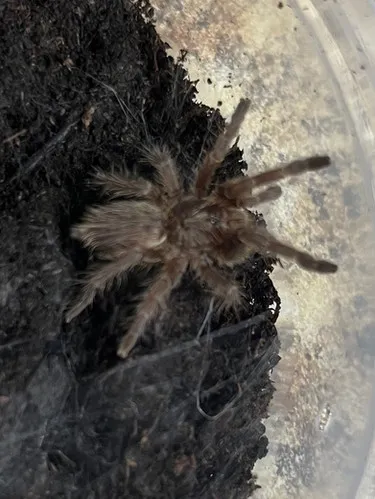
The substrate is the foundation of your tarantula’s habitat. It provides a surface for the tarantula to walk on, a place to burrow (if it chooses), and helps to maintain the proper humidity levels. A suitable substrate for a Horned Baboon Tarantula is a mix of materials that provide the right balance of moisture retention and drainage. Good choices include a mixture of peat moss, vermiculite, and a bit of sand. The substrate should be deep enough, at least 4-6 inches, to allow the tarantula to burrow if it desires. Avoid substrates that can mold easily or that are dusty, such as pure sand or soil. Regular maintenance, including removing any food waste or fecal matter, will help keep the substrate clean and healthy. Change the substrate completely every 6-12 months, depending on its condition and how quickly it degrades.
Creating Hides and Decorations
Providing hides and decorations is essential for your Horned Baboon Tarantula’s well-being, as it allows them to feel secure and reduces stress. Hides can be as simple as a piece of cork bark, a half-log, or a commercially available tarantula hide. Ensure the hide is large enough for the tarantula to fit comfortably, but not so large that it doesn’t feel secure. Decorations can include fake plants, branches, and rocks, but ensure that any additions are safe and won’t topple over, potentially harming your tarantula. These additions not only provide aesthetic value but also offer additional places for the tarantula to hide and explore. Arrange the decorations in a way that provides a variety of environments within the enclosure, such as shaded areas and open spaces.
Temperature and Humidity
Maintaining the correct temperature and humidity levels is critical for the health of your Horned Baboon Tarantula. The ideal temperature range is typically between 75-85°F (24-29°C). You can maintain this temperature using a heat mat placed on the side of the enclosure or a low-wattage incandescent bulb. Avoid placing the heat source directly under the enclosure, as this can overheat the substrate and potentially harm your tarantula. Humidity should be kept relatively low, around 50-60%. You can monitor humidity using a hygrometer and increase humidity by lightly misting the enclosure with water every few days, making sure not to make the substrate overly wet. Proper ventilation is also important to prevent mold growth and ensure good air quality.
Feeding Your Horned Baboon Tarantula

Feeding your Horned Baboon Tarantula appropriately is crucial for their health and growth. Their diet, feeding frequency, and access to water directly impact their overall well-being. Understanding the nutritional requirements of this species, along with the proper feeding schedule, will contribute significantly to their long and healthy life. These tarantulas have specific dietary needs, and it is essential to provide a varied diet consisting of live insects. Ensuring your tarantula receives proper nourishment is an integral part of their care, directly influencing their ability to thrive in captivity.
Diet and Feeding Frequency
Horned Baboon Tarantulas are primarily insectivores. They should be fed a diet consisting of live insects, such as crickets, roaches, mealworms, and other commercially available feeder insects. The size of the insects should correspond to the size of the tarantula; the prey should be no larger than the tarantula’s body. For spiderlings, feed every 2-3 days, while juveniles can be fed every 4-7 days. Adults typically need to be fed once a week or every other week, depending on their appetite and size. Always remove any uneaten prey within 24 hours to prevent them from stressing or injuring your tarantula. It is also beneficial to gut-load the insects you are feeding to your tarantula, providing them with extra nutrition before they are eaten.
Watering and Hydration
Providing a constant source of fresh water is essential for your Horned Baboon Tarantula. This can be achieved by using a shallow water dish that is easily accessible and difficult for the tarantula to tip over. The dish should be cleaned and refilled with fresh water regularly, at least once a week. Alternatively, you can provide moisture by misting the enclosure lightly every few days, which allows the tarantula to drink water droplets. It is crucial to avoid making the substrate overly wet, as excessive moisture can lead to mold growth and health problems. Regularly monitor the water source and ensure it remains clean and accessible at all times to maintain the proper hydration levels for your tarantula.
Handling and Safety

While Horned Baboon Tarantulas are generally not considered highly aggressive, they do possess the ability to bite and inject venom, so caution should always be exercised when handling them. The potential for being bitten and the tarantula’s defensive behaviors should be taken into consideration. It is crucial to respect these creatures and to prioritize your safety and the tarantula’s well-being. Understanding the appropriate handling methods and recognizing signs of stress will help to minimize the risk of bites and create a more secure and comfortable experience for both you and the tarantula. Proper handling techniques should always be followed to minimize the likelihood of causing unnecessary stress or harm.
Do’s and Don’ts of Handling
Handling a Horned Baboon Tarantula should be done with utmost care. It is generally advisable to avoid handling them unless necessary, such as during enclosure maintenance or health checks. If handling is unavoidable, do so with a calm and slow approach. Avoid sudden movements or loud noises, as these can startle the tarantula and increase the likelihood of a defensive response. Never try to grab or corner the tarantula, as this can cause stress and increase the risk of a bite. If you must handle it, gently coax it into a container or onto your hand, using a soft brush or a gentle touch. Always wash your hands thoroughly before and after handling to maintain hygiene and prevent any potential contamination.
Recognizing Signs of Stress
It’s important to recognize signs of stress in your Horned Baboon Tarantula. These signs include a defensive posture, such as rearing up with its fangs exposed, flicking urticating hairs from the abdomen, or repeatedly kicking out with its legs. Other signs of stress can include a refusal to eat, spending excessive time hiding, or pacing restlessly within the enclosure. If you observe any of these behaviors, it is best to leave the tarantula alone and to address any potential environmental stressors. Make adjustments to their environment to mitigate the stress. Ensure that the temperature and humidity are appropriate and that the enclosure provides adequate hiding places. Providing a comfortable and secure environment is essential to minimizing stress and maintaining the overall health of your tarantula.
Molting and Growth

Molting is a natural and essential process for tarantulas, allowing them to grow and replace their exoskeleton. During this process, the tarantula sheds its old exoskeleton to reveal a new, larger one. Understanding the molting process and providing proper care during this sensitive time is crucial for the tarantula’s survival and development. Proper care and environmental adjustments during molting ensure that the new exoskeleton forms correctly, allowing the tarantula to grow and thrive. The process can take various lengths of time, depending on the tarantula’s age and health, so patience and attention to detail are essential for responsible tarantula care.
Understanding the Molting Process
Before molting, your Horned Baboon Tarantula will typically stop eating and may become more reclusive, often retreating to a hide. The tarantula will then lay on its back, and its exoskeleton will split open, allowing the tarantula to emerge. The new exoskeleton is soft and vulnerable, and the tarantula will remain in a vulnerable state for several days. The frequency of molting decreases as the tarantula ages. Spiderlings will molt more frequently than adults. Ensure the enclosure is free of any potential hazards during the molt, such as items that could topple over or injure the tarantula. Do not disturb your tarantula during this process and avoid feeding it until its fangs have hardened after the molt.
Post-Molting Care
After molting, your Horned Baboon Tarantula will be very vulnerable. The new exoskeleton is soft and will take several days to harden fully. Do not attempt to handle the tarantula during this period. Provide the tarantula with a fresh supply of water. After the fangs have hardened, you can begin feeding, but start with small, easily manageable prey items. Ensure that the environment is stable and free from stressors during this time. The tarantula’s overall health and growth depend significantly on the quality of care provided after the molt. Continue to monitor the tarantula’s behavior and ensure that it is eating and drinking normally after the molting process.
Common Health Issues and Prevention

Like all living creatures, Horned Baboon Tarantulas can be susceptible to various health issues. Proper care, including maintaining the correct environment, providing a balanced diet, and recognizing signs of illness, can help prevent these issues. Prevention is always the best approach. Knowing about common health problems can empower you to detect issues early and seek appropriate veterinary care if needed. By understanding the potential health risks and the preventative measures you can implement, you can keep your Horned Baboon Tarantula healthy and thriving for years to come.
Parasites and Diseases
Horned Baboon Tarantulas can be affected by various parasites and diseases. Mites are one common problem, often appearing as tiny, moving specks on the tarantula’s body. They can be introduced through contaminated substrate or prey. Fungal infections can also occur, especially in enclosures with high humidity and poor ventilation. Bacterial infections can arise from wounds or poor hygiene. If you suspect your tarantula is sick, it’s essential to isolate it from other tarantulas and consult with a veterinarian specializing in exotic animals. Some common diseases include various infections. Careful observation and prompt intervention are critical to prevent these health problems from worsening. Early detection and treatment will make a substantial difference in the health outcome of your tarantula.
Preventive Measures
Several preventive measures can help keep your Horned Baboon Tarantula healthy. The most important is maintaining a clean and appropriate enclosure. Regularly clean and replace the substrate to prevent the build-up of waste and the growth of harmful bacteria or fungi. Provide proper ventilation to prevent excess humidity. Always quarantine new tarantulas before introducing them to your collection. Feeding the tarantula a varied diet of healthy insects is also key to its well-being. Inspect your tarantula regularly for signs of illness, such as lethargy, loss of appetite, or unusual behaviors. By being vigilant and taking preventive steps, you can significantly reduce the risk of health issues and promote a long and healthy life for your tarantula.
Breeding Horned Baboon Tarantulas
Breeding Horned Baboon Tarantulas is a rewarding but complex undertaking. Success requires careful planning, knowledge of their reproductive cycles, and a good understanding of the care involved in raising spiderlings. The process includes sexing your tarantulas, initiating mating, and providing the right conditions for the eggs and spiderlings to thrive. Breeding tarantulas can provide a fascinating insight into their life cycles and contribute to the conservation of the species. Careful preparation and adherence to specific care protocols are crucial for the successful breeding of Horned Baboon Tarantulas.
Sexing Your Tarantula
Sexing your Horned Baboon Tarantula is essential for breeding. The most reliable method is to examine the underside of the tarantula after a molt. Male tarantulas will have a pair of modified appendages called palpal bulbs at the end of their pedipalps (the small appendages near the mouth). Females will not have these. Another way to sex them is to look for the spermathecae (sperm storage organs), which are visible inside the molt of a female. Determining the sex of your tarantula accurately is crucial for a successful breeding attempt.
Mating and Egg Sac Care
Mating involves introducing a mature male to a receptive female. The female can sometimes be aggressive, so be prepared to separate them if the mating attempt is unsuccessful or if the female shows signs of hostility. If mating is successful, the female will eventually produce an egg sac. Provide appropriate environmental conditions, including optimal temperature and humidity, for the egg sac to develop. After the eggs hatch, provide the spiderlings with plenty of small food sources. The egg sac needs careful handling and monitoring. The female may or may not eat. Separate the spiderlings to prevent cannibalism as they grow.