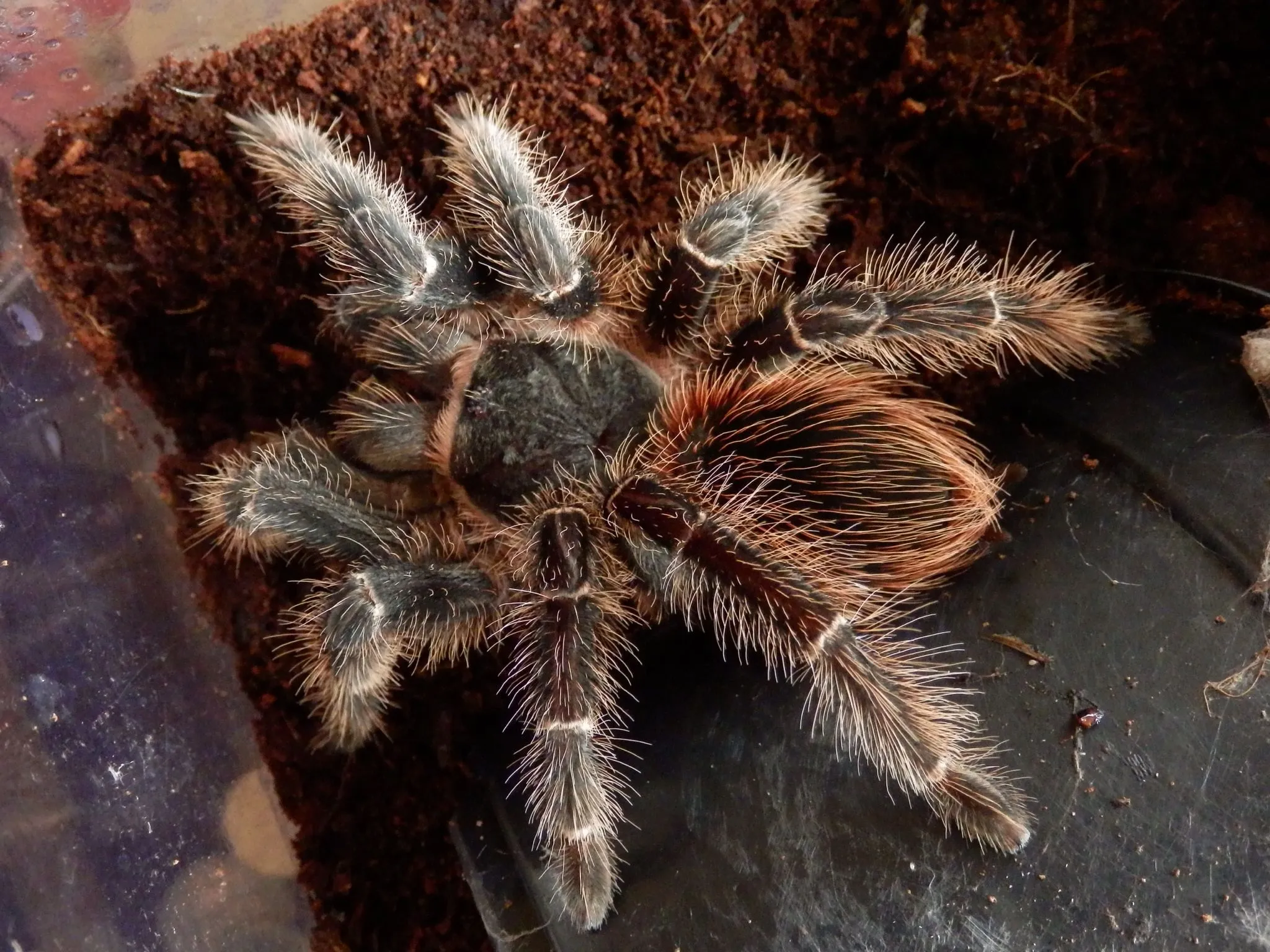
Understanding the Salmon Birdeater Tarantula
The Salmon Birdeater Tarantula, scientifically known as Lasiodora parahybana, is one of the largest tarantula species in the world, captivating enthusiasts with its impressive size and relatively docile temperament. Native to the rainforests of Brazil, these arachnids are popular pets, though they require specific care to thrive. Understanding their natural habitat, behavior, and needs is crucial for responsible ownership. These tarantulas are not just pets; they are a commitment to providing the right environment and care to ensure a long and healthy life. This guide aims to provide comprehensive information on all aspects of Salmon Birdeater tarantula care, from housing to feeding and handling.
Appearance and Characteristics
Salmon Birdeater tarantulas are known for their large size, with females often reaching a leg span of up to 10 inches or more. Their bodies are covered in reddish-brown hairs, with a salmon-pink coloration on their legs and carapace, which gives them their common name. Their impressive size and striking appearance make them a fascinating species to observe. They have a robust build and powerful chelicerae (fangs) that they use for defense and feeding. Their appearance is a key aspect of their appeal, making them a sought-after species for tarantula enthusiasts around the world. Proper care is essential to maintain their vibrant colors and overall health.
Lifespan and Size

The lifespan of a Salmon Birdeater tarantula varies based on sex. Females can live for up to 15-20 years, making them a long-term commitment for any owner. Males, on the other hand, have a significantly shorter lifespan, typically living for only 3-5 years after reaching maturity. The difference in lifespan is due to the biological processes associated with reproduction. The size of these tarantulas is also notable; as mentioned, females can reach impressive sizes, making them one of the largest tarantula species. This difference in lifespan and size should be considered when choosing a tarantula as a pet, especially if you are a beginner.
Habitat and Enclosure Setup
Creating the right habitat is critical to the well-being of your Salmon Birdeater Tarantula. These tarantulas are terrestrial and require a spacious enclosure with proper substrate, temperature, humidity, and hiding places. A well-designed habitat provides a safe and stimulating environment, mimicking their natural environment as closely as possible. Attention to detail in enclosure setup reduces stress and encourages natural behaviors. The correct enclosure setup ensures the longevity and health of the Salmon Birdeater, making it a rewarding pet to keep.
Choosing the Right Enclosure
Given their large size, Salmon Birdeater Tarantulas need a spacious enclosure. A glass or acrylic terrarium with good ventilation is ideal. The enclosure should be at least 18x18x12 inches for juveniles and 24x18x18 inches or larger for adults. Secure lids are a must, as tarantulas are skilled escape artists. Ensure the enclosure is escape-proof, but also allows for easy access for feeding and maintenance. Consider the tarantula’s size when choosing the enclosure, providing ample space for movement and a naturalistic setup.
Substrate and Decor
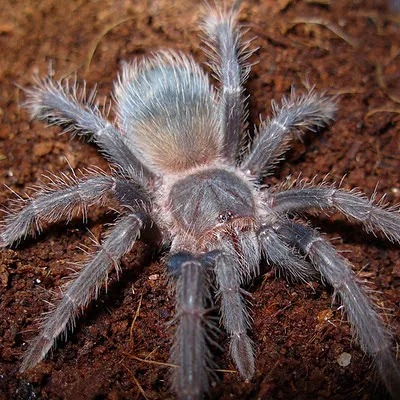
The substrate should be deep enough for burrowing, as Salmon Birdeaters may dig. A mix of peat moss, coconut fiber, and vermiculite is an excellent choice, holding humidity well while allowing for proper ventilation. Decorate the enclosure with a hide, such as a piece of cork bark or a hollow log, to provide a sense of security. Add a shallow water dish, ensuring it is always filled with fresh water. Avoid sharp or toxic objects, as these can be dangerous to your tarantula. Providing a naturalistic setup will encourage natural behaviors.
Temperature and Humidity
Maintain a temperature range between 75-85°F (24-29°C) in the enclosure. A heat lamp or under-tank heater can be used to maintain the temperature, but be sure to avoid placing the heat source directly under the hide. Humidity levels should be kept between 65-75%, which can be achieved by lightly misting the enclosure once or twice a week, depending on your climate. Use a hygrometer to monitor humidity levels. Proper temperature and humidity are critical for the tarantula’s health, molting, and overall well-being. Ensure the environment remains consistent.
Feeding Your Salmon Birdeater Tarantula
Proper feeding is crucial for the health and growth of your Salmon Birdeater Tarantula. Providing a varied diet and appropriate feeding schedule supports their overall well-being. These tarantulas are voracious eaters, and understanding their dietary needs will help you keep them healthy. A well-fed tarantula is a happy tarantula. The correct feeding practices help in proper growth and molting. Consistent feeding routines are vital for ensuring optimal health and longevity.
What to Feed

Salmon Birdeater Tarantulas are primarily insectivores. Offer a variety of insects, such as crickets, roaches (dubia roaches are a good choice), mealworms, and superworms. The size of the prey should be appropriate for the tarantula’s size; juveniles can eat smaller insects, while adults can consume larger ones. It is not advisable to feed them feeder insects caught outdoors due to the risk of pesticides or parasites. Always make sure that the insects are gut-loaded with nutritious food before feeding them to your tarantula, to provide additional nutrients and vitamins.
Feeding Frequency
The feeding frequency depends on the tarantula’s age and size. Spiderlings and juveniles should be fed 2-3 times per week. Sub-adults and adults can be fed once or twice a week. Adjust the feeding schedule based on the tarantula’s appetite and the size of the prey. Remove uneaten prey within 24 hours to prevent stress on the tarantula and to avoid the buildup of uneaten food. Always make sure your tarantula has access to water.
Watering Your Tarantula
Fresh water is essential. Provide a shallow water dish in the enclosure. Ensure the dish is stable and accessible. Refill the water dish regularly, at least every other day, and clean it when necessary to prevent bacteria growth. Misting the enclosure can supplement water intake, especially during molting. Clean water and the right humidity level are important factors in maintaining their health and well-being. Ensure access to clean and fresh water at all times.
Handling and Safety Precautions

While Salmon Birdeater Tarantulas are generally considered docile, it is essential to handle them with care and respect. These tarantulas can bite if they feel threatened, and their hairs can cause skin irritation. Knowing the right handling techniques and safety precautions is vital for the well-being of both the tarantula and the handler. Avoiding unnecessary handling is a good practice. Minimize potential risks by educating yourself about the tarantula’s behavior and its needs.
Safe Handling Techniques
Handling should be kept to a minimum, only when necessary, such as for enclosure cleaning or health checks. If you must handle the tarantula, do so over a soft surface, such as a bed or a carpet, in case it falls. Use a soft brush to gently guide the tarantula if you need to move it. Avoid sudden movements. Always wash your hands thoroughly before and after handling. Be patient, as these tarantulas can be unpredictable. Never force a tarantula to do something it doesn’t want to do.
Recognizing Stress Signals
Tarantulas display specific behaviors when stressed. Watch for signs of agitation, such as rearing up, raising their front legs, or flicking hairs from their abdomen (urticating hairs). Avoid handling the tarantula if it shows any signs of stress. If your tarantula appears to be stressed, provide it with a secure hiding place, and leave it undisturbed. A healthy environment reduces stress. Regular observation is an important part of responsible tarantula ownership. Learning to recognize and interpret these stress signals will help you take better care of your pet.
Common Health Issues and Care

Like all pets, Salmon Birdeater Tarantulas can be susceptible to certain health issues. Recognizing and addressing these issues early is crucial for maintaining the well-being of your tarantula. Proper care, a clean environment, and a good diet are essential in preventing most health problems. Regular health checks and knowledge of possible issues are essential for the owner. Understanding common problems can help with providing the best possible care.
Molting Process
Molting is a natural process where tarantulas shed their exoskeleton to grow. During molting, the tarantula will typically stop eating and may become lethargic. Create a safe environment during the molting process, and avoid disturbing the tarantula. Provide adequate humidity. Do not feed the tarantula until its new exoskeleton has hardened, which can take several days or even a week. After the molt, the tarantula will have a new, larger exoskeleton, and it may appear more colorful.
Parasites and Diseases
Salmon Birdeater Tarantulas are generally robust, but they can be affected by parasites or diseases. Mites can sometimes infest tarantulas, causing irritation and potentially spreading diseases. Check the tarantula regularly for any signs of mites. Other issues, like fungal infections, can occur if the enclosure is too humid or if the substrate isn’t clean. If you notice any unusual behavior, such as loss of appetite, lethargy, or changes in appearance, consult with a veterinarian experienced in exotic animals. Maintaining good hygiene and a healthy environment minimizes the risk of disease and parasites.
Breeding Salmon Birdeater Tarantulas

Breeding Salmon Birdeater Tarantulas is a complex process, and it is best left to experienced keepers. It involves careful selection of healthy adults, proper environmental control, and an understanding of the tarantula’s mating behavior. Successfully breeding Salmon Birdeaters is a rewarding but demanding task, requiring a deep understanding of the species. If you have a pair of tarantulas and are thinking of breeding, be sure to do your research. The process involves several steps, from introducing the male and female to caring for the spiderlings.
In conclusion, caring for a Salmon Birdeater Tarantula is a rewarding experience for those who are committed to providing the right environment and care. With proper housing, feeding, and handling techniques, you can enjoy these fascinating creatures for many years. Always research and be prepared before getting a tarantula, and remember that your commitment to their well-being is paramount. Enjoy your journey as a tarantula keeper!