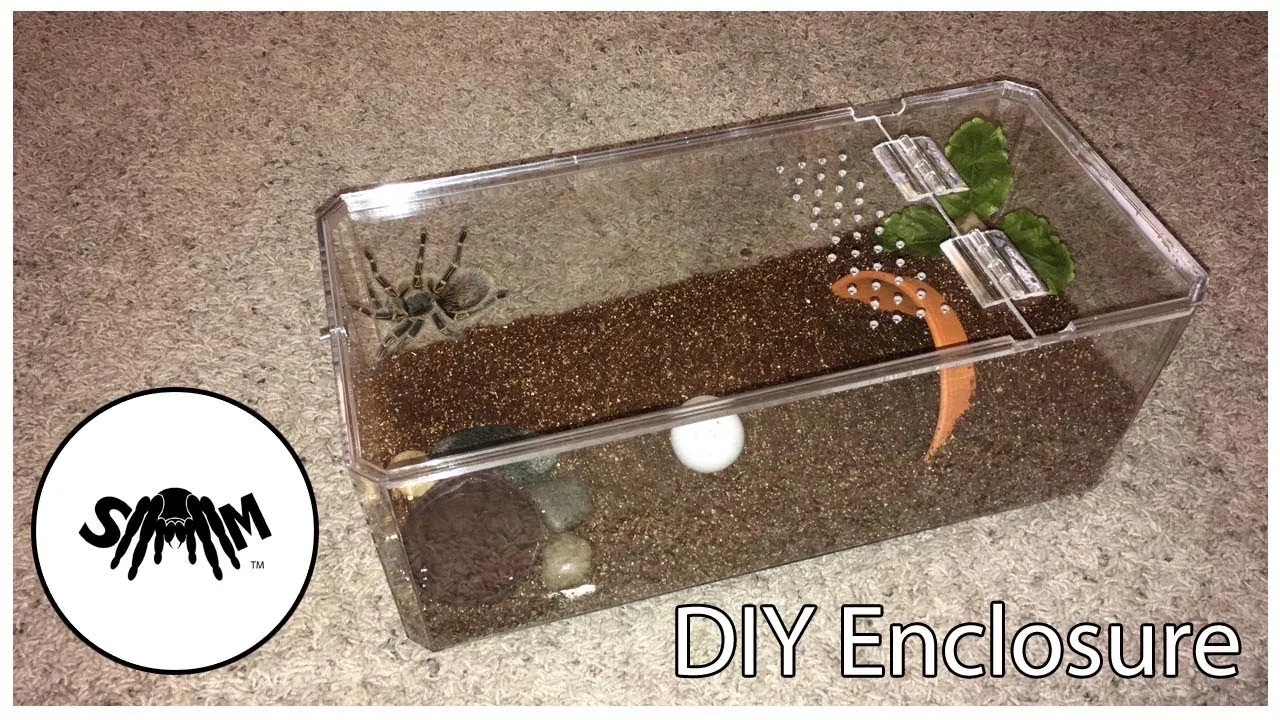
Why Cleaning Your Tarantula Enclosure is Crucial
Maintaining a clean tarantula enclosure is not just about aesthetics; it’s fundamentally critical to the health and well-being of your eight-legged friend. Regular cleaning prevents the buildup of waste, uneaten food, and other debris that can create a breeding ground for bacteria, mold, and mites. These unwelcome guests can pose serious health risks to your tarantula, potentially leading to infections, respiratory issues, and overall stress. A clean environment is essential for a happy and healthy tarantula. Moreover, a clean enclosure makes it easier to observe your tarantula and monitor its behavior, allowing you to quickly identify any potential health problems. This guide will walk you through the steps needed to ensure your tarantula’s home is a safe and thriving environment.
Benefits of a Clean Tarantula Enclosure
A clean tarantula enclosure contributes significantly to the overall health and happiness of your pet. By removing waste and uneaten food, you minimize the risk of bacterial and fungal growth, preventing potential illnesses. A clean environment also reduces the likelihood of infestations by mites or other parasites that can be harmful to tarantulas. Furthermore, regular cleaning helps to maintain optimal humidity levels, which are crucial for your tarantula’s molting process and overall well-being. Cleanliness fosters a healthier habitat, allowing your tarantula to thrive and live a long, comfortable life.
Health and Well-being of Your Tarantula

The health benefits are multifaceted. A clean enclosure directly reduces the risk of infections and respiratory issues, which can be fatal for tarantulas. By controlling the buildup of harmful substances, you create a safer environment that supports your tarantula’s natural defenses. A clean enclosure also reduces stress levels in your tarantula. Stress can weaken their immune system, making them more susceptible to disease. Moreover, a clean environment allows for better observation of your tarantula’s behavior and any potential health concerns, enabling early intervention if needed. This proactive approach significantly improves the quality of life for your pet.
Odor Control and Aesthetics
Beyond health, a clean tarantula enclosure offers benefits for you, the owner. Regular cleaning helps control odors, creating a more pleasant environment in your home. While tarantulas themselves do not emit strong odors, the breakdown of waste and uneaten food can quickly lead to unpleasant smells. A clean enclosure minimizes these odors, ensuring a more enjoyable living space. Moreover, a clean enclosure is simply more aesthetically pleasing. It allows you to better observe your tarantula and appreciate its beauty without the distraction of accumulated waste and debris. A well-maintained enclosure demonstrates your commitment to providing the best possible care for your pet.
Essential Supplies for Cleaning
Before you begin, gather all the necessary supplies to ensure a smooth and effective cleaning process. Having everything at hand will save you time and prevent any interruptions. This preparation minimizes stress for both you and your tarantula. Make sure all cleaning products are safe for use around animals and are specifically designed for terrarium cleaning to avoid any potential harm to your pet. Having the right tools and supplies will not only make the job easier but will also help to maintain a healthy and safe environment for your tarantula. Here’s a detailed list of what you’ll need.
Cleaning Tools You’ll Need

You will need several cleaning tools to effectively clean the enclosure. First and foremost, a pair of long tweezers or tongs are essential for removing waste, uneaten food, and any other debris without disturbing your tarantula. Soft, disposable paper towels are also a must for wiping down the enclosure walls and other surfaces. A small, dedicated brush can be used to scrub off any stubborn stains or debris. A small container for waste disposal is also necessary. Make sure to have a spray bottle filled with a reptile-safe cleaning solution or a diluted solution of water and a small amount of mild, unscented soap. A dedicated container for the removed substrate is also important for easy disposal.
Substrate Replacement and Disposal
Replacing the substrate is a critical part of the cleaning process. Depending on the type of substrate used, replacement frequency may vary, but it’s generally recommended to replace the substrate partially or completely every few weeks or months. When removing the old substrate, carefully scoop it out using a small shovel or your hands (wearing gloves, of course), and dispose of it properly. Always have fresh, clean substrate ready to replace the old one. The amount of substrate to replace depends on your pet’s needs. This ensures your tarantula’s living environment remains hygienic and healthy. This process removes accumulated waste, reduces odors, and prevents the buildup of harmful bacteria and fungi.
Cleaning Solutions
Choosing the right cleaning solution is vital to avoid harming your tarantula. Opt for reptile-safe cleaning solutions specifically designed for terrariums. These products are formulated to effectively clean without leaving harmful residues that could be toxic to your pet. Always follow the manufacturer’s instructions carefully when using any cleaning solution. Alternatively, a diluted solution of mild, unscented soap and water can also be used. Make sure to rinse the enclosure thoroughly with clean water after cleaning to remove any soap residue. Never use harsh chemicals, bleach, or other strong cleaners, as these can be extremely harmful to your tarantula. Proper cleaning ensures a safe and healthy environment for your pet.
Step-by-Step Cleaning Guide

Follow these steps to clean your tarantula enclosure effectively. Cleaning your tarantula’s home requires a methodical approach, focusing on safety and hygiene. Begin by gathering all your supplies and preparing the environment. Then, gently remove the tarantula from the enclosure, clean the enclosure thoroughly, and finally, replace the substrate and reassemble everything. This detailed guide ensures the process is as stress-free as possible for both you and your pet. Attention to detail and a calm demeanor will help ensure a safe and effective cleaning process, promoting the overall well-being of your tarantula.
Preparing the Enclosure
Before you start cleaning, make sure you have everything you need within easy reach. This will make the process more efficient. Place the enclosure in a well-lit area and ensure you have a safe place to temporarily house your tarantula during cleaning. This could be a separate, secure container with some of its familiar substrate. It’s also wise to wear gloves to protect yourself from any potential contact with waste or cleaning solutions. Check the enclosure for any loose items, such as decorations, that need to be removed and cleaned separately. Preparing the enclosure in this manner ensures a smooth and organized cleaning process.
Removing Your Tarantula Safely
The most important step is removing your tarantula safely before cleaning. Use a long pair of tweezers or tongs to gently coax your tarantula into a secure, escape-proof container. Avoid using your hands. Offer a hide or a safe spot for your tarantula to crawl into, making the process less stressful. Place the container in a safe location away from direct sunlight or extreme temperatures. Always handle your tarantula with care and avoid any sudden movements that could startle or injure it. Once the tarantula is safely contained, you can begin the cleaning process with peace of mind, knowing that your pet is safe and secure.
Cleaning the Enclosure

Once your tarantula is safely out of the enclosure, you can begin cleaning. Remove all decorations, water dishes, and any other items from the enclosure. Carefully wipe down the interior surfaces with a reptile-safe cleaning solution or a diluted soap solution. Pay close attention to the corners and any areas where waste may have accumulated. Use a brush to scrub off any stubborn stains or debris. Rinse the enclosure thoroughly with clean water to remove any remaining cleaning solution. Dry the enclosure completely before replacing the substrate and reintroducing the decorations. Careful cleaning ensures a hygienic environment for your tarantula to thrive.
Replacing Substrate and Reassembling
After cleaning the enclosure, it’s time to replace the substrate. Add a fresh layer of the appropriate substrate for your tarantula’s species, ensuring the depth is adequate for burrowing or other behaviors. Arrange the decorations and water dish back into the enclosure, creating a familiar environment. Ensure the enclosure is properly ventilated and that the temperature and humidity levels are appropriate for your tarantula’s needs. Once everything is in place, gently reintroduce your tarantula back into its clean, refreshed habitat. Providing a clean and well-maintained enclosure contributes significantly to the health and happiness of your pet tarantula.
Tips for Maintaining a Clean Enclosure
Consistent maintenance is key to keeping your tarantula’s enclosure clean and healthy. Implementing a regular cleaning routine can prevent the buildup of waste and reduce the need for deep cleans. Consistent maintenance not only ensures a cleaner environment for your tarantula but also simplifies the cleaning process, making it less time-consuming. By following these simple tips, you can keep your tarantula’s home in optimal condition and promote your pet’s well-being. This will also help you catch any potential problems early, such as mold or parasites, preventing them from becoming serious health issues.
Regular Spot Cleaning

Spot cleaning should be a part of your daily or every-other-day routine. Remove any visible waste, uneaten food, and discarded molts promptly using tweezers or tongs. This prevents the accumulation of these materials, which can attract mites and bacteria, and keeps the enclosure clean. Spot cleaning minimizes the need for more intensive cleaning procedures. Regular spot cleaning also helps maintain a balanced environment, reducing the risk of odor and keeping the substrate in good condition for longer. Regular attention to these details contributes significantly to your tarantula’s health and comfort.
Complete Cleanings Frequency
The frequency of complete cleanings depends on several factors, including the size of the enclosure, the species of your tarantula, and its feeding habits. Generally, a complete cleaning, involving substrate replacement, is recommended every few months. For example, a smaller enclosure may require more frequent cleaning compared to a larger one. Monitor your tarantula’s enclosure for signs of waste buildup, persistent odors, or the presence of mold. Adjust your cleaning schedule based on these observations. Regular monitoring and a proactive approach will ensure a clean and healthy habitat for your pet.
Humidity and Ventilation Maintenance
Maintaining the correct humidity and ventilation levels is crucial for your tarantula’s health. Ensure the enclosure has adequate ventilation to prevent the buildup of excess moisture, which can lead to mold growth. Regularly monitor the humidity levels using a hygrometer and adjust them as needed. The appropriate humidity range varies depending on your tarantula species. Misting the enclosure with water is a way to increase humidity if it is too low. Proper humidity and ventilation not only prevent health problems but also create an environment that supports the natural behaviors of your tarantula, such as molting. Proper care contributes to the overall well-being and longevity of your tarantula.
Troubleshooting Common Cleaning Issues

Sometimes, you may encounter specific challenges while cleaning your tarantula’s enclosure. These common issues, such as mold, persistent odors, and stubborn debris, can be addressed effectively with the right approach. Knowing how to handle these problems ensures your tarantula remains in a healthy habitat. A proactive response to these issues not only safeguards your pet’s health but also preserves the cleanliness and safety of the enclosure, contributing to the overall well-being of your tarantula.
Dealing with Mold and Mildew
Mold and mildew can be a significant concern in a tarantula enclosure. These fungi thrive in humid environments, and can pose health risks. If you notice mold or mildew, immediately remove the affected substrate and clean the area thoroughly with a reptile-safe cleaning solution. Increase ventilation and adjust humidity levels to prevent further growth. Consider replacing the substrate more frequently. Addressing mold quickly is crucial for preventing it from spreading and affecting your tarantula’s health. Regular monitoring and preventative measures, such as proper ventilation and humidity control, can effectively prevent mold growth.
Addressing Persistent Odors
Persistent odors often indicate a buildup of waste or a problem with the substrate. If you notice unpleasant smells, begin by spot cleaning and removing any visible waste. If the odor persists, it might be necessary to replace the substrate, or deep clean the enclosure. Ensure proper ventilation to help eliminate odors. Check for any decomposing food items or other debris that might be contributing to the smell. Using a reptile-safe deodorizer can also help to neutralize odors. Addressing odors promptly ensures a more pleasant environment for both you and your tarantula, and can also help identify underlying issues in the enclosure.
Handling Stubborn Debris
Sometimes, you might encounter stubborn debris, such as dried-up food or hardened waste, that is difficult to remove. Use a small brush or a damp paper towel to gently scrub these areas. Avoid using excessive force, which could damage the enclosure or disturb your tarantula. If the debris is particularly difficult to remove, let the cleaning solution sit on the area for a few minutes before scrubbing. Make sure to rinse the area thoroughly after cleaning. Handling stubborn debris efficiently maintains the enclosure’s cleanliness, ensuring a safe and healthy environment for your tarantula.
Final Thoughts
Cleaning your tarantula enclosure is an essential aspect of responsible pet ownership. It’s a fundamental practice that directly impacts the health, well-being, and longevity of your tarantula. By following these steps and tips, you can ensure a clean, safe, and stimulating environment for your pet. Always prioritize your tarantula’s health and safety. A well-maintained enclosure not only contributes to your tarantula’s physical health but also allows you to fully enjoy the fascinating world of these amazing creatures. Consistent care and attention to detail will make your tarantula’s habitat a source of pride and enjoyment for years to come.