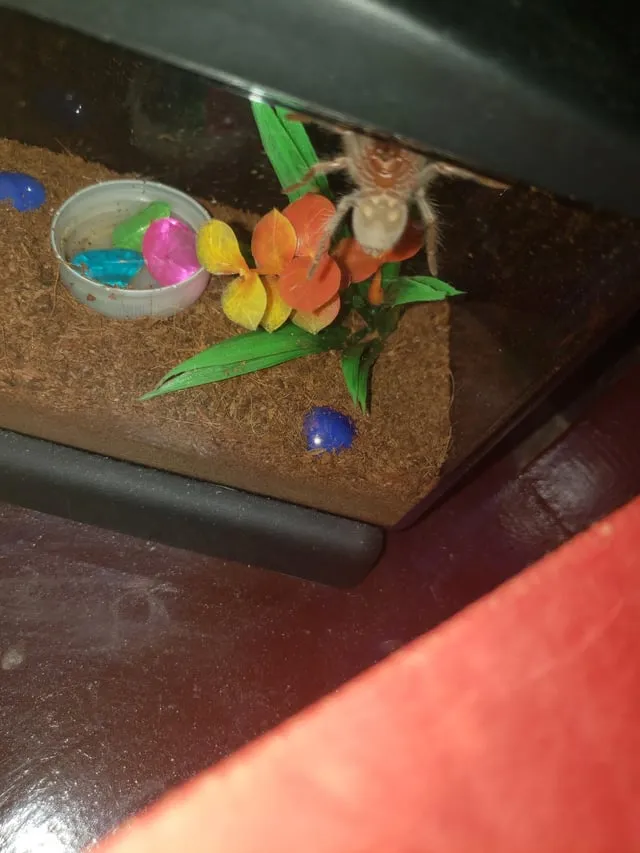
Understanding Tarantula Gender
Determining the gender of your tarantula is a fundamental aspect of responsible tarantula keeping. Knowing whether your tarantula is male or female is crucial for several reasons, including understanding its potential lifespan, behavior, and suitability for breeding. This guide provides you with the top 5 facts and techniques to accurately determine your tarantula’s gender, ensuring you can properly care for your eight-legged friend. Accurate gender identification is more than just curiosity; it’s essential for their well-being. A misidentification can lead to incorrect husbandry practices, affecting their health and longevity. So, let’s delve into the fascinating world of tarantula sexing and the top 5 facts you should know.
Why Identifying Gender Matters
The gender of a tarantula significantly impacts its care requirements, behavior, and overall lifespan. Male and female tarantulas exhibit different characteristics that influence their needs. This information is essential for creating the optimal living conditions and providing the best care for your tarantula. For instance, a female tarantula often has a much longer lifespan than a male, necessitating different environmental and nutritional considerations. Furthermore, the gender plays a crucial role in mating and breeding behaviors. Knowing the gender allows you to prepare for potential breeding activities, understand the risks involved, and ensure the safety of both the tarantula and any potential offspring. Without proper knowledge, you risk mismanaging the needs of your tarantula, leading to health issues or, in some cases, premature death.
Mating and Breeding

Gender identification is critical if you’re interested in breeding tarantulas. The process involves pairing a mature male with a receptive female, and success hinges on accurate identification of both. Breeders must understand the courtship rituals, the potential dangers (males can be eaten by females!), and the post-mating care required for both tarantulas. This includes the provision of appropriate environments to encourage mating, such as temperature and humidity control. After mating, the female may lay an egg sac containing hundreds of spiderlings, which require specialized care and management to ensure survival. Careful planning and knowledge of gender-specific behaviors are essential for a successful and ethical breeding program, ensuring the well-being of the tarantulas involved and the potential spiderlings.
Lifespan Differences
One of the most significant differences between male and female tarantulas is their lifespan. Female tarantulas typically live much longer, often exceeding 20 years in captivity, while males have significantly shorter lifespans, usually around 5-10 years. This disparity is mainly due to the energy expenditure involved in the mating process and the subsequent decline in physical condition. The long lifespan of females means that they will require consistent, long-term care, and their enclosures and environments need to be set up to meet their needs for many years. Knowing the gender allows you to better prepare for the long-term commitment involved in tarantula ownership, ensuring that you can provide the necessary care throughout their life cycle.
Top 5 Facts How to Determine Tarantula Gender
Fact 1: Examine the Molt

Examining the molt, or shed exoskeleton, is the most reliable and commonly used method for determining a tarantula’s gender. When a tarantula molts, it sheds its entire exoskeleton, including any reproductive organs. By carefully examining the inside of the molt, you can look for specific indicators. This process is non-invasive and provides a clear visual guide to sexing. The molt provides a wealth of information that is impossible to get any other way. The key to this method is to have a good quality, well-preserved molt. With practice, it becomes a very accurate method of gender identification.
Fact 2: Look for Spermathecae (Females)
In female tarantulas, the molt will reveal the presence of spermathecae. These are the structures used to store sperm after mating. The spermathecae appear as small, sac-like structures located in the epigastric furrow, a groove on the underside of the abdomen. The appearance of these structures is a definitive indicator of a female tarantula. Careful observation using a magnifying glass or microscope can help you identify these small details. The presence of these structures provides a clear and definitive way to identify a tarantula as female.
Fact 3: Check for Bulbous Pedipalps (Males)
Male tarantulas have modified pedipalps, the small leg-like appendages near their mouth, which develop into bulbous structures. These bulbs are used to store sperm and transfer it to the female during mating. If you can clearly see these bulbous pedipalps, it is a clear indication that the tarantula is male. This can be observed on the living tarantula as well as on the molt. The presence of these bulbs is an unmistakable sign of a mature male. The ability to recognize the bulbous pedipalps is essential for quick and accurate gender identification.
Fact 4: Assess the Epigastric Furrow

The epigastric furrow, located on the underside of the abdomen, can provide clues regarding the tarantula’s gender, though it’s most helpful in conjunction with other methods. In females, the epigastric furrow is where the spermathecae are located, and the shape and structure can sometimes hint at the presence of these organs, even without a full molt examination. In males, the epigastric furrow is typically less pronounced and lacks the specific structures found in females. However, this method is often not as reliable as examining the molt, as it can be difficult to assess accurately without a lot of experience. Understanding the differences in the epigastric furrow between males and females enhances your ability to determine a tarantula’s gender.
Fact 5: Consider the Overall Body Shape
While not always a foolproof method, the overall body shape can sometimes offer clues. Female tarantulas tend to have a more robust, rounder abdomen, especially as they mature and prepare to lay eggs. Male tarantulas are often slightly smaller and have a more elongated body shape. However, body shape can vary considerably depending on species, age, and feeding habits, so this is not a reliable standalone method. Combining this observation with the molt examination or pedipalp inspection provides a more comprehensive gender identification process. It is important to consider these other methods to confirm the tarantula’s gender.
Common Mistakes and How to Avoid Them
Misinterpreting Molts

One of the most common mistakes is misinterpreting the structures seen on the molt. Beginners may mistake certain features for spermathecae or bulbous pedipalps. Carefully examining the molt under good lighting and using magnification can help avoid these errors. Referring to detailed guides and images of male and female molts is also helpful. It is important to understand what you are looking for, and to be patient. Incorrectly sexing a tarantula based on a misinterpretation of the molt can have serious consequences, especially if breeding is planned.
Difficulty with Juveniles
Sexing juvenile tarantulas is considerably more difficult due to their undeveloped sexual characteristics. The spermathecae and pedipalps are not fully formed, making it challenging to determine gender accurately. It is best to wait until the tarantula has molted a few times and reached a more mature stage before attempting gender identification. Attempting to sex a juvenile can often lead to false conclusions. Waiting until the tarantula is a sub-adult or adult will ensure greater accuracy.
Importance of Proper Identification
Benefits of Knowing the Gender

Accurate gender identification has several benefits, including the ability to provide appropriate care tailored to the specific needs of your tarantula. Knowing the gender allows you to prepare for the tarantula’s lifespan and behavior, such as the possibility of breeding and the duration of care required. It also helps to avoid any unnecessary stress, such as placing a male and female tarantula together without proper preparation. Understanding their gender gives you insights into their possible habits, whether they are males, with the urge to roam, or females, which often settle in their enclosures. Being aware of the gender also helps in managing the environment to make the best decisions regarding your tarantula’s well-being.
Conservation and Ethical Considerations
Proper tarantula gender identification has ethical implications, especially in breeding programs and conservation efforts. Accurately identifying gender is crucial for responsible breeding practices, ensuring the health and well-being of the animals involved. In conservation efforts, correct identification aids in managing captive populations and maintaining genetic diversity. The ability to identify the gender is more than an ownership requirement; it is a measure of responsibility. Ethical tarantula keeping starts with a fundamental understanding of your pets, and gender identification is a cornerstone of that understanding.
In conclusion, determining a tarantula’s gender is essential for providing proper care, understanding its behavior, and making informed decisions regarding its future. Utilizing the methods outlined in this guide, such as examining the molt, looking for specific features on the molt and in living tarantulas, and observing the overall body shape, will enable you to accurately identify the gender of your tarantula. Proper gender identification is a fundamental aspect of responsible tarantula keeping, ensuring the health and well-being of these fascinating creatures. With these top 5 facts, you are now well-equipped to confidently identify your tarantula’s gender. Enjoy your journey into the world of these amazing animals.