
Why Eat Tarantula?
The practice of eating tarantulas, while uncommon in many parts of the world, is a tradition with deep roots in certain cultures. Primarily, it’s a matter of survival and resourcefulness. In regions where tarantulas are plentiful and other food sources are scarce, these large spiders provide a readily available source of protein and nutrients. Beyond basic sustenance, eating tarantulas can also be seen as a cultural practice, a way to connect with traditions and heritage. Some cultures believe tarantulas possess medicinal properties or offer unique culinary experiences. Ultimately, the motivation to eat tarantula is a complex interplay of necessity, cultural significance, and, for some, a sense of culinary adventure. The appeal may stem from a desire to try something new, embrace different cultures, or simply overcome personal boundaries. Whatever the reason, the consumption of tarantulas offers a unique glimpse into the diverse ways humans interact with their environment and the food available to them.
Cultural Significance
Eating tarantulas is more than just a dietary choice; it’s a cultural marker in several societies. In Cambodia, for example, fried tarantulas, known locally as ‘a-ping’, are a popular street food and a source of pride. This practice originated during the Khmer Rouge regime when food was scarce, and people turned to tarantulas for survival. Over time, it evolved into a culinary tradition, with vendors perfecting the art of frying tarantulas to achieve the ideal texture and flavor. Similarly, in some indigenous communities in South America, tarantulas have been part of the diet for generations. These communities often have specific rituals and preparation methods passed down through families. The consumption of tarantulas can be tied to festivals, ceremonies, or simply be a part of daily life. The cultural significance often involves respect for the animal, understanding its role in the ecosystem, and incorporating it into traditional practices. The preparation methods, seasoning choices, and the way tarantulas are presented and consumed can vary greatly, reflecting the unique cultural identity of each community.
Tarantula in Cuisine

Tarantulas are used in various culinary preparations, and the techniques used often depend on the local culture and resources available. In Cambodia, the most common method is deep-frying the tarantulas in oil with garlic and salt, resulting in a crispy exterior and a soft interior. The spiders are typically served whole, with the legs, body, and fangs intact, and are often eaten as a snack or part of a meal. In some South American communities, tarantulas may be roasted over an open fire, grilled, or boiled. Before cooking, the spiders are often cleaned and prepared to remove any potential toxins or unwanted parts. Seasoning and spices play a crucial role in enhancing the flavor, with ingredients such as chili peppers, herbs, and local spices being used to add depth and complexity. The use of tarantulas in cuisine isn’t limited to street food or home cooking. They’re also appearing in some adventurous restaurants, where chefs experiment with different cooking methods and presentations to cater to curious diners looking for unique culinary experiences. This includes incorporating tarantulas into dishes like tacos, stir-fries, or even gourmet appetizers.
Origin of Tarantula Consumption
The consumption of tarantulas has its roots in times of necessity and cultural practices. The most well-documented origins are linked to regions where food scarcity has historically been a challenge. During periods of famine or economic hardship, people turned to alternative food sources to survive, and tarantulas, being relatively abundant, became a logical choice. However, the practice of eating tarantulas didn’t always stem from desperation. In some cultures, it was a way to utilize available resources, a skill developed over generations. Indigenous communities often learned to live in harmony with their environment and were familiar with the nutritional value of various plants and animals, including tarantulas. Over time, eating tarantulas evolved from survival to a cultural practice, especially in regions like Cambodia, where the tradition continues today. The consumption habits were passed down through families, with specific preparation methods and cultural norms becoming part of the local identity. These traditions are a testament to human resilience, adaptability, and the deep connections people have with their environment.
Where is Tarantula Eaten?
Tarantulas are eaten in specific regions of the world, primarily where they are abundant and integrated into local cuisines. Cambodia is perhaps the most well-known example, with fried tarantulas being a common street food. This tradition is particularly strong in the town of Skuon, where vendors line the streets offering crispy, seasoned spiders to both locals and tourists. In parts of South America, particularly in the Amazon rainforest, tarantulas are consumed by indigenous communities. These communities often have generations of experience in preparing and consuming tarantulas, incorporating them into traditional dishes and ceremonies. In some areas of Venezuela and other South American countries, tarantulas are cooked over open fires, roasted, or used in stews. While less common, tarantulas have also been consumed in some areas of Southeast Asia and Africa, but these instances are often tied to local traditions or survival practices. The geographical distribution of tarantula consumption is largely determined by the availability of tarantulas and the cultural acceptance of insects as food.
Tarantula Flavor Profile

Describing the taste of tarantula is a bit subjective, as it can vary depending on the preparation method, the species of tarantula, and individual taste preferences. Generally, the flavor is described as a combination of textures and tastes. The body of the tarantula often has a slightly nutty or earthy flavor, with some people comparing it to the taste of shrimp or crab. The legs are typically the crunchiest part, offering a crispy texture and a milder flavor. The abdomen, on the other hand, can have a softer, more pasty consistency and may contain a mixture of the tarantula’s internal organs, which can contribute to a more intense or unusual taste. The flavor can also be influenced by the cooking methods and seasonings used. For example, frying tarantulas in garlic and salt can impart a savory, aromatic flavor. The taste can also be influenced by the tarantula’s diet and the environment it lives in. Some people report a slightly metallic taste, which could be due to the tarantula’s diet or the minerals in its environment. Ultimately, the experience of eating tarantula is complex, with a mix of flavors and textures that make it a unique culinary adventure.
Texture and Taste
The texture and taste of tarantula are key components of the eating experience. The texture is multifaceted, ranging from crunchy to soft, depending on the part of the spider. The legs and exoskeleton often offer a satisfying crunch, similar to that of fried insects or crispy seafood. The body of the tarantula, especially the abdomen, presents a softer, more yielding texture. Some people describe it as having a slightly pasty consistency. The taste is equally diverse. The legs tend to have a milder flavor, often compared to the taste of shrimp or crab, providing a subtle sweetness and savory notes. The body can have a nutty or earthy flavor, with hints of umami. The abdomen, due to the presence of internal organs, can sometimes offer a more intense or unusual taste, with some describing it as slightly bitter or metallic. The overall flavor profile is greatly influenced by the cooking methods and seasonings used, which can enhance the natural flavors of the tarantula and create a more appealing culinary experience. The combination of textures and tastes makes the tarantula a unique and interesting food.
Cooking Methods
The cooking methods used for tarantulas vary across different cultures and regions, but they all aim to create a safe and palatable dish. One of the most common methods is deep-frying. In Cambodia, tarantulas are often deep-fried in oil with garlic, salt, and sometimes chili peppers, resulting in a crispy exterior and a flavorful finish. The spiders are cooked whole, allowing the legs and body to become crunchy while the interior remains relatively soft. Roasting is another popular method, particularly in South America. Tarantulas can be roasted over an open fire or grilled, which helps to bring out the natural flavors and create a smoky taste. Boiling is also used, often as a way to soften the tarantula and prepare it for other dishes like stews or soups. Before cooking, the tarantulas are usually cleaned to remove any dirt, debris, or unwanted parts. This might involve removing the fangs, cleaning the abdomen, and ensuring the spider is prepared properly. The chosen cooking method can significantly impact the final flavor and texture, with each method highlighting different aspects of the tarantula’s characteristics.
Preparation

Preparing tarantulas for consumption is a crucial step that involves several important considerations. Firstly, sourcing tarantulas from a reputable source is essential to ensure they are safe to eat. This involves making sure the spiders are harvested or raised in a clean environment and free from any harmful chemicals or contaminants. Before cooking, tarantulas should be cleaned. This typically involves removing the fangs to avoid any potential bites and also removing the hairs, which can be irritating. In some cultures, the abdomen is opened and any internal organs or waste are removed. The method of preparation can also vary based on the cooking method. For example, if the tarantula is going to be roasted or grilled, it might be seasoned with herbs, spices, or marinades to enhance the flavor. If deep-frying, the tarantula is usually coated in a batter or seasoned with salt and garlic. The goal of preparation is to make the tarantula safe, palatable, and enjoyable to eat. Proper preparation ensures that the final product is not only delicious but also safe for consumption.
Roasting or Frying
Roasting and frying are two of the most common cooking methods used for tarantulas, each offering a unique culinary experience. Roasting, often done over an open fire or grill, imparts a smoky flavor and a slightly charred exterior. This method helps to concentrate the flavors and create a crispy texture on the outer parts of the spider. The internal parts remain relatively soft. Roasting also allows for the use of marinades, rubs, or herbs and spices to enhance the flavor profile, adding complexity and depth to the dish. Frying, on the other hand, creates a crispy and golden-brown texture. Tarantulas are typically deep-fried in oil, often with garlic, salt, and sometimes other seasonings. This process results in a crunchy exterior and a tender interior. The high heat of frying seals in the flavors and creates a satisfying textural contrast. Frying is particularly popular in Cambodia, where it’s a common street food. Both roasting and frying are effective ways to prepare tarantulas, with each method showcasing a different aspect of the spider’s flavor and texture. The choice between roasting and frying often depends on cultural preferences, available equipment, and desired flavor profile.
Seasoning and Spices
Seasoning and spices play a crucial role in enhancing the flavor of tarantulas, transforming them into a delicious culinary experience. The choice of seasonings can vary widely depending on the region and cultural preferences. In Cambodia, garlic, salt, and pepper are common seasonings, adding a savory and aromatic touch to the deep-fried tarantulas. Chili peppers can also be added to provide a spicy kick. In South America, herbs like cilantro, parsley, and oregano are often used to complement the earthy flavor of the spider. Spices like cumin, paprika, and turmeric can also be added to provide depth and complexity. Marinades are also employed to add flavor and tenderize the tarantula before cooking. These marinades can incorporate ingredients like soy sauce, vinegar, citrus juices, and various spices, which infuse the spider with additional flavor. The use of seasoning and spices not only enhances the taste of tarantulas but also helps to create a balanced and appealing dish. The careful selection and application of these ingredients can transform a simple ingredient into a culinary delight.
Nutritional Value

Tarantulas can be a source of essential nutrients, making them a potentially valuable addition to a balanced diet. They are rich in protein, which is crucial for building and repairing tissues, producing enzymes and hormones, and supporting overall bodily function. The protein content of tarantulas can be relatively high compared to other insects and even some meats. They also contain various minerals, including iron, zinc, and magnesium, which are essential for maintaining good health. Iron helps to carry oxygen in the blood, zinc supports the immune system, and magnesium is involved in energy production and muscle function. Tarantulas also contain some fats, which provide energy and help the body absorb vitamins. The exact nutritional composition can vary depending on the species of tarantula, its diet, and the cooking method used. However, in general, tarantulas can provide a significant amount of protein, along with essential minerals, making them a potentially nutritious food source. Including tarantulas in the diet can contribute to increased protein intake, support various bodily functions, and help meet the body’s nutritional needs.
Health Benefits
Consuming tarantulas offers several potential health benefits, primarily due to their nutritional profile. The high protein content supports muscle growth and repair, which is important for overall physical health. The presence of essential minerals like iron, zinc, and magnesium can contribute to various aspects of well-being. Iron helps to prevent anemia, zinc boosts the immune system, and magnesium supports bone health and energy production. Tarantulas can also be a source of healthy fats, which provide energy and support the absorption of fat-soluble vitamins. In some cultures, insects, including tarantulas, have been associated with traditional medicine and are believed to possess medicinal properties. It is worth noting that the specific health benefits can vary depending on the species of tarantula, its diet, and the cooking methods used. However, in general, the nutritional composition of tarantulas can contribute to improved health and well-being. Adding them to the diet can provide a source of high-quality protein, essential minerals, and healthy fats, contributing to a balanced and nutritious diet.
Potential Risks
While tarantulas can be a nutritious food source, there are potential risks to consider before consuming them. One of the primary concerns is the possibility of allergic reactions. People who are allergic to shellfish or other crustaceans may also be allergic to tarantulas, as they share similar proteins. Symptoms of an allergic reaction can range from mild (itching, hives) to severe (difficulty breathing, anaphylaxis). It is essential to be aware of any existing allergies before trying tarantulas. Another potential risk is the presence of toxins. Some tarantulas can possess venom, although the venom is usually deactivated during the cooking process. Ingesting improperly prepared tarantulas could lead to adverse effects. The risk of contamination is another consideration. Tarantulas can carry bacteria or parasites, so it’s important to ensure the spiders are sourced from a reputable supplier and properly prepared. Finally, overconsumption of tarantulas could lead to digestive issues, as the exoskeleton of the spider can be difficult to digest. Overall, it’s crucial to be informed about these potential risks and take necessary precautions to ensure safe consumption.
Allergic Reactions

Allergic reactions are a significant concern when consuming tarantulas, particularly for those with existing allergies. People with shellfish allergies, for example, may also experience allergic reactions to tarantulas, as they share similar proteins. The symptoms of an allergic reaction can vary in severity. Mild reactions may include itching, hives, skin rashes, or swelling. More severe reactions can manifest as difficulty breathing, swelling of the throat or tongue, and anaphylaxis, a life-threatening condition. It is crucial to be aware of any existing allergies before trying tarantulas. If you have a history of allergies to shellfish or insects, it is advisable to exercise caution and consult with a doctor before consuming tarantulas. If you experience any symptoms of an allergic reaction after eating tarantulas, seek immediate medical attention. This is essential to ensure that any adverse effects are promptly treated.
How to Eat Tarantula Safely
To eat tarantula safely, several key steps must be followed. Firstly, it’s important to source tarantulas from a reputable supplier. This ensures that the spiders are harvested or raised in a clean environment and are free from contamination. The tarantulas should also be properly prepared. This usually involves removing the fangs and any irritating hairs. Proper cleaning is essential to remove any potential toxins. Cooking the tarantulas thoroughly is a critical step, as this will kill any bacteria or parasites and help to deactivate any remaining venom. Choosing appropriate cooking methods is also important. Deep-frying is a common method, but ensuring the tarantula is cooked throughout is key. If you’re trying tarantula for the first time, starting with a small portion is a good idea to assess any potential allergic reactions or digestive issues. Be aware of your own health. If you have any existing allergies, it is important to be careful. Seeking advice from an expert or consulting with a healthcare professional can provide additional guidance on safe consumption. Finally, paying attention to your body’s response and being mindful of any adverse effects can help ensure a safe and enjoyable culinary experience.
Sourcing Tarantulas
Sourcing tarantulas responsibly is a fundamental step in ensuring the safety and ethical considerations of eating tarantulas. It is crucial to obtain tarantulas from reputable sources. Look for suppliers who practice sustainable harvesting methods, if the tarantulas are wild-caught, or who have humane farming practices if they are raised in captivity. Avoid sourcing tarantulas from unknown or unregulated sources, as they may not adhere to proper hygiene standards or may be contaminated. Verify the origin of the tarantulas, if possible, to ensure they come from a location where they are traditionally consumed and handled safely. Ask about the handling and preparation methods used by the supplier. Confirm that they have implemented proper cleaning procedures to remove any dirt, debris, or potentially irritating hairs. Inquire about any safety measures they take to avoid cross-contamination and ensure the overall quality of the product. By sourcing tarantulas responsibly, you minimize the risks associated with potential contaminants. Responsible sourcing supports sustainable practices, respects the local culture, and allows you to enjoy tarantulas safely and ethically.
Proper Handling
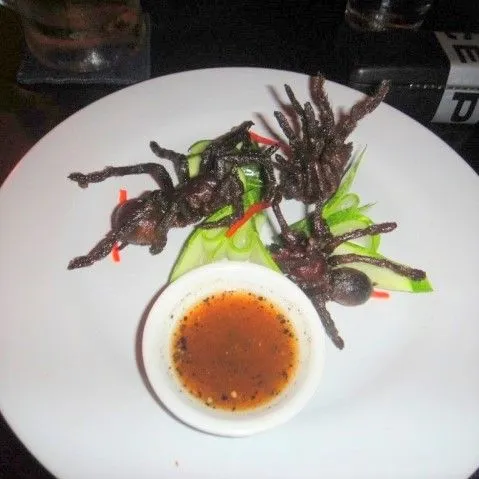
Proper handling is essential for preparing and consuming tarantulas safely. This begins with the initial preparation of the tarantula. Before cooking, the tarantula should be cleaned thoroughly to remove any dirt or debris. This may involve wiping down the exterior of the spider to eliminate any potential contaminants. Removing the fangs is a crucial step, ensuring that the tarantula cannot bite. When preparing to cook the tarantula, make sure to handle the spider in a way that minimizes the spread of any potential contaminants. Wash your hands thoroughly with soap and water before and after handling the tarantula, and also clean any surfaces and utensils that have come into contact with the spider. When cooking, it’s crucial to ensure the tarantula is cooked to a safe internal temperature. Follow established cooking guidelines and ensure the tarantula is fully cooked to avoid the risk of foodborne illnesses. Be mindful of the potential allergic reactions and be prepared to act appropriately. Taking these safety measures can ensure you handle and prepare tarantulas safely.
The Verdict Should You Try Tarantula?
Deciding whether or not to try tarantula is a personal choice, one that should be based on a variety of factors. The taste and texture are unique, offering a combination of crunchy and soft textures with flavors that range from nutty to earthy. For adventurous eaters looking for a new culinary experience, trying tarantula can be a thrilling experience. However, it’s important to consider any potential risks, such as allergic reactions, and take necessary precautions to ensure safe consumption. If you’re curious about trying tarantula, it’s crucial to be informed about the preparation methods, sourcing, and potential health benefits. Sourcing from a reputable supplier, proper preparation, and cooking can all contribute to a safe and enjoyable experience. Ultimately, the decision comes down to your comfort level, curiosity, and willingness to embrace a different culinary culture. Do your research, assess your own health conditions, and make an informed decision that aligns with your personal values and preferences. Trying tarantula can be a memorable experience, offering a glimpse into different cultures and an appreciation for the diversity of human cuisine.
Pros and Cons of Eating Tarantula
Eating tarantulas presents both advantages and disadvantages, which should be considered before trying this unique food. On the positive side, tarantulas are a good source of protein and minerals. They can be a nutritious addition to a balanced diet, particularly in regions where they are readily available. The opportunity to experience a new culinary tradition and expand one’s palate is a significant advantage for adventurous eaters. Eating tarantulas is a way to connect with different cultures and appreciate the diversity of human cuisine. However, there are also downsides to consider. One of the primary concerns is the potential for allergic reactions, especially for those with shellfish allergies. Some tarantulas may contain toxins or allergens, so sourcing from a reliable supplier is crucial. The texture can also be a barrier for some individuals, with a range of textures that may not appeal to everyone. Considering both the advantages and the disadvantages, you can decide if eating tarantulas aligns with your personal preferences, health considerations, and culinary curiosity.
Final Thoughts

Eating tarantulas is a complex subject, with a rich history of cultural traditions, nutritional benefits, and potential risks. It is important to approach the consumption of tarantulas with both curiosity and caution. The decision of whether or not to try tarantulas should be made based on individual preferences, health considerations, and a respect for cultural practices. If you are considering trying tarantulas, do your research, source them responsibly, and practice proper preparation and handling. The world of tarantula cuisine offers a unique culinary adventure, and a taste of culture. Exploring this food opens your mind to the diversity of human cuisine and allows you to appreciate the adaptability of humans to their environments. Whether you decide to try them or not, the journey of understanding tarantulas offers insights into different cultures, nutritional approaches, and the fascinating intersection of food and tradition. Ultimately, a balanced approach, informed choices, and a sense of adventure are key to a rewarding experience.