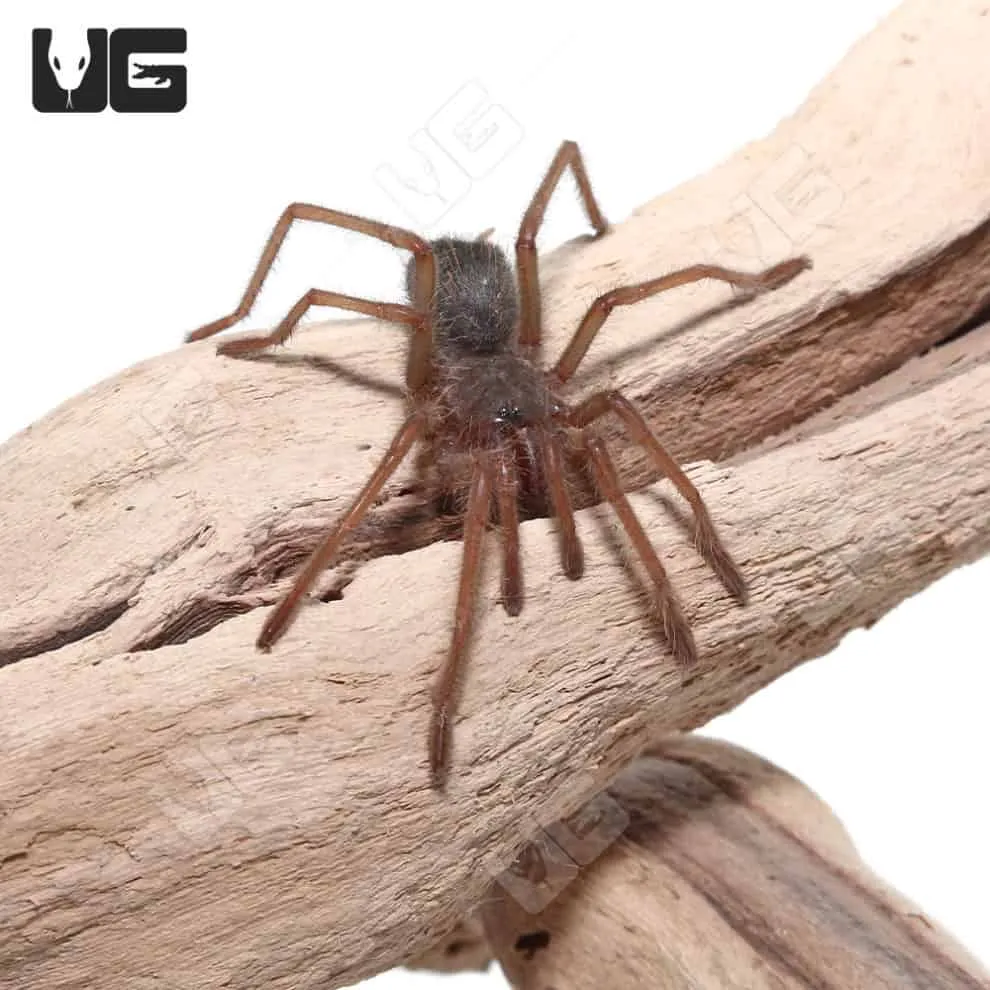
The Blue Bird Eater Tarantula, or Pamphobeteus antinous, is a captivating creature, admired for its impressive size and striking appearance. However, providing proper care is crucial for its well-being, and a key aspect of this care is feeding. This guide provides everything you need to know about feeding your Blue Bird Eater Tarantula, from selecting the right prey to establishing a suitable feeding schedule and ensuring your tarantula stays hydrated.
Selecting the Right Prey for Your Blue Bird Eater Tarantula
Choosing the right prey is paramount to the health of your Blue Bird Eater Tarantula. A balanced diet is essential to ensure your tarantula receives the necessary nutrients for growth, molting, and overall vitality. The prey you select should be readily available, safe, and provide the essential proteins and other nutrients your tarantula needs. Consider the size, nutritional content, and ease of procurement when deciding what to feed your pet. Variety, while not always necessary, can be beneficial in providing a broader spectrum of nutrients.
Choosing Appropriate Prey Size
The size of the prey is a critical factor. As a general rule, the prey should be no larger than the tarantula’s carapace (the top shell of its body) or the length of the abdomen. Feeding prey that is too large can pose a risk to your tarantula, as it may struggle to subdue and consume it, potentially leading to injury or stress. Always start with smaller prey items and gradually increase the size as your tarantula grows. Over time, you will get a feel for what size is best for your pet. Observing your tarantula during feeding is a great way to check this.
Considering the Nutritional Value

The nutritional value of the prey directly impacts the health and development of your Blue Bird Eater Tarantula. Crickets, mealworms, and roaches are common choices, but their nutritional profiles differ. Crickets provide a good source of protein, but their exoskeletons can be tough. Mealworms are easy to acquire and digest, but they have a higher fat content. Roaches, like Dubia roaches, are an excellent source of protein and are easier to handle and digest. It is important to vary the diet to ensure a balanced intake of nutrients. Gut-loading the insects before feeding is highly recommended, as it increases their nutritional value.
Preparing the Prey
Preparing the prey involves more than just offering it to your tarantula. For crickets and roaches, ensuring they are healthy and well-fed is essential. This practice is known as gut-loading, meaning you feed the prey nutritious food before offering it to your tarantula. This enhances the nutritional value passed on to your tarantula. It’s also wise to remove any uneaten parts of the prey from the enclosure to maintain a clean and healthy environment for your tarantula. If using pre-killed prey, make sure it is fresh and hasn’t been stored improperly.
Feeding Frequency and Quantity for Blue Bird Eater Tarantula
Establishing a proper feeding schedule is crucial for your Blue Bird Eater Tarantula’s health. The frequency and amount of food depend on the tarantula’s age, size, and overall health. It is essential to find a balance that promotes healthy growth without overfeeding, as this can lead to health complications. Observation and adjustments will be needed as your tarantula grows and its needs change.
Determining the Right Feeding Schedule

Juvenile tarantulas generally require more frequent feedings than adults. Young tarantulas may be fed 2-3 times a week, whereas adult tarantulas can often be fed once every 1-2 weeks. Observe your tarantula’s behavior and adjust the feeding schedule accordingly. Tarantulas approaching a molt may stop eating altogether, which is normal. After molting, they will have a renewed appetite and require more food to recover.
Understanding Your Tarantula’s Appetite
A tarantula’s appetite can vary. Some tarantulas are voracious eaters, while others may be more selective. Environmental factors like temperature, humidity, and the tarantula’s stage of molting can influence its appetite. A tarantula may refuse food before molting and then eat voraciously after the molt. Paying close attention to these signs can help you to provide the right amount of food at the right time. If your tarantula refuses food for an extended period, it’s important to ensure the environment is suitable and that it isn’t approaching a molt.
Observing for Overfeeding
Overfeeding can lead to health problems, such as obesity and a shortened lifespan. It’s important to recognize signs of overfeeding, such as a swollen abdomen, lethargy, and a general lack of activity. If you suspect you’re overfeeding, reduce the frequency or amount of food offered. The abdomen should not be excessively large, and the tarantula should maintain a healthy activity level. Adjusting the feeding regime helps the tarantula maintain a healthy weight and lifestyle, ensuring it lives a long, healthy life.
Feeding Techniques and Best Practices

The way you feed your Blue Bird Eater Tarantula matters. Practicing safe and effective feeding techniques is essential to prevent injury to your tarantula and to create a stress-free environment. Using the right tools and methods ensures you provide the necessary nutrition in a way that supports the well-being of your pet. Take precautions and create a safe experience for both you and the tarantula.
Offering Prey Safely
Use long tongs or tweezers to offer the prey, maintaining a safe distance from your tarantula’s fangs. This prevents the tarantula from accidentally biting you and allows you to place the prey near the tarantula without startling it. Avoid dropping the prey directly onto the tarantula, as this can startle it and cause it to hide or become aggressive. Observe the tarantula’s behavior during feeding to ensure it’s comfortable and actively hunting the prey.
Removing Uneaten Prey
Remove any uneaten prey within 24 hours of feeding. Leaving live prey in the enclosure for extended periods can stress your tarantula and pose a risk of injury during molting, as the prey may attack the vulnerable tarantula. Uneaten prey can also cause the enclosure to become unsanitary, leading to the growth of mold and bacteria. Regularly monitor the enclosure to identify and remove any uneaten food promptly. A clean enclosure is fundamental for the health and happiness of your tarantula.
Ensuring Adequate Hydration

Water is as vital to a tarantula’s health as food is. Provide a shallow water dish with fresh, clean water at all times. Ensure the water dish is stable to prevent spills and is easily accessible for your tarantula. Regularly check and refill the water dish, as the water can evaporate or become contaminated. Some keepers also mist the enclosure lightly, especially in arid environments, to increase humidity and offer another source of hydration. Proper hydration is essential for molting and overall well-being.
Feeding your Blue Bird Eater Tarantula is a vital part of its care. By understanding the best practices for prey selection, feeding schedules, and techniques, you can ensure your tarantula lives a long, healthy, and happy life. Regularly observe your tarantula, and adjust your feeding regime to meet its needs, and it will thrive under your care.