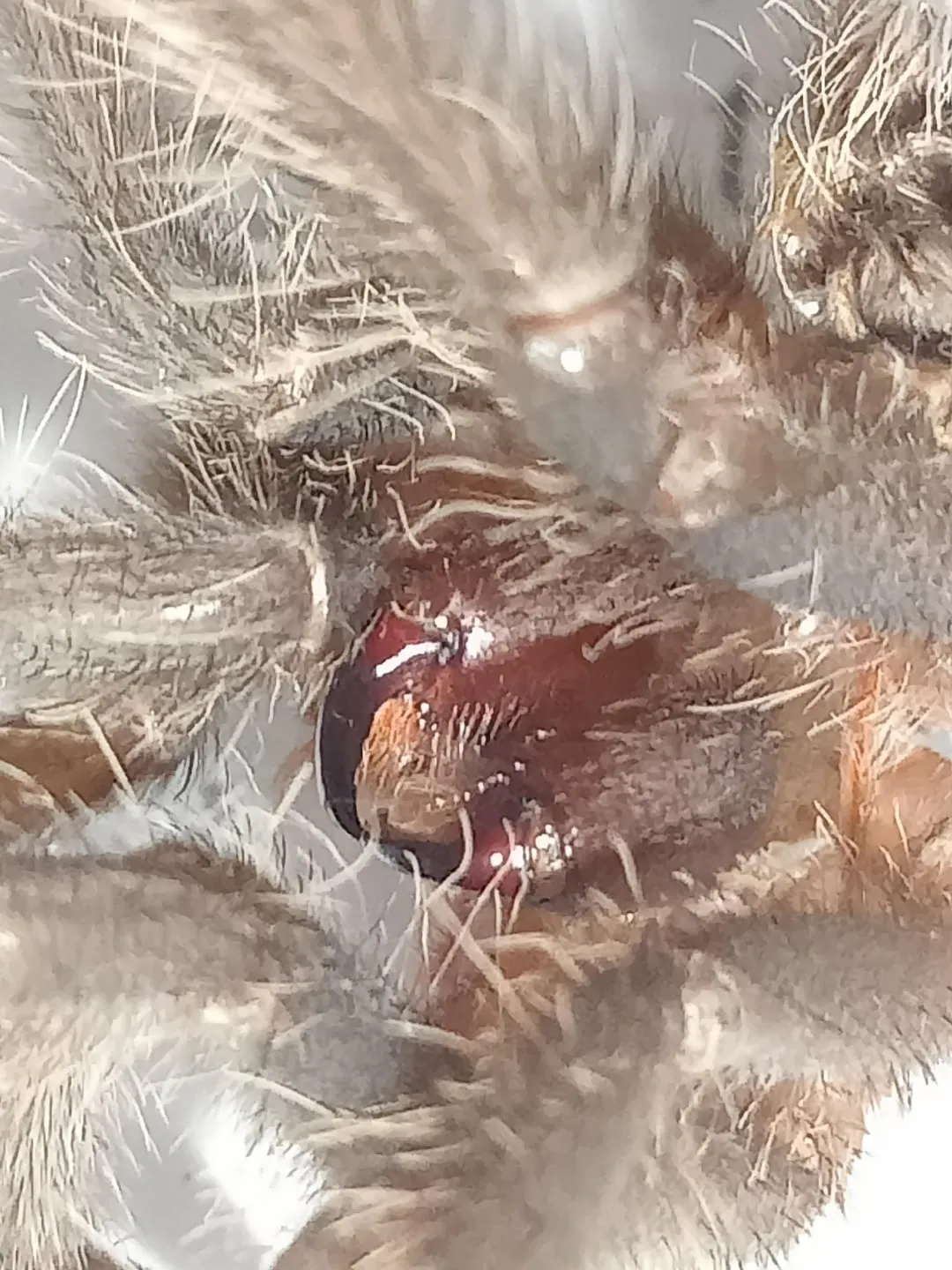
What are Tarantula Molt Fangs?
Tarantula molt fangs are the old chelicerae or fangs, that a tarantula sheds during the molting process. Molting is a natural occurrence for tarantulas, a crucial process for growth and regeneration. As tarantulas grow, their exoskeleton, or outer shell, becomes too small. To accommodate growth, the tarantula sheds its exoskeleton, including the fangs, in a process called molting. The new fangs, softer at first, harden over time within the new exoskeleton, providing the tarantula with new and improved tools for hunting and defense. The discarded fangs are a fascinating glimpse into the life of these arachnids, offering insight into their biology and behavior. Finding these fangs is a rewarding experience for any tarantula keeper and an exciting way to observe the life cycle of these creatures.
The Purpose of Tarantula Molting
Molting serves several vital purposes for a tarantula, beyond simply allowing for growth. The exoskeleton, while protective, is inflexible. Molting allows the tarantula to shed old, worn structures and replace them with new ones. This includes the internal lining of the gut, reproductive organs, and even the linings of the book lungs. Furthermore, molting can help to repair injuries or regenerate lost limbs. A tarantula may regrow a lost leg or replace damaged sensory hairs during this process. The new exoskeleton is also often a different color and pattern, providing the tarantula with a fresh appearance. The act of molting is an energy-intensive process, but it is essential for the health, longevity, and overall well-being of the tarantula, ensuring it can survive and thrive in its environment.
The Molting Process

The molting process is a complex undertaking that takes several weeks, or even months. It begins with the tarantula preparing for the molt by ceasing to eat and becoming less active. The tarantula then creates a new, soft exoskeleton beneath the old one. As the process nears completion, the tarantula will often flip onto its back, a vulnerable position that helps it to shed the old exoskeleton. The old exoskeleton splits open, typically along the carapace, and the tarantula slowly pulls itself out. The new exoskeleton is initially soft and vulnerable, making the tarantula very sensitive during this period. During and after molting, the tarantula will increase fluid intake to expand its new body and allow the new exoskeleton to stretch. It takes several days or weeks for the new exoskeleton to fully harden, during which time the tarantula remains relatively inactive.
Signs Your Tarantula is About to Molt
Several telltale signs indicate that your tarantula is preparing to molt. One of the most common is a change in appetite. The tarantula may refuse food for several weeks or even months before molting. Also, the tarantula’s abdomen may appear darker, as the new exoskeleton forms beneath the old one. The tarantula might become less active, spending more time hiding or staying in one place. You may also notice a change in the tarantula’s overall appearance, with its colors appearing duller than usual. Before the actual molt, the tarantula often prepares by laying down silk webbing in its enclosure, creating a soft surface to molt on. Careful observation of your tarantula’s behavior and appearance will allow you to anticipate the molting process and prepare for it.
Creating the Right Environment for Molting
Providing the right environment is crucial for a successful molt. The enclosure should have appropriate humidity levels, typically achieved through a combination of substrate and misting. The substrate should be deep enough for the tarantula to burrow, providing a sense of security. Avoid disturbing the tarantula during the molting process, as stress can interfere with the molt. Ensure the enclosure is free from hazards, such as sharp objects or anything that could damage the soft exoskeleton. Maintain a consistent temperature, avoiding sudden changes that could affect the molting process. It is also best to make sure the tarantula has access to fresh water, which is essential for hydration before and after molting. A well-maintained environment will give your tarantula the best chance of a successful, healthy molt.
How to Find Molt Fangs After Molting

Finding the molt fangs can be an exciting moment for tarantula keepers. After the tarantula has completed its molt, and the new exoskeleton has hardened, carefully inspect the old exoskeleton. The fangs are located at the front of the carapace, at the top. It may be necessary to gently lift or move parts of the exoskeleton to get a clear view. Use a pair of tweezers or gloved hands to carefully examine the area where the fangs are located. The discarded fangs should be visible. They may appear slightly different in color and texture from the new fangs, which will be visible on the tarantula itself. Take your time and be patient, as the fangs can sometimes be hidden or difficult to spot within the discarded exoskeleton. If you handle the molt, do so gently, as it is fragile.
Inspecting the Molt for Fangs
Once you’ve located the molt, the first step is a careful visual inspection. Start by examining the overall condition of the molt. Look for any signs of damage or abnormalities. Then, focus on the area where the fangs are located. The fangs are usually located at the front of the carapace, and they will appear as the old chelicerae. You may need to gently lift or maneuver parts of the exoskeleton to get a better view. Use a magnifying glass or a macro lens on your phone to examine the fangs more closely. This will help you see the details of their structure. Note the size, shape, and any unique markings or features of the fangs. Document your findings and use this information to learn more about your tarantula’s growth and health. Comparing the molt fangs to each subsequent molt can also give insights into the tarantula’s development over time.
What to Do with Found Molt Fangs
After finding the molt fangs, you have several options. Many tarantula keepers choose to preserve them as a memento of their pet’s life cycle. To preserve the fangs, you can carefully store them in a small container or display case. Another option is to use the fangs for educational purposes. They can be used to teach others about tarantula anatomy and the molting process. If you have multiple tarantulas, you could keep track of the molts to monitor each tarantula’s growth over time. Some hobbyists even incorporate the fangs into art projects or use them as decorative elements. Always handle the fangs with care, as they can be fragile, and wash your hands after handling them. Whether you choose to preserve them, display them, or use them for educational purposes, the molt fangs offer a unique opportunity to celebrate your tarantula’s journey.
Why Do Tarantulas Molt Their Fangs?

Tarantulas molt their fangs as part of the overall molting process, shedding their entire exoskeleton to grow. The fangs are made of chitin, the same material as the rest of the exoskeleton. The fangs need to be replaced to accommodate the growth of the tarantula. The new fangs are initially soft and pliable. They harden over time within the new exoskeleton. The molting process provides the tarantula with a fresh set of fangs. The new fangs are often sharper and better suited for hunting and defense. Replacing the fangs also allows for any damage or wear and tear to be repaired. The replacement of the fangs ensures that the tarantula can continue to effectively capture prey and protect itself from predators, which is essential for survival. Molting the fangs is just one part of the tarantula’s ability to adapt and survive.
Preserving the Molt Fangs
Preserving tarantula molt fangs is a straightforward process that allows you to keep a unique memento. After carefully locating and removing the fangs from the molt, gently clean them. You can use a soft brush and a small amount of water to remove any debris. Be extremely gentle when cleaning them, as they are fragile. Once the fangs are clean, allow them to dry completely. Place them on a soft surface and let them air dry for several hours. Then, carefully place the dried fangs in a small, airtight container. You can also display them in a shadow box, adding a small label with the date of the molt and the tarantula’s name. Keep the container in a safe place away from direct sunlight and extreme temperatures. Preserving the fangs allows you to cherish a special part of your tarantula’s life cycle and create a fascinating collection.