Understanding the Mexican Red Knee Tarantula
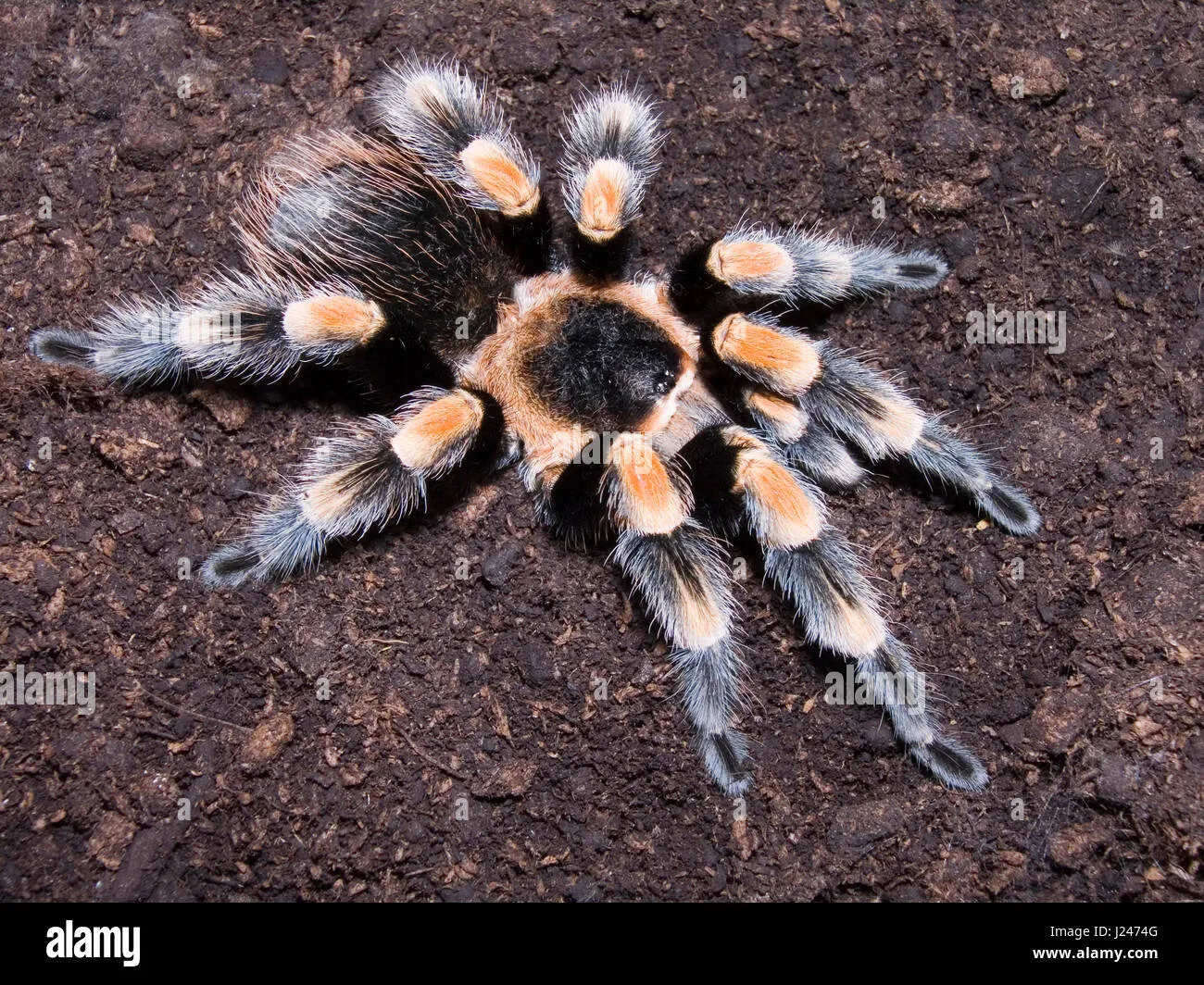
The Mexican Red Knee Tarantula (Brachypelma hamorii), a captivating species, is a popular choice for tarantula enthusiasts. Known for its striking appearance, featuring vibrant red-orange markings on its knee joints, it’s a relatively docile species, which makes it suitable for experienced and beginner keepers. However, proper handling requires knowledge and respect for the animal’s needs and potential behaviors. This guide will provide you with essential information on how to handle a Mexican Red Knee Tarantula safely, promoting both your well-being and the tarantula’s health. Before considering handling, it is critical to understand their nature and habitat. These spiders are native to the Pacific coast of Mexico, where they inhabit burrows in scrublands and tropical deciduous forests. Their natural environment shapes their behavior, making it crucial to replicate some aspects in their captive environments.
Temperament and Behavior
Mexican Red Knee Tarantulas are generally known for their calm temperament. They are less prone to biting compared to some other tarantula species, but this doesn’t mean they are entirely harmless. Their defense mechanisms include flicking urticating hairs from their abdomen, which can cause skin irritation and discomfort if they land on human skin. They might also adopt a threat posture, rearing up on their hind legs and displaying their fangs as a warning. It’s essential to approach them with patience and avoid sudden movements or loud noises that could startle them. Understanding their behavior is key to handling them safely, so constant observation of your tarantula is crucial to understanding its unique personality. If you observe these behaviors, it’s a clear signal that the tarantula feels threatened, and handling should be postponed.
Recognizing Signs of Stress

Recognizing signs of stress in your Mexican Red Knee Tarantula is paramount for safe handling. A stressed tarantula is more likely to react defensively. These spiders may display several indicators of distress, including a threat posture, flicking urticating hairs, or rapid movements. A stressed tarantula might also exhibit erratic behavior, such as running around the enclosure or constantly trying to climb the walls. Avoid handling if you see these signs. Other signs include a loss of appetite, a reluctance to move, or an unusual retreat into their burrow. Over time, prolonged stress can compromise the tarantula’s health and longevity. Always prioritize the animal’s well-being, and understand that handling should only be done when the tarantula appears calm and relaxed. Observe the tarantula for several days before attempting to handle it to get a sense of its normal behavior.
Essential Equipment for Handling
Before attempting to handle your Mexican Red Knee Tarantula, it’s important to assemble the right equipment to ensure a safe and stress-free experience for both you and the spider. The right tools will help you to minimize risks. The environment, tools, and approach you choose will make a big difference in a successful handling session. Handling should be seen as a measure that must be used only when necessary. Proper preparation and awareness can greatly enhance the safety of the process, keeping you and your pet safe and healthy.
The Enclosure
Ensure the tarantula’s enclosure is clean and well-maintained. A secure enclosure with a secure lid is non-negotiable, as tarantulas can be surprisingly fast and agile. Remove any unnecessary items like large decorations that might obstruct handling. The enclosure should also provide a safe space for the tarantula to retreat if it feels threatened. Make sure the substrate is clean and appropriate for the species. The enclosure setup should closely resemble the animal’s natural habitat. This reduces stress and allows the tarantula to feel secure, making it less likely to act defensively. Make sure to clean and remove old food and waste. When preparing to handle the tarantula, make sure the environment is clear.
Tools and Supplies

Although direct handling with bare hands is possible, it’s often recommended to use tools to minimize risk, especially for beginners. Long, soft-tipped tongs can be used to gently guide the tarantula if necessary, but avoid pinching or causing it to feel trapped. A wide, clear container can be used to gently coax the tarantula out of its enclosure for examination or relocation. This method reduces the need for direct contact. Latex or nitrile gloves are recommended. These can protect you from urticating hairs and minimize skin contact. A soft, clean paintbrush can be used to gently encourage the tarantula to move in a desired direction. Always handle your tarantula slowly and calmly.
The Importance of a Safe Environment
Create a calm, quiet environment free from sudden movements or loud noises. Handling should be done in a well-lit area, but avoid direct sunlight, which can overheat the tarantula. Before handling, make sure there are no distractions and that children or other pets are kept away. Handling should be done on a surface that is easily cleaned and free of hazards. Soft surfaces, such as a bed or a carpet, should be avoided, as they make it difficult to spot a tarantula that might escape. Have a plan in case the tarantula gets startled and attempts to run. Being prepared and having a safety plan helps manage any situation and makes the experience better.
Step-by-Step Handling Guide
Following a systematic approach to handling is critical to avoid unnecessary stress on the tarantula. Patience, calmness, and a well-thought-out plan are important to handling this species successfully. Understanding and respecting the tarantula’s needs will help you handle it safely. Here is a detailed step-by-step guide, starting with preparation and concluding with safe return to its enclosure. Always prioritize the safety and well-being of the tarantula above all else.
Preparing Yourself

Before you begin, wash your hands thoroughly to remove any scents that might agitate the tarantula. Wear gloves to protect yourself from urticating hairs and potential bites. Ensure you have all the necessary tools and supplies within easy reach, including a clear container and long tongs. Place the enclosure on a flat surface in a calm, quiet area. Maintain a calm demeanor. Tarantulas can sense your stress, so try to stay relaxed and focused. Never handle a tarantula if you are nervous or unsure; reschedule the handling for another time. Proper preparation is crucial for a smooth and uneventful handling experience.
Gently Coaxing Your Tarantula
The best way to handle your Mexican Red Knee Tarantula is to coax it out of its enclosure rather than grabbing it directly. Start by gently tapping on the enclosure to gauge its reaction. If the tarantula is calm, slowly open the enclosure. Use a soft paintbrush to gently encourage the tarantula to move, guiding it towards your hand or a clear container. Never try to force the tarantula to move. If it doesn’t want to move, be patient and try again later. Speak in a calm, reassuring tone, and make slow, deliberate movements. Avoid sudden movements or loud noises. When the tarantula is ready, it may walk onto your hand on its own. Make sure you’re ready and focused on this process. Always be patient, as patience is an important virtue.
Handling Techniques
If the tarantula walks onto your hand, keep your hand close to the surface to prevent a fall. Always support the tarantula’s body by gently cupping your other hand beneath it. Avoid squeezing or gripping the tarantula. Move slowly and deliberately, avoiding any sudden movements that could startle it. Keep the handling session short. Prolonged handling can stress the tarantula. If the tarantula starts to show signs of stress, such as raising its front legs, or flicking hairs, immediately return it to its enclosure. Be aware that some tarantulas may decide to move quickly, so prepare yourself for such situations.
What to Do if Your Tarantula Acts Aggressively

If your Mexican Red Knee Tarantula shows aggression, such as raising its front legs or displaying its fangs, immediately stop handling. Gently and slowly return the tarantula to its enclosure. Do not try to force it. Avoid any sudden movements. If the tarantula attempts to bite or flicks hairs, remain calm and assess the situation. If bitten, the bite is unlikely to be life-threatening but may cause pain and discomfort. Clean the wound thoroughly. If the hairs are embedded in your skin, use tape to gently remove them. Monitor the area for any signs of infection. Always prioritize the tarantula’s safety and your own when responding to aggressive behavior. The safety of both the pet and handler is key.
Post-Handling Procedures
After handling, there are several crucial steps to ensure the safety and well-being of your Mexican Red Knee Tarantula. Proper post-handling procedures will help keep your tarantula calm and healthy. Following these protocols can contribute to a stress-free environment. Remember, the well-being of your tarantula should always be the top priority during the handling process.
Returning Your Tarantula to Its Enclosure
Once you’re finished handling the tarantula, gently guide it back into its enclosure. If you used a container to handle it, carefully place the container back inside the enclosure and allow the tarantula to walk out on its own. Always avoid dropping or startling the tarantula. Ensure that the enclosure is secure before leaving the area. Make sure the enclosure has adequate space and environmental settings. Avoid forcing the tarantula back into the enclosure. Allowing it to walk back in on its own minimizes stress.
Monitoring Your Tarantula After Handling

After handling, observe your tarantula for signs of stress or unusual behavior. Look for any changes in its activity levels, appetite, or posture. Monitor its enclosure for any indications of distress, such as a change in web-making behavior. Provide the tarantula with a quiet and undisturbed environment. Avoid any unnecessary handling or disturbances for a few days. Ensure that the tarantula has access to fresh water and a comfortable environment. If you notice any signs of prolonged stress or illness, consult a veterinarian experienced in exotic pets. Keep an eye on any unusual patterns in the tarantula’s activities.
Common Mistakes to Avoid
Handling a Mexican Red Knee Tarantula can be a rewarding experience, but several common mistakes can compromise the safety of both the handler and the tarantula. By avoiding these pitfalls, you can ensure a much better experience for everyone involved. Always prioritize the animal’s well-being.
- Not Preparing Properly: Failing to gather the necessary equipment, and not creating a safe handling environment.
- Handling a Stressed Tarantula: Proceeding with handling when the tarantula exhibits signs of stress.
- Making Sudden Movements: Startling the tarantula with quick or unpredictable movements.
- Squeezing or Gripping: Holding the tarantula too tightly, which can cause injury or stress.
- Prolonged Handling Sessions: Handling the tarantula for too long, which can cause stress.
- Ignoring Warning Signs: Disregarding signs of aggression, such as threat postures or hair flicking.
By understanding these common mistakes and taking proactive steps to avoid them, you can increase your success and enjoy a safe and rewarding experience when interacting with your Mexican Red Knee Tarantula. Always prioritize the well-being of your pet, and approach handling with patience, respect, and knowledge.