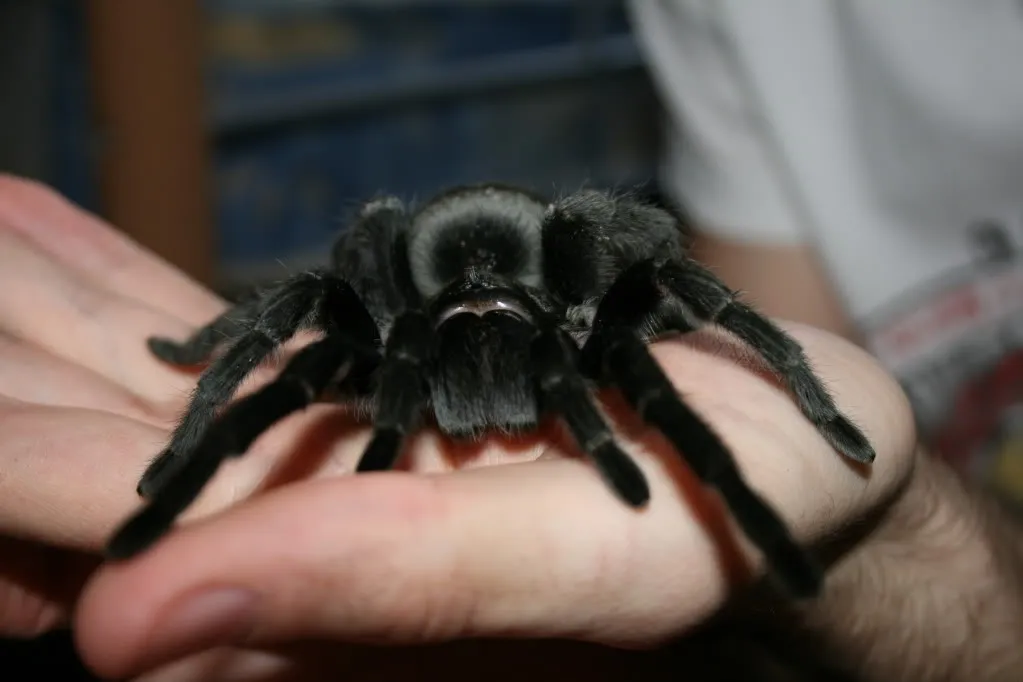
Understanding Brazilian Black Tarantulas (Grammostola pulchra)
The Brazilian Black Tarantula, scientifically known as Grammostola pulchra, is a popular pet tarantula known for its docile nature and striking appearance. These spiders are native to the grasslands of Southern Brazil and are prized for their solid black coloration, making them a favorite among tarantula enthusiasts. Understanding their characteristics is the first step in handling them safely. These tarantulas are relatively slow-moving and generally not aggressive, which makes them a better choice for those new to tarantula keeping. However, it’s important to remember that each tarantula has its own personality and can react differently to handling. Therefore, it’s always best to approach handling with caution and respect.
Temperament and Behavior of the Brazilian Black Tarantula
Brazilian Black Tarantulas are generally considered to be quite docile compared to other tarantula species. They are known for their calm demeanor and are less likely to display defensive behaviors like biting or flicking urticating hairs, which are common in other tarantula species as a defense mechanism. However, this does not mean they are entirely harmless. Stress can trigger defensive behaviors, so it’s important to understand their potential reactions. Familiarizing yourself with their behavior patterns in their enclosure, such as feeding habits, burrowing, and overall activity levels, can help you predict their mood and avoid potential stress during handling. This understanding will contribute to a safer and more comfortable experience for both you and the tarantula.
Defensive Behaviors to Be Aware Of

While generally docile, Brazilian Black Tarantulas can exhibit defensive behaviors if they feel threatened. Recognizing these signs is crucial for safe handling. The most common defensive behaviors include raising their front legs, rearing up in a threat posture, and in some cases, attempting to flee. Although rare, they might also bite if they feel cornered or severely threatened. More commonly, they might flick urticating hairs from their abdomen as a form of defense, which can cause skin irritation. Always observe your tarantula’s body language before any interaction. If the tarantula displays any signs of stress or defensiveness, it is best to postpone handling and allow it to calm down in its enclosure. Prioritizing their comfort ensures a safer handling experience for you.
Setting Up a Safe Handling Environment
Before attempting to handle your Brazilian Black Tarantula, it is imperative to create a safe environment. Choose a room with minimal distractions, such as pets or children, to reduce stress on the tarantula. Ensure the room is secure and that the tarantula cannot escape, as they are surprisingly fast when they feel threatened. Have a clear container ready in case the tarantula needs to be moved quickly or if it escapes. Soft surfaces, like a carpeted floor, can help minimize the risk of injury if the tarantula falls. Always handle the tarantula close to the ground to reduce the distance of a potential fall. Preparing the environment beforehand helps create a calmer, more controlled handling experience, both for the tarantula and the handler, and reduce the chances of accidents.
Choosing the Right Handling Tools (If Any)
Whether or not to use tools when handling a Brazilian Black Tarantula is a matter of personal preference and the individual tarantula’s temperament. For beginners, it’s often recommended to start without tools to understand the tarantula’s behavior better. However, certain tools can enhance safety. These can include a long handling hook or a soft brush. The handling hook can gently guide the tarantula’s movements without the risk of direct contact, making it easier to move the tarantula from place to place. A soft brush can also be used, but with extreme care, to gently encourage the tarantula to move. The best choice depends on the individual tarantula and the handler’s comfort level. Always approach the tarantula with caution and make sure your actions aren’t perceived as a threat.
Using a Handling Hook

A handling hook is a long, slender tool typically made of plastic or metal, designed to gently guide or encourage a tarantula to move. It allows the handler to maintain a safe distance, minimizing the risk of being bitten or having the tarantula flick hairs. To use a handling hook effectively, gently place the hook in front of the tarantula’s legs, nudging it in the desired direction. Avoid sudden movements, as this can startle the spider. The hook can also be used to gently lift the tarantula, but this should be done carefully, supporting the body. This tool is best used for moving the tarantula from one enclosure to another or for inspecting it without direct contact. Always observe the tarantula’s reaction to the hook and adjust your technique accordingly.
Using a Clear Container
A clear container, such as a plastic tub or a large deli cup, is an excellent tool to have readily available when handling your Brazilian Black Tarantula. It can be used to safely transport the tarantula, to temporarily contain it if it escapes its enclosure, or if handling needs to be quickly interrupted. The clear sides allow you to observe the tarantula and assess its behavior without direct interaction. To use a container, gently coax or guide the tarantula into it using a handling hook or by carefully maneuvering it. Ensure the container has a secure lid to prevent escape. This method is especially useful for beginners or for tarantulas that appear stressed. The container minimizes risk and provides a controlled environment, enhancing the safety of the handling process.
Step by Step Guide to Safe Handling
Handling a Brazilian Black Tarantula requires patience and a careful approach. First, assess the tarantula’s mood. Is it calm or showing signs of stress? If it appears relaxed, you can proceed with caution. Gently open the enclosure and, if using a hook, use it to gently encourage the tarantula to move onto your hand. If not using a hook, slowly place your hand in front of the tarantula, allowing it to walk onto your palm. Always move slowly and deliberately, avoiding any sudden movements. Avoid placing your hand directly over the tarantula, as this can be perceived as a threat. Keep your movements predictable and maintain a calm demeanor. This gentle approach minimizes the risk of startling the tarantula, increasing the chance of a positive handling experience. Always wash your hands before and after handling your tarantula.
Assessing Your Tarantula’s Mood

Before any handling, thoroughly assess your Brazilian Black Tarantula’s mood. Observe its posture and behavior. Is it sitting calmly, or is it in a defensive posture? Look for signs such as raised front legs, flicking hairs, or a retreat into its burrow. If it seems agitated or stressed, it’s best to postpone handling until another time when it is more relaxed. Feeding time is generally a bad time to attempt handling, as they are often focused on eating. A calm tarantula is a safe tarantula. By taking the time to assess your tarantula’s mood, you can significantly reduce the risk of a negative encounter and ensure a more enjoyable experience for both of you.
Gently Guiding the Tarantula
When handling a Brazilian Black Tarantula, the key is to move the tarantula gently and deliberately. Avoid any sudden movements that could startle it. If you are using a handling hook, position the hook in front of the tarantula’s legs and gently nudge it forward. Allow the tarantula to walk onto your hand or the hook at its own pace. Support its body with your hand, ensuring that it doesn’t feel like it could fall. Never try to grab or force the tarantula. The goal is to guide it, not to control it. Talk to the tarantula in a calm, soothing voice. This helps the tarantula feel secure. Always be aware of its movements and react calmly to any changes in behavior.
Avoiding Drops and Injuries
Preventing drops and injuries is a critical part of safe handling. Always handle your Brazilian Black Tarantula close to the ground or over a soft surface, such as a carpet or a bed. This minimizes the potential damage from a fall. Be mindful of your surroundings and ensure you have a clear path with no obstacles. Avoid handling your tarantula near sharp edges or objects it could potentially get caught on. If the tarantula starts to move quickly or appears to be trying to escape, gently place it back into its enclosure or a prepared container. Ensure the tarantula never falls from a significant height, as this could cause serious injury or even death. Constant attention to your actions and the tarantula’s response are crucial for preventing accidents.
Post-Handling Procedures

After handling your Brazilian Black Tarantula, proper post-handling procedures are essential. Carefully return the tarantula to its enclosure. Gently place it back inside, allowing it to move on its own. Wash your hands thoroughly with soap and water. This removes any potential irritants, such as urticating hairs, and ensures your safety. Observe the tarantula for a short time after returning it to its enclosure to ensure it settles back in comfortably. Clean the handling tools, such as hooks or containers. If the tarantula has flicked any hairs, clean the area around the enclosure to remove them and avoid any skin irritation. These procedures maintain the safety of both the handler and the tarantula and contribute to a positive handling experience.
Returning the Tarantula to Its Enclosure
Returning the Brazilian Black Tarantula to its enclosure requires a gentle touch. Open the enclosure slowly and place the tarantula near its burrow or favored spot. Allow it to move back into its enclosure at its own pace. Avoid trying to push or force it. If using a handling hook, gently place the hook near the ground, allowing the tarantula to walk onto the substrate. Watch the tarantula for any signs of stress or agitation as it re-enters its home. Make sure the enclosure is secure after returning the tarantula. By allowing it to return on its own terms, you reduce stress and encourage a more trusting relationship. Always make sure the enclosure is safely secured and no escape is possible.
Best Practices for Long-Term Safety
Long-term safety with Brazilian Black Tarantulas involves consistent practices. Always handle your tarantula with respect and avoid unnecessary handling. Regular observation of the tarantula’s behavior, health, and environment is crucial for identifying potential issues early. Educate yourself continually about tarantula care and handling techniques. Keep handling sessions short and infrequent. Avoid handling during molting or if the tarantula is showing signs of stress, such as being defensive or refusing food. Create a routine of checking the enclosure for any potential hazards. By implementing these practices, you can ensure a safe and enjoyable experience with your Brazilian Black Tarantula for years to come. Consistent safe practices are the foundation of responsible tarantula ownership.