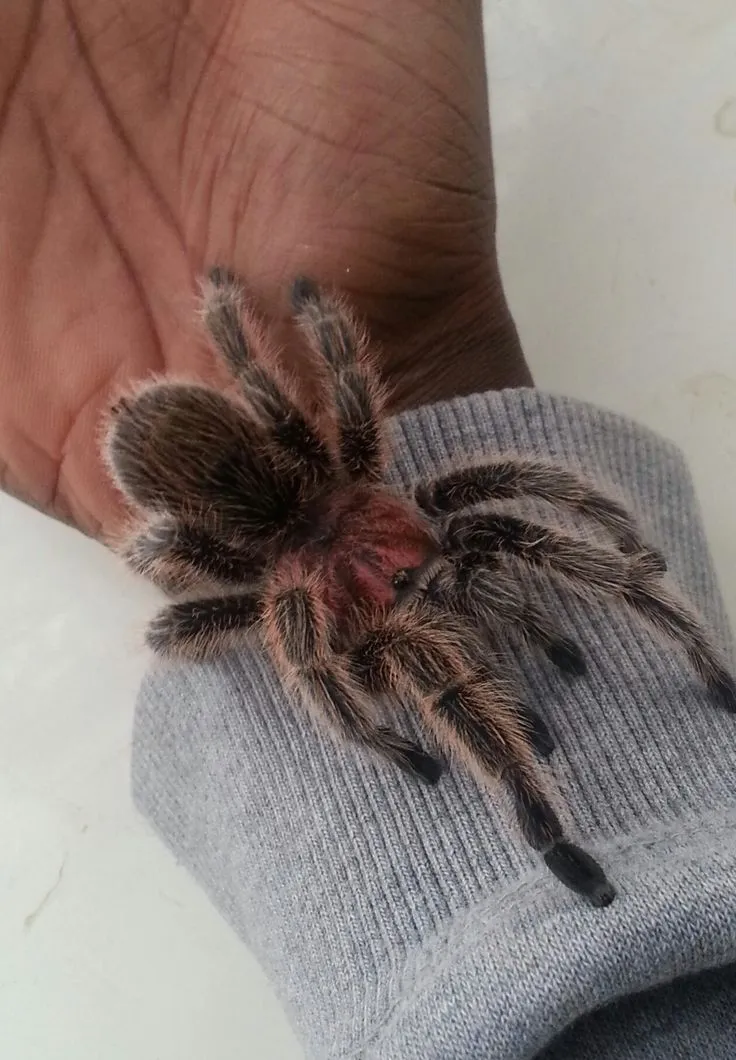
Understanding Chilean Rose Tarantulas
Keeping a Chilean Rose Tarantula as a pet can be a rewarding experience, provided you understand their needs and natural behaviors. These fascinating creatures, known for their docile nature, are popular among tarantula enthusiasts. This comprehensive guide will walk you through every aspect of Chilean Rose Tarantula care, ensuring your pet thrives and lives a long, healthy life. By understanding their unique requirements, you can provide an environment where your tarantula feels safe, secure, and content, contributing to their overall well-being and happiness. This initial understanding is crucial for anyone considering owning this captivating species.
Origin and Natural Habitat
Chilean Rose Tarantulas, scientifically known as Grammostola rosea, originate from the arid and semi-arid regions of Chile, Argentina, and Bolivia. In their natural habitat, they are terrestrial spiders, meaning they live on the ground. They are burrowers and prefer to live in concealed spaces, often under rocks, logs, or within burrows they create themselves. Understanding their natural environment is critical for replicating their needs in captivity. Knowing their origin helps you recreate a suitable habitat that mimics their natural surroundings, which promotes their well-being. Providing the right conditions is key to ensuring they are comfortable and stress-free.
Behavioral Traits

Chilean Rose Tarantulas are generally known for their calm and docile temperament, making them relatively easy to handle compared to other tarantula species. They are not aggressive, but they will defend themselves if they feel threatened. Their defensive behaviors include flicking urticating hairs from their abdomen, which can cause skin irritation. It is important to handle them with care and respect their space. They are nocturnal hunters, meaning they are most active at night. They spend most of the day in hiding and emerge at dusk to hunt. Observing these behaviors allows you to understand your tarantula better and provide an environment that caters to their natural instincts.
Creating the Perfect Chilean Rose Tarantula Habitat
The enclosure is a crucial aspect of keeping your Chilean Rose Tarantula happy and healthy. A well-designed habitat replicates their natural environment and meets their specific needs. This includes providing adequate space, suitable substrate, and controlled temperature and humidity levels. Creating a comfortable and secure habitat minimizes stress and allows your tarantula to exhibit its natural behaviors. The right setup reduces health risks, allowing your pet to thrive. A well-maintained habitat will contribute to the overall well-being of your Chilean Rose Tarantula and make them feel safe.
Enclosure Size and Type
The size of the enclosure should be appropriate for the size of your tarantula. A juvenile Chilean Rose Tarantula can be kept in a smaller enclosure, such as a 5-10 gallon tank. As they grow, they will need more space. Adult Chilean Rose Tarantulas typically need a 10-20 gallon tank or even larger. The enclosure should be wider than it is tall, as these tarantulas are terrestrial and spend most of their time on the ground. Ensure the enclosure has a secure lid to prevent escape. Good ventilation is also vital to maintain healthy air circulation and prevent the buildup of excessive humidity, which can lead to health problems.
Substrate Selection

The substrate is the material used to line the bottom of the enclosure. It serves as a base for the tarantula and helps to maintain humidity. A good substrate should be able to retain moisture and allow the tarantula to burrow. Suitable substrate options include a mix of coco fiber, peat moss, and a small amount of vermiculite. Avoid substrates that are dusty or contain harmful chemicals. The substrate should be deep enough to allow the tarantula to burrow comfortably, typically 4-6 inches deep. Regularly monitor and replace the substrate to prevent mold growth and keep the enclosure clean.
Temperature and Humidity Control
Chilean Rose Tarantulas thrive in a temperature range of 70-85°F (21-29°C). A heat source, such as a heat mat placed on the side or back of the enclosure, can be used to maintain the correct temperature. Avoid placing the heat source directly under the enclosure, as this can overheat the tarantula. Humidity levels should be maintained between 60-70%. This can be achieved by misting the enclosure with water a few times a week or by providing a water dish. Use a hygrometer to monitor the humidity levels accurately. Proper temperature and humidity are essential for their overall health, molting, and well-being.
Essential Equipment
Essential equipment includes a water dish, a hide, and a hygrometer. The water dish should be shallow to prevent the tarantula from drowning and should always contain fresh, clean water. A hide, such as a piece of cork bark or a hollow log, provides a secure place for the tarantula to retreat and feel safe. A hygrometer is used to measure humidity levels, and a thermometer is used to measure temperature. Decorations, such as plants (either real or fake), can also be added to enhance the enclosure and provide enrichment. Ensure the enclosure is well-ventilated and that all equipment is safe and non-toxic.
Feeding Your Chilean Rose Tarantula

Feeding your Chilean Rose Tarantula is a straightforward process, but it’s important to provide the correct diet and feeding schedule to keep them healthy. Proper nutrition is critical for their growth, molting, and overall health. A well-fed tarantula is a happy tarantula. Understanding their dietary needs and preferences will contribute to their longevity. Providing a balanced diet also ensures that your tarantula gets all the nutrients it needs to thrive in captivity. A properly fed tarantula is less likely to exhibit stress-related behaviors, further enhancing their well-being.
Diet and Feeding Frequency
Chilean Rose Tarantulas typically eat once or twice a week, depending on their age and size. Spiderlings and juveniles should be fed more frequently, while adults can be fed less often. Overfeeding can lead to health problems, such as obesity. Observe your tarantula to determine the appropriate feeding frequency. Offer food items and remove any uneaten prey within 24 hours to prevent mold growth. Adjust feeding based on the tarantula’s body condition; a plump abdomen usually indicates a well-fed tarantula. Monitor your pet’s eating habits closely to make adjustments.
Appropriate Food Items
The main diet of Chilean Rose Tarantulas consists of live insects. Suitable food items include crickets, mealworms, dubia roaches, and other commercially available insects. It’s important to dust the insects with a vitamin and mineral supplement before feeding them to your tarantula, particularly calcium and vitamin D3, which are crucial for their health. Ensure that the insects are sourced from a reputable supplier and are free from pesticides. Avoid feeding wild-caught insects, as they may carry parasites or diseases. Varying the diet provides essential nutrients.
Watering and Hydration

Providing fresh water is essential for your tarantula’s hydration. A shallow water dish should always be available. You can mist the enclosure lightly with water a few times a week to maintain humidity and provide an additional source of hydration, especially during the molting process. Ensure the water dish is clean and that the water is fresh. Over-misting can lead to excessive humidity and potential mold growth, so it is important to strike a balance. Monitor the substrate for dampness and adjust misting frequency accordingly. Hydration is an important part of their overall well-being.
Handling and Interaction
While Chilean Rose Tarantulas are known for their docile nature, handling them should be done with caution and respect. Understanding their behaviors and recognizing stress signs is essential for their safety and yours. It’s important to interact with your tarantula in a way that minimizes stress and promotes their well-being. Safe handling techniques and awareness of stress signals are key to building a positive relationship with your pet. This reduces the risk of any accidental harm to you and your tarantula.
Safe Handling Practices
If you choose to handle your Chilean Rose Tarantula, do so slowly and gently. Approach the tarantula from the side, never from above, as this can be perceived as a threat. Always handle them over a soft surface, such as a bed or a carpet, in case they fall. Never squeeze or hold the tarantula tightly, as this can cause stress and injury. Wash your hands before and after handling them to avoid transferring any substances. It’s essential to respect their space and only handle them when necessary, as too much handling can cause stress. Focus on gentle interactions.
Recognizing Stress Signs

Recognizing stress signs is crucial for ensuring your tarantula’s well-being. Signs of stress include rapid movement, flicking urticating hairs, raising their front legs, or a defensive posture. If your tarantula displays these behaviors, it’s best to leave them alone. Avoid handling or disturbing them during molting. Provide a secure environment where they can retreat when stressed. A stressed tarantula may also refuse food or spend excessive time in hiding. If you notice any of these behaviors, review their habitat, temperature, and handling practices to identify potential stressors and make necessary adjustments.
Health and Common Issues
Like all pets, Chilean Rose Tarantulas can experience health issues. Being aware of common problems and understanding the molting process will help you ensure your tarantula stays healthy. Early detection and appropriate care are key to addressing any health concerns. Regularly monitoring your tarantula’s behavior and appearance can help you identify potential problems. Providing a suitable environment and proper care significantly reduces the risk of health issues, ensuring a longer and healthier life for your pet. Understanding their life cycle and potential challenges will also help you provide a suitable environment for them.
Molting Process
Molting is a natural process where the tarantula sheds its exoskeleton to grow. During molting, the tarantula will typically stop eating, become less active, and may lie on its back. This process can take several hours or even days. Do not disturb the tarantula during this time. After molting, the tarantula’s new exoskeleton will be soft, and it may take a few days for it to harden. Do not feed the tarantula until its fangs have hardened, typically a week or so. Providing the right environmental conditions helps to ensure a successful molt.
Common Health Problems and Solutions

Common health problems include mites, fungal infections, and injuries. Mites can be controlled by improving the enclosure’s cleanliness and sometimes using mite treatments. Fungal infections can result from high humidity and poor ventilation. Injuries can occur if the tarantula falls or is mishandled. If you suspect a health problem, consult with an experienced tarantula keeper or a veterinarian specializing in exotic pets. Maintaining a clean enclosure, providing proper diet and hydration, and avoiding over-handling will help prevent many health issues. Early intervention is key for successful treatment.
Lifespan and What to Expect
Chilean Rose Tarantulas can live for many years with proper care. Females typically live longer than males. Females can live for 15-20 years or even longer, while males usually live for 5-10 years. The lifespan varies depending on the individual tarantula, genetics, and the care they receive. Understanding their lifespan allows you to plan and provide for your pet’s long-term needs. Providing an optimal environment will also allow you to enjoy the company of your Chilean Rose Tarantula for an extended period, making this commitment more meaningful.