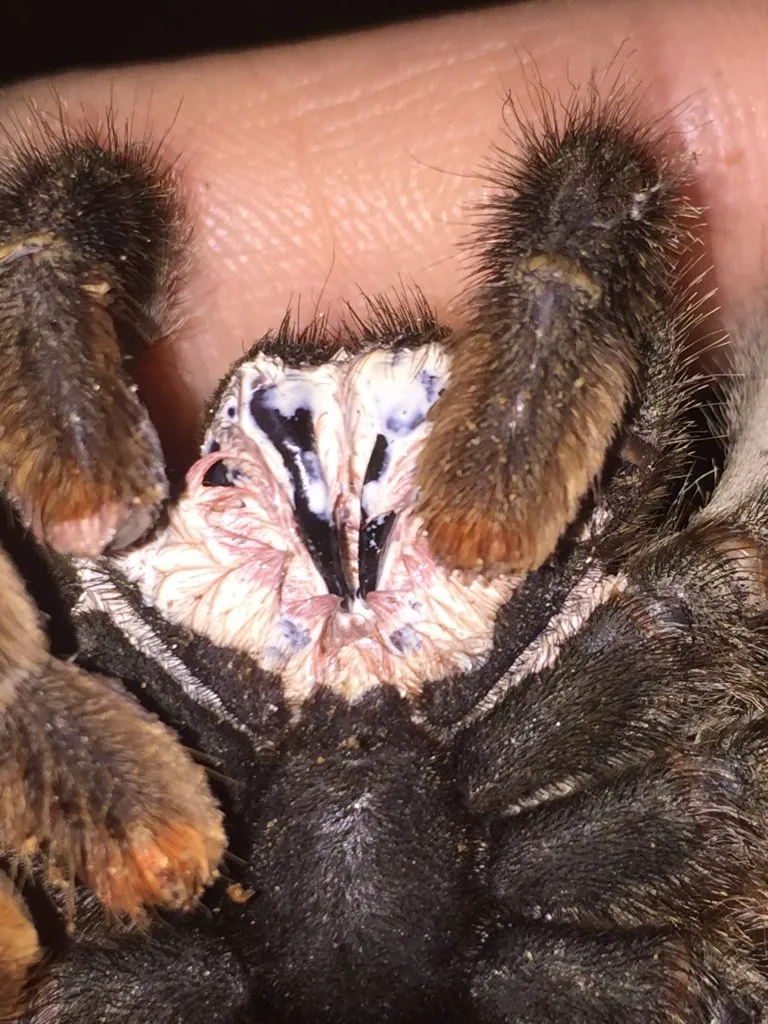
Understanding the Tarantula Mouth Threat
Encountering a tarantula in your mouth is an incredibly rare, yet frightening situation. The threat extends beyond the immediate shock and potential bite. Understanding the potential dangers is crucial for an effective response. Tarantulas, while not typically aggressive, possess venom that can cause varying degrees of reaction depending on the species and the individual. Furthermore, the enclosed environment of the mouth presents unique challenges. The soft tissues are highly sensitive. The close proximity to airways can escalate the severity of the situation. A tarantula in your mouth may trigger a range of physical reactions. It is necessary to quickly assess the situation and act decisively. This guide will provide the necessary steps to take.
Immediate Actions When a Tarantula Enters Your Mouth
The initial moments are critical. Your immediate actions will significantly influence the outcome. Panic can cloud judgment, so maintaining composure is paramount. The primary goal is to prevent further harm. This is achieved by securing the tarantula, and preventing deeper ingestion or blocking the airway. Time is of the essence; therefore, quick and calculated steps can minimize harm. Be prepared to act quickly and think clearly under pressure. This section provides the immediate steps required to safeguard your health and minimize potential risks.
Stay Calm and Assess the Situation

The initial shock will likely trigger a surge of adrenaline. Deep breaths and conscious effort to remain calm are necessary. Take a moment to assess the situation. Determine if the tarantula is moving, its size, and approximate location within your mouth. Avoid sudden movements, as this may startle the tarantula and lead to a bite. Try to minimize any actions. Try not to swallow or make any movements that could dislodge or push the tarantula further in. This initial assessment will guide your subsequent actions. Staying calm provides the best chance of making the correct decisions.
Preventing the Tarantula from Moving Further
The primary concern is preventing the tarantula from moving towards your throat or airways. Gently close your mouth, but do not clamp down. This may crush or further agitate the tarantula. If possible, try to position yourself so gravity works in your favor. Leaning forward slightly might help prevent the tarantula from moving deeper. Avoid any action that could inadvertently push the tarantula further in. This proactive step is to minimize the risk of asphyxiation. Prioritize keeping the airway clear while preparing for extraction.
Removing the Tarantula Safely
Safely extracting the tarantula is the next vital step. Attempting removal requires careful consideration of the potential risks. The priority is to extract the tarantula. The goal is to minimize the risk of being bitten and causing additional harm. This section will guide you through the most effective and safest methods for this challenging task. Prioritize safety over speed. The information below offers clear techniques for removing the tarantula, ensuring that your health and safety remain the top priorities throughout the process.
Techniques for Extraction

Gently open your mouth as wide as possible to provide better visibility. If you have access to a light source, use it to illuminate the area. Try to locate the tarantula’s position. If visible, carefully attempt to grasp it with tweezers. If tweezers aren’t available, consider using a clean piece of cloth or tissue to create a barrier between your fingers and the tarantula. Make slow, steady movements. Avoid any actions that could provoke the tarantula. Pull the tarantula slowly and steadily, aiming to remove it completely. Once removed, place the tarantula in a safe container. Immediately wash your mouth thoroughly with water and examine for any signs of a bite. If a bite is suspected, seek medical attention immediately.
Seeking Immediate Medical Attention
Following extraction, the next step is seeking professional medical attention. Even if you do not feel any immediate effects, it’s important to get checked by a healthcare provider. Tarantula bites, while rarely fatal, can cause allergic reactions, localized pain, and other complications. Prompt medical intervention will help to reduce these risks. Early intervention can also address any systemic reactions or infections. Ensure all details and observations are reported to the medical personnel. Accurate and detailed information is vital. This will ensure they can provide proper medical treatment. Quick response to the situation can minimize long-term consequences.
Symptoms Requiring Medical Attention
Several symptoms warrant immediate medical care. These include difficulty breathing, swelling of the face, tongue, or throat. Other symptoms are severe pain at the bite site. These are signs of an allergic reaction or venom toxicity. Other signs are muscle cramps, nausea, dizziness, and any changes in vision. Even if you do not experience these symptoms, report any bite to your doctor. They can monitor your condition. They can administer appropriate treatment. Prompt action minimizes the risk of severe complications. Ensure that these symptoms are assessed quickly. Do not hesitate to seek emergency medical care if symptoms develop.
First Aid Procedures While Waiting

While waiting for medical assistance, there are several first-aid steps you can take. Gently clean the bite area with soap and water. Apply a cold compress to reduce swelling and pain. Try to keep the bite area below your heart level. This helps reduce the spread of venom. Monitor your symptoms closely. If possible, take an antihistamine to reduce allergic reactions. Ensure you remain calm and breathe deeply. Inform medical professionals about any first aid. Providing this information will assist them in giving treatment. The immediate actions can improve your outcomes.
Potential Health Risks and Complications
Encountering a tarantula in the mouth poses multiple health risks. While not always life-threatening, it can lead to significant complications. These include allergic reactions, localized tissue damage from the bite. Also there are infections. Understanding the potential risks is vital to make informed decisions and seek appropriate care. This section will explore the potential health complications. Knowing the possible outcomes will better prepare individuals. Early interventions are vital for reducing potential health complications.
Allergic Reactions and Venom Toxicity
Tarantula venom can trigger allergic reactions of varying severity. Mild reactions include itching, redness, and localized swelling. More severe reactions can cause difficulty breathing, swelling of the throat. These can cause anaphylaxis. Venom toxicity symptoms include muscle cramps, nausea, and dizziness. If there is evidence of an allergic reaction, then it is important to seek immediate medical attention. Physicians will assess and treat the severity of the reaction. Early treatment, such as administering antihistamines or epinephrine, is key. Ensure that allergic reactions are treated promptly. This will minimize potential complications. Proper medical care is crucial for those at risk.
Infection and Secondary Complications

Tarantula bites can also lead to infections and other secondary complications. The bite wound can become infected. This is due to bacteria that are present on the tarantula’s fangs. Symptoms of infection include increased pain, swelling, redness, and the production of pus. Seek medical care right away if there is an infection. Infections can also lead to more serious conditions such as cellulitis. These need medical attention. In rare cases, a bite can cause systemic complications. This is due to the spread of the venom. Early detection, medical treatment, and ongoing care are critical to avoid serious infections. It is vital to get the correct diagnosis. Proper treatment is very important to ensure health and prevent further issues.
Long-Term Effects and Recovery
The experience of encountering a tarantula in your mouth can have long-term effects. These are a combination of physical and psychological factors. Recovery includes addressing any lasting physical complications. This also involves treating the emotional trauma. Understanding the potential long-term impacts is crucial for effective healing. This section explores the long-term effects. It will provide guidance on how to promote healing and regain well-being. Focus on comprehensive care. This involves addressing all aspects of health to achieve a complete recovery.
Psychological Impact and Trauma
The experience can lead to significant psychological trauma. Many people report feelings of anxiety, fear, and post-traumatic stress disorder (PTSD). Symptoms can include nightmares, flashbacks, and avoidance behaviors. Experiencing this can affect daily life. Seeking professional help is critical to manage the emotional impact. Therapists use various methods to help people process trauma. This includes cognitive-behavioral therapy (CBT) and eye movement desensitization and reprocessing (EMDR). Remember that psychological support is critical for your mental well-being. Prioritize mental health. Seeking support will lead to improved outcomes.
Coping Strategies and Support

Effective coping strategies are necessary to deal with the emotional challenges. Engage in relaxation techniques. These will help reduce anxiety and stress. Seek support from friends, family, or support groups. Joining a support group can help people to share and receive emotional support. Professional counseling or therapy will provide tools to manage the psychological impact. Ensure that you practice self-care. Make sure that you prioritize your physical and emotional health. These coping methods can improve the process of healing. Implement a proactive approach to mental well-being.
Preventive Measures and Safety Guidelines
Prevention is the best strategy to avoid having a tarantula in your mouth. Implementing safety measures reduces the risk of this rare but serious event. This section highlights practical steps to help people avoid the dangers. It involves educating yourself. It also involves creating safe environments. Understanding the precautions will help you avoid potential harm. Using a proactive approach to minimize risk is a priority. This will ensure that your well-being is safeguarded.
Avoiding Contact with Tarantulas
Avoiding contact with tarantulas is the most effective prevention strategy. Be cautious in areas where tarantulas are known to live. This includes forests and other habitats. Wear appropriate clothing and footwear. This will protect against bites. If you encounter a tarantula, do not try to touch or handle it. Always admire these creatures from a distance. Educate yourself about tarantula behavior. Be aware of their potential habitats. Awareness and vigilance are key to avoiding potential harm. By avoiding contact, you decrease the risk. Remember that safety comes first.
Creating a Safe Environment
If you live in an area with tarantulas, it is vital to make your home and surroundings safe. Inspect your home for any potential entry points. Seal any cracks or openings in walls, windows, and doors. Eliminate potential hiding places. Keep your yard clean and free of debris. Store firewood away from your home. If you have pets, supervise their interactions with wildlife. Regularly check for tarantulas in your home. This includes basements, garages, and attics. Creating a safe environment significantly reduces the likelihood of encountering a tarantula. Prioritize this step for a safe living space.