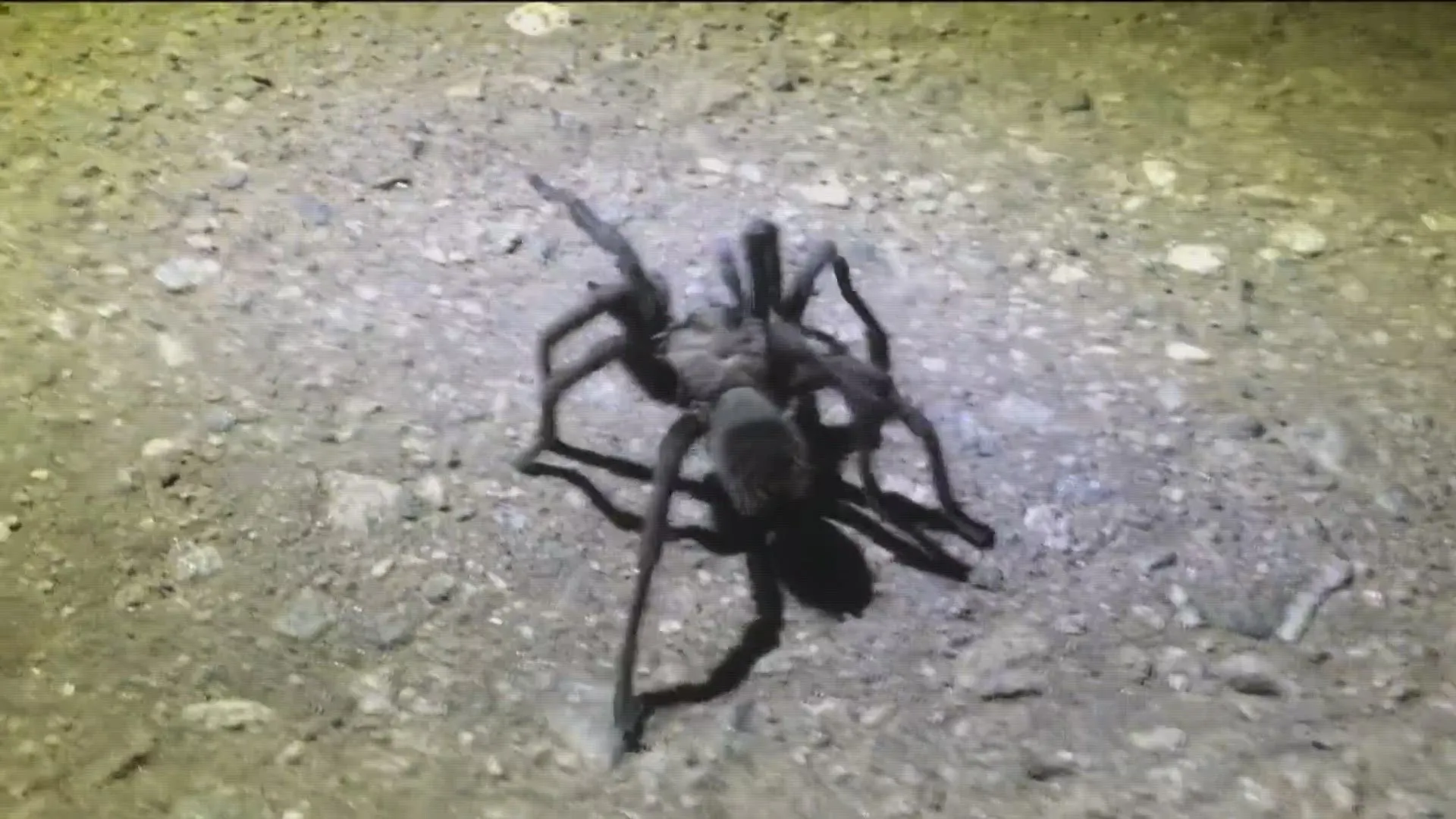
Why is There a Tarantula in Your Home?
Discovering a tarantula inside your home can be unsettling, but understanding why they venture indoors is the first step in dealing with the situation. Tarantulas, generally, are not aggressive and are typically in search of shelter, food, or a mate. During certain times of the year, particularly mating season, males may wander in search of females. Homes can unintentionally provide an ideal environment, offering refuge from harsh weather conditions like extreme heat or cold, or from potential predators. The presence of other insects, which serve as a food source for the tarantula, can also lure them inside. Additionally, open doors, windows, and cracks in foundations offer easy entry points for these arachnids. Understanding the reasons behind their presence will help you not only trap the tarantula safely but also prevent future encounters by addressing these underlying attractants.
Common Tarantula Species Found Indoors
Several tarantula species are commonly found in and around homes. The specific species encountered often depends on your geographic location. In North America, the Texas Brown tarantula and the Arizona Blonde tarantula are frequently reported. These tarantulas prefer drier climates and may seek shelter from the elements. They can range in size from a few inches to nearly a foot in leg span. Understanding the species you’re dealing with can help you assess their behavior and potential hazards. It’s important to note that while tarantulas generally are not aggressive, they can bite if they feel threatened, and some species have urticating hairs that can cause skin irritation. Familiarizing yourself with the local tarantula species will aid in safer and more effective trapping methods.
How to Identify a Tarantula

Accurately identifying a tarantula is essential before attempting to trap it. Tarantulas are easily distinguished from other spiders by their large size, hairy bodies, and prominent fangs. They have eight legs, two body sections (cephalothorax and abdomen), and two pedipalps near their mouths. Observe the color, size, and overall appearance of the spider. Different species have unique markings and coloration. Use a field guide or online resources with images to compare and identify the tarantula you’ve found. While identification is important, it’s crucial to maintain a safe distance. Avoid getting too close, and don’t attempt to handle the spider until you are certain of its species. Accurate identification can help you determine whether the spider is venomous and will guide your handling and release strategy.
What You Need to Trap a Tarantula
Before you start, gather the necessary tools and supplies to ensure a safe and effective trapping process. This will minimize the risk of harm to yourself and the tarantula. The basic equipment includes a clear, sturdy container, such as a plastic storage bin or a large jar, for capturing the spider. Ensure that the container is large enough to accommodate the tarantula’s size. A piece of cardboard or a similar flat object is also needed to gently coax the spider into the container. Other essential items include thick gloves to protect your hands and possibly a long-handled tool to safely maneuver the tarantula, keeping a safe distance. Finally, consider having a camera or phone ready to photograph the tarantula for identification purposes. Having these items ready will make the trapping process much more streamlined and less stressful.
Gathering Your Supplies
Gathering the right supplies is the first step toward a successful tarantula trapping. Prioritize safety and effectiveness by collecting all the necessary items. Essential supplies include a clear container large enough to house the spider without being too cramped. A clear container is crucial so you can see the spider and avoid unnecessary risks. Also, you will need a piece of cardboard, or a similar flat, sturdy object to guide the spider into the container. Protective gear such as thick gloves are extremely important. You can also consider a long-handled tool, like a broom or a ruler, to help maneuver the tarantula. Lastly, you may want a camera to document the process. Before you begin, double-check that you have everything on hand, making sure the process is as safe and efficient as possible.
Essential Safety Gear

Prioritizing safety is paramount when dealing with a tarantula. Always wear protective gear. Thick gloves are a necessity to protect your hands from a potential bite. Some species of tarantulas have urticating hairs, which can cause skin irritation and discomfort. Eye protection can also be useful, particularly if you’re working in an area where the spider might flick its hairs. Avoid direct contact with the spider’s fangs or body. If you have allergies or any concerns about spider bites, consult a medical professional beforehand. Always maintain a safe distance and proceed cautiously. Remember, your safety should always come first during the trapping process. Using the correct protective gear allows you to handle the situation with confidence and minimizes potential risks.
Step-by-Step Tarantula Trapping Guide
Following a clear, step-by-step guide ensures a successful and safe tarantula trapping experience. Start by locating the tarantula; slowly approach the spider and assess the situation. Next, create a safe catching zone to prevent the spider from escaping or hiding in a difficult-to-reach area. Then, employ a gentle capture method by carefully positioning the container over the tarantula, using the cardboard to guide the spider inside. The last step is transferring the tarantula by carefully sliding the cardboard under the container’s opening to seal it. Taking it slow and steady throughout the process can minimize stress on the tarantula and maximize your safety. Ensure each step is completed deliberately, allowing for a calm and controlled capture.
Locating the Tarantula
The first step in trapping a tarantula is to locate it. Tarantulas are often found in dark, secluded areas of a home, such as under furniture, in closets, or in basements. Begin by carefully scanning the room, paying close attention to these potential hiding spots. Use a flashlight to illuminate dark areas and help spot the spider. Once you’ve found the tarantula, observe its behavior. Is it moving, or is it stationary? Knowing its behavior will assist you in planning your approach. Maintain a safe distance to avoid startling the spider. If the tarantula is in an easily accessible area, you can proceed to the next step. However, if it is in a difficult location, consider using a long-handled tool to gently coax it into a more accessible spot. Remember, patience and a cautious approach are key during this initial phase.
Creating a Safe Catching Zone

Before attempting to trap the tarantula, it is important to create a safe catching zone to prevent it from escaping or hiding in a hard-to-reach area. Clear the area around the spider of any obstructions, like clutter or furniture, to give yourself ample space to work. Block any potential escape routes, such as open doorways or cracks in the wall, by placing objects in front of them. If the tarantula is in a corner, try to gently coax it into a more open space. The goal is to provide a clear pathway for the tarantula into your container while limiting the possibility of it disappearing into a difficult-to-reach location. This careful preparation will improve your chances of a successful catch and minimize stress to both you and the spider.
The Gentle Capture Method
Employing a gentle capture method is crucial for safely trapping a tarantula. Slowly and carefully position the clear container over the tarantula. Ensure the opening is wide enough to easily capture the spider. Next, gently slide the piece of cardboard between the spider and the floor or surface it is on. This will help to guide the spider into the container without startling it. If the spider begins to move, be patient and allow it to settle down. Avoid any sudden movements that might scare the tarantula. The goal is to encourage the spider to move into the container. Once the spider is inside, slowly lower the cardboard to seal the container’s opening. Take your time, and remain calm throughout the process to ensure the tarantula’s safety.
Transferring the Tarantula
After capturing the tarantula in the container, you’ll need to transfer it safely. Place the cardboard over the container’s opening, creating a temporary seal. This will prevent the spider from escaping while you prepare for transport. Carefully slide the cardboard under the container’s opening, ensuring a complete seal. This will keep the spider contained as you move it. Secure the cardboard with tape or another method to ensure it doesn’t slide off. Then, gently carry the container to your chosen release location. Keep the container upright to prevent the spider from being harmed. Handling the container with care throughout the transfer will help you successfully and safely relocate the tarantula.
How to Release the Tarantula

Releasing the tarantula safely and responsibly is critical after you’ve caught it. Choosing the right location and handling the release properly can ensure the tarantula’s survival and well-being. Firstly, choose a suitable release location. Ensure it is away from human activity and potential predators, ideally in an outdoor environment with suitable habitat. Slowly and gently tip the container to allow the tarantula to walk out on its own. Avoid shaking or forcing the spider out, as this can be stressful. Observe the tarantula’s behavior as it leaves the container. If it seems disoriented or injured, consider contacting a wildlife expert. Remember, the goal is to relocate the tarantula without harming it. This will ensure the spider can thrive in its natural environment.
Choosing a Suitable Release Location
Selecting a suitable release location is essential to ensure the tarantula thrives after being relocated. The ideal location should be far from human activity and potential hazards, such as roads or populated areas. Consider an outdoor environment that mimics the tarantula’s natural habitat. Look for areas with appropriate shelter, like a natural burrow or a space under rocks and debris, where the tarantula can hide. The environment should provide access to potential food sources, like insects. Also, it is important to choose a location with the right climate conditions. Releasing the tarantula in its preferred environment improves the chances of its survival and reintegration. By carefully choosing the release site, you’re contributing to the spider’s well-being.
Preventing Future Tarantula Encounters
Preventing future tarantula encounters involves taking proactive steps to make your home less attractive to these arachnids. This will not only reduce the likelihood of finding tarantulas inside but also create a more comfortable living environment. Start by sealing any potential entry points, such as cracks in your foundation or gaps around doors and windows. Additionally, reducing attractants, such as insects, is crucial. This means addressing any pest problems you have, as insects are a primary food source for tarantulas. Regular pest control treatments can help to minimize the presence of these insects. By taking these preventive measures, you can create a less inviting environment for tarantulas, reducing the chances of them entering your home in the first place.
Sealing Entry Points

One of the most effective ways to prevent tarantulas from entering your home is to seal all potential entry points. Inspect your home thoroughly, both inside and out, to identify any cracks, gaps, or openings where tarantulas could get in. Pay special attention to areas around doors and windows, foundation cracks, and utility penetrations. Use caulk, weather stripping, or other appropriate materials to seal these openings. Make sure that all screens are in good condition and properly fitted. By creating a solid barrier, you significantly reduce the chances of tarantulas being able to enter your home. Regularly inspect and maintain these seals to ensure their effectiveness over time.
Reducing Attractants
Reducing attractants is a critical step in preventing tarantulas from entering your home. The primary attractant for tarantulas is food, which includes insects. Implementing an effective pest control strategy is essential. Address any existing pest problems by using appropriate insecticides or traps. Keep your home and yard clean by removing any potential food sources for insects, such as decaying organic matter and standing water. Ensure that trash cans are sealed and that food is stored properly. Reduce outdoor lighting, as this can attract insects, which in turn, can attract tarantulas. By taking these steps, you can reduce the presence of insects, making your home less attractive to tarantulas.