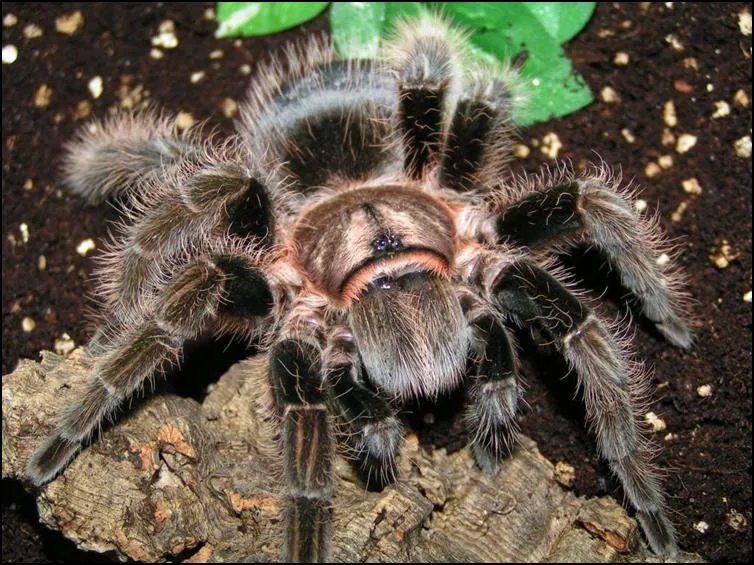
Understanding Curly Hair Tarantulas Needs
Curly hair tarantulas (Tliltocatl albopilosus) are popular pets due to their docile nature and unique appearance. Originating from Central America, they thrive in a specific environment that mimics their natural habitat. This includes proper humidity, temperature, and a clean living space. Maintaining a healthy environment is crucial for their well-being, and washing their enclosure, as well as occasionally the tarantula itself, is part of their care routine. These arachnids have specific needs that must be met to ensure their longevity and happiness, and that includes occasional washing. Understanding these needs is the first step to providing optimal care.
Why Washing is Important
Washing your curly hair tarantula, and more frequently, their enclosure is essential for several reasons. Firstly, it helps maintain hygiene. Tarantulas, like all pets, produce waste that can contaminate their environment, leading to bacterial growth and other health issues. Regular washing helps prevent the buildup of this waste. Secondly, washing contributes to a healthy environment. Clean enclosures prevent the spread of mites and other parasites that can harm your tarantula. Lastly, washing your tarantula is important for their overall well-being. Proper washing also helps maintain the right humidity levels, ensuring the tarantula’s molting process is successful. These measures help to prevent the build-up of harmful elements that can harm your tarantula.
Risks of Improper Cleaning

Improper cleaning can pose several risks to your curly hair tarantula. Harsh chemicals or inappropriate cleaning solutions can be toxic to tarantulas, leading to health problems or even death. Using the wrong temperature water can also shock the tarantula. Furthermore, rough handling during cleaning can stress the tarantula, potentially causing it to drop limbs or refuse food. Over-cleaning, or cleaning too frequently, can remove beneficial bacteria and disrupt the enclosure’s delicate ecosystem. This can also cause excessive dryness in the environment, which is harmful to the tarantula’s health. It is therefore vital to follow the correct cleaning procedures.
Gathering Your Supplies
Before you start washing your curly hair tarantula, it’s essential to gather all the necessary supplies. This will make the process smoother and safer for both you and your pet. Having everything ready ensures you can focus on the cleaning without interruptions. This preparation also helps avoid using inappropriate materials or methods. This makes the overall cleaning process more efficient and less stressful.
Essential Supplies for Cleaning
The essential supplies for cleaning include a suitable cleaning solution (more on that below), soft brushes or cotton swabs, a clean container for temporary housing, and paper towels. A spray bottle filled with distilled water is useful for rinsing. You’ll also need appropriate protective gear, such as gloves. Make sure all supplies are readily accessible before you begin. You will also need a suitable enclosure to house the tarantula while the cleaning is in progress. Ensure everything is clean and in good working order, ready to be used at any point.
Recommended Cleaning Solutions

The best cleaning solutions for tarantula enclosures are mild and non-toxic. Plain water is often sufficient for basic cleaning. For more thorough cleaning, you can use a diluted solution of a reptile-safe disinfectant. Avoid using any cleaning products that contain harsh chemicals, perfumes, or dyes. These can harm your tarantula. Always rinse the enclosure thoroughly after using any cleaning solution to remove any residue. Make sure that you’re using products specifically designed for cleaning reptiles, as they are formulated to be safe for these animals. Regular rinsing is another step you cannot skip.
Step 1 Preparing the Enclosure
Before cleaning, you need to prepare the enclosure. This involves removing the tarantula safely, providing it with temporary housing, and removing any decorations. This is a vital step to ensure your tarantula’s safety throughout the cleaning process. Preparing the enclosure allows you to clean every part of the habitat effectively, promoting a healthy environment. Carefully planned preparation ensures the cleaning is efficient and stress-free for your pet.
Removing the Tarantula Safely
To remove the tarantula safely, use a soft brush or a cup to gently coax it into the temporary housing. Avoid any sudden movements or direct contact. Never try to grab the tarantula with your hands. Be patient and allow the tarantula to move at its own pace. Handle it gently, and avoid actions that might startle it. Remember, the goal is to minimize stress for the tarantula. Using the brush or cup method is the safest option for all involved.
Temporary Housing for Your Tarantula

A clean, secure container with adequate ventilation should serve as temporary housing. Provide a small hide, a shallow dish of water, and a piece of substrate for the tarantula to feel safe. The temporary housing should be in a quiet location, away from direct sunlight or extreme temperatures. Ensure the container is escape-proof to prevent any accidental loss of your pet. This is a crucial aspect of safe and effective cleaning. The aim is to keep the tarantula as comfortable as possible while its enclosure is being cleaned, so make sure to provide a nice and safe environment.
Step 2 Cleaning the Enclosure
Once the tarantula is safely in temporary housing, it’s time to clean the enclosure. This involves removing debris, washing the enclosure, and replacing the substrate. Regular cleaning maintains a healthy habitat for your tarantula. This step-by-step approach keeps the enclosure clean and safe. Proper cleaning ensures a safe environment for your pet.
Removing Debris and Waste
Use a soft brush or a small scoop to remove any visible waste, uneaten food, and shed exoskeletons. Dispose of these items properly. Be thorough in your cleaning, paying attention to all corners and areas of the enclosure. This thoroughness will ensure a complete cleaning. Careful removal of waste will help maintain a healthy environment.
Washing the Enclosure

Wash the enclosure with the recommended cleaning solution. Rinse thoroughly with clean water. Make sure to remove all traces of the cleaning solution, as any residue can be harmful to the tarantula. Allow the enclosure to dry completely before adding new substrate. Ensure that there are no puddles of water, as high humidity can be detrimental. Thorough washing removes contaminants, ensuring a clean environment. Let it dry completely to create a safe habitat.
Step 3 Cleaning Your Tarantula
While washing the enclosure is a regular task, washing the tarantula itself is less frequent and should only be done when necessary. Gentle washing can help remove debris or mites. However, this should be done with extreme care. Improper washing can stress or even harm the tarantula. This step focuses on ensuring the tarantula remains safe and comfortable during the process.
Gentle Washing Techniques
If you need to wash your tarantula, use a small, soft brush or cotton swab dampened with lukewarm water. Gently brush the tarantula’s legs and body. Avoid getting water in the tarantula’s book lungs (the small openings on its abdomen). Do not use soap or any cleaning agents. Be patient, and handle the tarantula with extreme care. Only wash the tarantula if there is a noticeable need, such as visible debris or mites.
Drying Your Tarantula

After washing, gently pat the tarantula dry with a soft, clean cloth or paper towel. Do not rub the tarantula. Ensure that the tarantula is completely dry before returning it to its enclosure. Keep the tarantula in a warm environment to prevent it from getting cold. Pay close attention to the book lungs, ensuring they are dry. Allowing your tarantula to dry properly will minimize any health risks. This will prevent the tarantula from being chilled and possibly getting sick.
Step 4 Rehousing and Aftercare
The final step involves returning your tarantula to its clean enclosure and providing ongoing care. This includes monitoring the tarantula, maintaining the correct environment, and ensuring the tarantula’s well-being. This care ensures the tarantula thrives in its clean habitat. It is important to maintain a healthy and comfortable living space for your tarantula.
Returning the Tarantula to its Enclosure
Once the enclosure is completely dry and the substrate is replaced, gently reintroduce the tarantula. Place the tarantula back into its enclosure, providing it with its hide and any other decorations. Observe the tarantula for a few hours to ensure it is adjusting well. Make sure the enclosure is set up correctly. Observe the tarantula for any signs of stress or discomfort. A smooth transition is key to minimizing stress and promoting a return to normal behavior.
Monitoring and Maintenance

After cleaning, monitor your tarantula for any signs of stress or health problems. Check the enclosure’s humidity and temperature levels regularly. Maintain the correct humidity and temperature ranges for your tarantula. Provide fresh water and ensure that your tarantula has a healthy appetite. Regularly clean the enclosure to maintain the environment. By following these steps, you can keep your curly hair tarantula happy and healthy. Continued monitoring ensures the environment stays safe and comfortable. Keep the enclosure maintained, and your tarantula will thrive.