HP Tarantula: 7 Must-Know Facts
The world of arachnids holds many fascinating creatures, and the HP tarantula is no exception. Whether you’re a seasoned arachnid enthusiast or a curious beginner, understanding the unique aspects of these captivating creatures is essential. This article delves into seven crucial facts about HP tarantulas, covering their identification, care, and behavior. From their striking appearance to their specific needs, this guide aims to provide a comprehensive overview to help you understand and appreciate these amazing spiders. We will explore various aspects, including their habitat, feeding habits, and health, to give you a well-rounded understanding of these intriguing creatures. Get ready to discover the secrets of the HP tarantula and learn what makes them such a special part of the animal kingdom.
What is an HP Tarantula?
HP tarantulas refer to a specific type of tarantula, often known for their size, coloration, and behavior. These spiders are part of the Theraphosidae family, which encompasses a wide variety of tarantula species. The term “HP” does not refer to a specific scientific classification but is rather a common name that hobbyists and enthusiasts use. These spiders are popular pets because of their unique appearance and relatively manageable care requirements compared to other exotic animals. They have become favorites due to their intriguing nature, easy-to-observe behaviors, and longevity. Typically, HP tarantulas are recognized for their docile temperaments, making them suitable choices for many pet owners.
Appearance and Characteristics

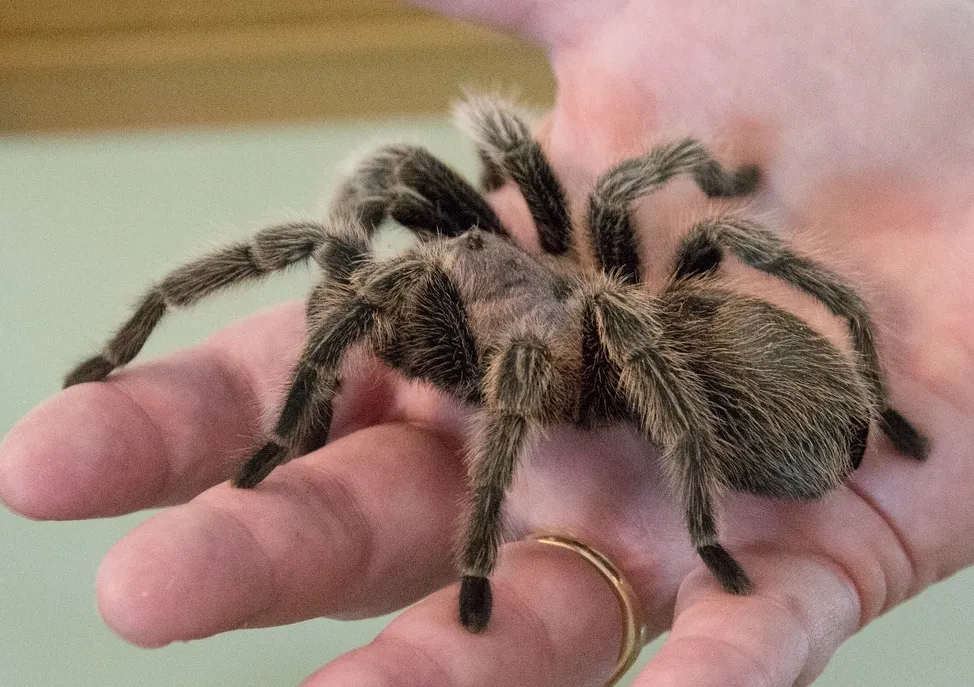
HP tarantulas boast a diverse range of appearances, varying in size, color, and the presence of specific markings. Generally, they are large spiders, with some species reaching impressive sizes, often measuring several inches in leg span. Their coloration can range from various shades of brown, gray, and black to striking patterns of vibrant hues, depending on the species. Many HP tarantulas are covered with setae, which are tiny hairs that provide sensory input and help them grip surfaces. The chelicerae, the mouthparts, are often visible and can be quite powerful, although their venom is generally not considered highly dangerous to humans. Understanding these characteristics is essential for both identification and care.
Habitat and Distribution
HP tarantulas, like other tarantula species, originate from diverse habitats around the world. They are typically found in tropical and subtropical regions, including areas in the Americas, Africa, and Asia. Their natural habitats vary greatly, including rainforests, grasslands, and deserts. These spiders have adapted to these different environments by creating burrows, utilizing natural shelters, or simply blending in with their surroundings. Understanding their natural habitat is vital for replicating their ideal living conditions in captivity. The specific habitat needs will depend on the species of HP tarantula, but generally, they require appropriate humidity, temperature, and substrate to thrive.
Behavioral Traits
HP tarantulas exhibit fascinating behaviors that make them captivating to observe. They are typically nocturnal, meaning they are most active during the night. Their movements range from slow and deliberate to surprisingly quick, particularly when hunting prey. They are generally solitary creatures, preferring to live alone, except during mating season. Understanding their behaviors, such as their defensive postures and feeding habits, is essential for safe handling and appropriate care. Many species are docile, but it’s important to respect their space and understand their signals to avoid any potential stress. Careful observation of an HP tarantula’s behavior is a rewarding experience.
HP Tarantula: Diet and Feeding Habits

Proper nutrition is crucial for the health and well-being of HP tarantulas. These spiders are primarily insectivores, with their diet consisting mainly of live insects. Common food items include crickets, mealworms, and roaches, which are readily available at pet stores. The size and type of insect offered depend on the tarantula’s size, with larger specimens requiring larger prey. It is important to gut-load the insects before feeding them to the tarantula, providing them with nutritious foods to improve the overall nutritional value. Regular feeding schedules, along with access to clean water, will ensure your HP tarantula stays healthy and active.
Prey Preferences
HP tarantulas have preferences when it comes to their prey. While crickets, mealworms, and roaches are common, some species may prefer other insects such as grasshoppers or even small vertebrates. The key is to offer a variety of prey to ensure a balanced diet. The tarantula’s size determines the size of the prey, with younger spiders requiring smaller insects. It is also vital to ensure the prey is free from pesticides, which can be harmful to the tarantula. Providing a diverse and healthy diet supports the growth and overall health of your HP tarantula, ensuring it lives a long and active life.
Feeding Frequency
The frequency of feeding depends on the tarantula’s age and size. Young tarantulas, or spiderlings, require more frequent feeding, typically every few days, to support their rapid growth. As they mature, the feeding frequency can be reduced to once or twice a week. It’s important to monitor the tarantula’s abdomen, which should appear plump after a meal. Avoid overfeeding, as this can lead to health issues. Always remove uneaten prey within 24 hours to prevent stress to the tarantula and maintain a clean habitat. By providing the right amount of food at the right time, you can contribute to the well-being of your HP tarantula.
HP Tarantula: Lifespan and Reproduction

HP tarantulas have a varied lifespan depending on the species and their environment. Generally, females live significantly longer than males. Female HP tarantulas can live for over 20 years, while males often live for only a few years after reaching maturity. Understanding the life cycle of these spiders is crucial for responsible pet ownership. Reproduction involves specific processes, including mating and egg laying, which are complex and fascinating. Knowing how to care for your HP tarantula includes understanding its reproductive cycle and the special needs associated with it.
Moulting Process
Moulting is a critical part of the HP tarantula’s life cycle. It involves shedding the exoskeleton to allow for growth. During this process, the tarantula will typically become inactive, and their exoskeleton will split open, allowing them to emerge with a new, larger one. The frequency of moulting decreases as the tarantula ages. It is important not to disturb the tarantula during moulting. Providing a moist environment helps facilitate the process. After moulting, the tarantula’s new exoskeleton is initially soft and vulnerable, so it’s important to avoid feeding it until the exoskeleton hardens completely.
Reproduction Cycle
The reproductive cycle of HP tarantulas varies depending on the species and environmental factors. Male tarantulas often have a shorter lifespan because they are ready to reproduce. They create sperm webs and use their pedipalps to transfer sperm to the female. The female then lays eggs, which are encased in an egg sac. The egg sac is guarded carefully until the spiderlings hatch. After hatching, the spiderlings go through several moults before they reach adulthood. Providing appropriate conditions, such as suitable temperatures and humidity, plays a crucial role in successful reproduction.
HP Tarantula: Health and Care Tips

Proper care is essential for maintaining the health and well-being of your HP tarantula. This includes providing a suitable environment, proper nutrition, and regular health checks. Keeping the enclosure clean and maintaining the correct temperature and humidity levels are also key to prevent health issues. Careful monitoring of the tarantula’s behavior, such as its activity level, feeding habits, and overall appearance, can help in identifying potential health problems early on. Being proactive about health management will lead to a healthier and happier HP tarantula.
Common Health Issues
HP tarantulas are generally robust creatures, but they can be susceptible to certain health issues. Common issues include parasitic infections, fungal infections, and injuries caused by falls or improper handling. Symptoms can include lethargy, loss of appetite, and unusual behavior. Prevention involves maintaining a clean environment and providing appropriate care. If you suspect your tarantula is unwell, it is important to consult a veterinarian specializing in exotic animals for diagnosis and treatment. Early intervention can often prevent the problem from becoming severe.
Housing Requirements
Providing a suitable habitat is crucial for the health and happiness of your HP tarantula. The enclosure should be appropriately sized for the species, allowing enough space for movement and activities. A secure enclosure with a well-fitting lid is essential to prevent escape. The substrate should be appropriate for the species, such as coconut fiber, peat moss, or a combination. Hiding places, like cork bark or artificial plants, should be included to provide security. Regular cleaning of the enclosure and proper ventilation are also vital for maintaining a healthy environment.
Temperature and Humidity

Maintaining the correct temperature and humidity levels is crucial for the well-being of an HP tarantula. Most species thrive in temperatures ranging from 70 to 80 degrees Fahrenheit. Humidity levels should be adjusted depending on the species, typically ranging from 60% to 80%. Using a thermometer and hygrometer will help you monitor these levels. Regular misting or the use of a water dish will help to maintain the correct humidity. Ensuring the correct temperature and humidity will prevent health issues and help your tarantula thrive.
HP Tarantula: Safety and Handling
Handling an HP tarantula requires caution and knowledge. While many species are docile, they are still wild animals and can react defensively if they feel threatened. Safe handling practices include understanding their behavior and using proper equipment. Children should always be supervised around these spiders. It is always important to understand the potential risks and take the necessary precautions.
Safe Handling Practices
Safe handling practices include approaching the tarantula calmly and avoiding sudden movements. It’s best to handle them over a soft surface, in case they fall. Many tarantula owners prefer to use a soft brush to gently coax the spider onto their hand. Washing your hands before and after handling is also important. Always supervise children and educate them about the tarantula’s behavior. By following these simple practices, you can minimize risks and ensure a positive experience for both you and your tarantula.
Venom and Toxicity

While HP tarantulas are venomous, their venom is generally not considered highly dangerous to humans. Their bites can cause localized pain, swelling, and redness, but serious reactions are rare. Allergic reactions are possible, and some individuals may experience more severe symptoms. It’s always important to avoid provoking the tarantula and to seek medical attention if you experience any adverse symptoms after a bite. Knowledge of venom and toxicity is an important part of responsible ownership, and it helps one manage the potential risks.
HP Tarantula: Conservation and Status
Conservation efforts for tarantulas are vital to protect these amazing creatures. Many tarantula species face threats due to habitat loss, the pet trade, and climate change. Supporting conservation efforts helps ensure that future generations can enjoy these fascinating animals. Learning about their status, understanding the challenges they face, and supporting responsible pet ownership are all important steps in their conservation. Awareness and action are key to helping preserve these incredible spiders and their habitats.
In conclusion, the HP tarantula is a captivating and fascinating creature that can be a rewarding pet for those who are prepared to provide the right care. By understanding the facts about their appearance, habitat, diet, and behavior, you can ensure their well-being. Proper handling, health management, and a commitment to conservation are vital. With dedication, you can appreciate the beauty and wonder of these amazing spiders for years to come. If you are considering owning an HP tarantula, remember to research thoroughly, provide a suitable environment, and enjoy the experience of having a truly unique pet.