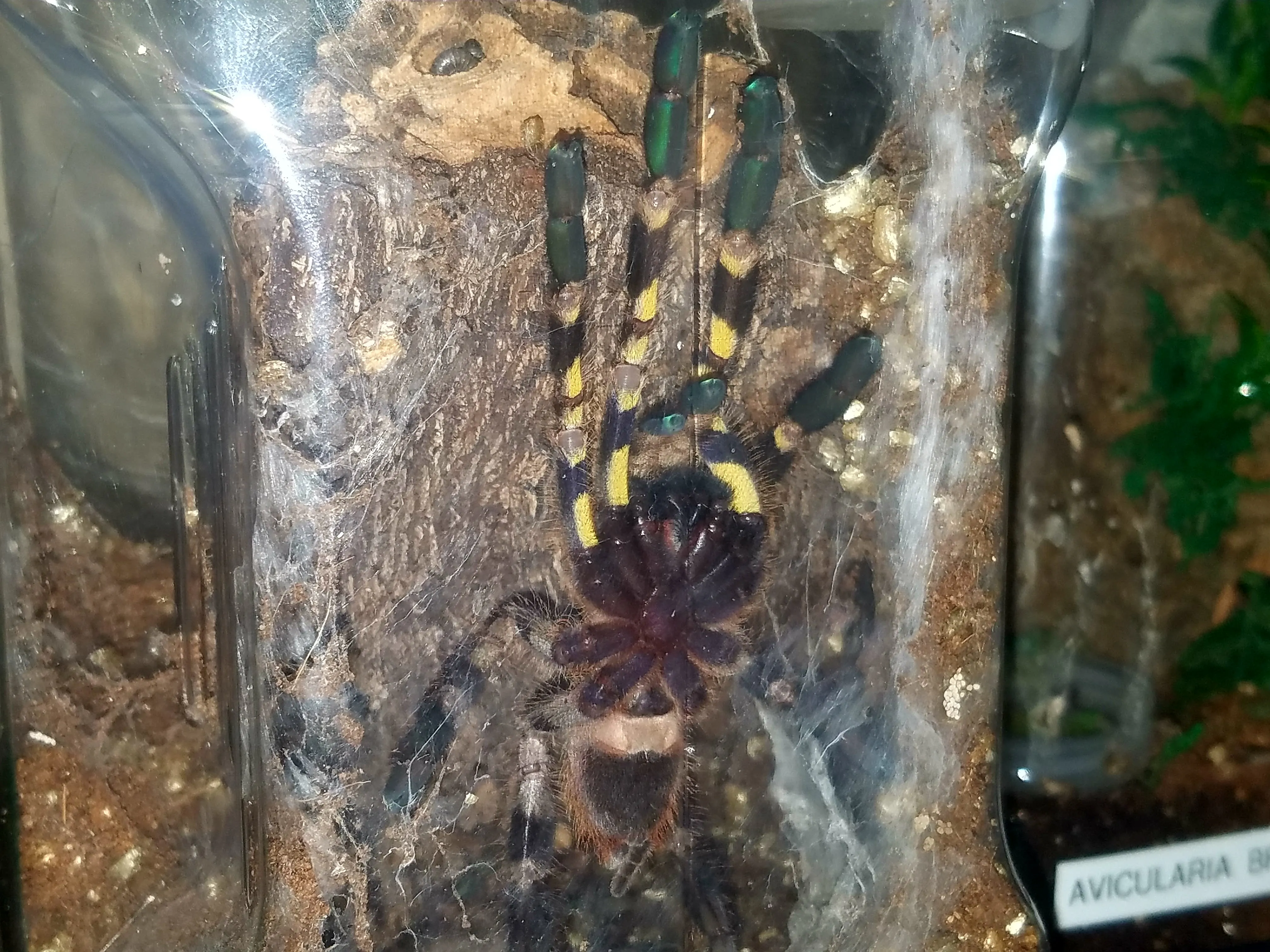
What is the Indian Ornamental Tarantula?
The Indian Ornamental Tarantula, scientifically known as Poecilotheria regalis, is a striking and captivating species of tarantula native to the forests of India. Renowned for its intricate patterns and vibrant coloration, this arboreal tarantula has gained significant popularity among arachnid enthusiasts worldwide. Their beauty is matched by their relatively manageable care requirements, making them a fascinating subject of study and a rewarding pet for experienced keepers. This species, often referred to as the Regal Tarantula, showcases a complex web of behaviors, from its nocturnal hunting habits to its defensive postures, which contribute to its mystique and appeal. Understanding the nuances of their natural habitat and lifecycle is crucial to appreciating their unique characteristics and ensuring their well-being in captivity.
Appearance and Characteristics
The Indian Ornamental Tarantula is immediately recognizable by its stunning appearance. Their coloration typically consists of a dark, velvety-black body adorned with intricate yellow or gold markings on their legs and carapace. These markings create a unique pattern, often resembling an ornate tapestry, which gives the species its ‘ornamental’ moniker. The legs are long and slender, adapted for climbing and navigating the arboreal environment. In terms of size, mature adults can reach a leg span of up to 8 inches, with females generally being larger than males. This size, combined with their striking appearance, makes them a highly sought-after species for tarantula enthusiasts. The overall impression is one of elegance and power, contributing to their allure and making them a true spectacle to behold.
Habitat and Natural Environment

In the wild, Indian Ornamental Tarantulas inhabit the tropical deciduous forests of South India. They are primarily arboreal, meaning they live in trees, utilizing their strong claws and agile movements to climb and seek shelter. They prefer to reside in tree hollows, crevices, and under the bark, creating silken retreats where they can ambush prey and avoid predators. The natural environment provides a humid and warm climate, which is essential for their survival. The presence of ample foliage, insects, and other small invertebrates forms the basis of their diet. Understanding their natural habitat is crucial for replicating appropriate conditions in captivity, which will greatly influence their health and longevity. Recreating the humidity and temperature, providing appropriate hiding places, and feeding them suitable prey are all key components for the well-being of these stunning creatures.
The Lifespan of an Indian Ornamental Tarantula
The lifespan of an Indian Ornamental Tarantula is an important consideration for anyone contemplating keeping one. In general, females live significantly longer than males. Female Indian Ornamental Tarantulas can live for 10 to 15 years or even longer in some cases. Males, however, have a much shorter lifespan, typically living for only 3 to 5 years. This difference in longevity is largely due to the fact that males often die shortly after reaching sexual maturity and mating. The lifespan of a tarantula can be influenced by a variety of factors, including diet, environmental conditions, and overall health. Properly caring for your tarantula can help to maximize its lifespan and ensure it lives a healthy and fulfilling life.
Factors Influencing Lifespan
Several factors can influence the lifespan of an Indian Ornamental Tarantula. Diet plays a crucial role; a varied and nutritious diet is essential. Providing a consistent supply of appropriately sized insects, such as crickets, cockroaches, or mealworms, helps maintain their health. Environmental conditions, especially temperature and humidity, also play a vital role. Keeping the enclosure at the correct temperature (around 75-85°F) and maintaining adequate humidity levels (around 70-80%) is critical for their molting process and overall well-being. Moreover, the health of the tarantula is a determining factor, so it is important to observe for signs of illness or stress, and address any issues promptly. Providing a stress-free environment with appropriate hiding places and handling the tarantula with care will also contribute to a longer lifespan.
Diet and Nutrition

A balanced diet is essential for the health and longevity of Indian Ornamental Tarantulas. In the wild, these tarantulas feed primarily on insects and small invertebrates. In captivity, they should be fed a variety of appropriately sized insects. Crickets and cockroaches are commonly used and provide a good source of protein and nutrients. Mealworms can be offered, but they should be given in moderation. The frequency of feeding depends on the tarantula’s age and size. Spiderlings will require more frequent feedings than adults. It is also important to ensure a constant supply of fresh, clean water. Overfeeding should be avoided, as it can lead to health problems. By providing a nutritious and balanced diet, you can significantly contribute to the long and healthy life of your Indian Ornamental Tarantula.
Environmental Conditions
Maintaining the correct environmental conditions is critical for the health and well-being of your Indian Ornamental Tarantula. Temperature and humidity levels must be carefully monitored and maintained. A temperature range of 75-85°F is ideal, and humidity should be kept at around 70-80%. This can be achieved using a combination of a good quality substrate, regular misting, and proper ventilation. The enclosure should also be appropriately sized for the tarantula, providing enough space to move around. Vertical space is important for arboreal species, so a tall enclosure is recommended. The addition of appropriate hiding places, such as cork bark or artificial plants, will make your tarantula feel secure. Regular cleaning of the enclosure and proper ventilation will also help to prevent the build-up of harmful bacteria and mold. Proper environmental conditions will ensure your tarantula thrives.
Health and Well-being
Monitoring the health and well-being of your Indian Ornamental Tarantula is essential for recognizing and addressing any potential health problems promptly. Common signs of illness or stress include loss of appetite, lethargy, unusual behavior, or changes in appearance. The tarantula may also exhibit signs of dehydration or be unable to molt properly. Regular observation of your tarantula will help you identify any issues early on. If you notice any concerns, it’s important to consult with a veterinarian experienced in treating exotic animals. Providing a stress-free environment, a nutritious diet, and maintaining the correct environmental conditions all contribute to their health. Proper hygiene in the enclosure and avoiding unnecessary handling will also help to minimize stress and reduce the risk of illness, ensuring your tarantula has a long and happy life.
Comparing Male and Female Lifespans

As previously mentioned, there is a significant difference in the lifespans of male and female Indian Ornamental Tarantulas. Females can live considerably longer, often up to 10-15 years, whereas males typically live only 3-5 years. This difference in lifespan is primarily related to the roles they play in reproduction. Males, after reaching sexual maturity, focus on mating and generally do not live much longer after that process. Females, on the other hand, can live significantly longer because they do not face the same physiological strain. Therefore, if you want a tarantula that will live longer, it is usually best to opt for a female. However, keep in mind that both sexes are fascinating creatures, each with their unique behaviors and characteristics.
Top 5 Facts about Indian Ornamental Tarantula Lifespan
- Females live significantly longer than males (10-15 years vs 3-5 years).
- Lifespan is influenced by diet, environmental conditions, and overall health.
- A varied and nutritious diet consisting of appropriately sized insects is essential.
- Maintaining correct temperature and humidity is critical for their well-being.
- Males typically die shortly after reaching sexual maturity and mating.