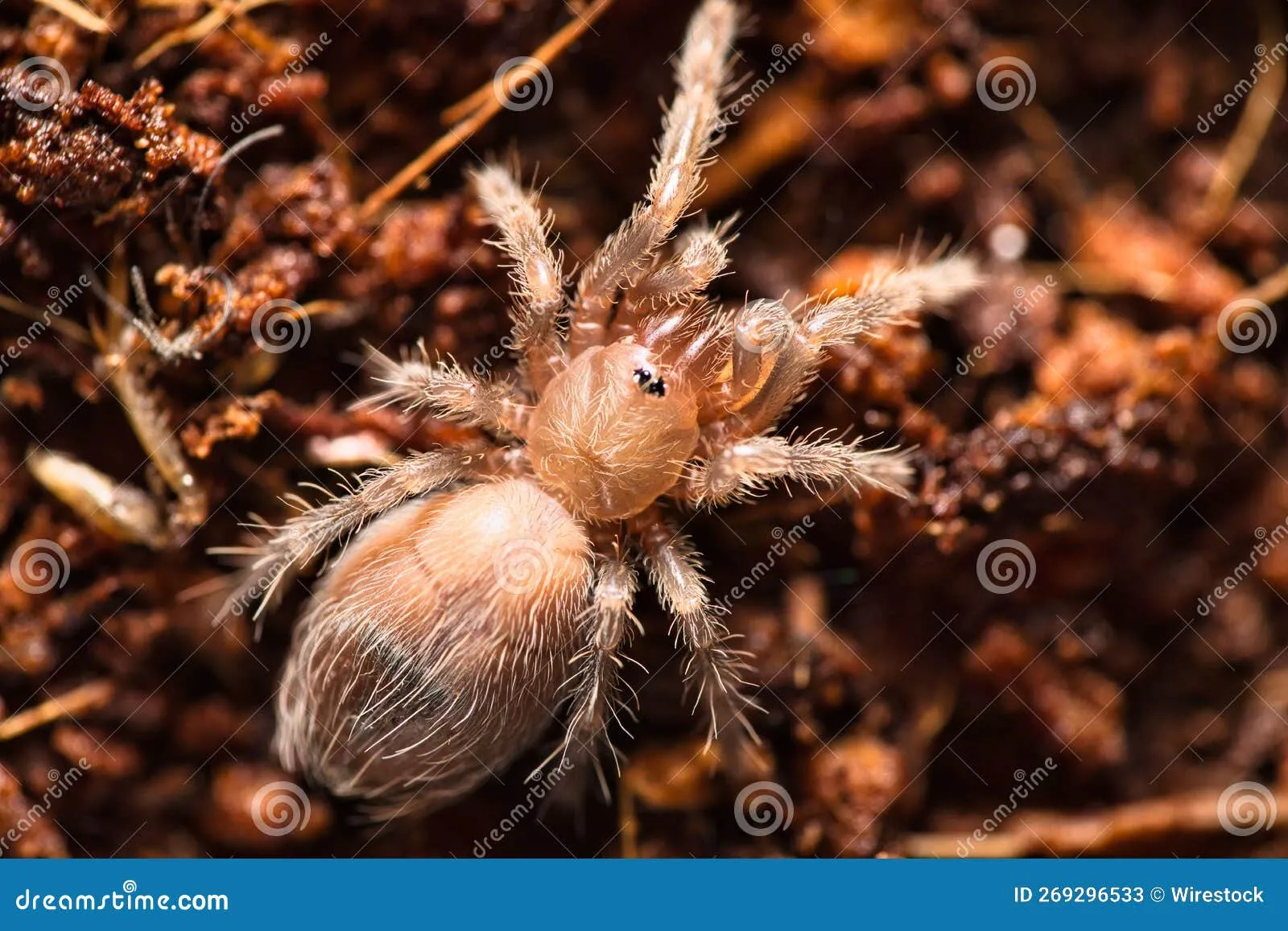
What is a Baby Tarantula Jogja?
A baby tarantula in Jogja refers to a juvenile tarantula spider found or kept within the Yogyakarta region of Indonesia. These fascinating creatures, often referred to as slings by enthusiasts, are the offspring of larger tarantulas and are in their early stages of development. Their small size and delicate nature require specialized care, making them a captivating but demanding pet for arachnid lovers in Jogja. Baby tarantulas, due to their size, have different needs compared to adult tarantulas. This includes specific requirements for their enclosure, diet, and overall environment to ensure their healthy growth and development. Owning a baby tarantula can be a rewarding experience, allowing enthusiasts to witness the entire life cycle of these unique creatures.
Baby Tarantula Jogja Size and Appearance
Baby tarantulas in Jogja, like elsewhere, are tiny versions of their adult counterparts. The size varies depending on the species, but they generally start as small as a few millimeters in body length. Their appearance mirrors the adults, possessing the characteristic eight legs, two pedipalps (used for sensing and manipulating food), and fangs. The coloration of baby tarantulas also varies depending on their species, with some displaying vibrant hues even at a young age. As they grow, they shed their exoskeletons, a process called molting, allowing them to increase in size and develop their adult coloration. Observing the size and appearance of these baby tarantulas in Jogja is a great way to see how they grow.
Baby Tarantula Jogja: Habitat and Behavior

Baby tarantulas in Jogja, in their natural habitat, thrive in humid environments, often found in burrows or under rocks and logs to stay safe from predators and environmental changes. Their behavior is primarily defensive, and they may retreat to their burrows or try to escape if they feel threatened. As they are developing, baby tarantulas are highly sensitive to temperature and humidity fluctuations. They spend most of their time hiding and waiting for prey. Their behavior also includes molting, which makes them even more vulnerable. Owners should be aware of their behavior to properly care for them. Understanding their habitat and behavior helps owners in Jogja create an appropriate environment for their care.
Where to Find Baby Tarantulas in Jogja
Finding baby tarantulas in Jogja can be a challenge, as these creatures are usually not visible unless you know where to look. Some enthusiasts search for them in their natural habitats, such as forests and open grasslands. Local pet stores specializing in exotic pets may also carry baby tarantulas, but availability varies. It is important to ensure that the baby tarantulas are obtained from reputable sources that prioritize the welfare of the animals. Online platforms and local reptile and exotic pet groups can also be useful resources for finding baby tarantulas in Jogja. Before acquiring a baby tarantula, one should consider its legal status and be prepared to provide the necessary care and environment.
Baby Tarantula Jogja: Diet and Feeding
Feeding baby tarantulas in Jogja requires careful attention to their dietary needs. These spiders are carnivores, feeding on insects. The size of the prey should match the size of the tarantula. Newly hatched tarantulas often eat small, flightless fruit flies. As they grow, their diet can be supplemented with appropriately sized crickets, mealworms, and other small insects. It is important to ensure that the prey is gut-loaded, meaning they are fed nutritious food before being offered to the tarantula. This ensures the tarantula receives essential vitamins and minerals. Overfeeding should be avoided, as it can cause health problems. Water should always be provided for the baby tarantula.
Best Food for Baby Tarantulas

The best food for baby tarantulas in Jogja includes small, live insects that are appropriate for their size. Flightless fruit flies are an excellent choice for very small slings. As they grow, appropriately sized crickets, mealworms, and pinhead roaches can be offered. It’s essential to vary their diet to provide a range of nutrients. Gut-loading the insects is also crucial, as this process helps to enrich the nutritional value of the prey. Always ensure that any food items are free from pesticides and harmful chemicals, and never feed a baby tarantula anything that is dead or decaying. Providing fresh, clean water is also very important.
How Often to Feed Baby Tarantulas
The frequency of feeding baby tarantulas in Jogja depends on their age and growth rate. Newly hatched tarantulas may need to be fed every other day or even daily, while older slings can be fed every three to five days. Monitor your tarantula’s abdomen to determine when it is full. A well-fed tarantula will have a plump abdomen. Adjust the feeding schedule according to their growth. Always remove any uneaten prey from the enclosure to prevent stress and potential health problems. Regular observation of the tarantula’s feeding habits will help you determine the right frequency.
Baby Tarantula Jogja: Handling and Safety
Handling baby tarantulas in Jogja should be approached with caution. While some tarantulas are docile, others may be skittish and prone to biting or flicking urticating hairs (irritating hairs) as a defense mechanism. Handling is generally not recommended unless necessary, such as during enclosure cleaning or health checks. If handling is required, it should be done over a soft surface, such as a bed or a table covered with a towel, to prevent injury if the tarantula falls. Always wash your hands before and after handling the tarantula, and avoid handling if you have any cuts or open wounds.
Handling Baby Tarantulas Safely

To handle baby tarantulas safely in Jogja, it is essential to be calm and slow in your movements. Approach the tarantula gently and allow it to crawl onto your hand rather than grabbing it. Avoid making sudden movements or loud noises that could startle the spider. Always supervise children when they are near a baby tarantula. If the tarantula shows signs of stress or aggression, such as raising its front legs or flicking its hairs, it is best to put it back in its enclosure immediately. Always wash your hands thoroughly after handling.
Signs of Stress in Baby Tarantulas
Identifying signs of stress in baby tarantulas is crucial for their well-being. Some signs include a defensive posture, such as raising their front legs or exposing their fangs. Rapid movements or attempts to escape can also indicate stress. Loss of appetite, lethargy, and refusal to eat can also be signs that something is wrong. If you notice any of these behaviors, it is important to check the tarantula’s environment. Make sure it is properly heated, humidified, and provide a safe space for the tarantula. Seek advice from an experienced tarantula keeper or veterinarian if you are concerned about the health of your baby tarantula in Jogja.
Baby Tarantula Jogja: Enclosure Setup
Setting up the right enclosure for a baby tarantula in Jogja is critical for its health and happiness. The enclosure should be appropriately sized for the tarantula, providing enough space to move around without feeling overwhelmed. It is usually best to start with a smaller enclosure and upgrade as the tarantula grows. The enclosure should also be escape-proof, with a secure lid to prevent the spider from getting out. A good setup should replicate the tarantula’s natural habitat, with the right temperature, humidity, substrate, and hideaways.
Choosing the Right Enclosure

When choosing an enclosure for a baby tarantula in Jogja, consider the size and species of the spider. Small clear plastic containers with secure lids or small glass terrariums are suitable for slings. The enclosure should be at least two to three times the tarantula’s leg span in length. Ensure the enclosure has proper ventilation to prevent mold growth and maintain good air circulation. Avoid enclosures with large openings or gaps that the tarantula could escape through. Make sure the enclosure can maintain the appropriate temperature and humidity levels needed for the specific tarantula species.
Substrate and Decor for Baby Tarantulas
The substrate and décor in a baby tarantula’s enclosure in Jogja play a significant role in its comfort and well-being. Substrate should provide a suitable base for burrowing or hiding. Good substrate options include a mixture of coco fiber and vermiculite. Ensure the substrate is deep enough to allow the tarantula to burrow if it is a burrowing species. Provide a hide, such as a small piece of cork bark or a half-log, where the tarantula can retreat and feel safe. Add some plants and décor to make the enclosure more natural looking and engaging for the tarantula. Always ensure that the décor is safe and non-toxic.
Baby Tarantula Jogja: Common Health Issues
Baby tarantulas in Jogja can be prone to various health issues. These issues can be caused by poor environmental conditions, improper feeding, or other factors. Common problems include dehydration, mites, mold, and fungal infections. Dehydration can be a serious problem for baby tarantulas. Regularly monitor the humidity levels in their enclosure. Mites can infest tarantulas and cause significant harm, so proper sanitation is important. Make sure to remove any uneaten food or waste promptly. Fungal infections can also occur. Prevention and early intervention are key to keeping baby tarantulas healthy.
Preventing Health Problems

Preventing health problems in baby tarantulas in Jogja involves several key strategies. Maintain appropriate temperature and humidity levels for the species. Ensure that the enclosure is clean and well-ventilated. Provide a balanced diet of appropriately sized and gut-loaded insects. Regularly inspect the tarantula for signs of illness. Quarantine any new tarantulas before introducing them to your existing collection. Always wash your hands thoroughly before and after handling the tarantulas. A proactive approach to their care can prevent many common health issues.
Signs of Illness in Baby Tarantulas
Recognizing signs of illness in baby tarantulas is essential for timely intervention. Look out for changes in behavior, such as lethargy, loss of appetite, or unusual inactivity. Physical signs of illness may include a swollen abdomen, changes in coloration, or the presence of mites or mold. Difficulty molting or failure to molt is another concern. If you observe any of these signs, isolate the affected tarantula. Consult with an experienced tarantula keeper or a veterinarian specializing in exotic pets for guidance. Quick action can help to improve the tarantula’s chances of recovery.
Baby Tarantula Jogja: Breeding and Life Cycle
Breeding baby tarantulas in Jogja is an advanced undertaking that requires considerable knowledge and experience. The process involves careful selection of breeding pairs, proper environmental conditions, and patience. It is important to understand the tarantula’s life cycle to successfully breed them. The tarantula life cycle consists of growth through molting, mating, egg laying, and hatching. Not all tarantula species are easy to breed. Successful breeding involves many factors, including the health of the adult tarantulas, the environment, and the availability of suitable mates.
Understanding the Tarantula Life Cycle

Understanding the tarantula life cycle is crucial for their care. Tarantulas grow by molting, shedding their exoskeletons to allow for further growth. The frequency of molting decreases as they age. The adult tarantula’s life cycle involves mating, during which the male transfers sperm to the female. The female then lays eggs in a silken egg sac. These eggs hatch into spiderlings, which are essentially baby tarantulas. The spiderlings then molt several times as they grow, eventually becoming adult tarantulas. Proper care during each stage of the life cycle is essential for the tarantula’s overall health.
Breeding Baby Tarantulas in Jogja
Breeding baby tarantulas in Jogja requires expert knowledge. The breeding process typically involves introducing a male and female tarantula. If the mating is successful, the female will lay eggs. After the egg sac is created, the eggs must be carefully incubated under specific conditions to promote hatching. The spiderlings, or baby tarantulas, require specialized care, including appropriate enclosures, feeding, and environmental conditions. Successful breeding is a testament to your skills as a tarantula enthusiast.