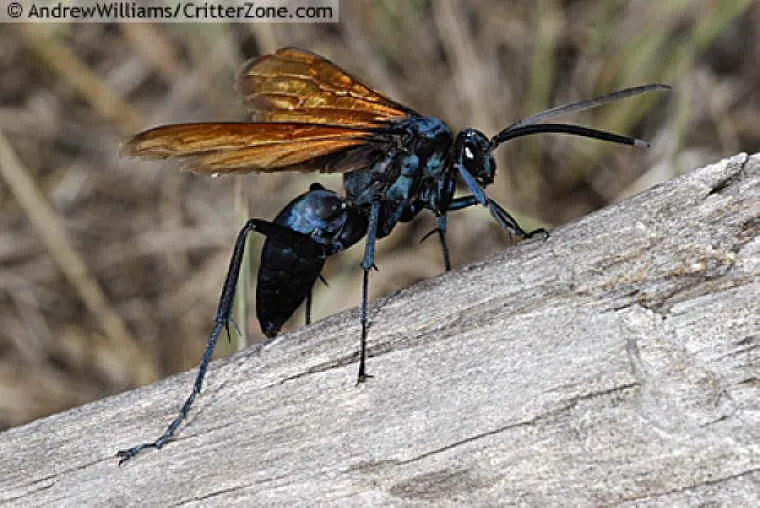
What is a Tarantula Killer Wasp?
The tarantula hawk wasp, often simply called the tarantula killer wasp, is a formidable insect known for its hunting prowess and striking appearance. This wasp, belonging to the Pompilidae family, is a solitary wasp species that preys on tarantulas. Found in various regions, particularly in the southwestern United States and parts of South America, they are easily recognizable by their vibrant colors, often a combination of metallic blue-black bodies and orange wings. The tarantula hawk wasp is not just a striking insect it plays a vital role in controlling tarantula populations. Understanding this insect is the first step in controlling its presence in your area.
Identification and Behavior
Identifying the tarantula killer wasp involves recognizing its distinct physical characteristics and understanding its unique behavioral patterns. They are typically large, with females often measuring up to two inches in length, making them one of the largest wasp species. Their behavior is equally fascinating and a bit intimidating. These wasps are known for their powerful sting, which is considered one of the most painful insect stings in the world. Their primary activity revolves around hunting tarantulas, which they paralyze with their sting before dragging them to a burrow to lay their eggs. The wasp’s behavior also includes the collection of nectar, which they consume for energy. The wasp’s life cycle directly depends on the presence of tarantulas.
Physical Characteristics

The physical characteristics of the tarantula killer wasp are key to its identification. As mentioned, their size is quite significant, with females being larger than males. Their bodies are generally a metallic blue or black, while their wings are a striking orange, providing a visual warning to potential predators. The legs are long and spiny, which aids in gripping and maneuvering their prey. These wasps also have powerful mandibles, which they use for various tasks, including digging burrows and manipulating their prey. The stinger is long and formidable, used for paralyzing tarantulas. Their overall appearance is designed for a life of hunting and survival. (Image: tarantula killer wasp identifying)
Life Cycle and Habits
The life cycle of the tarantula killer wasp is a fascinating illustration of nature’s complex processes. The female wasp hunts tarantulas, paralyzing them with a sting before dragging them to a burrow. Once in the burrow, the wasp lays a single egg on the tarantula’s abdomen. When the egg hatches, the wasp larva feeds on the paralyzed tarantula, eventually consuming it completely. After the larval stage, the wasp pupates and emerges as an adult. The adults primarily feed on nectar and play a role in pollination. Their habits are solitary; each female is responsible for creating her nest and providing for her offspring. Their entire existence is tied to the tarantula population.
The 5 Secrets to Eliminate Tarantulas
Eliminating tarantulas around your property is crucial for minimizing the presence of tarantula killer wasps, as the wasps rely on tarantulas for their survival. Implementing a multifaceted approach that addresses habitat, chemical control, and other techniques can effectively manage both tarantulas and the wasps that prey on them. The following five secrets will help you in your effort. Remember, effective control requires consistent effort and the adaptation of these strategies to your specific situation and the local environment.
Secret 1 Habitat Modification

Habitat modification is the first secret to control. This involves making your property less attractive to tarantulas, thereby reducing the food supply for tarantula killer wasps. By eliminating potential hiding places and food sources for tarantulas, you can significantly decrease their numbers. This proactive approach not only helps in controlling the wasps, but also reduces the likelihood of encounters with these large spiders. Keep in mind that changing the environment is a long-term strategy. Consistent maintenance is key to success. (Image: habitat modification for wasps)
Creating a Less Inviting Environment
Creating a less inviting environment for tarantulas involves several key steps. Clear away any clutter, such as piles of wood, rocks, or debris, which can serve as hiding spots for tarantulas. Trim overgrown vegetation, as it provides cover and shelter. Ensure proper lighting, as tarantulas are often attracted to dark, shaded areas. Seal cracks and crevices in foundations, walls, and other structures to prevent them from entering your home. Regular landscaping and maintenance are crucial to keep the area free of possible threats.
Removing Attractants
Removing attractants is another crucial step. Reduce the presence of insects that tarantulas feed on. This can be achieved by controlling other pests through the use of insecticides, traps, or natural predators. Manage outdoor lighting carefully, as insects are attracted to lights, and this can, in turn, attract tarantulas. Avoid leaving food scraps or pet food outdoors, which can draw insects and, consequently, tarantulas. Proper waste management and regular cleaning of outdoor spaces will help minimize potential food sources, making the environment less appealing to tarantulas and, subsequently, to the wasps.
Secret 2 Chemical Control

Chemical control involves using insecticides to manage both tarantulas and the insects they feed on, further disrupting the food chain that supports tarantula killer wasps. The use of chemicals should be approached cautiously and in accordance with safety guidelines. Always prioritize the safety of yourself, your family, and the environment when employing chemical control methods. Read and follow all product labels and instructions carefully. Targeted and responsible use of insecticides can be an effective tool in the comprehensive management of tarantulas and related wasps. (Image: insecticide application)
Effective Insecticides
Selecting effective insecticides requires careful consideration of the target pests and the environment. Pyrethroids are a common choice, as they are broad-spectrum insecticides that can control a wide range of insects. Apply these products around the perimeter of your property and in areas where tarantulas or their prey are likely to be found. Always select products specifically labeled for use against spiders and other crawling insects. Consider using contact insecticides that are applied directly to the pests or their habitats. Remember to use insecticides as part of an integrated pest management strategy, combined with other control methods for the best results.
Application Methods
Proper application methods are essential for effective chemical control. Use a sprayer to apply insecticides evenly to surfaces where tarantulas and their prey are present. Focus on areas where these pests are likely to hide, such as cracks, crevices, and around foundations. For areas with heavy vegetation, use a granular insecticide that will penetrate dense foliage. When applying, wear appropriate protective gear, including gloves, a mask, and eye protection, to prevent exposure to the chemicals. Reapply insecticides as directed on the product label, considering factors such as weather conditions and the specific product’s residual effects.
Secret 3 Biological Control

Biological control involves introducing natural predators or parasites to manage tarantulas and, consequently, to reduce the food source for tarantula killer wasps. This approach uses natural enemies to keep pest populations in check, providing an environmentally friendly alternative to chemical pesticides. It’s important to research which predators or parasites are native to your area and which are effective against tarantulas. The goal is to create a balanced ecosystem where tarantulas are less likely to thrive. This method can be a long-term solution that complements other control strategies. The effectiveness of biological control depends on factors such as environmental conditions and the presence of other pests and predators.
Introducing Predators
Introducing natural predators can help control tarantula populations. However, this must be approached with caution and thorough research. Some potential predators include birds, lizards, and larger spiders that may prey on tarantulas. Before introducing any predator, make sure it is native to your area and poses no risk to other beneficial species. Create a habitat that supports the predators. Ensure they have access to food, water, and shelter. Consider introducing predator-friendly plants and avoiding the use of broad-spectrum insecticides that could harm the predators. Monitoring the impact of predators and adjusting strategies as needed is essential for achieving effective control.
Natural Enemies
In addition to predators, tarantulas have natural enemies, which include parasites and diseases that can help control their populations. These enemies often occur naturally in the environment. Supporting their populations can be an effective part of your control strategy. Avoid using broad-spectrum pesticides that could harm these beneficial organisms. Provide a healthy environment by reducing the use of chemicals and creating suitable habitats. Monitor your property for signs of natural enemies, such as parasitic wasps laying eggs on tarantulas or fungal infections. Consulting with a pest control professional can provide information about the natural enemies present in your area. This will help in developing an effective management plan.
Secret 4 Physical Barriers

Physical barriers are a proactive way to keep tarantulas and other pests out. By creating physical obstacles, you can prevent them from entering your home and reduce their presence in your outdoor spaces. This approach complements other methods, providing an extra layer of protection and preventing pests from establishing themselves in the first place. Using physical barriers can reduce the need for chemical controls and create a more sustainable pest management strategy. Remember to inspect and maintain these barriers regularly to ensure their effectiveness. (Image: physical barriers for wasps)
Sealing Entry Points
Sealing entry points is critical for preventing tarantulas from entering your home. Inspect your home’s exterior regularly for cracks, crevices, and gaps where tarantulas could potentially enter. Seal these openings with caulk or other appropriate materials. Pay special attention to areas around windows, doors, pipes, and utility lines. Install weather stripping around doors and windows to create a tight seal. Use screens on windows and vents to prevent pests from entering. Regularly check and repair any damage to the screens. By sealing entry points, you can significantly reduce the chances of tarantulas making their way indoors.
Using Protective Screens
Using protective screens is an effective way to prevent tarantulas from entering your living spaces. Ensure that all windows, doors, and vents have screens in good condition. Screens should be securely installed and free of any holes or tears. Replace damaged screens promptly to maintain their effectiveness. Consider using fine-mesh screens, as they can provide greater protection against smaller insects. Regularly inspect screens for any signs of wear and tear. Repair or replace screens as needed. Proper screen maintenance is a simple, yet effective, method of preventing tarantula entry. This will also reduce the chances of tarantula killer wasps entering your living space.
Secret 5 Professional Assistance

When dealing with tarantula killer wasps and tarantulas, seeking professional assistance from a pest control expert can be a wise decision. Professionals have the knowledge, expertise, and tools necessary to identify the extent of the problem and develop a comprehensive control strategy. They are also trained in safe and effective pest management practices, ensuring the safety of your family and the environment. Working with a professional can save you time and effort while ensuring the problem is addressed effectively. Professional assistance is particularly valuable when infestations are severe or when other control methods have been unsuccessful. (Image: professional pest control)
When to Call an Expert
Knowing when to call an expert is crucial. If you’re dealing with a significant tarantula or tarantula killer wasp infestation, or if you’re unable to identify the species or the source of the problem, it’s time to seek professional help. If you’ve tried various control methods without success, a professional can provide a more effective solution. If you’re concerned about the safety of handling pesticides or dealing with potentially dangerous insects, calling in an expert can offer peace of mind. If you or someone in your family has allergies to insect stings, professional help is highly recommended to minimize health risks.
Choosing a Qualified Professional
Choosing a qualified professional is essential for effective and safe pest control. Look for a licensed and insured pest control company with experience in dealing with tarantulas and wasps. Check online reviews and testimonials to assess the company’s reputation and the quality of its services. Inquire about the company’s pest control methods, ensuring they use environmentally responsible techniques. Ask about the experience and training of the technicians who will be working on your property. Get multiple quotes and compare services and prices to ensure you are getting the best value. Prioritize companies that offer a comprehensive approach, including inspection, treatment, and follow-up services.
Preventative Measures

Preventative measures are essential for long-term control of tarantulas and tarantula killer wasps. By implementing these measures, you can minimize the chances of infestations and reduce the need for reactive treatments. Proactive strategies are not only effective but also contribute to a healthier and safer environment. Consistency is key. Make these measures a part of your regular property maintenance routine. By taking these proactive steps, you can significantly reduce the likelihood of encountering tarantulas and the wasps that prey on them. (Image: clean environment for wasps)
Regular Inspections
Regular inspections are a cornerstone of preventative pest management. Conduct regular inspections of your property, both indoors and outdoors, to identify any signs of tarantulas or tarantula killer wasps. Look for burrows, webs, or other indicators of their presence. Inspect areas where pests are likely to hide, such as under decks, in garages, and around foundations. Conduct these inspections at least monthly, or more frequently during peak seasons. Keep a record of your inspections and any findings. Early detection is key to preventing infestations from becoming severe. Promptly address any issues you find, and take appropriate action. This will prevent bigger problems down the line.
Maintaining a Clean Environment
Maintaining a clean environment is crucial for preventing pest infestations. Keep your property free of clutter, debris, and overgrown vegetation. These items provide shelter and breeding grounds for pests, including tarantulas and their prey. Regularly clean up fallen leaves, twigs, and other organic matter, which can attract insects. Store firewood away from your home, as it can harbor various pests. Regularly clean your gutters and downspouts to prevent the accumulation of debris. Ensure proper waste management. Keep trash cans tightly sealed. Regularly cleaning your property creates an environment less favorable to pests, reducing the likelihood of infestations. This proactive approach supports your ongoing efforts to control tarantulas and tarantula killer wasps.
In conclusion, effective tarantula killer wasp control requires a multifaceted approach that integrates various strategies. By understanding the behavior and life cycle of these wasps and implementing the five secrets – habitat modification, chemical control, biological control, physical barriers, and professional assistance – you can significantly reduce the presence of tarantulas and the wasps that prey on them. Remember that consistent preventative measures, such as regular inspections and maintaining a clean environment, are essential for long-term success. By adopting these strategies, you can protect your property and create a safer environment for your family.